






























































































I was sent to pinnacle pointe when I was 15 this was my first time ever being sent somewhere! I was in think paper scrubs it was cold. it was around 2 in the morning when they finally got me in a room they said they had to wash my clothes before they could give them back to ...
About Pinnacle Pointe Behavioral Healthcare System
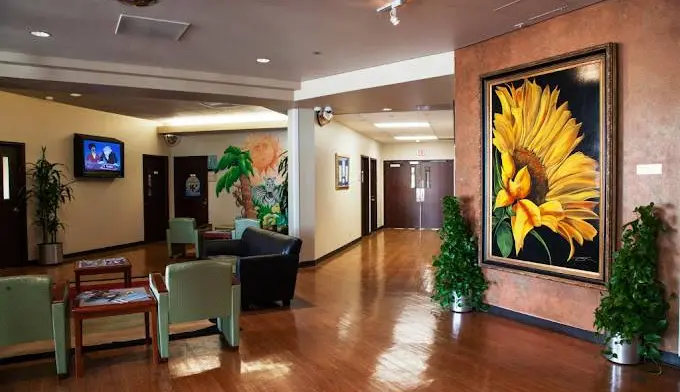
Pinnacle Pointe Behavioral Healthcare System is a Joint Commission accredited and Arkansas licensed psychiatric hospital in Little Rock providing mental health and high risk behavior care including substance use treatment.
As a 116-bed acute care facility, it serves children, adolescents, and seniors experiencing acute psychiatric symptoms through a full continuum of services.
Pinnacle Pointe offers a safe and structured environment where comprehensive assessments, clinical treatment, and family involvement come together to support lasting recovery.
High Risk Behavior SUDS Treatment
Pinnacle Pointe’s core focus is acute inpatient psychiatric treatment for children and adolescents ages five to 17 and seniors age 55 and older. As a premier psychiatric hospital it provides immediate intervention and stabilization for those in behavioral health crises.
Inpatient programs include comprehensive assessments and psychiatric treatment, medication management, family therapy, and aftercare planning. This whole client approach addresses both immediate symptoms and the underlying issues that affect long-term wellness.
Outpatient and Continuing Care Options
Beyond inpatient care Pinnacle Pointe offers a partial hospitalization program (PHP) for intensive daytime treatment and an intensive outpatient program (IOP) that fits into daily routines.
The hospital also provides ongoing outpatient support and a dedicated Military Services program for active duty members, veterans, and their families.
Latest Reviews
My granddaughter loved it there she said the staff was very nice and they took real good care of her when she was sick they made sure she had plenty of fluids to drink and she said they had real food there they are the best 👌
Response from the owner3 months ago
So glad to hear this terrific feedback! Thank you for taking the time to leave us this review. Take care.
This was all an helpful experience and it helped her mental health a lot more she came home smiling more and she doesn’t stay in her room as much as she used to her depression and anxiety has been a lot better and I strongly feel like it helped her and I strongly recommend this hospital than any other hospital.
Response from the owner3 months ago
We are so glad to hear this! Thank you for taking the time to share your feedback with us. We hope you and your loved one are doing well. Take care!
Ok so I haven't been to this place in almost 10 years so just bare with me, but out of all the facilities I've been to this was probably one of if not the best one I've come across, y'all I can't tell you how many times I've been here (which probably isn't a good thing) but let's just say pretty much all the staff knew me by 1st middle and last name 🤣🤣🤣🤣🤣 but in all seriousness the staff really did show that they care a lot about the kids there and it was honestly not as bad as some people may think, just go in with the mindset of getting better and bettering yourself and you'll do fine. Definitely would recommend if you need a little extra help, these people know what they're doing!!!
Response from the owner3 months ago
Thank you so much for your feedback! We truly appreciate it and hope you have a great day! 
Rehab Score
 Our Methodology
Scoring is assigned by a proprietary system which helps surface key metrics that determine quality. The 10-point scale factors in categories such as operations, customer satisfaction, and trust metrics. Read Full Methodology

6 / 10
Gallery
Other Forms of Payment
Medicaid is a state based program that helps lower-income individuals and families pay for healthcare. Medicaid covers addiction treatment so those enrolled can use their coverage to pay for rehab. When a program accepts Medicaid the client often pays very little or nothing out of their own pocket.
Private insurance refers to any kind of healthcare coverage that isn't from the state or federal government. This includes individual and family plans offered by an employer or purchased from the Insurance Marketplace. Every plan will have different requirements and out of pocket costs so be sure to get the full details before you start treatment.
Self-pay involves paying for treatment out of your own pocket. You can use savings or credit, get a personal loan, or receive help from family and friends to fund your treatment. If you don't have insurance or your insurance plan doesn't cover a specific program, self-pay can help ensure you still get the care you need.
Financial aid can take many forms. Centers may have grants or scholarships available to clients who meet eligibility requirements. Programs that receive SAMHSA grants may have financial aid available for those who need treatment as well. Grants and scholarships can help you pai for treatment without having to repay.
Military members, veterans, and eligible dependents have access to specific insurance programs that help them get the care they need. TRICARE and VA insurance can help you access low cost or no cost addiction and mental health treatment. Programs that accept military insurance often have targeted treatment focused on the unique challenges military members, veterans, and their families face.
Addiction Treatments
Levels of Care
Outpatient rehabs ensure that clients continue to receive robust and consistent therapeutic care without requiring them to reside at the treatment center. The frequency and intensity of treatment depend on clients' evolving needs, ranging from daily to weekly addiction counseling and recovery education. Outpatient programs often include peer coaching, life skills training, and individual, group, and family counseling. Outpatient levels of care include partial hospitalization (PHP), intensive outpatient (IOP), sober living/halfway housing, and standard outpatient care.
Residential treatment programs are those that offer housing and meals in addition to substance abuse treatment. Rehab facilities that offer residential treatment allow patients to focus solely on recovery, in an environment totally separate from their lives. Some rehab centers specialize in short-term residential treatment (a few days to a week or two), while others solely provide treatment on a long-term basis (several weeks to months). Some offer both, and tailor treatment to the patient's individual requirements.
During many phases of addiction treatment, you'll need to receive 24-hour clinical care in Arkansas. This supervision ensures your safety during the detox process. Licensed medical professionals and experienced addiction specialists provide medication management, non-addictive medication to curb withdrawal symptoms, and frequent monitoring of vital signs.
As a short-term outpatient treatment option, a partial hospitalization program (PHP) is often beneficial for those who don't need 24-hour care. PHPs can be used as an alternative to inpatient hospitalization or as a step down from a residential program. For a minimum of 20 hours a week, you'll make a commute to the center and return home in the evening. During PHP treatment, you can receive medication management, relapse prevention strategies, and behavioral therapy interventions.
Clients enrolled in intensive outpatient programs (IOP) may receive up to 20 hours of outpatient treatment per week, but a minimum of nine hours is standard. The intensity and frequency of treatment declines gradually as clients become more stable and prepare to transition to standard outpatient programs. Intensive outpatient treatments generally encompass a variety of modalities, including individual, group, and family therapy, recovery-focused life skills training, and medication assisted treatment (MAT).
Treatments
Mental health rehabs focus on helping individuals recover from mental illnesses like bipolar disorder, clinical depression, anxiety disorders, schizophrenia, and more. Mental health professionals at these facilities are trained to understand and treat mental health issues, both in individual and group settings.
Programs
Adult rehab programs include therapies tailored to each client's specific needs, goals, and recovery progress. They are tailored to the specific challenges adult clients may face, including family and work pressures and commitments. From inpatient and residential treatment to various levels of outpatient services, there are many options available. Some facilities also help adults work through co-occurring conditions, like anxiety, that can accompany addiction.
Serving in the military is both mentally and physically challenging, and can result in trauma that persists even after combat ends. Military programs are tailored to the specific and often complex needs of active duty personnel, veterans, and military families. Clients often access these programs through the U.S. Department of Veterans Affairs (VA).
The providers who specialize in the children's rehab space understand the specialized needs that this population faces. School-based and social services such as tutoring and family counseling are often central to treatment. Child programs may also address the needs of youth experiencing substance abuse in the home, including a parent's or sibling's addiction.
Teen programs are designed to address the unique pressures teens face, pressures that can drive them to experiment with dangerous, addictive substances. They need programs that meet them exactly where they are and give them tools for long-term recovery. Therapy can help teenagers understand and work through underlying issues so they can reclaim the life ahead of them.
Nearly one million adults age 65 and older live with a substance use disorder. Treatment providers who specialize in senior care understand the social, psychological, and physical effects of aging and how they relate to recovery. They can help clients address particular challenges and risks they may face as they get older such as overdosing and medication interactions and dependencies.
Clinical Services
Cognitive Behavioral Therapy (CBT) is a therapy modality that focuses on the relationship between one's thoughts, feelings, and behaviors. It is used to establish and allow for healthy responses to thoughts and feelings (instead of unhealthy responses, like using drugs or alcohol). CBT has been proven effective for recovering addicts of all kinds, and is used to strengthen a patient's own self-awareness and ability to self-regulate. CBT allows individuals to monitor their own emotional state, become more adept at communicating with others, and manage stress without needing to engage in substance abuse.
Dialectical Behavior Therapy (DBT) is a modified form of Cognitive Behavioral Therapy (CBT), a treatment designed to help people understand and ultimately affect the relationship between their thoughts, feelings, and behaviors. DBT is often used for individuals who struggle with self-harm behaviors, such as self-mutilation (cutting) and suicidal thoughts, urges, or attempts. It has been proven clinically effective for those who struggle with out-of-control emotions and mental health illnesses like Borderline Personality Disorder.
Research clearly demonstrates that recovery is far more successful and sustainable when loved ones like family members participate in rehab and substance abuse treatment. Genetic factors may be at play when it comes to drug and alcohol addiction, as well as mental health issues. Family dynamics often play a critical role in addiction triggers, and if properly educated, family members can be a strong source of support when it comes to rehabilitation.
Group therapy is any therapeutic work that happens in a group (not one-on-one). There are a number of different group therapy modalities, including support groups, experiential therapy, psycho-education, and more. Group therapy involves treatment as well as processing interaction between group members.
In individual therapy, a patient meets one-on-one with a trained psychologist or counselor. Therapy is a pivotal part of effective substance abuse treatment, as it often covers root causes of addiction, including challenges faced by the patient in their social, family, and work/school life.
Trauma therapy addresses traumatic incidents from a client's past that are likely affecting their present-day experience. Trauma is often one of the primary triggers and potential causes of addiction, and can stem from child sexual abuse, domestic violence, having a parent with a mental illness, losing one or both parents at a young age, teenage or adult sexual assault, or any number of other factors. The purpose of trauma therapy is to allow a patient to process trauma and move through and past it, with the help of trained and compassionate mental health professionals.
Recreational therapy uses physical activity and hobbies to support alcohol and drug addiction recovery in Arkansas. They help improve your physical health and provide you with a sense of accomplishment, which is critical to overcoming addiction. These activities could include gardening, music, or sports. They help to promote relaxation and build a supportive community.
Medication Management
Amenities
-
 Private Setting
Staff & Accreditations
Staff
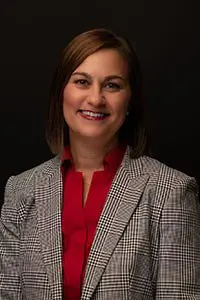
Courtney Bishop
Chief Executive Officer

Benjamin Nimmo, MD
Medical Director
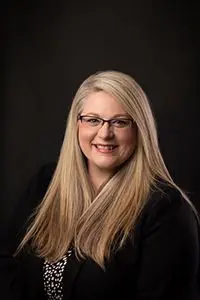
Nichole Simpkins
Chief Financial Officer
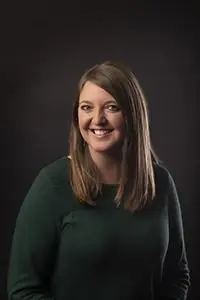
Jennifer Yarberry
Chief Nursing Officer
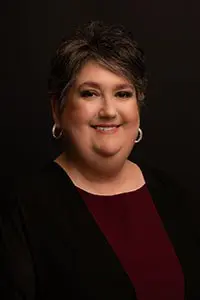
Elizabeth Phillips
Director Assessment and Referral

Jaymie Hopkins
Executive Director – The Pointe Outpatient Clinics

Angelica Brown
Director of Clinical Services
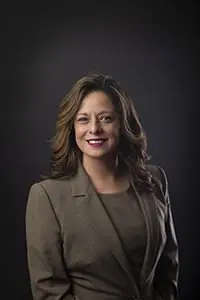
Lori Sander
Director of Human Resources
Accreditations

The Joint Commission, formerly known as JCAHO, is a nonprofit organization that accredits rehab organizations and programs. Founded in 1951, the Joint Commision's mission is to improve the quality of patient care and demonstrating the quality of patient care.
Joint Commission Accreditation: Yes

State Licenses are permits issued by government agencies that allow rehab organizations to conduct business legally within a certain geographical area. Typically, the kind of program a rehab facility offers, along with its physical location, determines which licenses are required to operate legally.
State License: Arkansas
Rehab.com regularly reviews this listing for accuracy but changes may occur between updates. For the most up-to-date information, please contact Pinnacle Pointe Behavioral Healthcare System.
Contact Information

11501 Financial Centre Parkway, Little Rock, AR 72211
Get Help Now - 501-575-0717
Sponsored Helpline
Sponsored Helpline


