





























































































I came into recovery in 2009 the staff help in many ways with my addiction/depression I' am still going strong.thanks to God and Recovery Consultants of Atlanta Inc.
About Recovery Consultants of Atlanta Community Health Medical Clinic
Recovery Consultants of Atlanta Community Health Medical Clinic is a nonprofit in Decatur, Georgia, that is CARF accredited. The clinic was founded in 1999 by Metro Atlanta’s 12 Step and faith based recovery communities. They are dedicated to improving health and quality of life for underserved populations including the medically indigent and underinsured individuals. The clinic accepts major insurance, Medicare, Medicaid and private payments to ensure accessibility.
While some previous clients have noted limited appointment availability, clients praise the compassionate staff here.
Tailored Care for All
The clinic provides person centered services with a focus on substance use disorders, mental health and primary care. They provide outpatient addiction treatment that includes flexible therapy for alcoholism and drug addiction. This program will allow you to live at home while receiving care.
Men and women will be able to receive gender specific treatment. They also have tailored care for teens and intervention services to guide individuals into recovery.
Evidence based therapies like cognitive behavioral therapy will be paired with creative outlets such as art and music therapy to help foster emotional expression. The clinic also addresses co-occurring mental health disorders like depression and anxiety through behavioral health services that include psychiatric care and medication management.
Primary Care Available
I like that you will be able to receive primary care services. These services include assessments, screenings for cancer, cholesterol, HIV and hepatitis C, as well as treatment for acute and chronic conditions. They also have CLIA-waived lab testing and referrals to specialists.
Specialized Accessible Treatment
The homeless veteran reintegration program offers employment training and supportive services to enhance job readiness. Additional programs include HIV prevention, sexual health education, telemedicine, telepsychiatry and a mobile medical unit for community outreach.
Latest Reviews
I love the staff here this is where I been going to get my needs met!!!!
The best staff for my asthma and mental. My Dr. Mrs. Stephanie R listen to me. And the staff can tell over the phone if my mental health starting to creep in. So I thank you all. I truly do just for listings. And providing great care.
Great staff. Everyone is always pleasant. They always tend to my needs in a timely manner.

Rehab Score
 Our Methodology
Scoring is assigned by a proprietary system which helps surface key metrics that determine quality. The 10-point scale factors in categories such as operations, customer satisfaction, and trust metrics. Read Full Methodology

7 / 10
Gallery
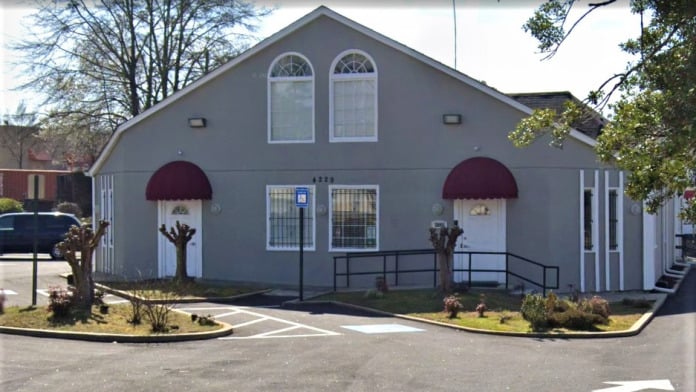
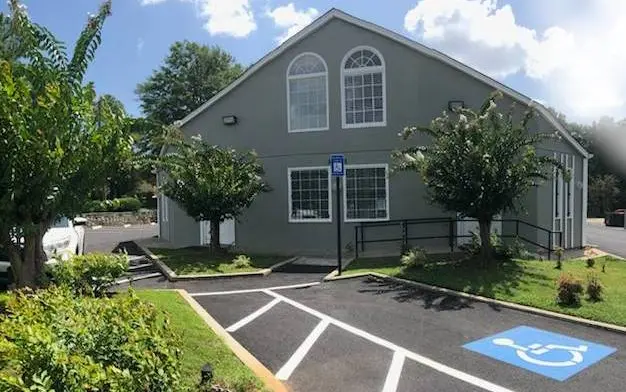
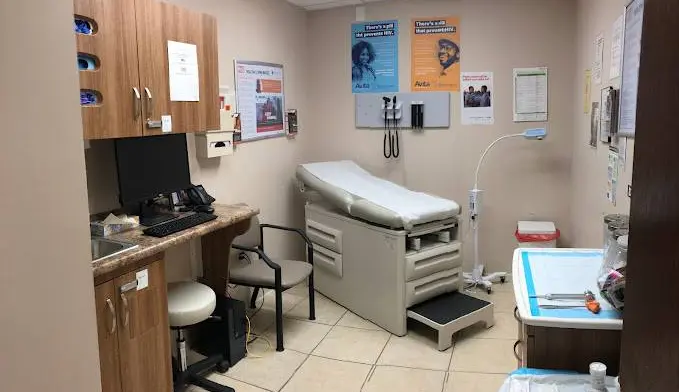
Accepted Insurance

Peach State Health Plan
Other Forms of Payment
Self-pay involves paying for treatment out of your own pocket. You can use savings or credit, get a personal loan, or receive help from family and friends to fund your treatment. If you don't have insurance or your insurance plan doesn't cover a specific program, self-pay can help ensure you still get the care you need.
Medicaid is a state based program that helps lower-income individuals and families pay for healthcare. Medicaid covers addiction treatment so those enrolled can use their coverage to pay for rehab. When a program accepts Medicaid the client often pays very little or nothing out of their own pocket.
Medicare is a federal program that provides health insurance for those 65 and older. It also serves people under 65 with chronic and disabling health challenges. To use Medicare for addiction treatment you need to find a program that accepts Medicare and is in network with your plan. Out of pocket costs and preauthorization requirements vary, so always check with your provider.
Addiction Treatments
Levels of Care
Outpatient Programs (OP) are for those seeking mental rehab or drug rehab, but who also stay at home every night. The main difference between outpatient treatment (OP) and intensive outpatient treatment (IOP) lies in the amount of hours the patient spends at the facility. Most of the time an outpatient program is designed for someone who has completed an inpatient stay and is looking to continue their growth in recovery. Outpatient is not meant to be the starting point, it is commonly referred to as aftercare.
A drug intervention in Georgia is designed to encourage an individual to get the treatment they need. This effort aims to break through resistance and motivate the individual to get help. The process typically involves loved ones sharing their concerns with the individual and how their substance use has affected those who care about them. A professional interventionist can help guide this conversation and explain from the clinical side how treatment can be beneficial.
Treatments
The goal of treatment for alcoholism is abstinence. Those with poor social support, poor motivation, or psychiatric disorders tend to relapse within a few years of treatment. For these people, success is measured by longer periods of abstinence, reduced use of alcohol, better health, and improved social functioning. Recovery and Maintenance are usually based on 12 step programs and AA meetings.
A quality drug rehab in Georgia can help you overcome addiction. This environment is designed to help you address the complex issues contributing to drug dependence. The goal of treatment is to give you the tools you need to make a full recovery.
Many of those suffering from addiction also suffer from mental or emotional illnesses like schizophrenia, bipolar disorder, depression, or anxiety disorders. Rehab and other substance abuse facilities treating those with a dual diagnosis or co-occurring disorder administer psychiatric treatment to address the person's mental health issue in addition to drug and alcohol rehabilitation.
Substance rehabs focus on helping individuals recover from substance abuse, including alcohol and drug addiction (both illegal and prescription drugs). They often include the opportunity to engage in both individual as well as group therapy.
Programs
Adult rehab programs include therapies tailored to each client's specific needs, goals, and recovery progress. They are tailored to the specific challenges adult clients may face, including family and work pressures and commitments. From inpatient and residential treatment to various levels of outpatient services, there are many options available. Some facilities also help adults work through co-occurring conditions, like anxiety, that can accompany addiction.
Young adulthood can be an exciting, yet difficult, time of transition. Individuals in their late teens to mid-20s face unique stressors related to school, jobs, families, and social circles, which can lead to a rise in substance use. Rehab centers with dedicated young adult programs will include activities and amenities that cater to this age group, with an emphasis on specialized counseling, peer socialization, and ongoing aftercare.
Clinical Services
While cognitive behavioral therapy in Georgia is unique for each person, this therapy follows a standard structure that has proven effective. Clients first learn about their substance use disorder, then learn and practice techniques such as coping, stress management, and resilience to change their thought and behavior patterns.
While each person is unique, the typical length for dialectical behavior therapy is six months to a year. You'll attend weekly hour long individual sessions with your therapist, as well as weekly group sessions. Homework between sessions often includes keeping a diary to track your emotions and behaviors. Your therapist uses this diary to guide the focus of each session.
When it is difficult to talk about feelings or challenges, creative arts therapy can provide an outlet to express your emotions and process the issues. A trained therapist will guide you in exploring your struggles through art forms such as dance, music, painting, or journaling.
In trauma therapy, you address the emotional and psychological effects of traumatic events in your life. Your therapist provides you with the tools you need to process those memories and reduce the symptoms. This helps improve your overall mental health and functioning.
During family therapy sessions in Georgia, members address the emotional toll that addiction has had on them. Therapists help your family develop coping strategies and improve the family unit's communication. This provides a stable environment that supports the recovery process.
In individual therapy, a patient meets one-on-one with a trained psychologist or counselor. Therapy is a pivotal part of effective substance abuse treatment, as it often covers root causes of addiction, including challenges faced by the patient in their social, family, and work/school life.
Group therapy is any therapeutic work that happens in a group (not one-on-one). There are a number of different group therapy modalities, including support groups, experiential therapy, psycho-education, and more. Group therapy involves treatment as well as processing interaction between group members.
The skills you learn in couples therapy are designed to help you successfully address relationship challenges as they arise. These skills can include anger management, conflict resolution, communication, and problem solving.
Staff & Accreditations
Staff
Maurice Reese
CEO
Accreditations

The Commission on Accreditation of Rehabilitation Facilities (CARF) is a non-profit organization that specifically accredits rehab organizations. Founded in 1966, CARF's, mission is to help service providers like rehab facilities maintain high standards of care.
CARF Accreditation: Yes
Rehab.com regularly reviews this listing for accuracy but changes may occur between updates. For the most up-to-date information, please contact Recovery Consultants of Atlanta Community Health Medical Clinic.
Contact Information

4229 Snapfinger Woods Drive
Decatur GA, 30035
Get Help Now - 470-866-4553
Sponsored Helpline
Sponsored Helpline



