





























































































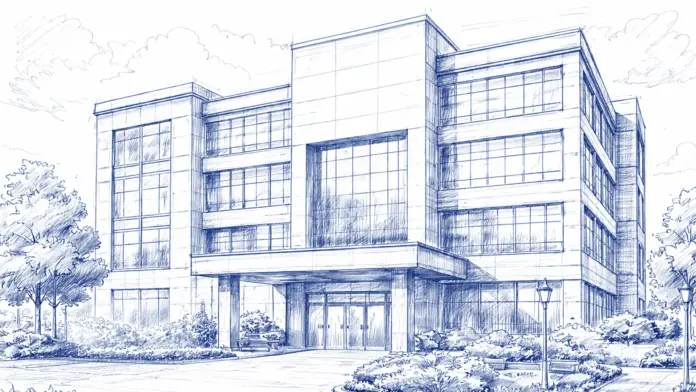
About Trinity Health IHA Medical Group, Recovery Medicine — Ann Arbor Campus
Trinity Health IHA Medical Group, Recovery Medicine — Ann Arbor Campus is an outpatient addiction treatment clinic in Ypsilanti, Michigan. They treat people of all ages at this clinic using medication assisted treatment. This is an inclusive clinic that proudly supports the needs of LGBTQ+ individuals.
Specializing in Integrated Care
The substance use disorder team at this location will work with your primary care provider to coordinate your treatment. That means the two groups will communicate your needs and any changes to your condition or treatment. This ensures all your providers are on the same page and can complement one another’s treatment with appropriate actions.
Integrated care supports more of your health than simply treating the symptoms of your addiction. It can also make your treatment more effective by incorporating more information about your physical health into your care.
Referrals to the Right Level of Care
This is an outpatient clinic, but that doesn’t mean they can’t help you if you need a higher level of care. Following an assessment, staff will refer you to a facility more appropriate for your level of addiction.
This location accepts Medicare and Medicaid, among other insurance plans.
Latest Reviews



Rehab Score
 Our Methodology


Location
Other Forms of Payment
Private insurance refers to any kind of healthcare coverage that isn't from the state or federal government. This includes individual and family plans offered by an employer or purchased from the Insurance Marketplace. Every plan will have different requirements and out of pocket costs so be sure to get the full details before you start treatment.
Self-pay involves paying for treatment out of your own pocket. You can use savings or credit, get a personal loan, or receive help from family and friends to fund your treatment. If you don't have insurance or your insurance plan doesn't cover a specific program, self-pay can help ensure you still get the care you need.
Medicare is a federal program that provides health insurance for those 65 and older. It also serves people under 65 with chronic and disabling health challenges. To use Medicare for addiction treatment you need to find a program that accepts Medicare and is in network with your plan. Out of pocket costs and preauthorization requirements vary, so always check with your provider.
Military members, veterans, and eligible dependents have access to specific insurance programs that help them get the care they need. TRICARE and VA insurance can help you access low cost or no cost addiction and mental health treatment. Programs that accept military insurance often have targeted treatment focused on the unique challenges military members, veterans, and their families face.
Medicaid is a state based program that helps lower-income individuals and families pay for healthcare. Medicaid covers addiction treatment so those enrolled can use their coverage to pay for rehab. When a program accepts Medicaid the client often pays very little or nothing out of their own pocket.
Addiction Treatments
Levels of Care
Clients receiving care at an outpatient rehab remain in their own homes and attend treatment as often as daily, depending on the level of need. Outpatient care generally consists of psychotherapy, addiction education, life skills training, and community reintegration support. Many outpatient treatment centers provide step-down care, including partial hospitalization (PHP), intensive outpatient (IOP), sober living, and standard outpatient services. Some outpatient rehabs also offer ambulatory medical detox and medication assisted treatment (MAT).
Clients in inpatient rehab reside at the treatment facility while engaging in intensive daily treatment. Inpatient care is primarily designed for clients leaving detox, those in early recovery, and those at an elevated risk of relapse. Clients participate in intensive addiction counseling, which may include group and family therapy as well as one-on-one sessions. Recovery-focused life skills training is also often prioritized. Many inpatient rehabs offer evidence-based complementary therapies, such as yoga, meditation, art therapy, and animal therapy.
During a medically supervised detox, addictive substances are removed from your body while under the 24/7 supervision of medical professionals in an inpatient environment. This is the safest way to wean your body off of addictive substances, since quitting alcohol or certain drugs (like opioids or benzodiazepines) can be dangerous if done on your own. The program typically lasts around 5-7 days, but is highly individualized depending on your needs.
Treatments
Mental health rehabs focus on helping individuals recover from mental illnesses like bipolar disorder, clinical depression, anxiety disorders, schizophrenia, and more. Mental health professionals at these facilities are trained to understand and treat mental health issues, both in individual and group settings.
Programs
Adult rehab programs include therapies tailored to each client's specific needs, goals, and recovery progress. They are tailored to the specific challenges adult clients may face, including family and work pressures and commitments. From inpatient and residential treatment to various levels of outpatient services, there are many options available. Some facilities also help adults work through co-occurring conditions, like anxiety, that can accompany addiction.
Young adulthood can be an exciting, yet difficult, time of transition. Individuals in their late teens to mid-20s face unique stressors related to school, jobs, families, and social circles, which can lead to a rise in substance use. Rehab centers with dedicated young adult programs will include activities and amenities that cater to this age group, with an emphasis on specialized counseling, peer socialization, and ongoing aftercare.
Serving in the military is both mentally and physically challenging, and can result in trauma that persists even after combat ends. Military programs are tailored to the specific and often complex needs of active duty personnel, veterans, and military families. Clients often access these programs through the U.S. Department of Veterans Affairs (VA).
Clinical Services
Cognitive Behavioral Therapy (CBT) is a therapy modality that focuses on the relationship between one's thoughts, feelings, and behaviors. It is used to establish and allow for healthy responses to thoughts and feelings (instead of unhealthy responses, like using drugs or alcohol). CBT has been proven effective for recovering addicts of all kinds, and is used to strengthen a patient's own self-awareness and ability to self-regulate. CBT allows individuals to monitor their own emotional state, become more adept at communicating with others, and manage stress without needing to engage in substance abuse.
Group therapy is any therapeutic work that happens in a group (not one-on-one). There are a number of different group therapy modalities, including support groups, experiential therapy, psycho-education, and more. Group therapy involves treatment as well as processing interaction between group members.
In individual therapy, a patient meets one-on-one with a trained psychologist or counselor. Therapy is a pivotal part of effective substance abuse treatment, as it often covers root causes of addiction, including challenges faced by the patient in their social, family, and work/school life.
During trauma therapy in Michigan, you are guided through traumatic memories within a safe and supportive environment. Your therapist then provides you with tools to process traumatic events and reduce the symptoms that occur when you're exposed to a trigger. This improves your overall mental health and ability to function in the community.
Whether a marriage or other committed relationship, an intimate partnership is one of the most important aspects of a person's life. Drug and alcohol addiction affects both members of a couple in deep and meaningful ways, as does rehab and recovery. Couples therapy and other couples-focused treatment programs are significant parts of exploring triggers of addiction, as well as learning how to build healthy patterns to support ongoing sobriety.
Research clearly demonstrates that recovery is far more successful and sustainable when loved ones like family members participate in rehab and substance abuse treatment. Genetic factors may be at play when it comes to drug and alcohol addiction, as well as mental health issues. Family dynamics often play a critical role in addiction triggers, and if properly educated, family members can be a strong source of support when it comes to rehabilitation.
To maintain a healthy and productive life, you need certain life skills. They help you make good decisions and build good relationships. Because they are key to long term recovery, most rehab programs in Michigan include integrated life skills training.
Recreational therapy helps to build healthy habits and discover new interests that can reduce your cravings and your exposure to alcohol and drug triggers. Activities may include physical fitness, gardening, group games, and team sports. These promote relaxation, improve your mood, and encourage social interaction. Each of these is crucial to sustain long term recovery.
Amenities
-
 Private Rooms
Accreditations

The Joint Commission, formerly known as JCAHO, is a nonprofit organization that accredits rehab organizations and programs. Founded in 1951, the Joint Commision's mission is to improve the quality of patient care and demonstrating the quality of patient care.
Joint Commission Accreditation: Yes
Rehab.com regularly reviews this listing for accuracy but changes may occur between updates. For the most up-to-date information, please contact Trinity Health IHA Medical Group, Recovery Medicine — Ann Arbor Campus.
Contact Information


5333 McAuley Dr
Suite 5011
Ypsilanti, MI 48197
Sponsored Helpline


