




























































































I give them a 6 out of 10 review because even if I learned some things and recovered I am completely sure this is not a recovery that will last. I think their program has some things missing.
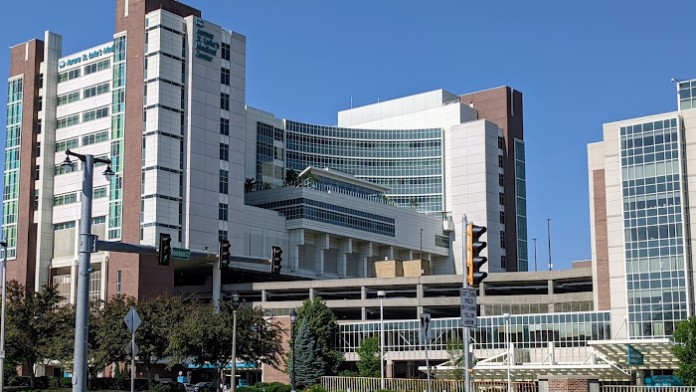
About Saint Lukes Medical Center – Behavioral Health
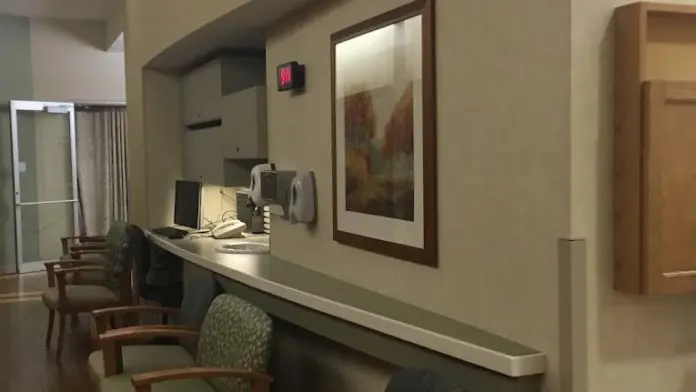
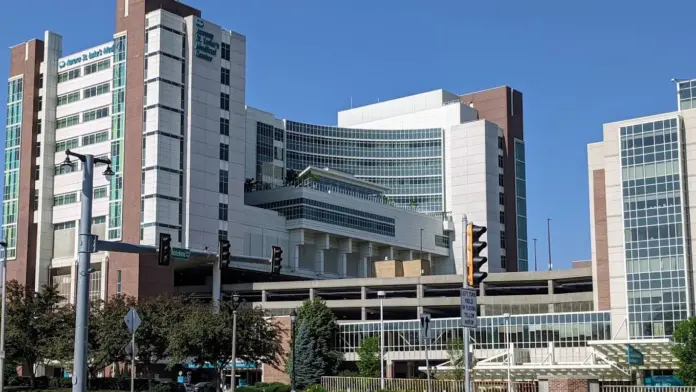
Saint Lukes Medical Center – Behavioral Health, located in Milwaukee, Wisconsin is a private alcohol and drug rehab that offers treatment for a variety of substance abuse addictions including co-occurring mental health disorders. They offer residential care providing long term support for addiction recovery, as well as flexible outpatient addiction therapy allowing patients to live at home while receiving regular treatment. Additional levels of care offered include intensive outpatient, relapse prevention, and 12-step therapy.
Specialty rehab programs at Saint Lukes Medical Center – Behavioral Health include tailored care focusing on women's specific needs and experiences, gender-specific addiction treatment addressing unique challenges faced by men, and age-appropriate treatment for teens addressing adolescent-specific issues.
Patients at Saint Lukes Medical Center – Behavioral Health will find the residential setting creates an immersive environment promoting full engagement in recovery away from daily triggers.
Latest Reviews
I was very satisfied with the nurses who explained everything. Thank you
Response from the owner5 months ago
Thanks for taking the time to acknowledge our team. We appreciate the kind review!
Absolutely disgusted with St. Lukes. My Mom is "being cared for" as she is in Inpatient Therapy. Its awful. Soooo many mistakes. Leaving her on the commode for too long, then leaving it dirty. Disgusting, unfriendly attitudes. Completely wrong food orders, almost every time. Long delays when calling for help. Almost always a different nurse or aid. Many of them act bothered when called. I'm sick that I have to leave her there. The difference in care giving between Aurora Summit Oconomowoc and Aurora St Lukes is ASTOUNDING.
Response from the owner5 months ago
Hi Cheryl, we take pride in the care we provide. We would like to look into the situation you’ve described; please reach out to us at AAH-ConsumerFeedback@aah.org. Thank you.
From my PC Dr. Bridget Halenda to my oncologist Dr. McGartland, to Dr. Demos and Dr. Bellini, who performed my cancer surgery they are all top-notch doctors I've never been very trusting of doctors but I had a great team behind me and I just feel very blessed that I had all of them having my best interests and in my corner, I felt very safe and confident in every one of their professions!!! They all literally saved my life!! Thanking them all will never be enough!! 🙏😊
Response from the owner5 months ago
Hello Michelle, thank you so much for taking the time to let us know how we're doing! Reviews like this mean so much to us. Take care! 
Rehab Score
 Our Methodology
Scoring is assigned by a proprietary system which helps surface key metrics that determine quality. The 10-point scale factors in categories such as operations, customer satisfaction, and trust metrics. Read Full Methodology

5.8 / 10
Gallery


Accepted Insurance

Quartz
Chorus Community Health Plan
Common Ground Healthcare
Cofinity
Prime Health Services
Community Care
MHS
PHCS (Private Healthcare Systems)
Trinity Health Network
Trilogy Health Solutions
WPS Health Solutions
Other Forms of Payment
Private insurance refers to any kind of healthcare coverage that isn't from the state or federal government. This includes individual and family plans offered by an employer or purchased from the Insurance Marketplace. Every plan will have different requirements and out of pocket costs so be sure to get the full details before you start treatment.
Self-pay involves paying for treatment out of your own pocket. You can use savings or credit, get a personal loan, or receive help from family and friends to fund your treatment. If you don't have insurance or your insurance plan doesn't cover a specific program, self-pay can help ensure you still get the care you need.
Financial aid can take many forms. Centers may have grants or scholarships available to clients who meet eligibility requirements. Programs that receive SAMHSA grants may have financial aid available for those who need treatment as well. Grants and scholarships can help you pai for treatment without having to repay.
Medicare is a federal program that provides health insurance for those 65 and older. It also serves people under 65 with chronic and disabling health challenges. To use Medicare for addiction treatment you need to find a program that accepts Medicare and is in network with your plan. Out of pocket costs and preauthorization requirements vary, so always check with your provider.
Medicaid is a state based program that helps lower-income individuals and families pay for healthcare. Medicaid covers addiction treatment so those enrolled can use their coverage to pay for rehab. When a program accepts Medicaid the client often pays very little or nothing out of their own pocket.
Military members, veterans, and eligible dependents have access to specific insurance programs that help them get the care they need. TRICARE and VA insurance can help you access low cost or no cost addiction and mental health treatment. Programs that accept military insurance often have targeted treatment focused on the unique challenges military members, veterans, and their families face.
Addiction Treatments
Levels of Care
Outpatient Programs (OP) are for those seeking mental rehab or drug rehab, but who also stay at home every night. The main difference between outpatient treatment (OP) and intensive outpatient treatment (IOP) lies in the amount of hours the patient spends at the facility. Most of the time an outpatient program is designed for someone who has completed an inpatient stay and is looking to continue their growth in recovery. Outpatient is not meant to be the starting point, it is commonly referred to as aftercare.
Inpatient rehab is designed to stabilize clients who are exiting detox or those who are in some form of crisis. They are an important preliminary step designed to prepare clients for outpatient, sober living, or community-based care. Clients live at the treatment center and engage in intensive addiction counseling. Group and family therapy is common. Many programs also emphasize recovery-focused life skills training to support clients' sustained sobriety. Some programs offer evidence-based holistic therapies, such as meditation.
Intensive outpatient programs (IOP) support clients' return to their community following inpatient treatment and may also offer an alternative to hospitalization for clients who are relatively stable following detox. Many intensive outpatient rehabs require clients to participate in a minimum of nine and a maximum of 20 treatment hours weekly. IOP services are also highly customizable and typically include a combination of addiction counseling, recovery-focused life skills training, medication assisted treatment (MAT), and holistic therapies such as meditation.
Rehab aftercare programs support clients' long-term recovery through highly customized wraparound care aligned with clients' evolving needs. Most have been sober for a period of weeks or longer and have completed intensive inpatient rehab but may be receiving outpatient care. Many clients also receive services after being discharged from formal treatment. Long-term care plans are typically developed in collaboration with the client's case manager and care team and may include peer coaching, relapse prevention, and related services.
12 step programs take a holistic approach to addiction recovery, combining peer support with personal spiritual growth. These programs prioritize regular attendance at 12 step meetings, which are free, anonymous, peer-led, and available day and night in most communities. Spiritual principles are invoked to help participants address the root causes of addiction, accept responsibility, and relinquish control over that which cannot be changed. Dedicated programs for specialized groups, such as youth and seniors, are common.
Medical detox involves weaning your body off drugs and/or alcohol in an inpatient setting, and is often the first step in addiction recovery. Quitting alcohol and certain drugs (like benzodiazepines or opioids) can cause dangerous side effects once you have become physically dependent. In medically assisted detox, a team of on-site healthcare professionals will work to keep you safe and comfortable during this process. Additionally, they may administer medications when needed to alleviate any withdrawal symptoms.
Treatments
Many of those suffering from addiction also suffer from mental or emotional illnesses like schizophrenia, bipolar disorder, depression, or anxiety disorders. Rehab and other substance abuse facilities treating those with a dual diagnosis or co-occurring disorder administer psychiatric treatment to address the person's mental health issue in addition to drug and alcohol rehabilitation.
Mental health rehabs focus on helping individuals recover from mental illnesses like bipolar disorder, clinical depression, anxiety disorders, schizophrenia, and more. Mental health professionals at these facilities are trained to understand and treat mental health issues, both in individual and group settings.
Treatment for alcohol use disorder (AUD) is available in several formats and levels of care. The treatment process address various issues that contribute to a dependence on alcohol (often referred to as alcoholism). Alcohol rehab in Wisconsin provides the tools and supports you'll need to overcome AUD and maintain long-term sobriety.
The goal of drug rehab in Wisconsin is to address drug addiction as a complex issue that involves physical, mental, and relational aspects. During rehab, treatment focuses on each of these areas and gives you the tools you need to achieve and maintain sobriety.
 Opioid Addiction
Dual-diagnosis treatment programs in Wisconsin can provide substance abuse treatment for individuals facing addiction and co-occurring mental health disorders. You can usually find treatment to suit your individual needs, whether that is inpatient, outpatient, or day treatment. These programs utilize evidence-based therapies such as cognitive-behavioral therapy (CBT), dialectical behavior therapy (DBT), and mindfulness-based interventions to help you relearn new thought patterns, develop new coping strategies, and learn the skills to maintain recovery.
Programs
Adult rehab programs include therapies tailored to each client's specific needs, goals, and recovery progress. They are tailored to the specific challenges adult clients may face, including family and work pressures and commitments. From inpatient and residential treatment to various levels of outpatient services, there are many options available. Some facilities also help adults work through co-occurring conditions, like anxiety, that can accompany addiction.
Young adulthood can be an exciting, yet difficult, time of transition. Individuals in their late teens to mid-20s face unique stressors related to school, jobs, families, and social circles, which can lead to a rise in substance use. Rehab centers with dedicated young adult programs will include activities and amenities that cater to this age group, with an emphasis on specialized counseling, peer socialization, and ongoing aftercare.
Nearly one million adults age 65 and older live with a substance use disorder. Treatment providers who specialize in senior care understand the social, psychological, and physical effects of aging and how they relate to recovery. They can help clients address particular challenges and risks they may face as they get older such as overdosing and medication interactions and dependencies.
Clinical Services
Cognitive Behavioral Therapy (CBT) is a therapy modality that focuses on the relationship between one's thoughts, feelings, and behaviors. It is used to establish and allow for healthy responses to thoughts and feelings (instead of unhealthy responses, like using drugs or alcohol). CBT has been proven effective for recovering addicts of all kinds, and is used to strengthen a patient's own self-awareness and ability to self-regulate. CBT allows individuals to monitor their own emotional state, become more adept at communicating with others, and manage stress without needing to engage in substance abuse.
Whether a marriage or other committed relationship, an intimate partnership is one of the most important aspects of a person's life. Drug and alcohol addiction affects both members of a couple in deep and meaningful ways, as does rehab and recovery. Couples therapy and other couples-focused treatment programs are significant parts of exploring triggers of addiction, as well as learning how to build healthy patterns to support ongoing sobriety.
Dialectical Behavior Therapy (DBT) is a modified form of Cognitive Behavioral Therapy (CBT), a treatment designed to help people understand and ultimately affect the relationship between their thoughts, feelings, and behaviors. DBT is often used for individuals who struggle with self-harm behaviors, such as self-mutilation (cutting) and suicidal thoughts, urges, or attempts. It has been proven clinically effective for those who struggle with out-of-control emotions and mental health illnesses like Borderline Personality Disorder.
Experiential therapy is a form of therapy in which clients are encouraged to surface and work through subconscious issues by engaging in real-time experiences. Experiential therapy departs from traditional talk therapy by involving the body, and having clients engage in activities, movements, and physical and emotional expression. This can involve role-play or using props (which can include other people). Experiential therapy can help people process trauma, memories, and emotion quickly, deeply, and in a lasting fashion, leading to substantial and impactful healing.
Research clearly demonstrates that recovery is far more successful and sustainable when loved ones like family members participate in rehab and substance abuse treatment. Genetic factors may be at play when it comes to drug and alcohol addiction, as well as mental health issues. Family dynamics often play a critical role in addiction triggers, and if properly educated, family members can be a strong source of support when it comes to rehabilitation.
Group therapy is any therapeutic work that happens in a group (not one-on-one). There are a number of different group therapy modalities, including support groups, experiential therapy, psycho-education, and more. Group therapy involves treatment as well as processing interaction between group members.
In individual therapy, a patient meets one-on-one with a trained psychologist or counselor. Therapy is a pivotal part of effective substance abuse treatment, as it often covers root causes of addiction, including challenges faced by the patient in their social, family, and work/school life.
Nicotine Replacement Therapy (NRT) is a way of getting nicotine into the bloodstream without smoking. It uses products that supply low doses of nicotine to help people stop smoking. The goal of therapy is to cut down on cravings for nicotine and ease the symptoms of nicotine withdrawal.
Nutrition therapy, aka medical nutrition therapy (MNT), is a way of treating physical, emotional, and medical conditions through diet. Specific dietary plans are designed by professional nutritionists or registered dietitians, and patients follow them in order to positively affect their physical and mental health.
Trauma therapy addresses traumatic incidents from a client's past that are likely affecting their present-day experience. Trauma is often one of the primary triggers and potential causes of addiction, and can stem from child sexual abuse, domestic violence, having a parent with a mental illness, losing one or both parents at a young age, teenage or adult sexual assault, or any number of other factors. The purpose of trauma therapy is to allow a patient to process trauma and move through and past it, with the help of trained and compassionate mental health professionals.
Amenities
-
 Residential Setting
Staff
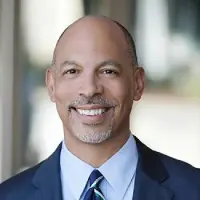
Eugene A. Woods
CEO
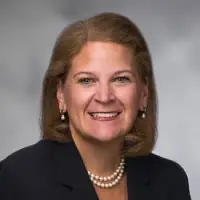
Bobbie Byrne, MD, MBA; EVP
CIO

Brad Clark, EVP
CFO
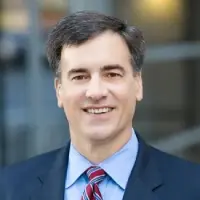
Ken D. Haynes, MSHA, MBA, FACHE
President

Carol A. Lovin, MHSA, MN; EVP
Chief of Staff & Chief Integration Officer
Contact Information

2900 West Oklahoma Avenue
Milwaukee, WI 53215
Get Help Now - 414-295-9478
Sponsored Helpline
Sponsored Helpline

