
























































































About Second Chance Counseling Center
Second Chance Counseling Center is located on Columbus Pike in Lewis Center, Ohio. They provide treatment for those struggling with co-occurring mental health issues and substance use disorder.
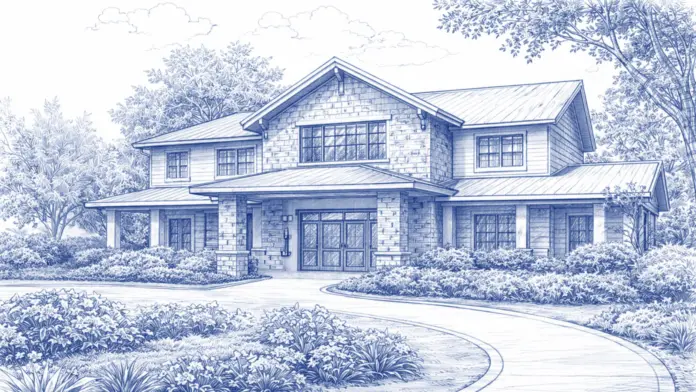
They are located in a residential-type facility with onsite parking for you and your family. They are located on Route 23, a main thoroughfare that can help you get to and from your treatment. You’ll find many natural landmarks nearby including Shale Hollow Park and Cross Creek Camping Resort.
Driver Intervention Program
I like that at Second Chance, they provide a driver intervention program that is certified by the Ohio Department of Mental Health and Addiction Services (ODMHAS). This program is offered at different schedules throughout the year.
They will provide you with education courses and treatment to address DUI/DWI convictions requiring court-mandate programs. The staff will make sure you meet all of your legal requirements.
Drug and Alcohol Assessments
Second Chance Counseling Center’s drug specialists also provide you with assessments to determine what level of severity your addiction may be at. This will help you in determining your next course of action for treatment and therapy and get you closer to meeting your wellness goals.
Facility Overview
 15 - 30
 Latest Reviews


Brett A. Froggatt, LCDC III, SAP, ICADC
Director of Clinical Operations
Bernard O'Reilly, LSW, LICDC-CS
Clinical Director

Brett A. Froggatt, LCDC III, SAP, ICADC
Director of Operations
Bernard O'Reilly, LSW, LICDC-CS
Clinical Director

Rehab Score
 Our Methodology


Location
Other Forms of Payment
Medicaid is a state based program that helps lower-income individuals and families pay for healthcare. Medicaid covers addiction treatment so those enrolled can use their coverage to pay for rehab. When a program accepts Medicaid the client often pays very little or nothing out of their own pocket.
Private insurance refers to any kind of healthcare coverage that isn't from the state or federal government. This includes individual and family plans offered by an employer or purchased from the Insurance Marketplace. Every plan will have different requirements and out of pocket costs so be sure to get the full details before you start treatment.
Addiction Treatments
Levels of Care
Intensive outpatient programs (IOP) are designed for clients who need frequent, high-level care but do not require, or choose to forgo, inpatient treatment. Most intensive outpatient rehabs offer a minimum of nine hours of treatment weekly, though clients may receive up to 20 hours of care as needed. These programs typically combine various treatment modalities, including individual, group, and family counseling, medication assisted treatment (MAT), addiction and recovery education, and evidence-based complementary therapies, such as acupuncture and massage.
Treatments
An alcohol use disorder (AUD), also commonly called alcoholism, can range from mild to severe. It involves compulsive consumption of alcohol and maladaptive patterns of drinking that lead to negative physical, social, and relational consequences. Diverse treatment programs are available for people with AUD. Mutual-support groups, medications, and behavioral treatments are provided through alcohol rehab in Ohio. If co-occurring disorders are present, it is important to receive treatment for both disorders.
Drug rehab in Ohio provides comprehensive treatment to address the physical and psychological needs of those struggling with substance use disorders. This may involve inpatient and/or outpatient care.
Programs
Adult rehab programs include therapies tailored to each client's specific needs, goals, and recovery progress. They are tailored to the specific challenges adult clients may face, including family and work pressures and commitments. From inpatient and residential treatment to various levels of outpatient services, there are many options available. Some facilities also help adults work through co-occurring conditions, like anxiety, that can accompany addiction.
Clinical Services
Individual therapy for drug and alcohol addiction treatment gives you a safe space to discuss your emotional, mental, and physical challenges. Your therapist will guide and support you as you collaborate to develop personalized strategies to manage your stress and navigate the challenges of your recovery.
Participants of group therapy sessions typically learn coping skills, communication techniques, and relapse prevention strategies. This unique set of skills helps you to navigate the challenges you find in the community and supports your long term sobriety.
Accreditations

State Licenses are permits issued by government agencies that allow rehab organizations to conduct business legally within a certain geographical area. Typically, the kind of program a rehab facility offers, along with its physical location, determines which licenses are required to operate legally.
State License: Ohio
Rehab.com regularly reviews this listing for accuracy but changes may occur between updates. For the most up-to-date information, please contact Second Chance Counseling Center.
Contact Information


6011 Columbus Pike Suite A, Lewis Center, OH 43035
Sponsored Helpline


