































































































I went to go to the detox program neva was properly detoxed was sent straight to css and after nine days i was discharged for being still dirty for fentanyl the staff all new that i was not taken care of right and waited til after hours to discharge me and o couldnt defend m ...
About Spectrum Health Systems, Inc.
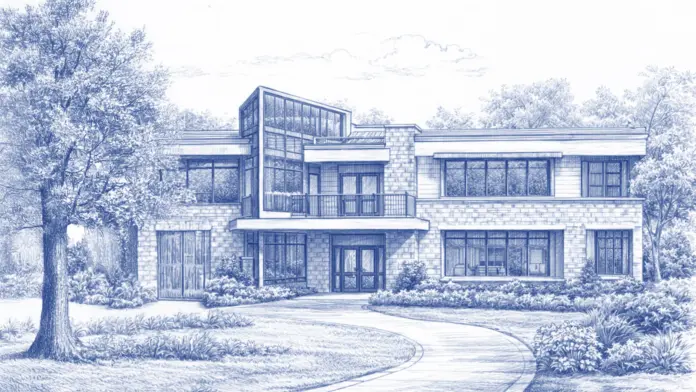
The center is accredited by CARF. If you’re wondering about payment, the center accepts insurance from many providers. They also take Medicare Part B and Medicaid. There’s also a sliding fee schedule based on your income and the size of your family. They don’t turn anyone away for an inability to pay.
They offer medical detox with 24 hour nursing supervision. They can help you detox from opioids, alcohol, or whatever substance you’ve been using. They’ll give you medication to help ease the worst withdrawal symptoms. While in detox, you’ll begin preparing for the next part of your recovery.
This location also offers clinical stabilization. This is a short term inpatient (IP) program. You’ll have an assessment and participate in individual and group counseling. You’ll prepare a continuing care plan and decide what your next step will be for your recovery process.
After detox, if appropriate, you’ll move to a residential treatment program. This is a longer program than the clinical stabilization program and is gender specific to address men’s and women’s unique needs. The schedule is structured and you’ll participate in different therapy modalities. These include family, group, and individual counseling.
There are also recovery groups and relapse prevention training. You’ll have time for recreational activities since exercise is an important part of recovery.
While in the program, you’ll work on developing a continuing care plan. Having a plan is important to help you maintain sobriety after discharge. The length of stay in the residential program varies depending on your progress.
More than one former client felt that the center saved their lives. They mentioned that the staff was amazing and helped with little things, like cleaning a jacket.
Facility Overview
 200
200 Number of Available Beds
 31 - 60
 Avg Length of Stay in Days
Latest Reviews
It’s all about your mindset. I’ve been here multiple times and they’ve helped me a lot. Miranda, Greg, and a few other names are the best. This place really is what you make of it! ❤️
This place is definitely worth looking into.. i stayed at the residential program long enough to make my lifes choices the right ones...the first few months isnt a picnic but it does get better and its worth your life so if your looking to better your life being sober this one is definitely worth it ....
Very nice place staff is very helpful and friendly! I know my daughter is in good shape! 😀
Response from the owner1 week ago
Thank you for your five-star review! We appreciate you sharing your opinion with others who may be seeking treatment for themselves or a loved one. 
Rehab Score
 Our Methodology
Scoring is assigned by a proprietary system which helps surface key metrics that determine quality. The 10-point scale factors in categories such as operations, customer satisfaction, and trust metrics. Read Full Methodology

6.7 / 10
Gallery
Accepted Insurance
Other Forms of Payment
Medicaid is a state based program that helps lower-income individuals and families pay for healthcare. Medicaid covers addiction treatment so those enrolled can use their coverage to pay for rehab. When a program accepts Medicaid the client often pays very little or nothing out of their own pocket.
Private insurance refers to any kind of healthcare coverage that isn't from the state or federal government. This includes individual and family plans offered by an employer or purchased from the Insurance Marketplace. Every plan will have different requirements and out of pocket costs so be sure to get the full details before you start treatment.
Self-pay involves paying for treatment out of your own pocket. You can use savings or credit, get a personal loan, or receive help from family and friends to fund your treatment. If you don't have insurance or your insurance plan doesn't cover a specific program, self-pay can help ensure you still get the care you need.
Financial aid can take many forms. Centers may have grants or scholarships available to clients who meet eligibility requirements. Programs that receive SAMHSA grants may have financial aid available for those who need treatment as well. Grants and scholarships can help you pai for treatment without having to repay.
Sliding scale payments are based on a client's income and family size. The goal is to make treatment affordable to everyone. By taking these factors into account, addiction recovery care providers help ensure that your treatment does not become a financial burden to you or your family, eliminating one barrier to care.
Medicare is a federal program that provides health insurance for those 65 and older. It also serves people under 65 with chronic and disabling health challenges. To use Medicare for addiction treatment you need to find a program that accepts Medicare and is in network with your plan. Out of pocket costs and preauthorization requirements vary, so always check with your provider.
Addiction Treatments
Levels of Care
Outpatient programs are designed for clients who are medically stable and not at an elevated risk of relapse, including those who have already completed inpatient care. Outpatient programs typically advance clients' established treatment plans, offering continuing addiction counseling and recovery education. Clients who enter outpatient care immediately following detox may also receive medical and mental health assessments and personalized treatment plans. Most outpatient rehabs provide multiple levels of care to align with clients' unique needs.
Inpatient rehab offers robust, hands-on care in a highly structured and supportive environment. The facility provides housing, meals, and round-the-clock supervision, allowing clients to focus exclusively on their recovery. Inpatient treatment typically involves intensive addiction counseling based on CBT, DBT, RBT, motivational interviewing, or other psychotherapeutic approaches. Many inpatient treatment centers also offer life skills training and/or complementary therapies, including meditation, mindfulness, and nutrition counseling.
Intensive outpatient programs (IOP) facilitate clients' sustained sobriety through high-level care aligned with their evolving needs. Clients engage in multiple treatment sessions per week, typically receiving between nine and 20 hours of outpatient care weekly. The frequency and intensity of treatment gradually decreases as clients stabilize. Many intensive outpatient rehabs offer a variety of services, including addiction counseling, recovery-focused life skills training, and medication assisted treatment (MAT). Evidence-based complementary therapies are also common.
Spectrum’s detoxification programs provide 24-hour medical supervision and compassionate nursing care to ensure safe withdrawal from alcohol, opioids and other substances. Medications are used to suppress withdrawal symptoms and make clients as comfortable as possible during detoxification. During this time, they work with each client to prepare them for the next step in the recovery process. Because addiction is a chronic disease, most individuals benefit from continued treatment to learn how to live drug-free and sustain their recovery over time.
Treatments
The goal of treatment for alcoholism is abstinence. Those with poor social support, poor motivation, or psychiatric disorders tend to relapse within a few years of treatment. For these people, success is measured by longer periods of abstinence, reduced use of alcohol, better health, and improved social functioning. Recovery and Maintenance are usually based on 12 step programs and AA meetings.
Addiction is a highly complex problem, and drug rehab in Massachusetts is often necessary to address it. These programs treat physical, mental, and relational issues that are involved. Treatment empowers individuals to manage these issues without the use of drugs.
Opioid rehabs specialize in supporting those recovering from opioid addiction. They treat those suffering from addiction to illegal opioids like heroin, as well as prescription drugs like oxycodone. These centers typically combine both physical as well as mental and emotional support to help stop addiction. Physical support often includes medical detox and subsequent medical support (including medication), and mental support includes in-depth therapy to address the underlying causes of addiction.
Substance rehabs focus on helping individuals recover from substance abuse, including alcohol and drug addiction (both illegal and prescription drugs). They often include the opportunity to engage in both individual as well as group therapy.
Programs
Adult rehab programs include therapies tailored to each client's specific needs, goals, and recovery progress. They are tailored to the specific challenges adult clients may face, including family and work pressures and commitments. From inpatient and residential treatment to various levels of outpatient services, there are many options available. Some facilities also help adults work through co-occurring conditions, like anxiety, that can accompany addiction.
Young adulthood can be an exciting, yet difficult, time of transition. Individuals in their late teens to mid-20s face unique stressors related to school, jobs, families, and social circles, which can lead to a rise in substance use. Rehab centers with dedicated young adult programs will include activities and amenities that cater to this age group, with an emphasis on specialized counseling, peer socialization, and ongoing aftercare.
Clinical Services
Experiential therapy is a form of therapy in which clients are encouraged to surface and work through subconscious issues by engaging in real-time experiences. Experiential therapy departs from traditional talk therapy by involving the body, and having clients engage in activities, movements, and physical and emotional expression. This can involve role-play or using props (which can include other people). Experiential therapy can help people process trauma, memories, and emotion quickly, deeply, and in a lasting fashion, leading to substantial and impactful healing.
Research clearly demonstrates that recovery is far more successful and sustainable when loved ones like family members participate in rehab and substance abuse treatment. Genetic factors may be at play when it comes to drug and alcohol addiction, as well as mental health issues. Family dynamics often play a critical role in addiction triggers, and if properly educated, family members can be a strong source of support when it comes to rehabilitation.
Group therapy is any therapeutic work that happens in a group (not one-on-one). There are a number of different group therapy modalities, including support groups, experiential therapy, psycho-education, and more. Group therapy involves treatment as well as processing interaction between group members.
In individual therapy, a patient meets one-on-one with a trained psychologist or counselor. Therapy is a pivotal part of effective substance abuse treatment, as it often covers root causes of addiction, including challenges faced by the patient in their social, family, and work/school life.
Nutrition therapy, aka medical nutrition therapy (MNT), is a way of treating physical, emotional, and medical conditions through diet. Specific dietary plans are designed by professional nutritionists or registered dietitians, and patients follow them in order to positively affect their physical and mental health.
Amenities
-
 Residential Setting
Staff & Accreditations
Staff
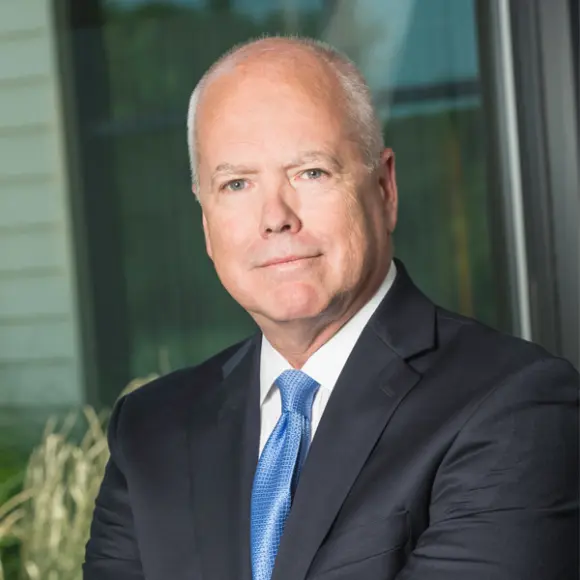
Kurt Isaacson, MBA
CEO
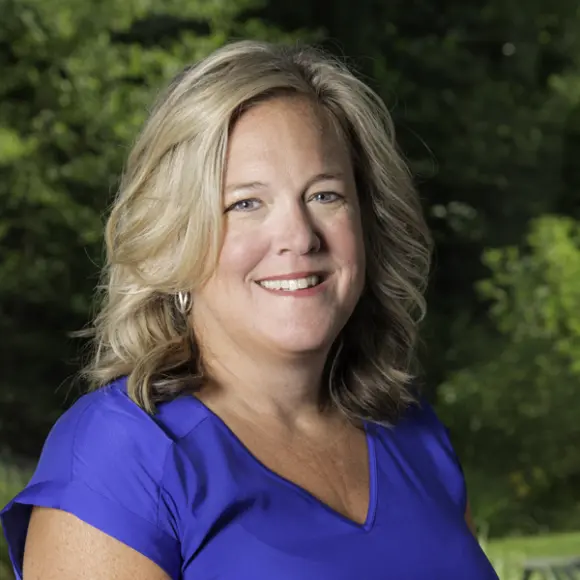
Kristin Nolan, MA, MBA
COO
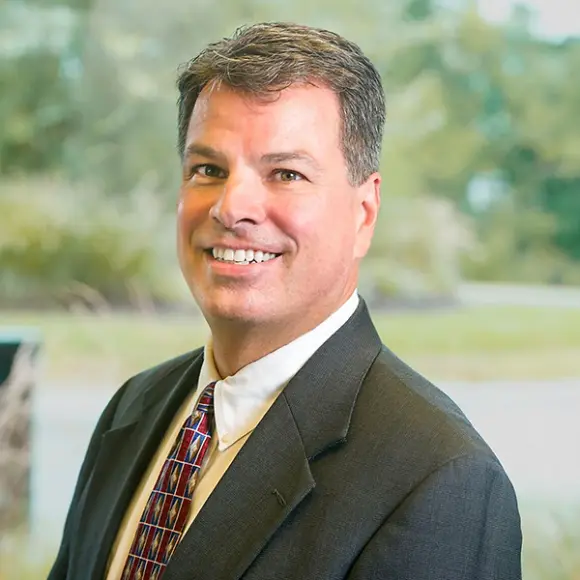
Joe Rose, CPA
CFO
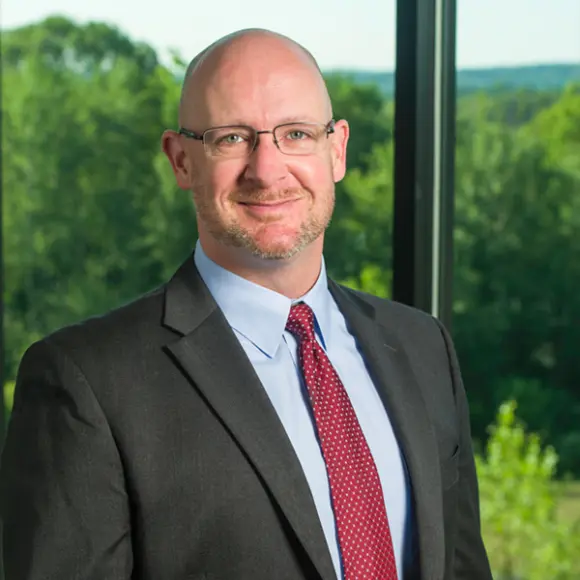
Jeffrey Baxter, MD
Chief Medical Officer
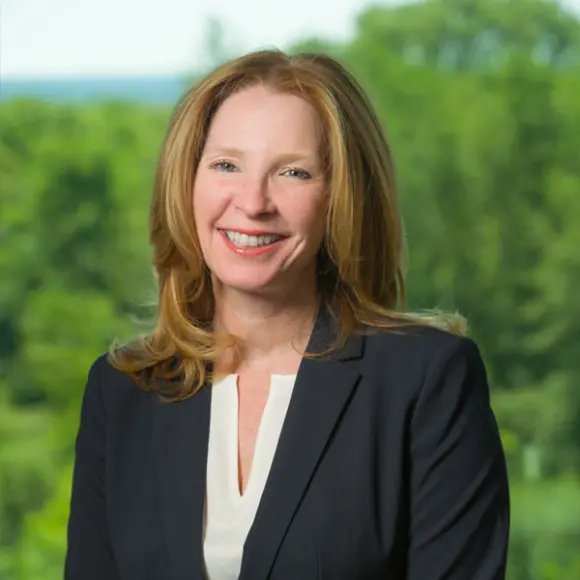
Stacy Flanagan
Chief Human Resources

Jonathan Miller
Chief Information Officer
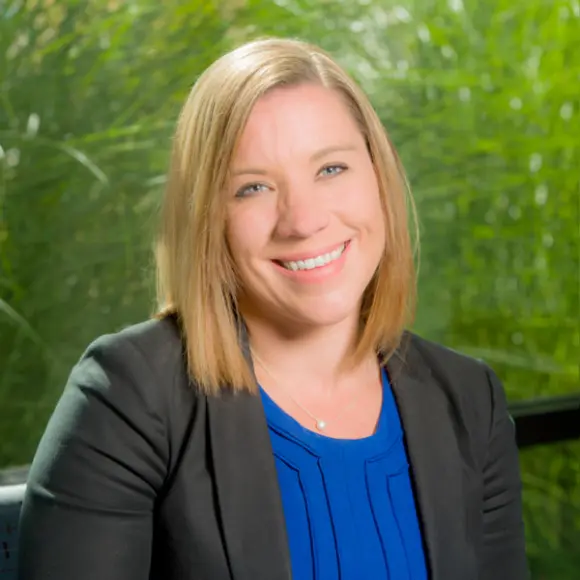
Lisa Blanchard, MA
CCO

Earl Warren, MBA
VP of Corrections
Accreditations

The Commission on Accreditation of Rehabilitation Facilities (CARF) is a non-profit organization that specifically accredits rehab organizations. Founded in 1966, CARF's, mission is to help service providers like rehab facilities maintain high standards of care.
CARF Accreditation: Yes

The Joint Commission, formerly known as JCAHO, is a nonprofit organization that accredits rehab organizations and programs. Founded in 1951, the Joint Commision's mission is to improve the quality of patient care and demonstrating the quality of patient care.
Joint Commission Accreditation: Yes
Rehab.com regularly reviews this listing for accuracy but changes may occur between updates. For the most up-to-date information, please contact Spectrum Health Systems, Inc..
Contact Information

155 Oak Street
Westborough, MA 01581
Get Help Now - 617-862-0388
Sponsored Helpline
Sponsored Helpline



