















































































































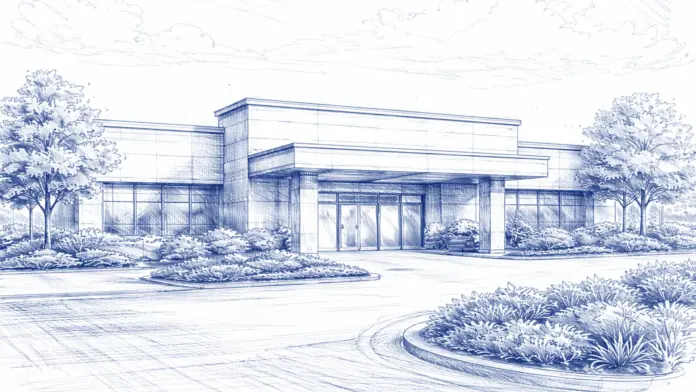
About Spring Hill Wellness NY: Outpatient Addiction Treatment Program Brooklyn, New York
Spring Hill Wellness NY is a certified and accredited outpatient addiction treatment program in Brooklyn, New York City. Support is provided to adults with substance abuse and concurrent mental health issues, including those who are under court orders for DWIs. Medicaid is accepted, along with other major insurance plans.
A Detox Center & Medication-Assisted Treatment (MAT) for Addiction
Begin your recovery journey with outpatient withdrawal management and detox services, all within a safe, secure, and clinically monitored environment. Clients benefit from medical supervision as they navigate this notoriously tricky phase of recovery, along with emotional support as you ride the waves of withdrawal.
Residential care isn’t offered, so more severe cases may be referred to other local facilities for more intensive care. For this reason, many clients might opt for the center’s detox services to individuals with a stable home life and routine, as well as solid support networks to lean on.
MAT is also provided here, both as part of the detox process as well as ongoing care. Access FDA-approved methadone, naltrexone, and buprenorphine, alongside behavioral therapy and counseling for a rounded, holistic approach to care. MAT can be particularly effective for alcohol dependence or opioid use disorder, since this approach is ideal for lessening cravings, preventing relapse, and generally stabilizing brain chemistry. Generally speaking, it’s one option for long-term recovery with treatments tailored to clients’ unique needs and goals.
Outpatient Drug Rehab Programming in NYC
The center’s intensive outpatient program (IOP) is a structured yet flexible program that provides participants with accountability, therapeutic support, and a reliable routine to help them stay on track with their recovery. Multilingual services are also available to better service New York’s diverse communities, with support provided in Spanish and other languages.
The facility also works with local city health organizations, clinics, and therapy groups like Williamsburg Therapy Group to provide optimal care and support.
Facility Overview
 15 - 30
Rehab Score
 Our Methodology


Location
Accepted Insurance

Other Forms of Payment
Medicaid is a state based program that helps lower-income individuals and families pay for healthcare. Medicaid covers addiction treatment so those enrolled can use their coverage to pay for rehab. When a program accepts Medicaid the client often pays very little or nothing out of their own pocket.
Private insurance refers to any kind of healthcare coverage that isn't from the state or federal government. This includes individual and family plans offered by an employer or purchased from the Insurance Marketplace. Every plan will have different requirements and out of pocket costs so be sure to get the full details before you start treatment.
Self-pay involves paying for treatment out of your own pocket. You can use savings or credit, get a personal loan, or receive help from family and friends to fund your treatment. If you don't have insurance or your insurance plan doesn't cover a specific program, self-pay can help ensure you still get the care you need.
Addiction Treatments
Levels of Care
Outpatient rehabs offer an intermediate level of care for clients who do not require the kind of intensive supervision and support an inpatient program typically provides. Many clients transition into outpatient care immediately after exiting inpatient treatment. Others enter outpatient programs upon completing detox. Some facilities offer ambulatory medical detox for clients who do not require hospitalization. Most outpatient rehabs offer a combination of services, including addiction counseling, life skills training, and medication assisted treatment (MAT).
Clients who enroll in an intensive outpatient program (IOP) are typically either in early recovery or are experiencing a crisis that increases their relapse risk. These programs promote clients' sustained sobriety through robust support, including multiple, extended care sessions per week. Intensive outpatient treatment often encompasses an array of services, including psychotherapy, recovery education, and evidence-based holistic therapies, such as acupuncture and meditation. Many outpatient rehabs also offer medication assisted treatment (MAT).
Treatments
Alcohol rehab in New York can help individuals overcome alcoholism. This alcohol addiction is characterized by drinking alcohol compulsively, being unable to control how much you drink, and feeling anxious or stressed when you're not drinking. Treatment for alcohol addiction may involve brief intervention, an outpatient program, or inpatient alcohol rehab in New York. The main goal of treatment is to stop alcohol use to improve quality of life.
When you choose drug rehab in New York, you'll participate in a variety of treatments that are designed to help you live a drug-free lifestyle. Common methods of treatment include group, individual, and family counseling, medication management, nutrition, exercise, and management of co-occurring mental health disorders.
 Opioid Addiction
In New York you'll find substance abuse treatment programs that can help you address your addiction, and any co-occurring mental health disorders. These programs utilize evidence-based therapies such as cognitive-behavioral therapy (CBT), dialectical behavior therapy (DBT), and psychodynamic approaches to help you achieve recovery and new tools to sustain it. With various treatment options available, including outpatient, inpatient, and residential programs, you'll be able to find the resources and right level of care you need to effectively treat your addiction.
Dual-diagnosis addiction treatment programs in New York provide complete and holistic care for individuals with co-occurring substance use disorders and mental health conditions. These specialized programs are available on an inpatient and outpatient basis, depending on your individual needs. Addiction experts at these facilities can treat both conditions at the same time using a combination of evidence-based therapies, individual counseling, recovery groups, educational workshops, and family support.
Clinical Services
Cognitive behavioral therapy (CBT) in New York is a short term therapeutic method used to treat substance use and mental health disorders. CBT typically lasts from five to 20 sessions, based on the individual's needs.
Accreditations

The Joint Commission, formerly known as JCAHO, is a nonprofit organization that accredits rehab organizations and programs. Founded in 1951, the Joint Commision's mission is to improve the quality of patient care and demonstrating the quality of patient care.
Joint Commission Accreditation: Yes
Contact Information


2990 Brighton 12th St, Brooklyn, NY 11235
Sponsored Helpline
