
 (888) 530-5023


























































































 Visit Website
  6
6 About The Freedom Center Maryland Drug & Alcohol Rehab – Gaithersburg
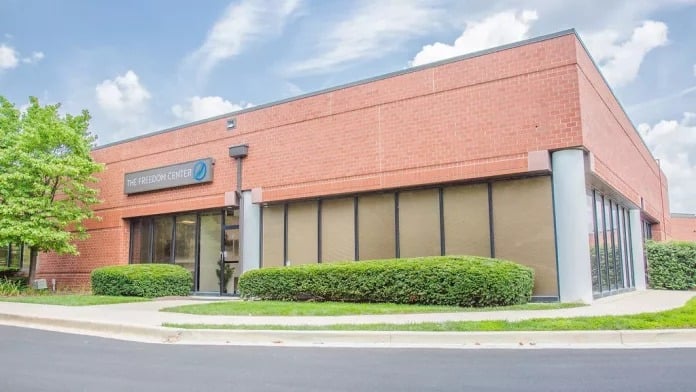
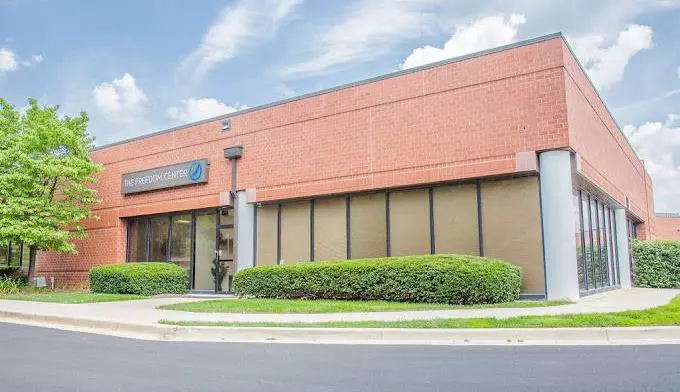
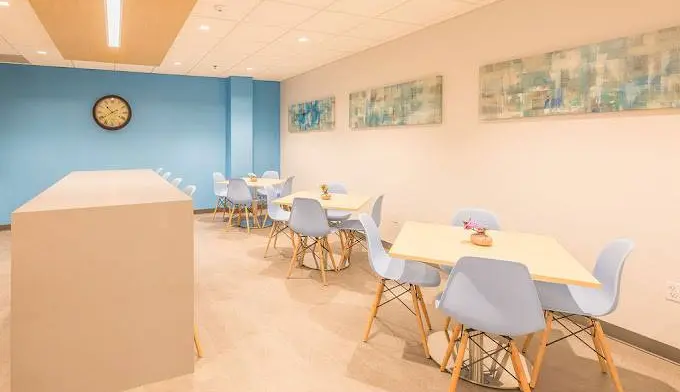
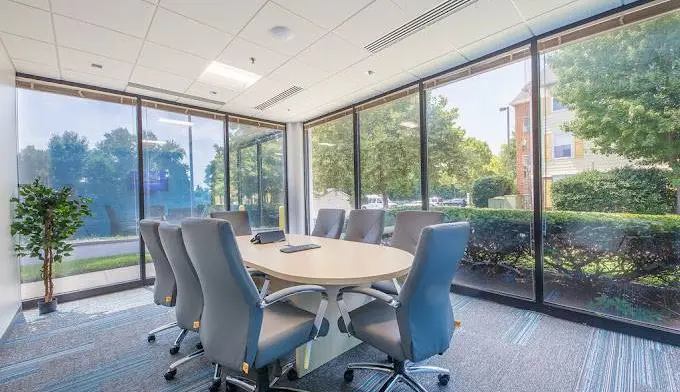
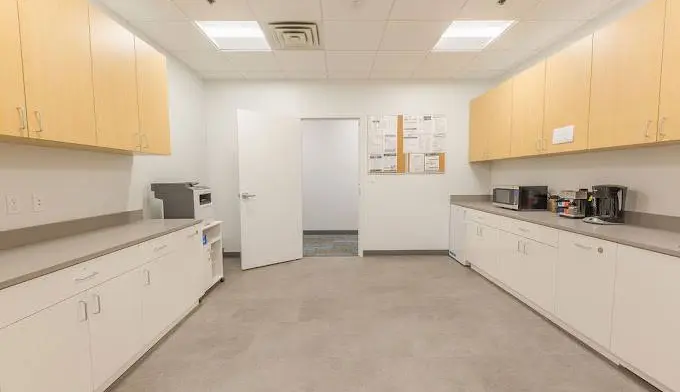
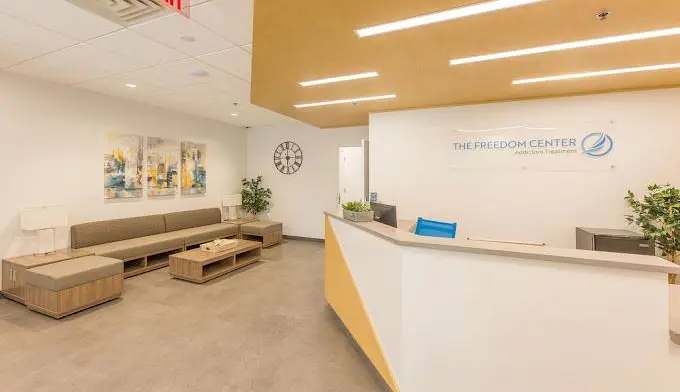
Their office combines a mixture of residential and clinical features. There’s a communal kitchen and dining hall, meeting spaces with plush furniture, and an activities room. The walls are painted in a clean white, but it might look a bit too medicinal for those who prefer a homey atmosphere.
When patients are assessed and a treatment plan is recommended, they’ll either be placed in the outpatient program, the intensive outpatient program or the partial hospitalization program. Each level of care varies based on the time commitment required. The parietal hospitalization program is ideal for clients who are either not ideal for inpatient rehab or are stepping down from rehab.
The intensive outpatient program is a step down from PHP and allows clients more time to do other things, such as school or work. The standard outpatient program is a good transition option for those almost ready to enter the aftercare plan.
All of these programs will feature individual and group counseling as a part of the treatment plan. The main therapeutic approaches that counselors use at this facility are cognitive (CBT) and dialectical behavioral therapy (DBT). In addition to these evidence based treatments, patients can receive holistic treatments such as animal assisted therapy, acupuncture and life skills development.
The Freedom Center accepts private and public insurance for payment and will work to find payment options for individuals who don’t have insurance.
Facility Overview
 $890
$890 Latest Reviews
See All



Rehab Score
 Our Methodology


Gallery
Accepted Insurance


Other Forms of Payment
Private insurance refers to any kind of healthcare coverage that isn't from the state or federal government. This includes individual and family plans offered by an employer or purchased from the Insurance Marketplace. Every plan will have different requirements and out of pocket costs so be sure to get the full details before you start treatment.
Self-pay involves paying for treatment out of your own pocket. You can use savings or credit, get a personal loan, or receive help from family and friends to fund your treatment. If you don't have insurance or your insurance plan doesn't cover a specific program, self-pay can help ensure you still get the care you need.
Sliding scale payments are based on a client's income and family size. The goal is to make treatment affordable to everyone. By taking these factors into account, addiction recovery care providers help ensure that your treatment does not become a financial burden to you or your family, eliminating one barrier to care.
Addiction Treatments
Levels of Care
Outpatient Programs (OP) are for those seeking mental rehab or drug rehab, but who also stay at home every night. The main difference between outpatient treatment (OP) and intensive outpatient treatment (IOP) lies in the amount of hours the patient spends at the facility. Most of the time an outpatient program is designed for someone who has completed an inpatient stay and is looking to continue their growth in recovery. Outpatient is not meant to be the starting point, it is commonly referred to as aftercare.
Inpatient rehab enables clients to focus exclusively on their recovery while living in a highly structured and supportive environment. Inpatient treatment is typically designed for clients who have just completed detox, are in early recovery, and/or are at an elevated risk of relapse. Their treatment generally involves intensive addiction counseling, including individual, group, and family counseling. Many inpatient rehabs also offer recovery-focused life skills training and/or holistic therapies, such as yoga, massage, and meditation.
Clients who are leaving inpatient rehab often choose to transition into an intensive outpatient program (IOP) to receive high-level support as they reintegrate into their home, workplace, and community. Intensive outpatient rehab also benefits those at risk of relapse. Clients typically participate in nine to 20 hours of treatment weekly, with modalities ranging from psychotherapy to addiction and recovery education. Many programs also provide medication assisted treatment (MAT) and complementary care, such as nutrition counseling, and acupuncture.
Clients receiving support in a rehab aftercare program typically partner with their case manager and care team to identify and access the services that best align with their recovery needs and goals. Rehab aftercare services are designed to evolve with clients' changing needs to promote their long-term sobriety. Care modalities are highly customized and may include a range of medical, mental health, and social service resources, including peer coaching, career counseling, and 12 step program induction.
12 step programs provide accessible peer coaching for participants at all stages of their recovery journey. Meetings are peer-led, anonymous, free, and available multiple times per day in most communities. Participants also receive one-on-one mentoring by a self-selected sponsor. 12 step recovery is based on spiritual principles, which enable participants to understand their disease, accept responsibility for their choices, and relinquish control over that which is unchangeable. Religious affiliation isn't required and specialized formats are available.
Most sober living homes in Maryland are located in peaceful, quiet neighborhoods. These private residences are designed to offer a low-stress but structured environment where residents can focus on their ongoing recovery efforts and receive support to maintain sobriety. Several individuals, all of whom are in recovery, share the halfway house. This type of communal living helps decrease relapse, increase employment rates, and helps individuals hone their recovery skills.
A partial hospitalization program (PHP) is a short-term form of intensive rehab, usually for those with acute symptoms that are hard to manage but don’t require 24-hour care. PHPs have structured programming (i.e. individual and/or group therapy), and usually meet 3-5 days a week for around 6 hours (i.e. 9am-3m). Some PHPs are residential (patients sleep on site) and some are not, so patients sleep at home. PHPs can last from 1-6 months, and some offer transportation and meals.
For intensive-level rehab treatment, 24-hour clinical care in Maryland is an essential tool. Medical staff are available around the clock to supervise the process, which involves cleansing the body of toxins. Close supervision is necessary due to the potential risks of withdrawal symptoms. Medical experts on-site are available to prescribe medications and other forms of treatment to address these symptoms and ensure a safe detox process.
Quitting drugs and alcohol on your own can cause uncomfortable and even dangerous side effects caused by the withdrawal process. In medically assisted detox, a team of licensed medical professionals will monitor your health, provide medication for potential withdrawal symptoms, and work to keep you safe and comfortable. Most people transition to an inpatient program or a maintenance program that uses medication assisted treatment (MAT).
Treatments
Mental health rehabs focus on helping individuals recover from mental illnesses like bipolar disorder, clinical depression, anxiety disorders, schizophrenia, and more. Mental health professionals at these facilities are trained to understand and treat mental health issues, both in individual and group settings.
Alcohol use disorder (AUD), commonly referred to as alcoholism, can be classified as mild, moderate, or severe. Each category involves unhealthy patterns of alcohol consumption and can cause harmful effects. To treat alcohol addiction at any level, alcohol rehab in Maryland is often necessary. These treatment programs provide psychological, social, and medical supports that help individuals overcome alcohol addiction and maintain long-term recovery.
Once a person has become addicted to a substance, drug rehab in Maryland is often necessary to overcome that addiction. These programs provide the tools individuals need to manage the physical, mental, and emotional issues involved and begin a successful recovery journey.
 Opioid Addiction
In Maryland, substance abuse treatment programs support individuals struggling with drugs or alcohol, and those who also have mental health conditions. These rehab programs vary, depending on the level of care you need. That might include inpatient rehab, or an outpatient program. Typically, substance abuse treatment includes evidence-based therapies such as cognitive-behavioral therapy (CBT), dialectical behavior therapy (DBT), recovery support meetings, and skills groups to equip you with new coping strategies when you leave rehab.
Maryland's addiction experts understand the importance of dual-diagnosis addiction treatment in their inpatient and outpatient recovery programs. Dual-diagnosis means having two mental health disorders at the same time, like addiction and depression. By treating individuals with co-occurring substance use disorders and mental health conditions simultaneously, they can enhance recovery outcomes and improve overall health, reducing the risk of relapse. Programs include evidence-based therapies, family counseling, recovery support groups, and skills training. Additional services may include medically assisted detox, 12-Step facilitation, equine therapy, complementary treatments, and alumni programs.
Programs
Adult rehab programs include therapies tailored to each client's specific needs, goals, and recovery progress. They are tailored to the specific challenges adult clients may face, including family and work pressures and commitments. From inpatient and residential treatment to various levels of outpatient services, there are many options available. Some facilities also help adults work through co-occurring conditions, like anxiety, that can accompany addiction.
Young adulthood can be an exciting, yet difficult, time of transition. Individuals in their late teens to mid-20s face unique stressors related to school, jobs, families, and social circles, which can lead to a rise in substance use. Rehab centers with dedicated young adult programs will include activities and amenities that cater to this age group, with an emphasis on specialized counseling, peer socialization, and ongoing aftercare.
Clinical Services
Cognitive Behavioral Therapy (CBT) is a therapy modality that focuses on the relationship between one's thoughts, feelings, and behaviors. It is used to establish and allow for healthy responses to thoughts and feelings (instead of unhealthy responses, like using drugs or alcohol). CBT has been proven effective for recovering addicts of all kinds, and is used to strengthen a patient's own self-awareness and ability to self-regulate. CBT allows individuals to monitor their own emotional state, become more adept at communicating with others, and manage stress without needing to engage in substance abuse.
Dialectical Behavior Therapy (DBT) is a modified form of Cognitive Behavioral Therapy (CBT), a treatment designed to help people understand and ultimately affect the relationship between their thoughts, feelings, and behaviors. DBT is often used for individuals who struggle with self-harm behaviors, such as self-mutilation (cutting) and suicidal thoughts, urges, or attempts. It has been proven clinically effective for those who struggle with out-of-control emotions and mental health illnesses like Borderline Personality Disorder.
Research clearly demonstrates that recovery is far more successful and sustainable when loved ones like family members participate in rehab and substance abuse treatment. Genetic factors may be at play when it comes to drug and alcohol addiction, as well as mental health issues. Family dynamics often play a critical role in addiction triggers, and if properly educated, family members can be a strong source of support when it comes to rehabilitation.
Group therapy is any therapeutic work that happens in a group (not one-on-one). There are a number of different group therapy modalities, including support groups, experiential therapy, psycho-education, and more. Group therapy involves treatment as well as processing interaction between group members.
In individual therapy, a patient meets one-on-one with a trained psychologist or counselor. Therapy is a pivotal part of effective substance abuse treatment, as it often covers root causes of addiction, including challenges faced by the patient in their social, family, and work/school life.
Trauma therapy addresses traumatic incidents from a client's past that are likely affecting their present-day experience. Trauma is often one of the primary triggers and potential causes of addiction, and can stem from child sexual abuse, domestic violence, having a parent with a mental illness, losing one or both parents at a young age, teenage or adult sexual assault, or any number of other factors. The purpose of trauma therapy is to allow a patient to process trauma and move through and past it, with the help of trained and compassionate mental health professionals.
Staff & Accreditations
Staff
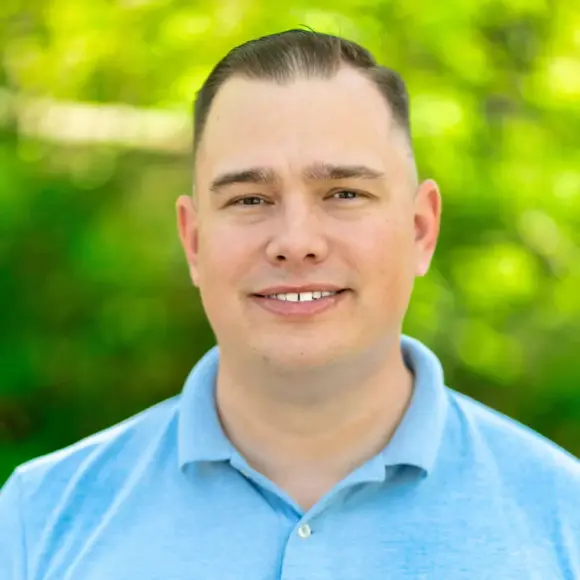
Corey Hassett
Executive Director, Co-Founder

James Scribner
Founder
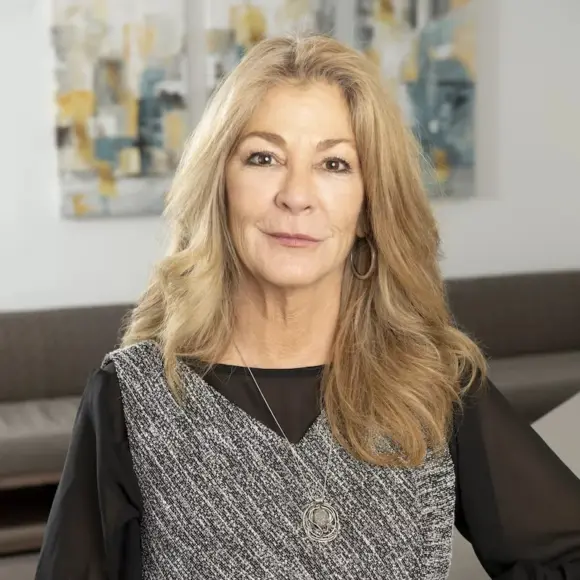
Judy Serfaty, LCPC, LPC, NCC
Clinical Director

Vanessa R. Hill, CAC-AD
Clinical Supervisor
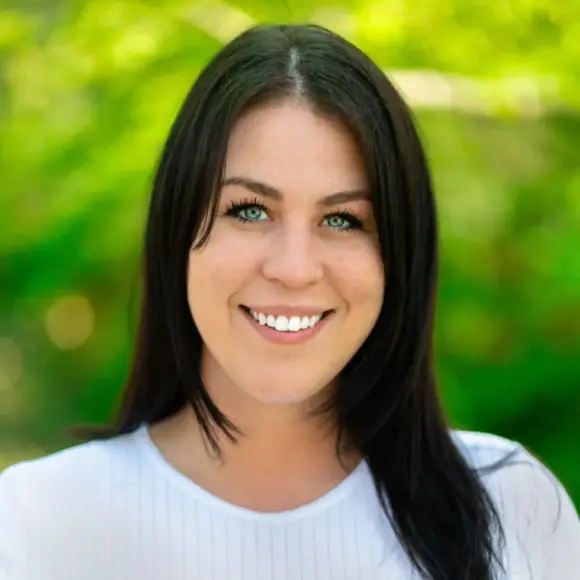
Sydney Tubbs
Operations Director
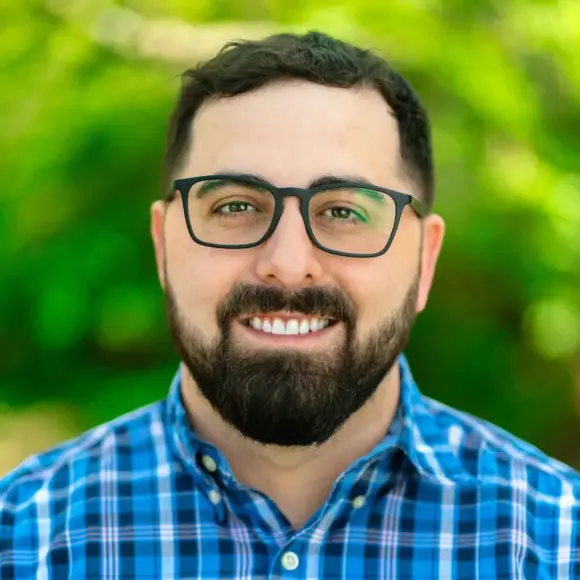
Michael Kirby, Director of Community Outreach
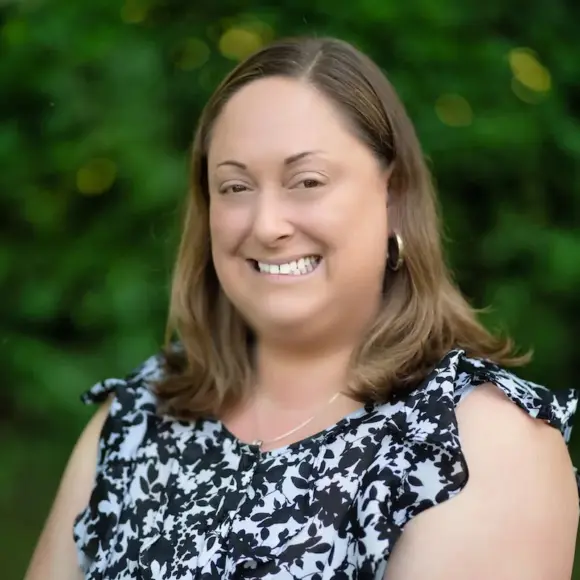
Erin Marks, M.S. CSC-AD, CPRS
Residential Program Director

Dr. Mark Illumanti, MD
Medical Director
Accreditations

LegitScript has reviewed The Freedom Center Maryland Drug & Alcohol Rehab – Gaithersburg as part of their certification program, and has determined that it meets the LegitScript standards for legality, safety and transparency.
LegitScript verified in October 2020

The Joint Commission, formerly known as JCAHO, is a nonprofit organization that accredits rehab organizations and programs. Founded in 1951, the Joint Commision's mission is to improve the quality of patient care and demonstrating the quality of patient care.
Joint Commission Accreditation: Yes


 View Website