





























































































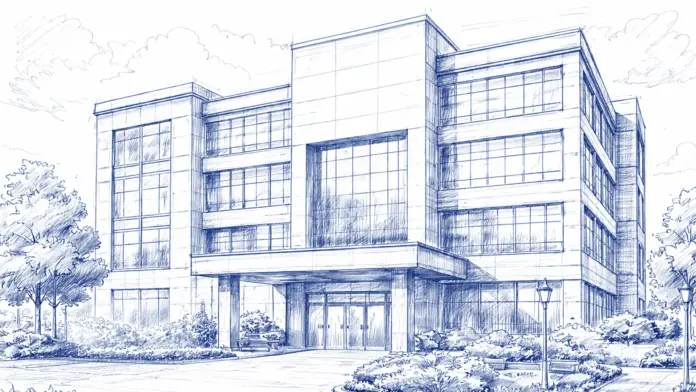
About TruHealing Riverbend
TruHealing Riverbend Recovery Center is a drug and alcohol rehab center located in Jeffersonville, Indiana. They offer substance abuse and alcohol addiction programs, medicated assisted treatment, and dual diagnosis treatment in a tight knit community where every individual has a plan personalized to their needs.
They provide varying levels of outpatient care from traditional outpatient programs to partial hospitalization. Former and current clients commend the center for the team of staff welcoming them with open arms. Clients reported feeling a sense of ease while going through recovery, and that the staff were warm and knowledgeable.
MAT Program
At TruHealing Riverbend, the medication assisted treatment (MAT) program uses FDA approved medications like suboxone, vivitrol, and naltrexone to treat opioid addiction and alcohol addiction. Medication combined with therapy can help support an individual beginning their recovery journey by reducing cravings and managing withdrawal symptoms.
Intensive Care Options
The highest level of care at TruHealing Riverbend is the partial hospitalization program (PHP). This program provides you with support five days a week but offers flexibility in your schedule when you’re not receiving treatment.
The PHP helps individuals dig deeper into the underlying facets of addiction with the use of evidence based therapies like cognitive behavioral therapy (CBT) and trauma therapy.
The intensive outpatient program (IOP) is a step down from PHP and focuses on developing a strong support system. You focus on group therapy, developing life skills, and relapse prevention. The goal is to help you gain important coping tools and develop a healthy and independent lifestyle that does not rely on drugs and alcohol.
Latest Reviews



Rehab Score
 Our Methodology


Location
Other Forms of Payment
Private insurance refers to any kind of healthcare coverage that isn't from the state or federal government. This includes individual and family plans offered by an employer or purchased from the Insurance Marketplace. Every plan will have different requirements and out of pocket costs so be sure to get the full details before you start treatment.
Self-pay involves paying for treatment out of your own pocket. You can use savings or credit, get a personal loan, or receive help from family and friends to fund your treatment. If you don't have insurance or your insurance plan doesn't cover a specific program, self-pay can help ensure you still get the care you need.
Addiction Treatments
Levels of Care
A partial hospitalization program (PHP) can provide intensive rehab on a short-term basis. While PHP treatment typically requires a commute, telehealth may be available. PHP treatment costs can vary but are often covered by most insurance. The program duration can vary to meet your specific needs and require you to meet for a minimum of 20 hours a week for an average of 90 days. PHP Treatment services often include relapse prevention strategies, medication management, individual and group counseling, and other behavioral therapy interventions.
Persons who require high-level support but who do not wish to leave their homes or communities may enroll in an intensive outpatient program (IOP). Clients typically commit to a minimum of nine treatment hours across three therapeutic sessions per week, but many programs offer up to 20 hours of care weekly. Most intensive outpatient rehabs provide a combination of psychotherapy, recovery education, and holistic care. Medication assisted treatment (MAT) is widely available for those in alcohol or opioid recovery.
If you need some flexibility and choice when it comes to your recovery, outpatient rehab programs are a great option because they do not require intensive inpatient treatment. Clients remain in their own homes and may continue to work or attend school while in active treatment. Outpatient treatment typically includes addiction counseling and continuing recovery education, including courses in self-care and relapse prevention. Medication assisted treatment (MAT) is available in many treatment centers for clients in opioid and/or alcohol recovery.
Treatments
If a person has alcohol use disorder (AUD), also referred to as alcoholism, they experience a desire or physical need to consume alcohol. A person with AUD may try to stop drinking but they are unsuccessful without professional help. Alcohol rehab in Indiana can provide the resources necessary to achieve and maintain recovery. Rehab programs typically involve a combination of medical, behavioral, and social supports to overcome alcohol addiction.
For long-term recovery from drug addiction, drug rehab in Indiana is often key. This treatment gives individuals who are struggling with a substance use disorder the tools to manage their disorder and achieve long-term sobriety.
 Opioid Addiction
Indiana provides substance abuse treatment programs for individuals with substance use disorders. With a range of care levels, including outpatient, inpatient, and partial hospitalization programs, you'll be able to find the right treatment for you. Programs usually include a substance abuse evaluation, evidence-based therapies such as cognitive-behavioral therapy (CBT), dialectical behavior therapy (DBT), and group therapy address substance abuse and enhance coping strategies. By offering personalized treatment plans and a supportive environment, these programs strengthen your ability to maintain your recovery.
In Indiana, dual-diagnosis addiction treatment programs address the unique needs of individuals with co-occurring substance use disorders and mental health conditions. Care levels include outpatient, inpatient, and partial hospitalization programs. Therapies like cognitive behavioral therapy, or dialectical behavioral therapy, trauma-informed therapy, and process groups address the co-occurring mental health disorders while achieving sobriety and promoting overall well-being. You'll also learn coping skills, relapse prevention strategies, and tools to enhance your relationships - all critical skills for long-term recovery.
Programs
Men face specific challenges and concerns when seeking addiction treatment. Gender-specific recovery programs help them tackle these issues head-on in an environment that's focused, targeted, and distraction-free. It also gives them the opportunity to connect with and learn from other men who have been through a similar journey and can offer support for the next step.
Rehabs for women provide a safe, nurturing space for female clients to heal. These treatment programs consider the specific obstacles that women can face during recovery and place a special emphasis on mental, social, physical, and reproductive health. They explore how each woman's experience has shaped the trajectory of their substance use, addressing issues such as sexual abuse and past trauma.
Adult rehab programs include therapies tailored to each client's specific needs, goals, and recovery progress. They are tailored to the specific challenges adult clients may face, including family and work pressures and commitments. From inpatient and residential treatment to various levels of outpatient services, there are many options available. Some facilities also help adults work through co-occurring conditions, like anxiety, that can accompany addiction.
Clinical Services
When you participate in cognitive behavioral therapy in Indiana, you'll learn to recognize distorted thinking that has led to substance use. Your therapist will help you establish new patterns of thinking and healthy ways to cope with challenges that don't involve substance use.
Individual dialectical behavior therapy (DBT) takes place in weekly, 60 minute sessions. You'll have homework to do, such as keeping a diary to track your emotions and actions. You'll also attend group sessions, which are intended to be skills practicing sessions. DBT in Indiana typically lasts six months to a year.
The goal of family therapy in Indiana is to empower family members to effectively support their loved one's recovery. Therapists work with family members to develop the skills needed to manage stress and resolve conflicts successfully. This fosters a positive environment that is conducive to long term sobriety.
Group therapy provides a unique experience for men and women to encounter a supportive environment where you can share your experiences and gain insight from your peers who understand your struggles. Group therapy improves your journey and helps promote sustainable recovery.
Motivational interviewing aims to stimulate the client's personal motivation and commitment to change. Rather than receive advice and warnings from the therapist, the client is given the opportunity to share their concerns and reach their own conclusions.
Accreditations

The Joint Commission, formerly known as JCAHO, is a nonprofit organization that accredits rehab organizations and programs. Founded in 1951, the Joint Commision's mission is to improve the quality of patient care and demonstrating the quality of patient care.
Joint Commission Accreditation: Yes
Rehab.com regularly reviews this listing for accuracy but changes may occur between updates. For the most up-to-date information, please contact TruHealing Riverbend.
Contact Information


202 E Maple St, Jeffersonville, IN 47130
Sponsored Helpline


