Indiana Center For Recovery – Alcohol & Drug Rehab Center – Bloomington
1
Top 10 Rehab Centers In Bloomington



















































































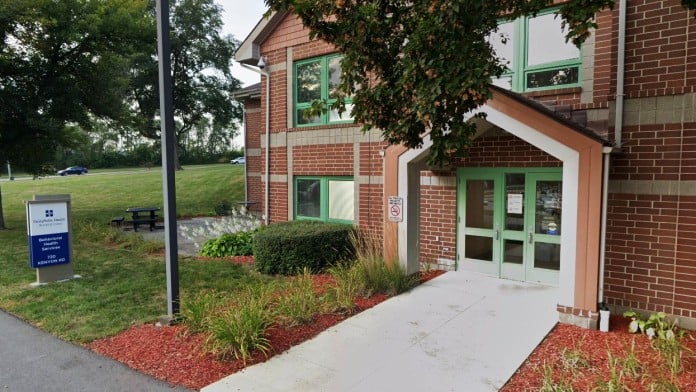
UnityPoint Health Berryhill Center is a comprehensive behavioral health and addiction treatment provider in Fort Dodge, Iowa, serving individuals throughout a ten county region. The facility offers outpatient and intensive outpatient programs for substance use disorders along with dual diagnosis care for co-occurring mental health conditions.
As a Certified Community Behavioral Health Center, Berryhill Center delivers evidence based and person centered services for children, adolescents, adults and seniors.
Individuals can access extended outpatient, standard outpatient and intensive outpatient treatment for substance use disorders. Medication management services are available and include telehealth appointments that increase flexibility and access to care.
Treatment includes individual and group counseling, relapse prevention planning and support for dual diagnosis needs. Therapeutic approaches such as CBT, DBT and motivational interviewing help individuals develop practical skills for long term recovery.

 Our Methodology


Private insurance refers to any kind of healthcare coverage that isn't from the state or federal government. This includes individual and family plans offered by an employer or purchased from the Insurance Marketplace. Every plan will have different requirements and out of pocket costs so be sure to get the full details before you start treatment.
Self-pay involves paying for treatment out of your own pocket. You can use savings or credit, get a personal loan, or receive help from family and friends to fund your treatment. If you don't have insurance or your insurance plan doesn't cover a specific program, self-pay can help ensure you still get the care you need.
Financial aid can take many forms. Centers may have grants or scholarships available to clients who meet eligibility requirements. Programs that receive SAMHSA grants may have financial aid available for those who need treatment as well. Grants and scholarships can help you pai for treatment without having to repay.
Sliding scale payments are based on a client's income and family size. The goal is to make treatment affordable to everyone. By taking these factors into account, addiction recovery care providers help ensure that your treatment does not become a financial burden to you or your family, eliminating one barrier to care.
Medicare is a federal program that provides health insurance for those 65 and older. It also serves people under 65 with chronic and disabling health challenges. To use Medicare for addiction treatment you need to find a program that accepts Medicare and is in network with your plan. Out of pocket costs and preauthorization requirements vary, so always check with your provider.
Medicaid is a state based program that helps lower-income individuals and families pay for healthcare. Medicaid covers addiction treatment so those enrolled can use their coverage to pay for rehab. When a program accepts Medicaid the client often pays very little or nothing out of their own pocket.
Military members, veterans, and eligible dependents have access to specific insurance programs that help them get the care they need. TRICARE and VA insurance can help you access low cost or no cost addiction and mental health treatment. Programs that accept military insurance often have targeted treatment focused on the unique challenges military members, veterans, and their families face.
Outpatient Programs (OP) are for those seeking mental rehab or drug rehab, but who also stay at home every night. The main difference between outpatient treatment (OP) and intensive outpatient treatment (IOP) lies in the amount of hours the patient spends at the facility. Most of the time an outpatient program is designed for someone who has completed an inpatient stay and is looking to continue their growth in recovery. Outpatient is not meant to be the starting point, it is commonly referred to as aftercare.
Clients in inpatient rehab reside at the treatment facility for the duration of the program, which may range from two weeks to more than 18 months, depending on unique needs and the program's design. Inpatient treatment typically consists of extensive addiction counseling, which may include CBT, DBT, RBT, and motivational interviewing. Clients may also engage in recovery-focused life skills training and/or evidence-based complementary therapies, such as massage, meditation, and experiential therapy.
Rehab aftercare programs support clients' reintegration into their home, workplace, and community following inpatient and residential treatment. They also promote long-term recovery for clients who may no longer be receiving outpatient treatment. Rehab aftercare services encompass a wide range of modalities and often include various medical, mental health, and social service programs. Case managers and care teams develop clients' customized service plans based on the client's evolving needs and recovery goals.
Many rehabs base their treatment models on 12 step programs, which are often considered a gold standard in addiction recovery. 12 step recovery prioritizes participants' spiritual development as a means to heal the emotional and psychological wounds that have contributed to the addiction. Participants engage in regular, peer-led group meetings, which are free, anonymous, and accessible 24 hours per day, 365 days a year in most communities. Though these programs are spiritually-grounded, religious affiliation isn't required.
Intervention services can help family members communicate effectively with each other and with the individual who is struggling with a substance use disorder. A professional interventionist addresses family dynamics that have worsened the situation or prevented the individual from seeking help. This expert can also help the family plan a drug intervention in Iowa. After the intervention, ongoing intervention services can help families in their own recovery, regardless of whether the individual chooses to enter treatment.
Commonly referred to as "day treatment," a partial hospitalization program (PHP) is a short-term, intensive rehab option that provides structured treatment for those who don't require 24-hour care. PHP treatment can also be used as an alternative to inpatient hospitalization or as a "step-down" option. Insurance coverage for PHP treatment varies. Typically, PHP treatment requires a minimum of 20 hours a week and lasts an average of 90 days. PHP treatment often includes relapse prevention strategies, medication management, individual and group therapy, and other behavioral therapy interventions.
In the addiction treatment process, detox is typically the initial stage of recovery, and it involves 24-hour clinical care in Iowa. During this process, you receive constant medical supervision as harmful substances are purged from your body. Medical staff may prescribe medications to treat withdrawal symptoms and allow you to safely and comfortably break free from physical dependence on the substance.
If you've become physically dependent on drugs or alcohol, quitting suddenly can cause very dangerous side effects. During a medically assisted detox, licensed medical professionals will monitor your vitals around the clock and provide medications if necessary to ensure you're as safe and comfortable as possible throughout this process.
Many of those suffering from addiction also suffer from mental or emotional illnesses like schizophrenia, bipolar disorder, depression, or anxiety disorders. Rehab and other substance abuse facilities treating those with a dual diagnosis or co-occurring disorder administer psychiatric treatment to address the person's mental health issue in addition to drug and alcohol rehabilitation.
Mental health rehabs focus on helping individuals recover from mental illnesses like bipolar disorder, clinical depression, anxiety disorders, schizophrenia, and more. Mental health professionals at these facilities are trained to understand and treat mental health issues, both in individual and group settings.
Adult rehab programs include therapies tailored to each client's specific needs, goals, and recovery progress. They are tailored to the specific challenges adult clients may face, including family and work pressures and commitments. From inpatient and residential treatment to various levels of outpatient services, there are many options available. Some facilities also help adults work through co-occurring conditions, like anxiety, that can accompany addiction.
Young adulthood can be an exciting, yet difficult, time of transition. Individuals in their late teens to mid-20s face unique stressors related to school, jobs, families, and social circles, which can lead to a rise in substance use. Rehab centers with dedicated young adult programs will include activities and amenities that cater to this age group, with an emphasis on specialized counseling, peer socialization, and ongoing aftercare.
Recovery is most successful when clients feel accepted and validated by their peers and treatment providers. Facilities that offer LGBTQ-inclusive programming are committed to creating a safe space where everyone can grow and recover without fear of judgment or discrimination. They will have dedicated policies in place to create a safe and supportive environment that fosters free expression.
Serving in the military is both mentally and physically challenging, and can result in trauma that persists even after combat ends. Military programs are tailored to the specific and often complex needs of active duty personnel, veterans, and military families. Clients often access these programs through the U.S. Department of Veterans Affairs (VA).
Cognitive Behavioral Therapy (CBT) is a therapy modality that focuses on the relationship between one's thoughts, feelings, and behaviors. It is used to establish and allow for healthy responses to thoughts and feelings (instead of unhealthy responses, like using drugs or alcohol). CBT has been proven effective for recovering addicts of all kinds, and is used to strengthen a patient's own self-awareness and ability to self-regulate. CBT allows individuals to monitor their own emotional state, become more adept at communicating with others, and manage stress without needing to engage in substance abuse.
Dialectical Behavior Therapy (DBT) is a modified form of Cognitive Behavioral Therapy (CBT), a treatment designed to help people understand and ultimately affect the relationship between their thoughts, feelings, and behaviors. DBT is often used for individuals who struggle with self-harm behaviors, such as self-mutilation (cutting) and suicidal thoughts, urges, or attempts. It has been proven clinically effective for those who struggle with out-of-control emotions and mental health illnesses like Borderline Personality Disorder.
Group therapy is any therapeutic work that happens in a group (not one-on-one). There are a number of different group therapy modalities, including support groups, experiential therapy, psycho-education, and more. Group therapy involves treatment as well as processing interaction between group members.
In individual therapy, a patient meets one-on-one with a trained psychologist or counselor. Therapy is a pivotal part of effective substance abuse treatment, as it often covers root causes of addiction, including challenges faced by the patient in their social, family, and work/school life.
During motivational interviewing in Iowa, the client and therapist collaborate to identify any discrepancies in the client's current situation and future goals. By asking open ended questions and using reflective listening skills, the therapist encourages the client to reach their own conclusions and make a commitment to any needed changes in their life.
Trauma therapy addresses traumatic incidents from a client's past that are likely affecting their present-day experience. Trauma is often one of the primary triggers and potential causes of addiction, and can stem from child sexual abuse, domestic violence, having a parent with a mental illness, losing one or both parents at a young age, teenage or adult sexual assault, or any number of other factors. The purpose of trauma therapy is to allow a patient to process trauma and move through and past it, with the help of trained and compassionate mental health professionals.
Whether a marriage or other committed relationship, an intimate partnership is one of the most important aspects of a person's life. Drug and alcohol addiction affects both members of a couple in deep and meaningful ways, as does rehab and recovery. Couples therapy and other couples-focused treatment programs are significant parts of exploring triggers of addiction, as well as learning how to build healthy patterns to support ongoing sobriety.
 Eye Movement Desensitization And Reprocessing
Research clearly demonstrates that recovery is far more successful and sustainable when loved ones like family members participate in rehab and substance abuse treatment. Genetic factors may be at play when it comes to drug and alcohol addiction, as well as mental health issues. Family dynamics often play a critical role in addiction triggers, and if properly educated, family members can be a strong source of support when it comes to rehabilitation.
Nutrition therapy, aka medical nutrition therapy (MNT), is a way of treating physical, emotional, and medical conditions through diet. Specific dietary plans are designed by professional nutritionists or registered dietitians, and patients follow them in order to positively affect their physical and mental health.
Specialists in creative arts therapy may incorporate methods such as cognitive therapies along with the arts to treat substance use disorders in Iowa. This combination of talk therapy and expressive therapy can be an effective way to help clients gain self discovery and begin the process of healing and recovery.
Nicotine replacement therapy in Iowa is designed to prevent relapse when you quit smoking. It is a short term treatment method that minimizes withdrawal symptoms and cravings. Always take your therapy at the recommended dose, and speak to your doctor if you're unsure which type is best for your needs.
 Private Transportation
  Residential Setting
  Private Rooms
 Chair
Vice Chair & CEO
Community Advocate
VP of Finance
Senior VP Director of Trust and Wealth Management

The Substance Abuse and Mental Health Services Administration (SAMHSA) is a branch of the U.S. Department of Health and Human Services. Established in 1992 by congress, SAMHSA's mission is to reduce the impact of substance abuse and mental illness on American's communities.
SAMHSA Listed: Yes
Rehab.com regularly reviews this listing for accuracy but changes may occur between updates. For the most up-to-date information, please contact UnityPoint Health – Berryhill Center.

720 Kenyon Road
Fort Dodge IA, 50501
Sponsored Helpline


I left this place years ago due to their negligent ways, but I was sent here as I tried to see Jamey at my hometown office. This morning my appointment was for 9am, and I called to let them know I would be a few minutes late. As I was just getting to the hospital road, they called and told me I couldn’t be seen, it was 9:03am. Last time I checked at any clinic, you’re okay to be up to 15 minutes late. This particular physician apparently allows only 5 minutes for being late, again, it was 9:03. I will never go here or attempt it EVER again. And the most honest thing you could tell your patients is that they’re just a profit to you, have the day you deserve🖤
 Back
Back
Sharing your insights and experiences can help others learn more about this rehab center.