





































 1

They provide awful inpatient services it is dirty they are mentally abusive. food it bad staff is rude and unhelpful. do not recommend if you are looking for good inpatient i recommend Lincon Trail Behavioral Heath in Radcliff KY
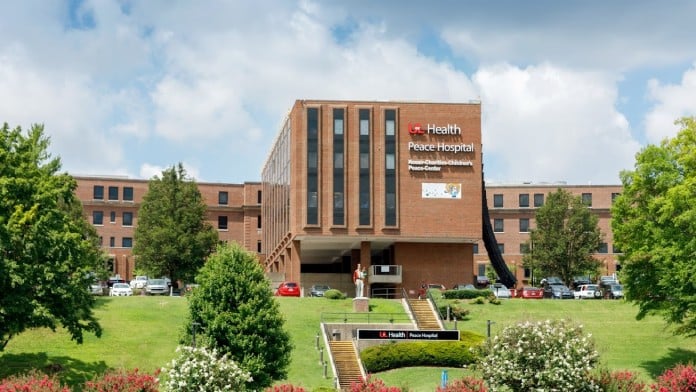
About UofL Health Peace Hospital
In Louisville, Kentucky, UofL Health Peace Hospital is a psychiatric hospital that provides drug and alcohol rehab. It has 363 licensed beds, 261 of which are operating. A therapist is assigned to each patient, and so is a case manager.
The hospital admits children, adolescents and adults, and its Kosair for Kids Children’s Peace Center provides youth inpatient behavioral health care.
Detox Therapies and Medication
Peace Hospital keeps medical detox on site, where patients with substance use disorders receive care. Patients take part in music, art and guided meditation, and licensed therapists lead the sessions.
Buprenorphine or Sublocade, medications for opioid use disorder, may be considered for a patient who is eligible. They are used to reduce cravings and ease withdrawal symptoms during treatment.
Adult intensive outpatient groups meet for three hours a day on four or five days a week, and telehealth is an option for that program. Medication management is available monthly for patients who request it.
Level-of-care assessments are available around the clock, and there is no charge for them. An Alcoholics Anonymous group meets at the hospital once each week.
Facility Overview
 261
Number of Available Beds

Rehab Score
 Our Methodology
Scoring is assigned by a proprietary system which helps surface key metrics that determine quality. The 10-point scale factors in categories such as operations, customer satisfaction, and trust metrics. Read Full Methodology

5.9 / 10
Gallery
Accepted Insurance
Other Forms of Payment
Medicaid is a state based program that helps lower-income individuals and families pay for healthcare. Medicaid covers addiction treatment so those enrolled can use their coverage to pay for rehab. When a program accepts Medicaid the client often pays very little or nothing out of their own pocket.
Private insurance refers to any kind of healthcare coverage that isn't from the state or federal government. This includes individual and family plans offered by an employer or purchased from the Insurance Marketplace. Every plan will have different requirements and out of pocket costs so be sure to get the full details before you start treatment.
Self-pay involves paying for treatment out of your own pocket. You can use savings or credit, get a personal loan, or receive help from family and friends to fund your treatment. If you don't have insurance or your insurance plan doesn't cover a specific program, self-pay can help ensure you still get the care you need.
Financial aid can take many forms. Centers may have grants or scholarships available to clients who meet eligibility requirements. Programs that receive SAMHSA grants may have financial aid available for those who need treatment as well. Grants and scholarships can help you pai for treatment without having to repay.
Medicare is a federal program that provides health insurance for those 65 and older. It also serves people under 65 with chronic and disabling health challenges. To use Medicare for addiction treatment you need to find a program that accepts Medicare and is in network with your plan. Out of pocket costs and preauthorization requirements vary, so always check with your provider.
Military members, veterans, and eligible dependents have access to specific insurance programs that help them get the care they need. TRICARE and VA insurance can help you access low cost or no cost addiction and mental health treatment. Programs that accept military insurance often have targeted treatment focused on the unique challenges military members, veterans, and their families face.
Addiction Treatments
Levels of Care
At discharge, a therapist or case manager develops a continuing care plan, and outpatient therapy can sit inside outpatient treatment.
A medical detox unit is on site for patients with a substance use disorder. That is where detox care happens at this hospital.
The intensive outpatient program for adults runs group therapy 3 hours a day, 4 or 5 days a week. Telehealth is available.
Inpatient services at Peace Hospital provide personalized treatment plans for children and adolescents with psychiatric and substance use challenges, including individual, family, and group therapy, along with expressive therapies and 24-hour nursing care.
The Innovations Program offers inpatient intervention for children and adolescents with behavioral and psychiatric symptoms related to intellectual and developmental disabilities, including Applied Behavior Analysis, occupational, and speech therapy.
The program incorporates 12-Step facilitation as part of a comprehensive treatment plan, including individual, family, and group therapy, to support recovery and relapse prevention for youth with substance use issues.
Post-treatment, the program provides personalized aftercare planning, individual and family therapy, and educational services to help children and adolescents maintain stability and reduce future hospitalization needs.
UofL Peace Hospital’s PHP offers structured daytime treatment with multidisciplinary staff, addressing mental health and substance use disorders through therapies like Cognitive Behavioral Therapy and medication management, supporting recovery in Louisville.
Modern telehealth options in Kentucky include teleconsultations and remote patient monitoring. A teleconsultation allows you to get advice from a physician via phone call or video call. Remote patient monitoring allows you to wear a sensor that transmits your health information to a healthcare provider.
Treatments
An Alcoholics Anonymous group meets on site one day a week, and a medical detox unit on site treats patients with a substance use disorder.
This facility provides outpatient drug addiction treatment with evidence-based modalities including Motivational Interviewing, Group Therapy, and medication-assisted treatment like Vivitrol and Suboxone. The program emphasizes relapse prevention and personalized care to support sustained recovery.
UofL Peace Hospital offers dual diagnosis treatment combining mental health and substance use disorder therapies. The program features Cognitive Behavioral Therapy, relapse prevention, and medication management, including Vivitrol, to address co-occurring conditions effectively.
The outpatient program integrates mental health and substance abuse treatment through Motivational Interviewing, group therapy, and medication options like Vivitrol. It aims to support adults in Louisville seeking comprehensive care for co-occurring disorders.
Specializing in opioid addiction recovery, Peace Hospital provides medication-assisted treatment with Vivitrol, Suboxone, and Sublocade, combined with therapy modalities such as Motivational Interviewing and relapse prevention to support safe opioid detox and ongoing recovery.
Programs
For adults, services include partial hospitalization, a long-acting injection clinic, inpatient care and intensive outpatient. No-charge assessments run 24/7.
The Young Adult Program offers intensive, multidisciplinary treatment for adolescents and young adults, including individual therapy, family involvement, and school-based services, to support behavioral health and substance use recovery.
UofL Peace Hospital provides specialized LGBTQ+ mental health and substance abuse treatment, including individual and family therapy, with a focus on inclusive, personalized care delivered by experienced child and adolescent psychiatrists.
The Military Program offers tailored mental health and substance use disorder treatment, including Motivational Interviewing, group therapy, and medication management like Vivitrol, designed to meet the unique needs of Louisville’s service members and veterans.
Clinical Services
Cognitive Behavioral Therapy (CBT) is a therapy modality that focuses on the relationship between one's thoughts, feelings, and behaviors. It is used to establish and allow for healthy responses to thoughts and feelings (instead of unhealthy responses, like using drugs or alcohol). CBT has been proven effective for recovering addicts of all kinds, and is used to strengthen a patient's own self-awareness and ability to self-regulate. CBT allows individuals to monitor their own emotional state, become more adept at communicating with others, and manage stress without needing to engage in substance abuse.
Creativity is inherently healing, and can help those in recovery express thoughts or feelings they might not otherwise be able to. Creative arts therapy can include music, poetry/writing, painting, sculpting, dance, theater, sandplay, and more. Unlike traditional art, the final product matters far less than the experience of creation and expression itself.
Dialectical Behavior Therapy (DBT) is a modified form of Cognitive Behavioral Therapy (CBT), a treatment designed to help people understand and ultimately affect the relationship between their thoughts, feelings, and behaviors. DBT is often used for individuals who struggle with self-harm behaviors, such as self-mutilation (cutting) and suicidal thoughts, urges, or attempts. It has been proven clinically effective for those who struggle with out-of-control emotions and mental health illnesses like Borderline Personality Disorder.
ECT is recognized by the National Institute of Mental Health as a successful treatment option for severe Depression, Bi-polar disorder and Schizophrenia. ECT can work quicker than psychotropic medications or traditional psychotherapy when other treatments have been unsuccessful. ECT is a safe and effective treatment. 80-85% of people have full remission of symptoms. ECT is a safe procedure with minimal side effects. Our Lady of Peace offers ECT on the Sts. Mary & Elizabeth campus. ECT is an outpatient procedure. They have staff that is dedicated to assist you from triage to recovery. The ECT team includes an anesthesiologist, a board certified psychiatrist, and a registered nurse.
Led by their Occupational Therapist their “Riding for Peace” Equine program is designed to address their patients many physical, occupational and sensory needs. Utilizing equine movement, their therapists provide patients with a multi-sensory experience that improves functional outcomes in the areas of physical gait and posture, sensory needs, social skill deficits and self-esteem.
Research clearly demonstrates that recovery is far more successful and sustainable when loved ones like family members participate in rehab and substance abuse treatment. Genetic factors may be at play when it comes to drug and alcohol addiction, as well as mental health issues. Family dynamics often play a critical role in addiction triggers, and if properly educated, family members can be a strong source of support when it comes to rehabilitation.
Group therapy is any therapeutic work that happens in a group (not one-on-one). There are a number of different group therapy modalities, including support groups, experiential therapy, psycho-education, and more. Group therapy involves treatment as well as processing interaction between group members.
In individual therapy, a patient meets one-on-one with a trained psychologist or counselor. Therapy is a pivotal part of effective substance abuse treatment, as it often covers root causes of addiction, including challenges faced by the patient in their social, family, and work/school life.
Life skills trainings involve all the skills a person must have in order to function successfully in the world. These include time management, career guidance, money management, and effective communication. Truly successful addiction recovery is based on the ability to not only live substance-free, but to thrive. Life skills teaches the practical necessities of functioning in society, which sets clients up for success in life, and therefore sobriety.
Motivational Interviewing (MI) is a clinical approach to helping people with substance abuse issues and other conditions shift behavior in positive ways. It is more goal-oriented than traditional psychotherapy, as MI counselors directly attempt to get clients to consider making behavioral change (rather than wait for them to come to conclusions themselves). Its primary purpose is to resolve ambivalence and help clients become able to make healthy choices freely.
Amenities
-
 Residential Setting
-
 Private Setting
Staff & Accreditations
Staff
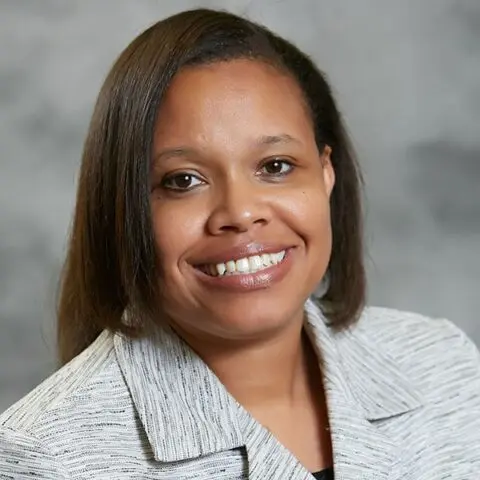
Aundrea Lewis, MBA, RN, NE-BC
CEO
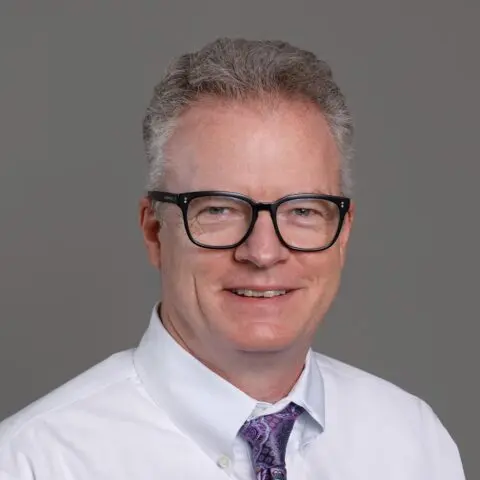
Stephen M. Taylor, MD
Chief Medical Officer
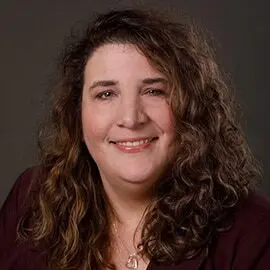
Kristina Koeppl, MSN, RN-BC
CNO
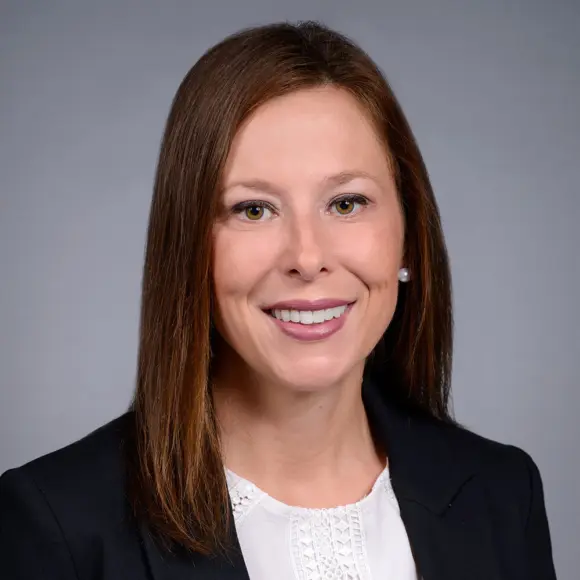
Abbey Roach, Ph.D
COO
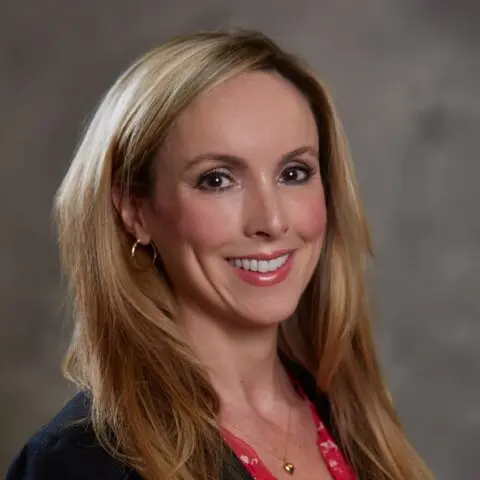
Kelly Gillooly, M.Ed, LCADC
System Director of Behavioral Health
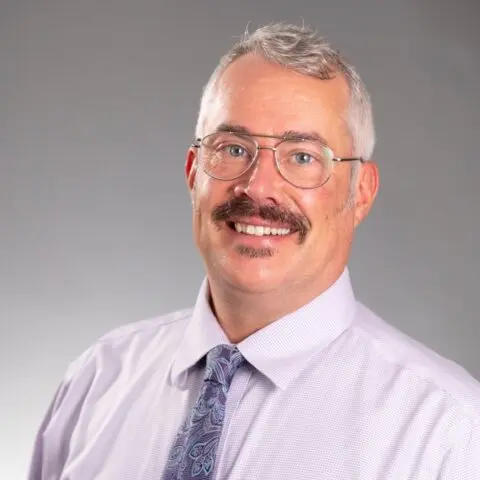
Michael Gosser, LCSW, LCADC
Director of Inpatient Behavioral Health Services
Shelby Ramos, BSN, RN
Director of Nursing
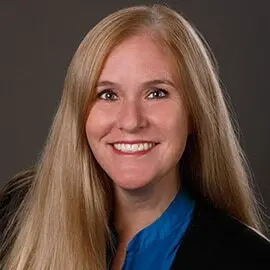
Amory Haley, LCSW
Director of Outpatient Behavioral Health Services
Accreditations

The Joint Commission, formerly known as JCAHO, is a nonprofit organization that accredits rehab organizations and programs. Founded in 1951, the Joint Commision's mission is to improve the quality of patient care and demonstrating the quality of patient care.
Joint Commission Accreditation: Yes
Rehab.com regularly reviews this listing for accuracy but changes may occur between updates. For the most up-to-date information, please contact UofL Health Peace Hospital.
Contact Information

2020 Newburg Road
Louisville, KY 40205
Get Help Now - 502-461-9007
Sponsored Helpline
Sponsored Helpline
