Our Rehab Score is designed to make it easier for you to find the best treatment centers. We combine overall ratings with recent feedback to create a score that reflects a center's quality right now.
8.16 / 10
1
Top 10 Rehab in Atchison
Rehab Score
Our Rehab Score is designed to make it easier for you to find the best treatment centers. We combine overall ratings with recent feedback to create a score that reflects a center's quality right now.
Our Rehab Score is designed to make it easier for you to find the best treatment centers. We combine overall ratings with recent feedback to create a score that reflects a center's quality right now.
8.16 / 10
1
Top 10 Rehab in Atchison
Rehab Score
Our Rehab Score is designed to make it easier for you to find the best treatment centers. We combine overall ratings with recent feedback to create a score that reflects a center's quality right now.
8.16 / 10
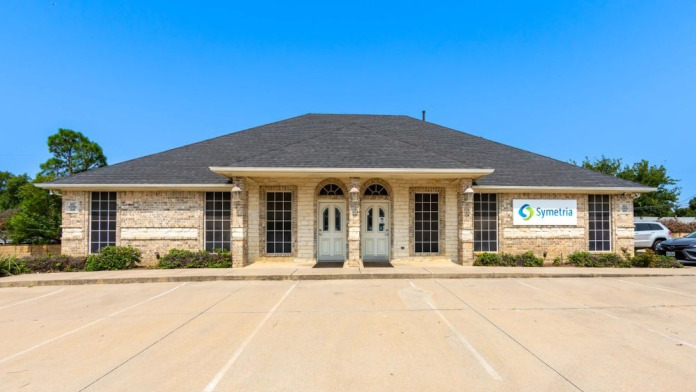
About Valley Hope of Atchinson
They’re reputed for compassionate and individualized residential care. This is coordinated by a team of clinical experts in a comfortable environment that supports healing and recovery. Their accreditation by the Joint Commission validates their commitment to quality care.
Their medical detox involves comprehensive assessment, stabilization and 24/7 monitoring by care experts. Depending on your personalized treatment planning, these experts may provide medication assisted treatment. This uses FDA approved medication alongside counseling and therapy to manage opioid and alcohol withdrawal. This ensures your detox is safe and effective.
Following detox, you’ll ideally continue your recovery journey with their inpatient care. This structured program integrates the 12 Step model with evidence based practices delivered in groups and individual sessions. It involves intensive therapeutic sessions with round the clock support from the care professionals. You’ll participate in over 40 hours of individual therapy, 12 Step sessions and group counseling. Addiction education is also provided. Emphasis is on developing effective coping and relapse prevention strategies as well as life skills that support your recovery. This encompasses stress management, effective communication and healthy decision-making.
The program also boasts a spiritual component. This ensures a whole person recovery that addresses the psychological, physical and spiritual aspects of addiction. Their case management services involve care coordination, ongoing recovery support and connection to community resources like housing and medical care. This forms part of their discharge planning or aftercare support. This facility offers return to work assistance and lifelong recovery through their strong alumni program. Overall comments from past clients indicate positive experiences.
Top notch facilities, great Staff, and all the care in the World for the Clients!
Response from the owner1 week ago
Thank you for your kind words, Thomas. We’re glad to hear you felt supported and cared for by our team. Providing compassionate, quality care is incredibly important to us, and we appreciate you taking the time to share your experience.
Saved my life. Is the best 30 days of my life I went from drinking 3 to 4 bottles of wine today to not drinking and being sober for nine years. Because of the fellowship and learning that I got from Vally Hope I have been achieving my sobriety and being the best that I can be, I can never thank them enough For the encouragement, fellowship and learning that Vally Hope gave me
Response from the owner1 week ago
Thank you for sharing your story, Vicki. We’re honored to hear that your time at Valley Hope made such a meaningful difference in your life. Choosing recovery takes tremendous courage, and we’re grateful to have been part of your journey. We wish you continued strength and success in the years ahead.
Scoring is assigned by a proprietary system which helps surface key metrics that determine quality. The 10-point scale factors in categories such as operations, customer satisfaction, and trust metrics. Read Full Methodology
8.2 / 10
Gallery
Accepted Insurance
Please contact to verify your specific insurance provider.
Valley Hope of Atchinson works with several private insurance providers, please contact to verify your specific insurance provider.
Private insurance refers to any kind of healthcare coverage that isn't from the state or federal government. This includes individual and family plans offered by an employer or purchased from the Insurance Marketplace. Every plan will have different requirements and out of pocket costs so be sure to get the full details before you start treatment.
Self-pay involves paying for treatment out of your own pocket. You can use savings or credit, get a personal loan, or receive help from family and friends to fund your treatment. If you don't have insurance or your insurance plan doesn't cover a specific program, self-pay can help ensure you still get the care you need.
Financial aid can take many forms. Centers may have grants or scholarships available to clients who meet eligibility requirements. Programs that receive SAMHSA grants may have financial aid available for those who need treatment as well. Grants and scholarships can help you pai for treatment without having to repay.
Military members, veterans, and eligible dependents have access to specific insurance programs that help them get the care they need. TRICARE and VA insurance can help you access low cost or no cost addiction and mental health treatment. Programs that accept military insurance often have targeted treatment focused on the unique challenges military members, veterans, and their families face.
Addiction Treatments
Levels of Care
Clients receiving treatment at an outpatient facility are often further along in their recovery journey than those in inpatient care, meaning they may require less intensive supervision and support. Outpatient services generally include addiction counseling, recovery education, and community reintegration support. Most outpatient rehabs offer evening, night, and weekend services to accommodate clients' needs. Clients who are in early recovery or are at an increased relapse risk may enroll in partial hospitalization (PHP) or intensive outpatient (IOP) programs.
Inpatient rehab offers intensive treatment and typically include round-the-clock clinical care. Inpatient treatment is designed primarily for clients exiting detox, those in early recovery, and those at an increased risk of relapse. Inpatient programs generally involve multiple addiction counseling sessions per week, which may include individual, group, and family counseling. Many inpatient rehabs also offer recovery-focused life skills training and evidence-based holistic therapies, such as meditation, massage, yoga, equine therapy, and experiential therapy.
Clients exiting detox, stepping down from inpatient rehab, or at an increased risk of relapse often enroll in intensive outpatient programs (IOP). These programs offer high-level support, including multiple therapeutic sessions per week. Clients typically receive between nine and 20 hours of treatment weekly. Intensive outpatient rehabs generally offer an array of services, including individual, group, and family counseling and recovery education. Medication assisted treatment (MAT) is widely available for those in alcohol and/or opioid recovery.
Clients in a rehab aftercare program typically have completed intensive inpatient treatment but may be receiving outpatient care. Many have concluded outpatient treatment as well and are in the maintenance phase of their recovery. Rehab aftercare services are designed to provide a full continuum of care as clients apply their recovery skills at home, in the workplace, and in the community. Clients typically receive peer coaching, career counseling, and 12 step recovery program induction, among other services.
12-step programs are addiction recovery models based on Alcoholics Anonymous (AA). A number of substance abuse programs (including some drug and alcohol rehab centers) use the 12 steps as a basis for treatment. Beginning steps involve admitting powerlessness over the addiction and creating a spiritual basis for recovery. Middle steps including making direct amends to those who've been hurt by the addiction, and the final step is to assist others in addiction recovery in the same way. 12-Step offshoots including Narcotics Anonymous (NA), Cocaine Anonymous (CA), Dual Recovery Anonymous (DRA), Sex and Love Addicts Anonymous (SLAA) and Gamblers Anonymous (GA).
A partial hospitalization program (PHP) offers short-term intensive rehab for those who don't require 24-hour care. Often known as "day treatment," a partial hospitalization program allows individuals to receive treatment during the day and return home in the evening. The duration of PHP treatment is flexible, allowing you to actively engage in daily 4-6 hour sessions, at least 5 days a week, for an average of 90 days. PHP treatment encompasses a range of evidence-based therapies and other behavioral therapy interventions.
At certain points in the recovery process, it's important to have support available 24/7. 24-hour clinical care offers a safe environment in which to recover from drug or alcohol addiction in peace, knowing medical detox and other treatment will happen with professionals on hand.
For patients dependent on alcohol or other drugs, medically monitored detoxification eases withdrawal in a safe, supportive environment. Detoxification usually lasts just a few days and is done under the supervision of doctors and nurses at their residential treatment centers. Each patient is given a complete physical including a lab profile and monitored 24/7 throughout the withdrawal period. When necessary, medications are used to reduce the severity of withdrawal symptoms. When detoxification is complete, patients can move on to the next phase in our continuum of care as a resident or outpatient.
Treatments
The goal of treatment for alcoholism is abstinence. Those with poor social support, poor motivation, or psychiatric disorders tend to relapse within a few years of treatment. For these people, success is measured by longer periods of abstinence, reduced use of alcohol, better health, and improved social functioning. Recovery and Maintenance are usually based on 12 step programs and AA meetings.
The length, intensity, setting, and treatment methods vary for each drug rehab in Kansas. Plans of care can be tailored to meet each person's own unique situation and needs. With the right program, individuals can successfully achieve long-term sobriety.
Opioid rehabs specialize in supporting those recovering from opioid addiction. They treat those suffering from addiction to illegal opioids like heroin, as well as prescription drugs like oxycodone. These centers typically combine both physical as well as mental and emotional support to help stop addiction. Physical support often includes medical detox and subsequent medical support (including medication), and mental support includes in-depth therapy to address the underlying causes of addiction.
Substance rehabs focus on helping individuals recover from substance abuse, including alcohol and drug addiction (both illegal and prescription drugs). They often include the opportunity to engage in both individual as well as group therapy.
Programs
Adult rehab programs include therapies tailored to each client's specific needs, goals, and recovery progress. They are tailored to the specific challenges adult clients may face, including family and work pressures and commitments. From inpatient and residential treatment to various levels of outpatient services, there are many options available. Some facilities also help adults work through co-occurring conditions, like anxiety, that can accompany addiction.
Young adulthood can be an exciting, yet difficult, time of transition. Individuals in their late teens to mid-20s face unique stressors related to school, jobs, families, and social circles, which can lead to a rise in substance use. Rehab centers with dedicated young adult programs will include activities and amenities that cater to this age group, with an emphasis on specialized counseling, peer socialization, and ongoing aftercare.
Serving in the military is both mentally and physically challenging, and can result in trauma that persists even after combat ends. Military programs are tailored to the specific and often complex needs of active duty personnel, veterans, and military families. Clients often access these programs through the U.S. Department of Veterans Affairs (VA).
Clinical Services
Cognitive Behavioral Therapy (CBT) is a therapy modality that focuses on the relationship between one's thoughts, feelings, and behaviors. It is used to establish and allow for healthy responses to thoughts and feelings (instead of unhealthy responses, like using drugs or alcohol). CBT has been proven effective for recovering addicts of all kinds, and is used to strengthen a patient's own self-awareness and ability to self-regulate. CBT allows individuals to monitor their own emotional state, become more adept at communicating with others, and manage stress without needing to engage in substance abuse.
During dialectical behavior therapy, you'll work with your therapist to learn new skills that allow you to better regulate your emotions. This treatment involves a pre assessment, individual therapy, skills training in groups, and telephone crisis coaching.
Group therapy is any therapeutic work that happens in a group (not one-on-one). There are a number of different group therapy modalities, including support groups, experiential therapy, psycho-education, and more. Group therapy involves treatment as well as processing interaction between group members.
When applying motivational interviewing, your therapist will ask open ended questions that encourage you to think differently about your challenges. They will also affirm your strengths and abilities. They will then offer empathy and reflect your thoughts back to you so you can identify any discrepancies in your current behaviors and your future goals.
The goal of trauma therapy is to address the lingering emotional and physical responses from witnessing or experiencing a traumatic event. Your therapist helps you develop strategies that manage your symptoms while processing the traumatic memories. This improves your overall well being and reduces your physical and emotional responses to triggers.
Couples therapy can help with problem solving, communication, forgiveness, and relationship satisfaction. This type of therapy is typically short term, and couples may meet with the therapist together as well as in separate sessions.
Substance use disorder (SUD) affects more than just the person struggling with the disease. It impacts every member of the family. At Valley Hope, they understand the problems families face and offer a range of programs designed to alleviate feelings of fear, guilt, frustration and resentment. Through compassion and understanding, they help families heal and recover together.
They offer a variety of services for individuals, couples and families at our residential and outpatient treatment facilities. Individual, family and small group sessions explore emotional responses to addiction and consider positive ways of managing emotions. Interactive lectures help families understand the disease of addiction and learn behaviors that will support their loved one’s recovery.
Designed to help families begin the healing process, Family Intensive Treatment (FIT) offers daily online group discussions facilitated by a family counselor, plus individual therapy online once a week. Online video conferences are held weekly in a live group session. FIT is offered to any person affected by a loved one’s substance use disorder. You do not have to have a family member at one of our centers in order to participate.
By learning life skills during rehab in Kansas, you can learn how to manage daily life in recovery. These skills will help you establish a new and independent life. They'll help you develop a healthy daily routine, practice self care, and cultivate healthy relationships.
Long term substance use causes chemical imbalances in the body that cause cravings, depression, and other conditions that perpetuate the cycle of addiction. Nutrition therapy addresses these imbalances by providing the foods your body needs for optimal function.
Amenities
Wifi
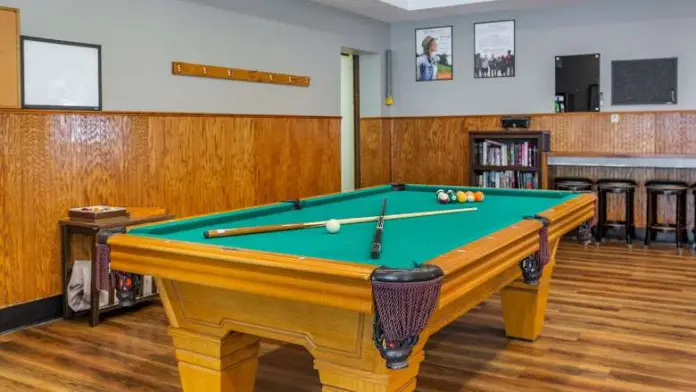
Residential Setting
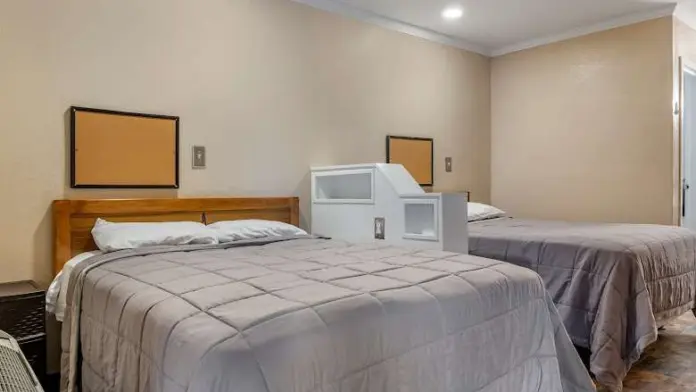
Private Rooms
Staff & Accreditations
Staff
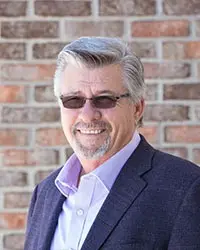
Steven Knuth
President & CEO
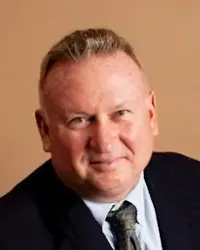
Brien Kevin Walker, CPA
Senior VP of Finance & CFO
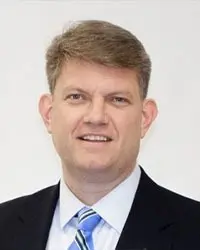
Dr. Patrick Hall
Senior VP of Operations
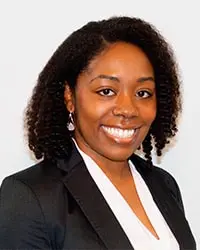
Dana Kerney
Senior VP of Business Development
Regina Beikman
Senior VP of Human Resources
Peggy O'Sullivan
Senior VP of Professional Services
Dr. Jon Siebert
Director of Medical Services
Susan Warren
Director of Clinical Services
Accreditations
LegitScript has reviewed Valley Hope of Atchinson as part of their certification program, and has determined that it meets the LegitScript standards for legality, safety and transparency.
LegitScript verified in January 2017
The Joint Commission, formerly known as JCAHO, is a nonprofit organization that accredits rehab organizations and programs. Founded in 1951, the Joint Commision's mission is to improve the quality of patient care and demonstrating the quality of patient care.
Joint Commission Accreditation: Yes
The National Association of Addiction Treatment Providers (NAATP) is a professional association that represents organizations in the field of addiction services. Founded in 1978, NAATP's mission is to advance addiction services and ensure that high-quality addiction treatment is available and accessible.
NAATP Member: Yes
Rehab.com regularly reviews this listing for accuracy but changes may occur between updates. For the most up-to-date information, please contact Valley Hope of Atchinson.
The environment that is lived in this place is incredible to recover, valley hope is a wonderful place, the service I received was of first quality. I hope God continues to bless them so that they continue to save lives.
Thank you for the five-star review, Bill. We appreciate your support and are glad you had a positive experience with Valley Hope.
Thomas Hurley
3 weeks ago
5
Top notch facilities, great Staff, and all the care in the World for the Clients!
Response from the owner
Thank you for your kind words, Thomas. We’re glad to hear you felt supported and cared for by our team. Providing compassionate, quality care is incredibly important to us, and we appreciate you taking the time to share your experience.
Vicki Mcgranaghan
3 weeks ago
5
Saved my life. Is the best 30 days of my life I went from drinking 3 to 4 bottles of wine today to not drinking and being sober for nine years. Because of the fellowship and learning that I got from Vally Hope I have been achieving my sobriety and being the best that I can be, I can never thank them enough For the encouragement, fellowship and learning that Vally Hope gave me
Response from the owner
Thank you for sharing your story, Vicki. We’re honored to hear that your time at Valley Hope made such a meaningful difference in your life. Choosing recovery takes tremendous courage, and we’re grateful to have been part of your journey. We wish you continued strength and success in the years ahead.
Shane Tooker
4 weeks ago
5
My experience at valley hope at atchison was the best move I've ever made in my entire life? I am clean sober and doing really well, thanks to the tools and staff and counselors there.
Response from the owner
Thank you for sharing your experience, Shane. We’re grateful to hear that choosing Valley Hope of Atchison made such a positive impact on your life. It means a great deal to know the tools, counselors, and staff helped you build a strong foundation for recovery. We wish you continued success on your journey.
Chika Uchendu is an expert freelance SEO writer, proofreader and editor with over 10 years experience delivering compelling and digestible articles across multiple verticals for various reputable digital publishers. His core specialties are personal finance and investing, technology, and health and wellness. He is deeply passionate about addiction treatment and recovery and is dedicated to raising awareness and offering valuable insights that help individuals understand and overcome this critical issue. He has a master’s in digital marketing. In his free time, he enjoys playing sports, hiking and outdoor adventures, and traveling to explore new cultures.
By calling the helpline you agree to the terms of use. We do not receive any commission or fee that is dependent upon which treatment provider a caller chooses. There is no obligation to enter treatment.
Calls to numbers on a specific treatment center listing will be routed to that treatment center. Calls to any general helpline could be forwarded to SAMHSA or a verified treatment provider.
If you wish to connect with non-sponsor centers, you can browse top-rated listings, visit our homepage and browse by state, or visit SAMHSA.

 Sponsored Helpline





























































































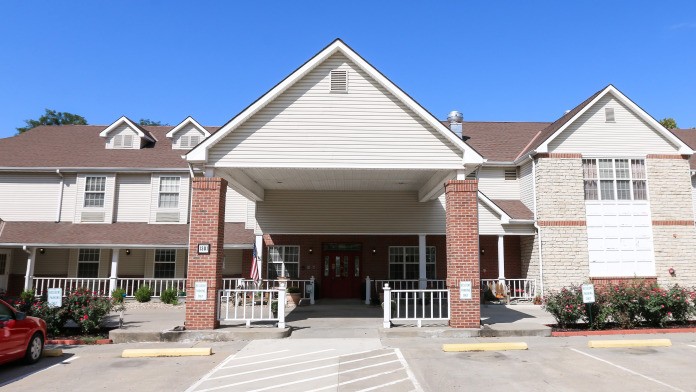





 Wifi
Wifi  Residential Setting
  Private Rooms