





























































































About House of Commons
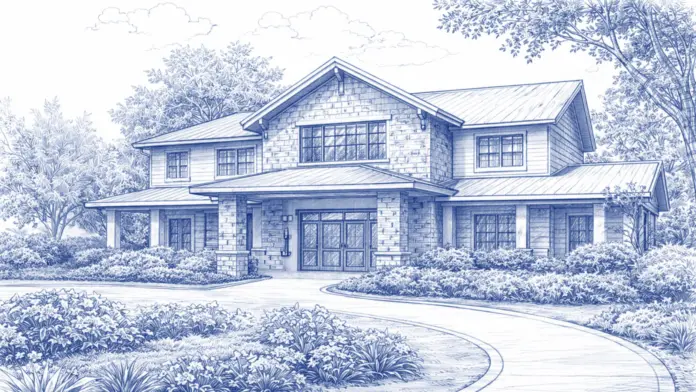
House of Commons, now known as Cedar Roots Recovery, is a CARF accredited 40 bed men’s residential substance use disorder treatment program in Mason, Michigan and operated by the Community Mental Health Authority of Clinton, Eaton and Ingham Counties.
The program delivers high intensity residential care using a recovery oriented, trauma informed and culturally competent approach for adult men struggling with drug and alcohol addiction. With more than 50 years of service to the tri-county region, the program is designed to help men build and sustain a drug free and crime free lifestyle.
Men’s Residential Recovery
Cedar Roots Recovery specializes in high intensity residential substance use treatment for adult men, with length of stay tailored to each resident’s individual needs. As part of CMHA-CEI’s Integrated Treatment and Recovery Services, the program is co-occurring capable and person centered.
Treatment integrates counseling and case management, peer recovery support and family psycho-education to address both addiction and its underlying drivers.
Residents often describe a family like atmosphere, supportive staff and a clean, welcoming environment that fosters connection throughout recovery.
Support for Justice Involved Clients
The program has a notable focus on men with criminal justice involvement, accepting referrals from courts, attorneys and families. Programming emphasizes accountability, relapse prevention and skill building to support successful reentry and long term sobriety.
Next Steps
Cedar Roots Recovery provides in person residential care at 706 Curtis Street in Mason serving Clinton, Eaton and Ingham Counties through centralized access. CMHA-CEI offers a full continuum that includes withdrawal management, outpatient treatment, and peer recovery services.
The program accepts Medicaid and Medicare, self pay and sliding scale assistance, with several private insurance plans available to verify.
Facility Overview
 31 - 60
 Latest Reviews



Rehab Score
 Our Methodology


Gallery
Accepted Insurance
Other Forms of Payment
Self-pay involves paying for treatment out of your own pocket. You can use savings or credit, get a personal loan, or receive help from family and friends to fund your treatment. If you don't have insurance or your insurance plan doesn't cover a specific program, self-pay can help ensure you still get the care you need.
Financial aid can take many forms. Centers may have grants or scholarships available to clients who meet eligibility requirements. Programs that receive SAMHSA grants may have financial aid available for those who need treatment as well. Grants and scholarships can help you pai for treatment without having to repay.
Sliding scale payments are based on a client's income and family size. The goal is to make treatment affordable to everyone. By taking these factors into account, addiction recovery care providers help ensure that your treatment does not become a financial burden to you or your family, eliminating one barrier to care.
Medicare is a federal program that provides health insurance for those 65 and older. It also serves people under 65 with chronic and disabling health challenges. To use Medicare for addiction treatment you need to find a program that accepts Medicare and is in network with your plan. Out of pocket costs and preauthorization requirements vary, so always check with your provider.
Medicaid is a state based program that helps lower-income individuals and families pay for healthcare. Medicaid covers addiction treatment so those enrolled can use their coverage to pay for rehab. When a program accepts Medicaid the client often pays very little or nothing out of their own pocket.
Addiction Treatments
Levels of Care
During a drug intervention in Michigan, family, friends, and colleagues share in their own words how a person's substance abuse has affected their lives. An intervention must be carefully planned, with the goal of encouraging the individual to get treatment for their addiction. Many rehab programs offer intervention services to help families prepare for this confrontation and guide them through the recovery process.
At certain points in the recovery process, it's important to have support available 24/7. 24-hour clinical care offers a safe environment in which to recover from drug or alcohol addiction in peace, knowing medical detox and other treatment will happen with professionals on hand.
Treatments
The goal of treatment for alcoholism is abstinence. Those with poor social support, poor motivation, or psychiatric disorders tend to relapse within a few years of treatment. For these people, success is measured by longer periods of abstinence, reduced use of alcohol, better health, and improved social functioning. Recovery and Maintenance are usually based on 12 step programs and AA meetings.
Drug rehab in Michigan provides personalized treatment to help individuals break this cycle and regain control of their lives. Treatment methods are used in various levels of care, including inpatient rehab, partial hospitalization programs, intensive outpatient programs, and standard outpatient treatment.
Opioid rehabs specialize in supporting those recovering from opioid addiction. They treat those suffering from addiction to illegal opioids like heroin, as well as prescription drugs like oxycodone. These centers typically combine both physical as well as mental and emotional support to help stop addiction. Physical support often includes medical detox and subsequent medical support (including medication), and mental support includes in-depth therapy to address the underlying causes of addiction.
Substance rehabs focus on helping individuals recover from substance abuse, including alcohol and drug addiction (both illegal and prescription drugs). They often include the opportunity to engage in both individual as well as group therapy.
Programs
Adult rehab programs include therapies tailored to each client's specific needs, goals, and recovery progress. They are tailored to the specific challenges adult clients may face, including family and work pressures and commitments. From inpatient and residential treatment to various levels of outpatient services, there are many options available. Some facilities also help adults work through co-occurring conditions, like anxiety, that can accompany addiction.
Young adulthood can be an exciting, yet difficult, time of transition. Individuals in their late teens to mid-20s face unique stressors related to school, jobs, families, and social circles, which can lead to a rise in substance use. Rehab centers with dedicated young adult programs will include activities and amenities that cater to this age group, with an emphasis on specialized counseling, peer socialization, and ongoing aftercare.
Clinical Services
Cognitive Behavioral Therapy (CBT) is a therapy modality that focuses on the relationship between one's thoughts, feelings, and behaviors. It is used to establish and allow for healthy responses to thoughts and feelings (instead of unhealthy responses, like using drugs or alcohol). CBT has been proven effective for recovering addicts of all kinds, and is used to strengthen a patient's own self-awareness and ability to self-regulate. CBT allows individuals to monitor their own emotional state, become more adept at communicating with others, and manage stress without needing to engage in substance abuse.
Addiction often involves intense situations and emotions. Dialectical behavior therapy helps you understand and regulate your emotions and better manage the situations that evoke those feelings. You'll receive mindfulness training and stress management training to cope more effectively with difficult emotions.
Group therapy is any therapeutic work that happens in a group (not one-on-one). There are a number of different group therapy modalities, including support groups, experiential therapy, psycho-education, and more. Group therapy involves treatment as well as processing interaction between group members.
In individual therapy, a patient meets one-on-one with a trained psychologist or counselor. Therapy is a pivotal part of effective substance abuse treatment, as it often covers root causes of addiction, including challenges faced by the patient in their social, family, and work/school life.
During motivational interviewing, therapists express empathy, support self efficacy, and develop discrepancies. By using these techniques, therapists help clients reflect on their desires for change and understand why and how they should move forward with those changes.
During trauma therapy in Michigan, you are guided through traumatic memories within a safe and supportive environment. Your therapist then provides you with tools to process traumatic events and reduce the symptoms that occur when you're exposed to a trigger. This improves your overall mental health and ability to function in the community.
Amenities
-
 Residential Setting
Staff & Accreditations
Staff
Sara Lurie
Chief Executive Officer
Suzanne Panetta
Chief Financial Officer
Jana Baylis
Chief Human Resources Officer
Accreditations

The Substance Abuse and Mental Health Services Administration (SAMHSA) is a branch of the U.S. Department of Health and Human Services. Established in 1992 by congress, SAMHSA's mission is to reduce the impact of substance abuse and mental illness on American's communities.
SAMHSA Listed: Yes

The Commission on Accreditation of Rehabilitation Facilities (CARF) is a non-profit organization that specifically accredits rehab organizations. Founded in 1966, CARF's, mission is to help service providers like rehab facilities maintain high standards of care.
CARF Accreditation: Yes
Accreditation Number: 206209
Rehab.com regularly reviews this listing for accuracy but changes may occur between updates. For the most up-to-date information, please contact House of Commons.
Contact Information


706 Curtis Street
Mason, MI 48854
Sponsored Helpline


