Hazelden Betty Ford Foundation
1
Top 10 Rehab Centers In Plymouth



















































































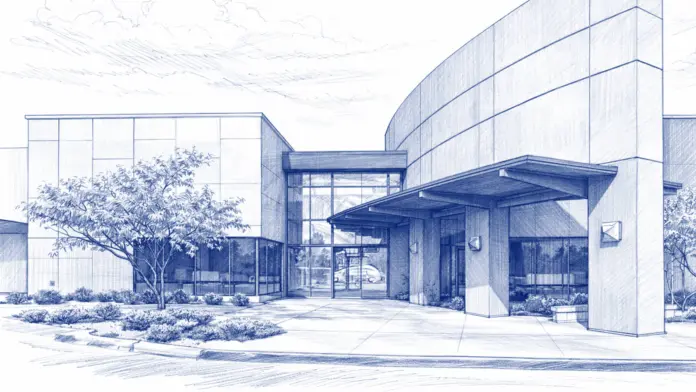
In Fargo, Dakota Boys and Girls Ranch is a residential rehab for children and teens.
The space accepts youth ages 10 to 17 for serious mental health conditions, behavioral challenges and trauma.
The psychiatric residential program is a secure, intensive inpatient mental health care, with staff on duty24/7.
Dakota Memorial School is on the campus and teaches children who are in treatment for psychiatric, behavioral and trauma related needs.
The Ranch has a psychiatrist, psychologists, addiction counselors, nurses, occupational therapists and therapists on its clinical staff.
With a psychiatrist and addiction counselors on the team, psychiatric care and help with substance use can take place while a child is living at the program.
An admissions team helps families with eligibility and paperwork, then with the application the state requires.
Families keep in touch through regular calls and visits, and they receive weekly check-ins and updates.
The Commission on Accreditation of Rehabilitation Facilities accredits the programs and the school, and North Dakota licenses them.
The average stay is 3 to 6 months, and the length varies by child. If you are planning how to pay, treatment is typically covered by private insurance plans or state programs, including special Medicaid coverage when a child is in residential treatment.
The average stay is 3 to 6 months, and the length varies by child.
If you are planning how to pay, treatment is typically covered by private insurance plans or state programs, including special Medicaid coverage when a child is in residential treatment.

 Our Methodology


Medicaid is a state based program that helps lower-income individuals and families pay for healthcare. Medicaid covers addiction treatment so those enrolled can use their coverage to pay for rehab. When a program accepts Medicaid the client often pays very little or nothing out of their own pocket.
Private insurance refers to any kind of healthcare coverage that isn't from the state or federal government. This includes individual and family plans offered by an employer or purchased from the Insurance Marketplace. Every plan will have different requirements and out of pocket costs so be sure to get the full details before you start treatment.
Self-pay involves paying for treatment out of your own pocket. You can use savings or credit, get a personal loan, or receive help from family and friends to fund your treatment. If you don't have insurance or your insurance plan doesn't cover a specific program, self-pay can help ensure you still get the care you need.
Medicare is a federal program that provides health insurance for those 65 and older. It also serves people under 65 with chronic and disabling health challenges. To use Medicare for addiction treatment you need to find a program that accepts Medicare and is in network with your plan. Out of pocket costs and preauthorization requirements vary, so always check with your provider.
Military members, veterans, and eligible dependents have access to specific insurance programs that help them get the care they need. TRICARE and VA insurance can help you access low cost or no cost addiction and mental health treatment. Programs that accept military insurance often have targeted treatment focused on the unique challenges military members, veterans, and their families face.
Residential care for children and adolescents ages 5 to 17. PRTFs are secure programs with 24-hour intensive inpatient rehab for youth with serious mental health and trauma-related needs.
Many of those suffering from addiction also suffer from mental or emotional illnesses like schizophrenia, bipolar disorder, depression, or anxiety disorders. Rehab and other substance abuse facilities treating those with a dual diagnosis or co-occurring disorder administer psychiatric treatment to address the person's mental health issue in addition to drug and alcohol rehabilitation.
Psychiatric treatment for young people ages 5 to 17, aimed at severe mental health challenges, behavioral issues and trauma, with 24-hour care.
Cognitive Behavioral Therapy (CBT) is a therapy modality that focuses on the relationship between one's thoughts, feelings, and behaviors. It is used to establish and allow for healthy responses to thoughts and feelings (instead of unhealthy responses, like using drugs or alcohol). CBT has been proven effective for recovering addicts of all kinds, and is used to strengthen a patient's own self-awareness and ability to self-regulate. CBT allows individuals to monitor their own emotional state, become more adept at communicating with others, and manage stress without needing to engage in substance abuse.
Whether a marriage or other committed relationship, an intimate partnership is one of the most important aspects of a person's life. Drug and alcohol addiction affects both members of a couple in deep and meaningful ways, as does rehab and recovery. Couples therapy and other couples-focused treatment programs are significant parts of exploring triggers of addiction, as well as learning how to build healthy patterns to support ongoing sobriety.
Dialectical Behavior Therapy (DBT) is a modified form of Cognitive Behavioral Therapy (CBT), a treatment designed to help people understand and ultimately affect the relationship between their thoughts, feelings, and behaviors. DBT is often used for individuals who struggle with self-harm behaviors, such as self-mutilation (cutting) and suicidal thoughts, urges, or attempts. It has been proven clinically effective for those who struggle with out-of-control emotions and mental health illnesses like Borderline Personality Disorder.
Experiential therapy is a form of therapy in which clients are encouraged to surface and work through subconscious issues by engaging in real-time experiences. Experiential therapy departs from traditional talk therapy by involving the body, and having clients engage in activities, movements, and physical and emotional expression. This can involve role-play or using props (which can include other people). Experiential therapy can help people process trauma, memories, and emotion quickly, deeply, and in a lasting fashion, leading to substantial and impactful healing.
Research clearly demonstrates that recovery is far more successful and sustainable when loved ones like family members participate in rehab and substance abuse treatment. Genetic factors may be at play when it comes to drug and alcohol addiction, as well as mental health issues. Family dynamics often play a critical role in addiction triggers, and if properly educated, family members can be a strong source of support when it comes to rehabilitation.
Group therapy is any therapeutic work that happens in a group (not one-on-one). There are a number of different group therapy modalities, including support groups, experiential therapy, psycho-education, and more. Group therapy involves treatment as well as processing interaction between group members.
In individual therapy, a patient meets one-on-one with a trained psychologist or counselor. Therapy is a pivotal part of effective substance abuse treatment, as it often covers root causes of addiction, including challenges faced by the patient in their social, family, and work/school life.
Nutrition therapy, aka medical nutrition therapy (MNT), is a way of treating physical, emotional, and medical conditions through diet. Specific dietary plans are designed by professional nutritionists or registered dietitians, and patients follow them in order to positively affect their physical and mental health.
Trauma therapy addresses traumatic incidents from a client's past that are likely affecting their present-day experience. Trauma is often one of the primary triggers and potential causes of addiction, and can stem from child sexual abuse, domestic violence, having a parent with a mental illness, losing one or both parents at a young age, teenage or adult sexual assault, or any number of other factors. The purpose of trauma therapy is to allow a patient to process trauma and move through and past it, with the help of trained and compassionate mental health professionals.
Learning life skills in rehab is crucial to recovery. Addiction interferes with basic life skills, and many who are addicted are at a loss as to how to navigate daily life. Life skills training during rehab reteaches these skills so you can leave treatment with the tools you need to cope with day to day challenges.
Chair
Vice Chair
Secretary
Treasurer

The Commission on Accreditation of Rehabilitation Facilities (CARF) is a non-profit organization that specifically accredits rehab organizations. Founded in 1966, CARF's, mission is to help service providers like rehab facilities maintain high standards of care.
CARF Accreditation: Yes

State Licenses are permits issued by government agencies that allow rehab organizations to conduct business legally within a certain geographical area. Typically, the kind of program a rehab facility offers, along with its physical location, determines which licenses are required to operate legally.
State License: North Dakota
License Number: 0113
Rehab.com regularly reviews this listing for accuracy but changes may occur between updates. For the most up-to-date information, please contact Dakota Boys and Girls Ranch – Fargo Campus.

7151 15th street South
Fargo, ND 58104
Sponsored Helpline

I went here last year and actually met some good people! LOVE Mrs. Leiman, I think that's how I spell it, best principle ever! And I keep on seeing reviews of how much they pressure you into religious practices and I mean there were a few people that hated me but most loved me and didn't care I was gay

This place was not a safe place for me, and I still live with the trauma from what happened there. It became a competition. It didn’t matter what gender you were people were still being touched, violated, and sexually assaulted by people of the same sex or the opposite sex. I was sexually assaulted here. That is something I have had to carry with me long after I left. I was also surrounded by people struggling with eating disorders, and instead of feeling like I was somewhere that would help me heal, my anorexia became a competition. Being around that environment made my own struggles worse, and I still struggle with anorexia and the damage that experience caused me. Even something as simple as communication was taken out of my hands. Phone calls were prerecorded, and there was a list of people you were actually allowed to talk to. You were already in a place where you had very little control over your life, and even the people you could communicate with were controlled for you. There is so much more I could say, but I could write pages about what happened to me here and still not be able to explain all of it. I have a child now. Knowing what I know today, I would never willingly put my child in a place like this. They were supposed to help me. Instead, I left with more trauma, more things to worry about, and experiences that I am still dealing with years later. If you are a parent considering sending your child here, please do your research. Read the reviews. Listen to people who have actually been through it. Don't just look at what the facility promises it will do look at what it actually did for the people who were there. And if you are a guardian reading this, please listen to your child. I know having a child who is struggling can be exhausting. I know it can be angering, frustrating, and overwhelming. But your child needs you, especially when they are at their lowest. Please choose your child's wellbeing over convenience. Believe them. Listen to them. Protect them. I wish someone had done that for me.

This place traumatized me more I do not recommend sending your kids here

I have never been anywhere worse in my life. the staff are typically doing nothing and still can't bother to help patients out with getting into the restroom that you need to ask to get into . Or they are actively instigating you to get you introuble and lose privileges. Tldr. if you genuinely care about the person you are thinking about sending here, please don't they most likely won't be the same after.
 Back
Back
Sharing your insights and experiences can help others learn more about this rehab center.
Inpatient. The Fargo campus provides adolescent treatment in a safe, nurturing residential setting, with 24-hour intensive care for youth ages 5 to 17 working through serious mental health and behavioral concerns.
Usually. Private health insurance plans and state programs typically cover treatment, and Medicaid has a special coverage for children in residential treatment. The Ranch itself is a nonprofit organization.
The Fargo campus serves 10 to 17-year-olds. Across the Ranch, care reaches children dealing with emotional, behavioral, school and trauma-related difficulties, with room to grow, learn and thrive.
The admissions team walks families through each step, from checking eligibility to collecting records and finishing the state-required application. Once a child is admitted, support runs around the clock.
Individualized therapy, group therapy, family therapy and psychiatric services, plus education and life-skills training on a structured daily schedule. The program is trauma-informed, and family involvement stays active through regular calls, visits and weekly check-ins.