





























































































About DeKalb Regional Medical Center
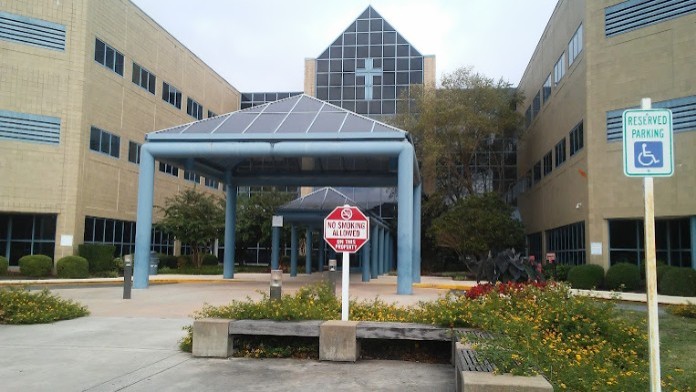
DeKalb Regional Medical Center is a 134 bed not for profit community hospital in Fort Payne, Alabama offering hospital based Senior Behavioral Health services.
The program supports older adults experiencing depression, anxiety and panic attacks, confusion and memory loss, social isolation and dementia related concerns.
Through a compassionate and multidisciplinary approach, the hospital delivers individualized psychiatric care designed to help seniors and their families navigate complex behavioral health challenges.
Senior Behavioral Health
DeKalb Regional Medical Center’s core specialty is senior focused behavioral health, providing hospital based stabilization for older adults facing emotional and cognitive difficulties.
Care begins with a thorough diagnostic assessment and evaluation, followed by one on one visits with a psychiatrist and medication stabilization.
Treatment involves a multidisciplinary team that includes the patient, family and other healthcare providers working together toward recovery.
Sessions may incorporate art and expressive therapy, nutritional assessments and management of secondary medical needs, along with structured discharge and aftercare planning to support ongoing wellness.
Family Education and Dementia Support
Beyond individual treatment, the hospital emphasizes patient and family education to help loved ones understand and support the recovery process.
DeKalb Regional also hosts a free dementia support series on site, offering guidance and community resources for families navigating memory related concerns.
Next Steps
DeKalb Regional Medical Center provides in person behavioral health care from its Fort Payne campus, serving DeKalb County and neighboring communities in west Georgia.
As a member of the Huntsville Hospital Health System since 2024, the hospital brings established community roots to its behavioral health services.
The hospital offers a Financial Assistance Program, price transparency resources and a patient cost estimator, with financial counselors available to determine eligibility.
Facility Overview
 134
134 Latest Reviews



Rehab Score
 Our Methodology


Gallery
Other Forms of Payment
Medicaid is a state based program that helps lower-income individuals and families pay for healthcare. Medicaid covers addiction treatment so those enrolled can use their coverage to pay for rehab. When a program accepts Medicaid the client often pays very little or nothing out of their own pocket.
Private insurance refers to any kind of healthcare coverage that isn't from the state or federal government. This includes individual and family plans offered by an employer or purchased from the Insurance Marketplace. Every plan will have different requirements and out of pocket costs so be sure to get the full details before you start treatment.
Self-pay involves paying for treatment out of your own pocket. You can use savings or credit, get a personal loan, or receive help from family and friends to fund your treatment. If you don't have insurance or your insurance plan doesn't cover a specific program, self-pay can help ensure you still get the care you need.
Medicare is a federal program that provides health insurance for those 65 and older. It also serves people under 65 with chronic and disabling health challenges. To use Medicare for addiction treatment you need to find a program that accepts Medicare and is in network with your plan. Out of pocket costs and preauthorization requirements vary, so always check with your provider.
Addiction Treatments
Levels of Care
Residential treatment programs are those that offer housing and meals in addition to substance abuse treatment. Rehab facilities that offer residential treatment allow patients to focus solely on recovery, in an environment totally separate from their lives. Some rehab centers specialize in short-term residential treatment (a few days to a week or two), while others solely provide treatment on a long-term basis (several weeks to months). Some offer both, and tailor treatment to the patient's individual requirements.
Treatments
Mental health rehabs focus on helping individuals recover from mental illnesses like bipolar disorder, clinical depression, anxiety disorders, schizophrenia, and more. Mental health professionals at these facilities are trained to understand and treat mental health issues, both in individual and group settings.
Clinical Services
Cognitive Behavioral Therapy (CBT) is a therapy modality that focuses on the relationship between one's thoughts, feelings, and behaviors. It is used to establish and allow for healthy responses to thoughts and feelings (instead of unhealthy responses, like using drugs or alcohol). CBT has been proven effective for recovering addicts of all kinds, and is used to strengthen a patient's own self-awareness and ability to self-regulate. CBT allows individuals to monitor their own emotional state, become more adept at communicating with others, and manage stress without needing to engage in substance abuse.
Experiential therapy is a form of therapy in which clients are encouraged to surface and work through subconscious issues by engaging in real-time experiences. Experiential therapy departs from traditional talk therapy by involving the body, and having clients engage in activities, movements, and physical and emotional expression. This can involve role-play or using props (which can include other people). Experiential therapy can help people process trauma, memories, and emotion quickly, deeply, and in a lasting fashion, leading to substantial and impactful healing.
Group therapy is any therapeutic work that happens in a group (not one-on-one). There are a number of different group therapy modalities, including support groups, experiential therapy, psycho-education, and more. Group therapy involves treatment as well as processing interaction between group members.
In individual therapy, a patient meets one-on-one with a trained psychologist or counselor. Therapy is a pivotal part of effective substance abuse treatment, as it often covers root causes of addiction, including challenges faced by the patient in their social, family, and work/school life.
Trauma therapy addresses traumatic incidents from a client's past that are likely affecting their present-day experience. Trauma is often one of the primary triggers and potential causes of addiction, and can stem from child sexual abuse, domestic violence, having a parent with a mental illness, losing one or both parents at a young age, teenage or adult sexual assault, or any number of other factors. The purpose of trauma therapy is to allow a patient to process trauma and move through and past it, with the help of trained and compassionate mental health professionals.
Staff
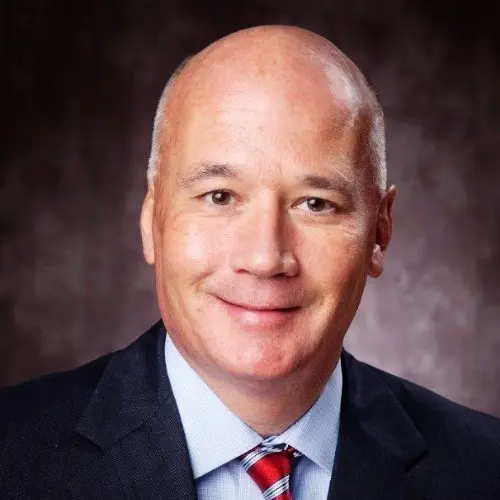
Darrell Blaylock, MHA, MPA
President

Steven Smith
Chief Financial Officer
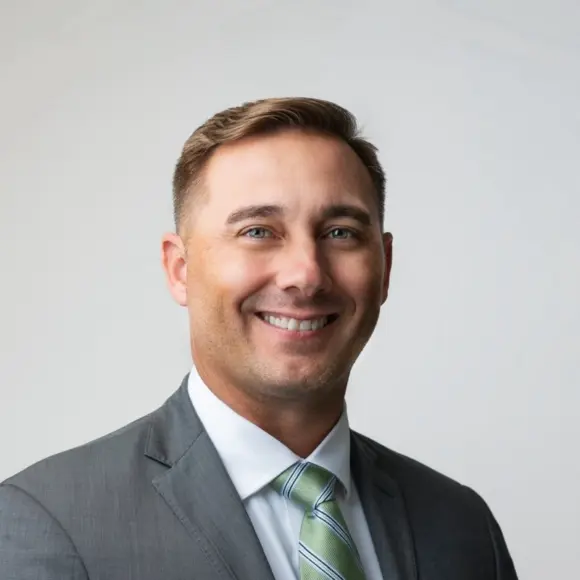
Bobby Scott, MMHC, BSN, RN
Chief Nursing Officer
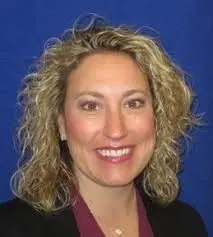
Amber Morris
Executive Director of Physician Practices
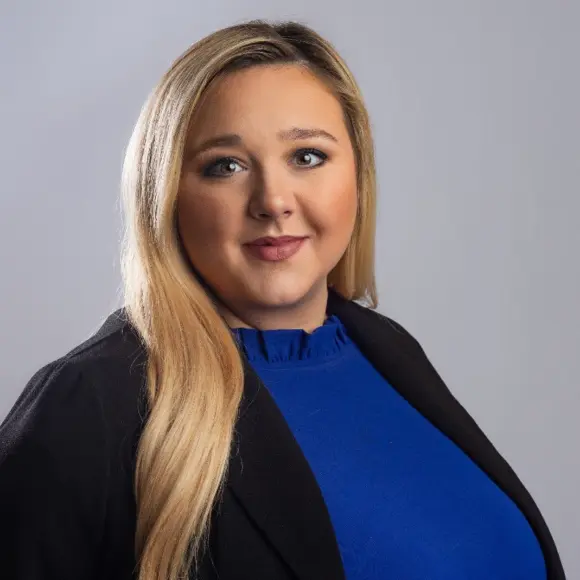
Megan Harbin, MHA
Marketing Director
Rehab.com regularly reviews this listing for accuracy but changes may occur between updates. For the most up-to-date information, please contact DeKalb Regional Medical Center.
Contact Information


200 Medical Center Drive Sw
Fort Payne, AL 35968
Sponsored Helpline


