





























































































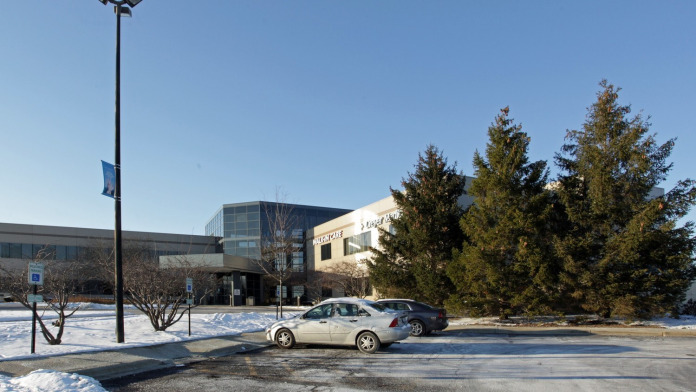
About Advocate Medical Group Outpatient Center
Dreyer Medical Clinic–Fox Valley Villages provides dedicated services for young adults and persons with co-occurring addiction and mental illness. Gender-specific and specialized programming are also available.
The clinic’s inpatient program allows clients to focus on their recovery in a highly structured and supportive environment. Clients receive 24/7 clinical supervision, medical and mental health assessments, personalized care planning, and case management. They also engage in intensive individual, group, and family counseling that draws on proven modalities, including CBT, DBT, and motivational interviewing. The program promotes clients’ sustained sobriety through robust, recovery-focused life-skills training that addresses topics such as coping, self-care, wellness, and relapse prevention.
Aftercare services ensure a complete continuum of care aligned with clients’ evolving needs. These services may include step-down support and referrals for medical, mental health, and social service programs.
Dreyer Medical Clinic–Fox Valley Villages is state licensed and accredited by The Joint Commission. They accept private insurance, Medicare, Medicaid, and self-pay.
Latest Reviews



Rehab Score
 Our Methodology


Gallery
Other Forms of Payment
Self-pay involves paying for treatment out of your own pocket. You can use savings or credit, get a personal loan, or receive help from family and friends to fund your treatment. If you don't have insurance or your insurance plan doesn't cover a specific program, self-pay can help ensure you still get the care you need.
Addiction Treatments
Levels of Care
Residential treatment programs are those that offer housing and meals in addition to substance abuse treatment. Rehab facilities that offer residential treatment allow patients to focus solely on recovery, in an environment totally separate from their lives. Some rehab centers specialize in short-term residential treatment (a few days to a week or two), while others solely provide treatment on a long-term basis (several weeks to months). Some offer both, and tailor treatment to the patient's individual requirements.
Rehab aftercare programs provide a full continuum of care for clients who are exiting inpatient treatment. Though outpatient care is often considered an element of drug rehab aftercare, services typically continue for the remainder of the clients' life and long after formal treatment is completed. Clients work with their case managers and care team to formulate a customized portfolio of medical, mental health, and social service resources designed to evolve as the client's needs change.
Living in a sober living home in Illinois is a lot like living in a traditional home. Everyone must contribute to household chores and maintenance. All residents must work and pay rent. Individuals can mostly come and go as they please, but they must be home before curfew. Most men's and women's sober living homes also host house meetings where they resolve disputes, assign responsibilities, and welcome new residents.
Addiction treatment often begins with 24-hour clinical care in Illinois. This supervised setting is the best environment for detox.where medical staff can provide 24/7 supervision and responsive care as your body is cleansed of addictive substances. Doctors may prescribe antagonist and partial agonist drugs to counteract the effects of drugs or alcohol, or they may slowly taper down dosages of substances to end physical dependence on the drug.
During the medically supervised detox process, licensed medical professionals monitor your vitals and administer medications meant to help alleviate the physical symptoms of withdrawal. The process can take between five and seven days, although the actual length depends on your individual needs. In most cases, medically assisted detox is partially, if not fully, covered by insurance.
Treatments
Substance rehabs focus on helping individuals recover from substance abuse, including alcohol and drug addiction (both illegal and prescription drugs). They often include the opportunity to engage in both individual as well as group therapy.
Programs
Adult rehab programs include therapies tailored to each client's specific needs, goals, and recovery progress. They are tailored to the specific challenges adult clients may face, including family and work pressures and commitments. From inpatient and residential treatment to various levels of outpatient services, there are many options available. Some facilities also help adults work through co-occurring conditions, like anxiety, that can accompany addiction.
Young adulthood can be an exciting, yet difficult, time of transition. Individuals in their late teens to mid-20s face unique stressors related to school, jobs, families, and social circles, which can lead to a rise in substance use. Rehab centers with dedicated young adult programs will include activities and amenities that cater to this age group, with an emphasis on specialized counseling, peer socialization, and ongoing aftercare.
Clinical Services
Group therapy is any therapeutic work that happens in a group (not one-on-one). There are a number of different group therapy modalities, including support groups, experiential therapy, psycho-education, and more. Group therapy involves treatment as well as processing interaction between group members.
In individual therapy, a patient meets one-on-one with a trained psychologist or counselor. Therapy is a pivotal part of effective substance abuse treatment, as it often covers root causes of addiction, including challenges faced by the patient in their social, family, and work/school life.
Amenities
-
 Residential Setting
 -
 Private Rooms
Staff
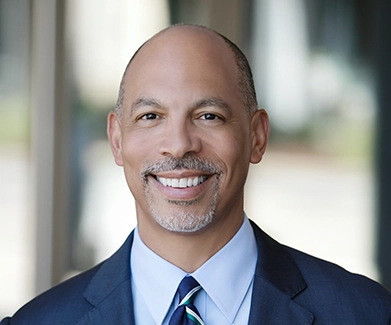
Eugene A. Woods, MBA, MHA, FACHE
CEO
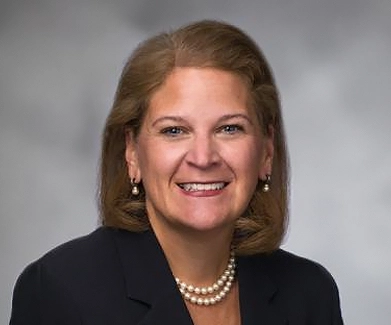
Bobbie Byrne, MD, MBA
EVP, CIO

Brad Clark
EVP, CFO
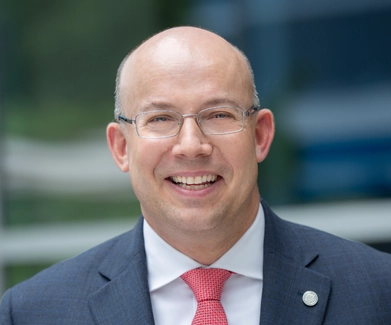
Betty Jo Rocchio, DNP, RN, CRNA, CENP, EBP-C
EVP, Chief Nurse Executive
Rehab.com regularly reviews this listing for accuracy but changes may occur between updates. For the most up-to-date information, please contact Advocate Medical Group Outpatient Center.
Contact Information


4100 Healthway Drive
Aurora, IL 60504
Sponsored Helpline



