They take 2 hours to get you in, even when you arrived just in time you get seen until they want to. It is really a ridiculous amount of waiting for old people like me. It really felt like we are being ignored
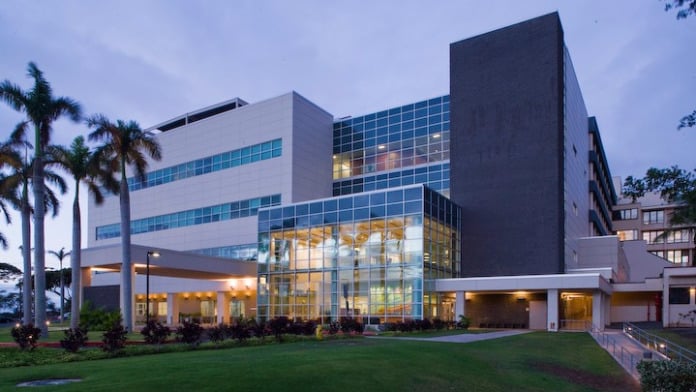
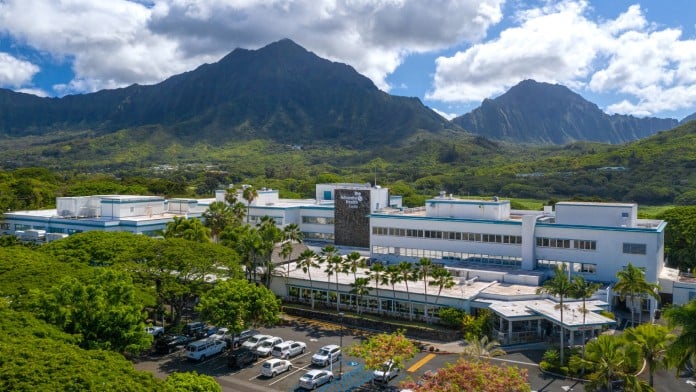
About Maui Memorial Medical Center
Maui Memorial Medical Center – Behavioral Health offers a clinical approach to treatment. Programs include inpatient treatment and a partial hospitalization program (PHP).
Inpatient Treatment
The inpatient program is for individuals who are at risk of hurting themselves or others. This is an 11-bed, short-term, acute treatment option to help stabilize clients. Clients receive medical evaluations and medication management services, along with psychological treatment and referrals to their next phase of support.
Partial Hospitalization Program
The partial hospitalization program is for individuals who need a highly structured outpatient environment but do not need inpatient care. Clients meet regularly throughout the week with mental health practitioners, nurses, psychiatric professionals, and counselors.
Latest Reviews
Thank you for sharing your feedback with us. Patient experience is very important to us, and we’re glad to hear your overall experience has been positive. If there’s anything we can do to address concerns or further improve your care, please contact our Quality Department at 808-242-2266 and leave your contact information. A member of our patient experience team will follow up with you as soon as possible. Mahalo!
Patient experience is really important to us and we appreciate you taking the time to leave your feedback.  We are happy to hear your experience has been positive overall and if there's anything we can do to help to resolve any concerns or improve the service we provide, please call our Quality Department at 808-242-2266 and leave your contact information. A patient experience representative will reach out as soon as possible.  Mahalo!
We are sorry to hear that your experience did not meet your expectations. If you have specific concerns about the care you or a loved on received at our facility, we encourage you to reach out to our Care Experience team at 808-242-2266. We would appreciate the opportunity to hear more about your concerns and work towards a resolution.Â
Your feedback is invaluable and we are committed to improving the quality of care we provide.
Rehab Score
Gallery
Accepted Insurance
Other Forms of Payment
Private insurance refers to any kind of healthcare coverage that isn't from the state or federal government. This includes individual and family plans offered by an employer or purchased from the Insurance Marketplace. Every plan will have different requirements and out of pocket costs so be sure to get the full details before you start treatment.
Self-pay involves paying for treatment out of your own pocket. You can use savings or credit, get a personal loan, or receive help from family and friends to fund your treatment. If you don't have insurance or your insurance plan doesn't cover a specific program, self-pay can help ensure you still get the care you need.
Financial aid can take many forms. Centers may have grants or scholarships available to clients who meet eligibility requirements. Programs that receive SAMHSA grants may have financial aid available for those who need treatment as well. Grants and scholarships can help you pai for treatment without having to repay.
Sliding scale payments are based on a client's income and family size. The goal is to make treatment affordable to everyone. By taking these factors into account, addiction recovery care providers help ensure that your treatment does not become a financial burden to you or your family, eliminating one barrier to care.
Medicare is a federal program that provides health insurance for those 65 and older. It also serves people under 65 with chronic and disabling health challenges. To use Medicare for addiction treatment you need to find a program that accepts Medicare and is in network with your plan. Out of pocket costs and preauthorization requirements vary, so always check with your provider.
Military members, veterans, and eligible dependents have access to specific insurance programs that help them get the care they need. TRICARE and VA insurance can help you access low cost or no cost addiction and mental health treatment. Programs that accept military insurance often have targeted treatment focused on the unique challenges military members, veterans, and their families face.
Medicaid is a state based program that helps lower-income individuals and families pay for healthcare. Medicaid covers addiction treatment so those enrolled can use their coverage to pay for rehab. When a program accepts Medicaid the client often pays very little or nothing out of their own pocket.
Addiction Treatments
Levels of Care
Outpatient Programs (OP) are for those seeking mental rehab or drug rehab, but who also stay at home every night. The main difference between outpatient treatment (OP) and intensive outpatient treatment (IOP) lies in the amount of hours the patient spends at the facility. Most of the time an outpatient program is designed for someone who has completed an inpatient stay and is looking to continue their growth in recovery. Outpatient is not meant to be the starting point, it is commonly referred to as aftercare.
Residential treatment programs are those that offer housing and meals in addition to substance abuse treatment. Rehab facilities that offer residential treatment allow patients to focus solely on recovery, in an environment totally separate from their lives. Some rehab centers specialize in short-term residential treatment (a few days to a week or two), while others solely provide treatment on a long-term basis (several weeks to months). Some offer both, and tailor treatment to the patient's individual requirements.
Intensive outpatient programs (IOP) enable clients to live at home and continue working or attending school while also receiving robust therapeutic support for addiction. Clients attend multiple treatment sessions per week, where they typically receive a combination of psychotherapy, addiction education and recovery skills training, and evidence-based complementary care. Medication assisted treatment (MAT) is also available in many intensive outpatient rehabs. Treatment typically involves between nine and 20 therapeutic hours weekly. IOP is ideal for clients in early recovery.

Rehab aftercare programs ensure clients' continued access to personalized care after the completion of formal addiction treatment. Case managers and recovery teams assess clients' needs and goals and identify the rehab aftercare services to best support clients' sustained sobriety. Clients may receive a variety of services to facilitate their successful reintegration into their home, workplace, and community, including peer coaching, career counseling, and 12 step program induction, among other programs.
For anyone struggling with substance abuse but reluctant to seek help, a drug intervention in Hawaii can help to provide that essential motivation. Drug intervention services provide a professional interventionist to assist families with this process. The interventionist helps the individual understand the extent of the damage caused by substance abuse and how treatment works. This clinical perspective can be a helpful addition to the family's personal expressions of concern.

Treatments
Many of those suffering from addiction also suffer from mental or emotional illnesses like schizophrenia, bipolar disorder, depression, or anxiety disorders. Rehab and other substance abuse facilities treating those with a dual diagnosis or co-occurring disorder administer psychiatric treatment to address the person's mental health issue in addition to drug and alcohol rehabilitation.
Mental health rehabs focus on helping individuals recover from mental illnesses like bipolar disorder, clinical depression, anxiety disorders, schizophrenia, and more. Mental health professionals at these facilities are trained to understand and treat mental health issues, both in individual and group settings.
Programs
Adult rehab programs include therapies tailored to each client's specific needs, goals, and recovery progress. They are tailored to the specific challenges adult clients may face, including family and work pressures and commitments. From inpatient and residential treatment to various levels of outpatient services, there are many options available. Some facilities also help adults work through co-occurring conditions, like anxiety, that can accompany addiction.
Young adulthood can be an exciting, yet difficult, time of transition. Individuals in their late teens to mid-20s face unique stressors related to school, jobs, families, and social circles, which can lead to a rise in substance use. Rehab centers with dedicated young adult programs will include activities and amenities that cater to this age group, with an emphasis on specialized counseling, peer socialization, and ongoing aftercare.
Clinical Services
Cognitive Behavioral Therapy (CBT) is a therapy modality that focuses on the relationship between one's thoughts, feelings, and behaviors. It is used to establish and allow for healthy responses to thoughts and feelings (instead of unhealthy responses, like using drugs or alcohol). CBT has been proven effective for recovering addicts of all kinds, and is used to strengthen a patient's own self-awareness and ability to self-regulate. CBT allows individuals to monitor their own emotional state, become more adept at communicating with others, and manage stress without needing to engage in substance abuse.
During couples therapy in Hawaii, your therapist may borrow techniques from multiple forms of therapy based on your needs. Methods may include cognitive behavioral therapy and emotionally focused therapy. The ultimate goal of treatment is a stronger relationship.
During dialectical behavior therapy in Hawaii, you'll focus on developing skills that allow you to manage daily life challenges. The main areas of focus are emotional regulation, interpersonal effectiveness, distress tolerance, and mindfulness.
Family therapy engages members in a collective effort to understand and combat addiction. Therapists help families establish healthy boundaries and improve emotional support systems. By working together, family members can help their loved one sustain long term recovery.

Group therapy is any therapeutic work that happens in a group (not one-on-one). There are a number of different group therapy modalities, including support groups, experiential therapy, psycho-education, and more. Group therapy involves treatment as well as processing interaction between group members.
In individual therapy, a patient meets one-on-one with a trained psychologist or counselor. Therapy is a pivotal part of effective substance abuse treatment, as it often covers root causes of addiction, including challenges faced by the patient in their social, family, and work/school life.
During treatment, you'll work on strengthening any life skills you'll need after rehab. These may include interpersonal communication, finding a job, managing finances, and coping with stress. These skills cover the basic tasks you'll need to accomplish to successfully maintain sobriety.
Amenities
-
Residential Setting
-
Private Setting
Staff
Lynn Fulton
CEO
Wade Ebersole
COO
Deb Cartwright
CFO
Marian Horikawa-Barth
Chief Nurse Executive
Michael Shea, MD
Chief Medical Director
Melinda Sweany
Chief Philanthropy Officer
Contact Information
221 Mahalani St
Wailuku, HI 96793