





























































































I was bakeracted at a gainsville meridian and was held there for 2 weeks I was treated like crap then they transferred me over to meridians rehab in lake city I thought it was nice at first.. till fights and constant crash outs were happening kids constantly bringing in drug ...
About Meridian Behavioral Healthcare – Lake City Office
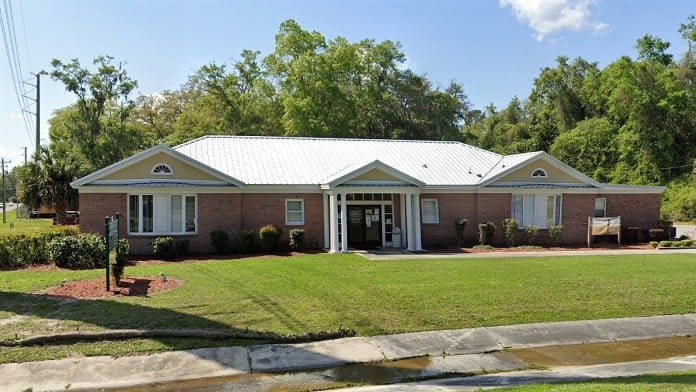
Known for its many springs, lakes, and rivers, Lake City, Florida features Meridian Behavioral Healthcare – Lake City Office. Since 1971, this community health center has served North Central Florida adults, youth, and families. From residential programs to aftercare, you can access comprehensive addiction and mental health treatment for any recovery stage.
Their Lake City location provides residential and outpatient treatment, including counseling, specialized opioid care, crisis stabilization, emergency screenings, and more. You’ll benefit from personalized care with your recovery goals at the forefront. You can recognize and change the behaviors contributing to substance abuse and gain essential coping skills for sustained recovery.
Empowering Recovery through Stable Employment
What stands out most to me is their supported employment services. They understand that finding employment while in recovery can come with some challenges. You can access guidance and assistance while in treatment to transition to work. That way, you’ll have a solid foundation and financial stability to benefit recovery.
Tailored Services to Get Back on Your Feet
I also think their homeless recovery services are fantastic. They welcome adults experiencing homelessness due to substance abuse or mental health conditions. Their dedicated team connects you to local resources to secure affordable housing. You’ll benefit from gaining the tools to support your recovery and find a permanent home.
One of my favorite things about this program is their community engagement outings. You can enhance interpersonal habits and connect with others in recovery through their trail walks, gardening classes, art workshops, volunteer opportunities, and more. I think this is a great way to explore new outlets for self expression and self care.
Specialized Aid for Our Heroes
Lastly, I think it’s great that they have supported services for Veterans and their families. This program assists Veterans and their loved ones who are homeless or experiencing housing insecurity. You can access referrals for legal services, education, employment, financial management resources, and more. They even offer temporary financial assistance to help you get back on your feet.
Facility Overview
 18
18 Number of Available Beds
Latest Reviews
This place has changed since I last enrolled and I’m finally, getting help I need. The staff at Williams Matter and the Director are amazing. The food is great! The front desk staff are always professional and polite. Miss Rose my Peers specialist goes above and beyond for my care! The custodial and maintenance staff are the best. My nurse practitioner, Miss Josie and Austin also go above and beyond! I couldn’t be any happier and safe while I work on my mental health and sobriety. Thank you!
I can't say anything positive about the doctors because I didn't interact with them, but Nika and a few other staff were very friendly and helpful to my family while we had a relative as a patient here.
If you ever need assistance or have suggestions, please feel free to reach out to us at (352) 374-5600.
Response from the owner3 weeks ago
Thank you for sharing your experience and for recognizing Nika and our team members. We’re glad they were able to support your family during a difficult time. While you didn’t interact with our doctors, we appreciate your feedback and will continue working to ensure every part of the care experience meets the same level of compassion and professionalism.If you ever need assistance or have suggestions, please feel free to reach out to us at (352) 374-5600.
Tiffany and Anita with the mobile response team in Lake City are amazing and saved my life at home in a tough abusive situation. Meridian is judged too harshly. They are very professional and comforting and Meridian cares. I will always give meridian 5 stars, I would give 10 stars if I could.
We truly appreciate your trust and your feedback—it inspires us to keep providing compassionate care to those who need it most.
Response from the owner10 months ago
Thank you so much for sharing your experience and for recognizing Tiffany and Anita’s incredible work. We’re thrilled to hear that our mobile response team was able to support you during such a difficult time. Your kind words mean a lot to us, and we’ll make sure they know the positive impact they had.We truly appreciate your trust and your feedback—it inspires us to keep providing compassionate care to those who need it most.

Rehab Score
 Our Methodology
Scoring is assigned by a proprietary system which helps surface key metrics that determine quality. The 10-point scale factors in categories such as operations, customer satisfaction, and trust metrics. Read Full Methodology

6.7 / 10
Gallery

Accepted Insurance

AvMed
Compcare
Sunshine Health
Other Forms of Payment
Private insurance refers to any kind of healthcare coverage that isn't from the state or federal government. This includes individual and family plans offered by an employer or purchased from the Insurance Marketplace. Every plan will have different requirements and out of pocket costs so be sure to get the full details before you start treatment.
Self-pay involves paying for treatment out of your own pocket. You can use savings or credit, get a personal loan, or receive help from family and friends to fund your treatment. If you don't have insurance or your insurance plan doesn't cover a specific program, self-pay can help ensure you still get the care you need.
Financial aid can take many forms. Centers may have grants or scholarships available to clients who meet eligibility requirements. Programs that receive SAMHSA grants may have financial aid available for those who need treatment as well. Grants and scholarships can help you pai for treatment without having to repay.
Sliding scale payments are based on a client's income and family size. The goal is to make treatment affordable to everyone. By taking these factors into account, addiction recovery care providers help ensure that your treatment does not become a financial burden to you or your family, eliminating one barrier to care.
Military members, veterans, and eligible dependents have access to specific insurance programs that help them get the care they need. TRICARE and VA insurance can help you access low cost or no cost addiction and mental health treatment. Programs that accept military insurance often have targeted treatment focused on the unique challenges military members, veterans, and their families face.
Medicaid is a state based program that helps lower-income individuals and families pay for healthcare. Medicaid covers addiction treatment so those enrolled can use their coverage to pay for rehab. When a program accepts Medicaid the client often pays very little or nothing out of their own pocket.
Medicare is a federal program that provides health insurance for those 65 and older. It also serves people under 65 with chronic and disabling health challenges. To use Medicare for addiction treatment you need to find a program that accepts Medicare and is in network with your plan. Out of pocket costs and preauthorization requirements vary, so always check with your provider.
Addiction Treatments
Levels of Care
Outpatient Programs (OP) are for those seeking mental rehab or drug rehab, but who also stay at home every night. The main difference between outpatient treatment (OP) and intensive outpatient treatment (IOP) lies in the amount of hours the patient spends at the facility. Most of the time an outpatient program is designed for someone who has completed an inpatient stay and is looking to continue their growth in recovery. Outpatient is not meant to be the starting point, it is commonly referred to as aftercare.
Residential treatment programs are those that offer housing and meals in addition to substance abuse treatment. Rehab facilities that offer residential treatment allow patients to focus solely on recovery, in an environment totally separate from their lives. Some rehab centers specialize in short-term residential treatment (a few days to a week or two), while others solely provide treatment on a long-term basis (several weeks to months). Some offer both, and tailor treatment to the patient's individual requirements.
Intensive outpatient programs (IOP) involve frequent and robust therapeutic sessions for clients requiring high-level care. Clients may engage in a combination of medication assisted treatment (MAT), addiction counseling, recovery skills training, and holistic therapies for a minimum of nine and a maximum of 20 hours per week. Intensive outpatient rehab is designed primarily for persons in early recovery, those exiting detox or inpatient care, and those at an elevated relapse risk.
The first step of the recovery process involves the removal of all drugs and alcohol from your system while under 24/7 medical supervision. Known as a medically assisted detox, you are closely monitored by medical staff who can provide medications, if necessary, to help alleviate any potential withdrawal symptoms. Medical detox is usually followed by a period of inpatient addiction treatment.
Treatments
The goal of treatment for alcoholism is abstinence. Those with poor social support, poor motivation, or psychiatric disorders tend to relapse within a few years of treatment. For these people, success is measured by longer periods of abstinence, reduced use of alcohol, better health, and improved social functioning. Recovery and Maintenance are usually based on 12 step programs and AA meetings.
Drug rehab in Florida provides quality treatment to help individuals overcome dependency related to a wide range of addictive substances. Programs address both the physical and mental aspects of addiction in order to help you make a full recovery.
Many of those suffering from addiction also suffer from mental or emotional illnesses like schizophrenia, bipolar disorder, depression, or anxiety disorders. Rehab and other substance abuse facilities treating those with a dual diagnosis or co-occurring disorder administer psychiatric treatment to address the person's mental health issue in addition to drug and alcohol rehabilitation.
A combined mental health and substance abuse rehab has the staff and resources available to handle individuals with both mental health and substance abuse issues. It can be challenging to determine where a specific symptom stems from (a mental health issue or an issue related to substance abuse), so mental health and substance abuse professionals are helpful in detangling symptoms and keeping treatment on track.
Opioid rehabs specialize in supporting those recovering from opioid addiction. They treat those suffering from addiction to illegal opioids like heroin, as well as prescription drugs like oxycodone. These centers typically combine both physical as well as mental and emotional support to help stop addiction. Physical support often includes medical detox and subsequent medical support (including medication), and mental support includes in-depth therapy to address the underlying causes of addiction.
Programs
Adult rehab programs include therapies tailored to each client's specific needs, goals, and recovery progress. They are tailored to the specific challenges adult clients may face, including family and work pressures and commitments. From inpatient and residential treatment to various levels of outpatient services, there are many options available. Some facilities also help adults work through co-occurring conditions, like anxiety, that can accompany addiction.
Clinical Services
Cognitive Behavioral Therapy (CBT) is a therapy modality that focuses on the relationship between one's thoughts, feelings, and behaviors. It is used to establish and allow for healthy responses to thoughts and feelings (instead of unhealthy responses, like using drugs or alcohol). CBT has been proven effective for recovering addicts of all kinds, and is used to strengthen a patient's own self-awareness and ability to self-regulate. CBT allows individuals to monitor their own emotional state, become more adept at communicating with others, and manage stress without needing to engage in substance abuse.
Whether a marriage or other committed relationship, an intimate partnership is one of the most important aspects of a person's life. Drug and alcohol addiction affects both members of a couple in deep and meaningful ways, as does rehab and recovery. Couples therapy and other couples-focused treatment programs are significant parts of exploring triggers of addiction, as well as learning how to build healthy patterns to support ongoing sobriety.
Dialectical Behavior Therapy (DBT) is a modified form of Cognitive Behavioral Therapy (CBT), a treatment designed to help people understand and ultimately affect the relationship between their thoughts, feelings, and behaviors. DBT is often used for individuals who struggle with self-harm behaviors, such as self-mutilation (cutting) and suicidal thoughts, urges, or attempts. It has been proven clinically effective for those who struggle with out-of-control emotions and mental health illnesses like Borderline Personality Disorder.
Research clearly demonstrates that recovery is far more successful and sustainable when loved ones like family members participate in rehab and substance abuse treatment. Genetic factors may be at play when it comes to drug and alcohol addiction, as well as mental health issues. Family dynamics often play a critical role in addiction triggers, and if properly educated, family members can be a strong source of support when it comes to rehabilitation.
Group therapy is any therapeutic work that happens in a group (not one-on-one). There are a number of different group therapy modalities, including support groups, experiential therapy, psycho-education, and more. Group therapy involves treatment as well as processing interaction between group members.
In individual therapy, a patient meets one-on-one with a trained psychologist or counselor. Therapy is a pivotal part of effective substance abuse treatment, as it often covers root causes of addiction, including challenges faced by the patient in their social, family, and work/school life.
Nicotine Replacement Therapy (NRT) is a way of getting nicotine into the bloodstream without smoking. It uses products that supply low doses of nicotine to help people stop smoking. The goal of therapy is to cut down on cravings for nicotine and ease the symptoms of nicotine withdrawal.
Trauma therapy addresses traumatic incidents from a client's past that are likely affecting their present-day experience. Trauma is often one of the primary triggers and potential causes of addiction, and can stem from child sexual abuse, domestic violence, having a parent with a mental illness, losing one or both parents at a young age, teenage or adult sexual assault, or any number of other factors. The purpose of trauma therapy is to allow a patient to process trauma and move through and past it, with the help of trained and compassionate mental health professionals.
Amenities
-
 Private Setting
Staff & Accreditations
Staff
Lauren Cohn
President & CEO
Donald Savoie
Senior Advisor to the President
Richard Anderson
Senior Vice President & Chief Clinical Officer
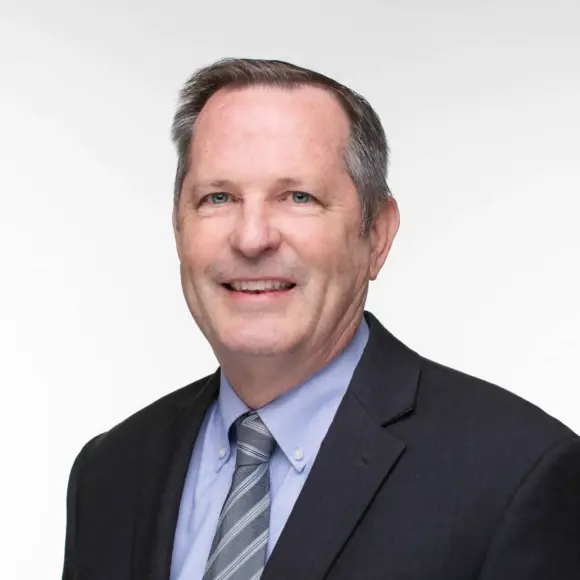
Alan Paulin
Senior Vice President & Clinical & Community Services
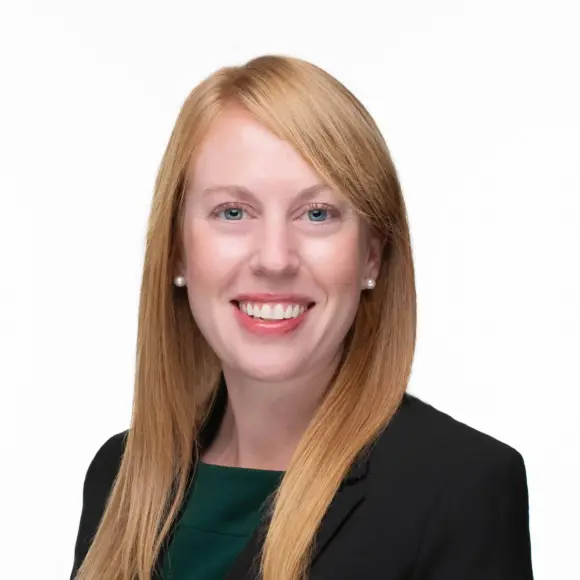
Ashley Tozier
Chief Operating Officer
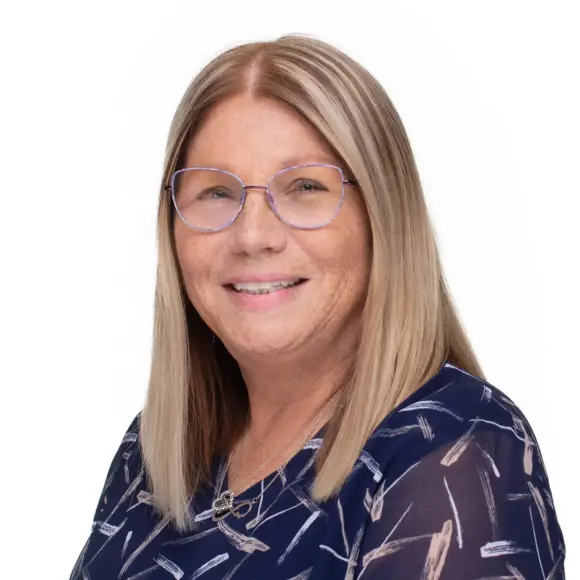
Annmarie Attaway
Senior Vice President & Chief financial Officer
Accreditations

The Commission on Accreditation of Rehabilitation Facilities (CARF) is a non-profit organization that specifically accredits rehab organizations. Founded in 1966, CARF's, mission is to help service providers like rehab facilities maintain high standards of care.
CARF Accreditation: Yes
Rehab.com regularly reviews this listing for accuracy but changes may occur between updates. For the most up-to-date information, please contact Meridian Behavioral Healthcare – Lake City Office.
Contact Information

439 Sw Michigan street
Lake City FL, 32025
Get Help Now - 352-261-6839
Sponsored Helpline
Sponsored Helpline



