St. Christopher's Addiction Wellness Center
1
Top 10 Rehab Centers In Baton Rouge




































































































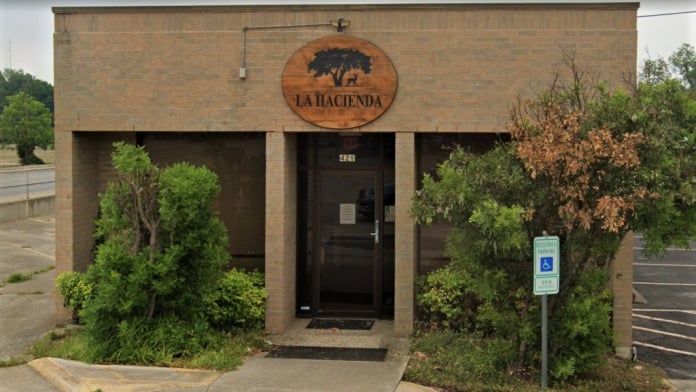
Patrician Movement Residential is a drug and alcohol rehab in San Antonio, Texas, providing residential substance use treatment for adults as part of a long-standing local recovery program.
Located on East Mitchell Street, the program offers both short and long-term residential care, along with outpatient services, screenings and assessments.
Its approach extends beyond clinical counseling to include education, case management and life-skills supports that encourage lasting recovery.
After an assessment, clients may enter short-term residential treatment (30 days or less) or long-term residential treatment (more than 30 days), with detox and outpatient options.
Within these programs, clients can expect drug and alcohol education, relapse prevention, case management and occupational and recreational therapy.
Gender-specific programming and support for co-occurring mental health and substance use disorders are part of the broader service picture.
To begin care at Patrician Movement Residential in San Antonio, prospective clients can complete an initial screening and assessment to identify the right level of treatment.
The intake team can review program options, discuss insurance coverage and outline payment assistance.




 Our Methodology


Medicaid is a state based program that helps lower-income individuals and families pay for healthcare. Medicaid covers addiction treatment so those enrolled can use their coverage to pay for rehab. When a program accepts Medicaid the client often pays very little or nothing out of their own pocket.
Medicare is a federal program that provides health insurance for those 65 and older. It also serves people under 65 with chronic and disabling health challenges. To use Medicare for addiction treatment you need to find a program that accepts Medicare and is in network with your plan. Out of pocket costs and preauthorization requirements vary, so always check with your provider.
Military members, veterans, and eligible dependents have access to specific insurance programs that help them get the care they need. TRICARE and VA insurance can help you access low cost or no cost addiction and mental health treatment. Programs that accept military insurance often have targeted treatment focused on the unique challenges military members, veterans, and their families face.
The goal of treatment for alcoholism is abstinence. Those with poor social support, poor motivation, or psychiatric disorders tend to relapse within a few years of treatment. For these people, success is measured by longer periods of abstinence, reduced use of alcohol, better health, and improved social functioning. Recovery and Maintenance are usually based on 12 step programs and AA meetings.
During rehab in Texas, you'll deal with underlying issues that contribute to addiction. By addressing these challenges and learning healthy ways to cope with them, you'll develop strategies that help you live a drug-free lifestyle.
Opioid rehabs specialize in supporting those recovering from opioid addiction. They treat those suffering from addiction to illegal opioids like heroin, as well as prescription drugs like oxycodone. These centers typically combine both physical as well as mental and emotional support to help stop addiction. Physical support often includes medical detox and subsequent medical support (including medication), and mental support includes in-depth therapy to address the underlying causes of addiction.
Substance rehabs focus on helping individuals recover from substance abuse, including alcohol and drug addiction (both illegal and prescription drugs). They often include the opportunity to engage in both individual as well as group therapy.
Adult rehab programs include therapies tailored to each client's specific needs, goals, and recovery progress. They are tailored to the specific challenges adult clients may face, including family and work pressures and commitments. From inpatient and residential treatment to various levels of outpatient services, there are many options available. Some facilities also help adults work through co-occurring conditions, like anxiety, that can accompany addiction.
Young adulthood can be an exciting, yet difficult, time of transition. Individuals in their late teens to mid-20s face unique stressors related to school, jobs, families, and social circles, which can lead to a rise in substance use. Rehab centers with dedicated young adult programs will include activities and amenities that cater to this age group, with an emphasis on specialized counseling, peer socialization, and ongoing aftercare.
Group therapy is any therapeutic work that happens in a group (not one-on-one). There are a number of different group therapy modalities, including support groups, experiential therapy, psycho-education, and more. Group therapy involves treatment as well as processing interaction between group members.

I had lived at these apartments for almost 2 years. The first year was amazing. However, after the property owner changed management companies it went downhill real quick. First, the gates never worked and were always open, which was a safety concern as anyone can drive in or walk-in. And if they were closed several times at night, they would not open using the app or the keypad preventing you from getting into your own community. Also, the property cleanliness is nonexistent now. The walkways need to be power washed as people with holes in their garbage bags have left trails all over the walkways. And on the topic of garbage, I don’t know if they’re not paying the city to remove the garbage Or what’s happening with that but the dumpster is constantly overflowing With garbage and into the streets. Not only is that Unsightly, Very unsanitary. Lastly, the office staff are completely incompetent and very rude. There have been several times I’ve walked because they wouldn’t answer their phone where I would stand in front of the desk of the leasing staff with no one else in the office and have to wait to be greeted because they were on their phone texting. Looking at you Precious. DO BETTER!

Everything is good here at St John's apartments I love my apartment. Thank you for everything Saint John apartments for making me live here comfortable.


 Back
Back
Sharing your insights and experiences can help others learn more about this rehab center.