Symetria — Hurst Outpatient Rehab & Suboxone Clinic
1
Top 10 Rehab Centers In Hurst





























































































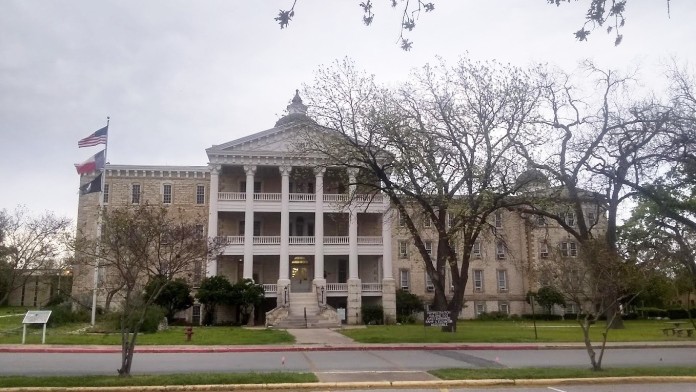
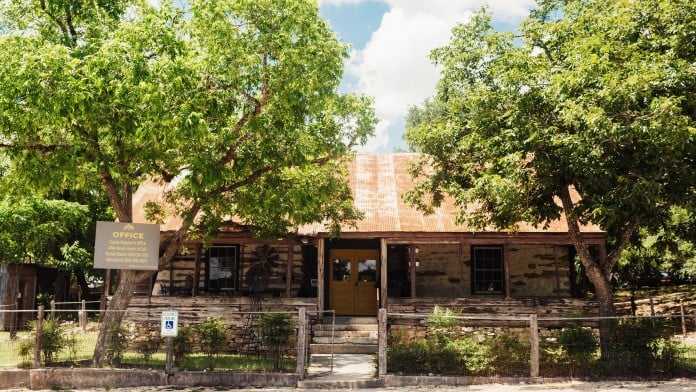
Austin State Hospital is located in Austin, Texas, near the University of Texas at Austin. The hospital provides a comprehensive continuum of care with preventative, outpatient, inpatient and residential care for clients with mental health and/or co-occurring substance use disorders (SUD).
The hospital accepts Medicare, Medicaid and other forms of state funding. Uninsured clients may receive care as coordinated through the local mental health system. The hospital serves mostly residents of Texas counties that are designated by the Department of State Health Services.
The facility is adjacent to Eastwoods Park, where there are calming outdoor environments and green spaces. The Hyde Park Historic District is also nearby.
The hospital specializes in stabilizing clients in acute crises. They offer a range of psychiatric and mental health inpatient services for children, adolescents, and adults.
Most clients have a primary mental health diagnosis, but I noticed that they do offer treatment for clients with co-occurring SUD. The clinicians focus on short term care, while working closely with the community to provide continued post discharge outpatient care.
The campus style environment is secure, and there are dedicated units for children, adolescents, and adults. I think clients will appreciate the beautifully landscaped areas, as well as the recreational spaces. There’s also a cafeteria and dining services.
Multidisciplinary teams include social workers, psychologists, nurses, psychiatrists and rehabilitation therapists. There’s a special emphasis on brain health and improved treatment outcomes that puts people first and uses the most up-to-date models of care.
Care teams collaborate with community providers and families. For court ordered clients, the team may also work with legal representatives. The team also focuses on transition planning to link clients with outpatient services upon discharge.

 Our Methodology


Medicaid is a state based program that helps lower-income individuals and families pay for healthcare. Medicaid covers addiction treatment so those enrolled can use their coverage to pay for rehab. When a program accepts Medicaid the client often pays very little or nothing out of their own pocket.
Private insurance refers to any kind of healthcare coverage that isn't from the state or federal government. This includes individual and family plans offered by an employer or purchased from the Insurance Marketplace. Every plan will have different requirements and out of pocket costs so be sure to get the full details before you start treatment.
Self-pay involves paying for treatment out of your own pocket. You can use savings or credit, get a personal loan, or receive help from family and friends to fund your treatment. If you don't have insurance or your insurance plan doesn't cover a specific program, self-pay can help ensure you still get the care you need.
Financial aid can take many forms. Centers may have grants or scholarships available to clients who meet eligibility requirements. Programs that receive SAMHSA grants may have financial aid available for those who need treatment as well. Grants and scholarships can help you pai for treatment without having to repay.
Medicare is a federal program that provides health insurance for those 65 and older. It also serves people under 65 with chronic and disabling health challenges. To use Medicare for addiction treatment you need to find a program that accepts Medicare and is in network with your plan. Out of pocket costs and preauthorization requirements vary, so always check with your provider.
Military members, veterans, and eligible dependents have access to specific insurance programs that help them get the care they need. TRICARE and VA insurance can help you access low cost or no cost addiction and mental health treatment. Programs that accept military insurance often have targeted treatment focused on the unique challenges military members, veterans, and their families face.
Residential treatment programs are those that offer housing and meals in addition to substance abuse treatment. Rehab facilities that offer residential treatment allow patients to focus solely on recovery, in an environment totally separate from their lives. Some rehab centers specialize in short-term residential treatment (a few days to a week or two), while others solely provide treatment on a long-term basis (several weeks to months). Some offer both, and tailor treatment to the patient's individual requirements.
Many of those suffering from addiction also suffer from mental or emotional illnesses like schizophrenia, bipolar disorder, depression, or anxiety disorders. Rehab and other substance abuse facilities treating those with a dual diagnosis or co-occurring disorder administer psychiatric treatment to address the person's mental health issue in addition to drug and alcohol rehabilitation.
Mental health rehabs focus on helping individuals recover from mental illnesses like bipolar disorder, clinical depression, anxiety disorders, schizophrenia, and more. Mental health professionals at these facilities are trained to understand and treat mental health issues, both in individual and group settings.
Adult rehab programs include therapies tailored to each client's specific needs, goals, and recovery progress. They are tailored to the specific challenges adult clients may face, including family and work pressures and commitments. From inpatient and residential treatment to various levels of outpatient services, there are many options available. Some facilities also help adults work through co-occurring conditions, like anxiety, that can accompany addiction.
Young adulthood can be an exciting, yet difficult, time of transition. Individuals in their late teens to mid-20s face unique stressors related to school, jobs, families, and social circles, which can lead to a rise in substance use. Rehab centers with dedicated young adult programs will include activities and amenities that cater to this age group, with an emphasis on specialized counseling, peer socialization, and ongoing aftercare.
Cognitive Behavioral Therapy (CBT) is a therapy modality that focuses on the relationship between one's thoughts, feelings, and behaviors. It is used to establish and allow for healthy responses to thoughts and feelings (instead of unhealthy responses, like using drugs or alcohol). CBT has been proven effective for recovering addicts of all kinds, and is used to strengthen a patient's own self-awareness and ability to self-regulate. CBT allows individuals to monitor their own emotional state, become more adept at communicating with others, and manage stress without needing to engage in substance abuse.
Dialectical Behavior Therapy (DBT) is a modified form of Cognitive Behavioral Therapy (CBT), a treatment designed to help people understand and ultimately affect the relationship between their thoughts, feelings, and behaviors. DBT is often used for individuals who struggle with self-harm behaviors, such as self-mutilation (cutting) and suicidal thoughts, urges, or attempts. It has been proven clinically effective for those who struggle with out-of-control emotions and mental health illnesses like Borderline Personality Disorder.
Experiential therapy is a form of therapy in which clients are encouraged to surface and work through subconscious issues by engaging in real-time experiences. Experiential therapy departs from traditional talk therapy by involving the body, and having clients engage in activities, movements, and physical and emotional expression. This can involve role-play or using props (which can include other people). Experiential therapy can help people process trauma, memories, and emotion quickly, deeply, and in a lasting fashion, leading to substantial and impactful healing.
Group therapy is any therapeutic work that happens in a group (not one-on-one). There are a number of different group therapy modalities, including support groups, experiential therapy, psycho-education, and more. Group therapy involves treatment as well as processing interaction between group members.
In individual therapy, a patient meets one-on-one with a trained psychologist or counselor. Therapy is a pivotal part of effective substance abuse treatment, as it often covers root causes of addiction, including challenges faced by the patient in their social, family, and work/school life.
Nicotine Replacement Therapy (NRT) is a way of getting nicotine into the bloodstream without smoking. It uses products that supply low doses of nicotine to help people stop smoking. The goal of therapy is to cut down on cravings for nicotine and ease the symptoms of nicotine withdrawal.
Nutrition therapy, aka medical nutrition therapy (MNT), is a way of treating physical, emotional, and medical conditions through diet. Specific dietary plans are designed by professional nutritionists or registered dietitians, and patients follow them in order to positively affect their physical and mental health.
Trauma therapy addresses traumatic incidents from a client's past that are likely affecting their present-day experience. Trauma is often one of the primary triggers and potential causes of addiction, and can stem from child sexual abuse, domestic violence, having a parent with a mental illness, losing one or both parents at a young age, teenage or adult sexual assault, or any number of other factors. The purpose of trauma therapy is to allow a patient to process trauma and move through and past it, with the help of trained and compassionate mental health professionals.
Executive Commissioner
Chief of Staff
Chief Program and Services Officer
Deputy Chief Program and Services Officer
Deputy Executive Commissioner, Behavioral Health Services
Rehab.com regularly reviews this listing for accuracy but changes may occur between updates. For the most up-to-date information, please contact Austin State Hospital.

4110 Guadalupe street
Austin, TX 78751
Sponsored Helpline

They did all they could to sweep my daughters incident and abuse there under the rug. She was attacked and jumped by 3 other female patients that ganged up on her after plotting it and luring my daughter to them when pretending to want to be friends. Discharged last Monday. They have done nothing but hinder me from getting it reported. It happened on 7-24-25 and I was told by Austin state police department that the hospital should report it. They never did. They asked me if I wanted to press charges and I said yes. Ive received nothing but the run around. This shouldnt be allowed to happen and then get swept under the rug. Not good to kids needing a high amount of mental help when they can be abused and it gets handled that way. Health and human services run it and investigate their own hospitals in these cases so of course the findings were that the staff did nothing wrong even though they allowed those patients out with general population after they attacked other patients previously, they belong in juvi for what they did to my daughter and numerous other patients and the staff should be held accountable. The social worker at the hospital even said those girls knew they could get away with whatever they wanted and were aggressive I should have recorded that call.

This place has helped my son so much. There are workers here who absolutely do go above and beyond their jobs. Anthony has been an angel for our family and definitely deserves to be recognized.

Would give 0 stars if possible I stayed here before some staff members were friendly and the school there was decent other than that it was literal hell poor management and a lot of violence on the units as well as they were keeping kids with intellectual disabilities on the normal adolescent units where they are more prone to being beat up since a lot of the people on the normal adolescent units were very violent with each other

Been there Done that, Picture it 2015 went Off the Deep End Just a little 🤪 KRRRAAAZZZEEEE This Place was a Life Saver, for many of My People, we became family sharing & bearing our Souls. The Care & Kindness, Respect, Patience, & Support We received from the Staff , I'll never Forget . Thank ♥️ You 🌟🌟⭐🌟🌟
 Back
Back
Sharing your insights and experiences can help others learn more about this rehab center.