About Peninsula Hospital
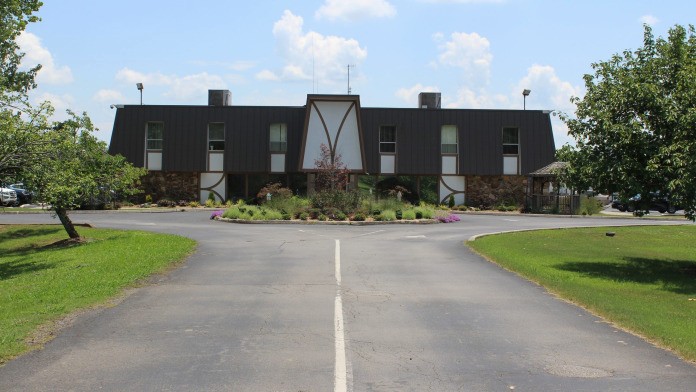
For alcohol and drug crisis stabilization, Peninsula Hospital is an addiction treatment center in Louisville, Tennessee. They have 155 beds.
Inpatient mental health care at the center covers adults, adolescents and children. The team includes psychiatrists, family therapists and activity therapists. The hospital accepts voluntary admissions as well as involuntary commitments.
Adult Intensive Outpatient Program
Peninsula’s Adult Intensive Outpatient Program at Peninsula Lighthouse is for adults 18 and older and meets four or five days a week. That schedule leaves fewer days outside treatment.
The program uses a dual diagnosis approach, meaning a substance use disorder and a mental health condition treated together. That approach uses motivational interviewing, a counseling style that starts from a person’s own reasons for change. They also use cognitive behavioral interventions and 12-step recovery programs.
The program accepts Medicare and TennCare, and it takes private pay as well.
Women in Treatment, a separate program, is for uninsured women ages 18 to 64 with an addiction.
The Louisville hospital operates around the clock, seven days a week, in Blount County, Tennessee.
Facility Overview
 155
Latest Reviews


Thank you,
Covenant Health Customer Care
865-374-0411

Rehab Score
 Our Methodology


Gallery
Other Forms of Payment
Private insurance refers to any kind of healthcare coverage that isn't from the state or federal government. This includes individual and family plans offered by an employer or purchased from the Insurance Marketplace. Every plan will have different requirements and out of pocket costs so be sure to get the full details before you start treatment.
Self-pay involves paying for treatment out of your own pocket. You can use savings or credit, get a personal loan, or receive help from family and friends to fund your treatment. If you don't have insurance or your insurance plan doesn't cover a specific program, self-pay can help ensure you still get the care you need.
Medicare is a federal program that provides health insurance for those 65 and older. It also serves people under 65 with chronic and disabling health challenges. To use Medicare for addiction treatment you need to find a program that accepts Medicare and is in network with your plan. Out of pocket costs and preauthorization requirements vary, so always check with your provider.
Military members, veterans, and eligible dependents have access to specific insurance programs that help them get the care they need. TRICARE and VA insurance can help you access low cost or no cost addiction and mental health treatment. Programs that accept military insurance often have targeted treatment focused on the unique challenges military members, veterans, and their families face.
Medicaid is a state based program that helps lower-income individuals and families pay for healthcare. Medicaid covers addiction treatment so those enrolled can use their coverage to pay for rehab. When a program accepts Medicaid the client often pays very little or nothing out of their own pocket.
Addiction Treatments
Levels of Care
Outpatient Programs (OP) are for those seeking mental rehab or drug rehab, but who also stay at home every night. The main difference between outpatient treatment (OP) and intensive outpatient treatment (IOP) lies in the amount of hours the patient spends at the facility. Most of the time an outpatient program is designed for someone who has completed an inpatient stay and is looking to continue their growth in recovery. Outpatient is not meant to be the starting point, it is commonly referred to as aftercare.
Residential treatment programs are those that offer housing and meals in addition to substance abuse treatment. Rehab facilities that offer residential treatment allow patients to focus solely on recovery, in an environment totally separate from their lives. Some rehab centers specialize in short-term residential treatment (a few days to a week or two), while others solely provide treatment on a long-term basis (several weeks to months). Some offer both, and tailor treatment to the patient's individual requirements.
At certain points in the recovery process, it's important to have support available 24/7. 24-hour clinical care offers a safe environment in which to recover from drug or alcohol addiction in peace, knowing medical detox and other treatment will happen with professionals on hand.
Treatments
Alcohol and drug crisis stabilization is inpatient, in a 24-hour, 155-bed program in Blount County. That's the alcohol care here.
When your day-to-day life is taken over by drug use, this is known as substance use disorder. If you abruptly stop using your drug of choice, you experience withdrawal symptoms. To overcome this cycle, professional drug rehab in Tennessee is usually needed.
It's a 155-bed inpatient program for mental health and alcohol and drug crisis stabilization. Adults, adolescents and children can get mental health care there. Both sit together.
Opioid rehabs specialize in supporting those recovering from opioid addiction. They treat those suffering from addiction to illegal opioids like heroin, as well as prescription drugs like oxycodone. These centers typically combine both physical as well as mental and emotional support to help stop addiction. Physical support often includes medical detox and subsequent medical support (including medication), and mental support includes in-depth therapy to address the underlying causes of addiction.
If you have a co-occurring mental health condition and an addiction, you'll want to address both conditions at the same time, under the same roof. If you only address the mental health disorder, you'll likely continue using drugs, which tends to make mental health issues even worse. On the other hand, if you only address the addiction, the symptoms of your mental health disorder will make it very hard to succeed in recovery.
Programs
Inpatient mental health services are open to adults, and also to adolescents and children. Adults are part of that same inpatient care.
Young adulthood can be an exciting, yet difficult, time of transition. Individuals in their late teens to mid-20s face unique stressors related to school, jobs, families, and social circles, which can lead to a rise in substance use. Rehab centers with dedicated young adult programs will include activities and amenities that cater to this age group, with an emphasis on specialized counseling, peer socialization, and ongoing aftercare.
Clinical Services
Group therapy is any therapeutic work that happens in a group (not one-on-one). There are a number of different group therapy modalities, including support groups, experiential therapy, psycho-education, and more. Group therapy involves treatment as well as processing interaction between group members.
In individual therapy, a patient meets one-on-one with a trained psychologist or counselor. Therapy is a pivotal part of effective substance abuse treatment, as it often covers root causes of addiction, including challenges faced by the patient in their social, family, and work/school life.
While engaged in couples therapy in Tennessee, you'll learn how to trust, communicate, forgive, and manage emotions. Developing these skills can be beneficial at any time during the relationship, but they are particularly crucial when facing life challenges.
Amenities
-
 Private Setting
Staff
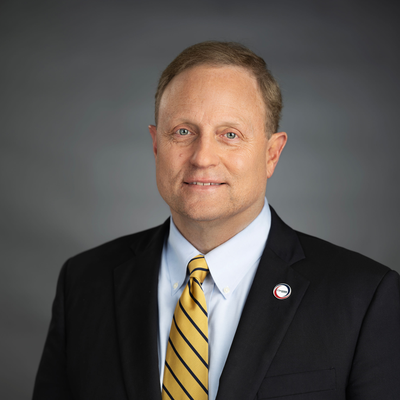
Jim VanderSteeg
President & CEO
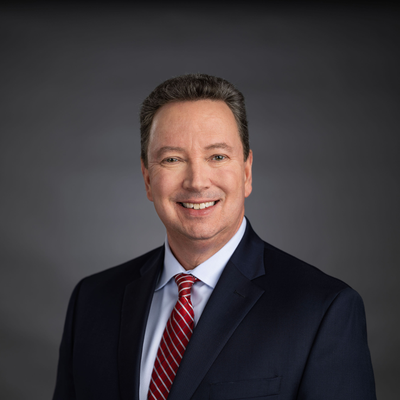
Mike Belbeck
Executive VP of Operations

Jon-David Deeson
Executive VP of Physician Enterprise and Ambulatory Services
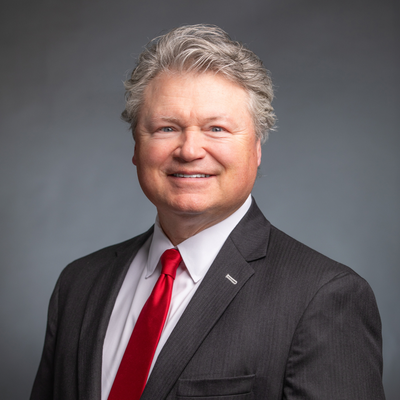
Doug Campbell
Executive VP and General Counsel
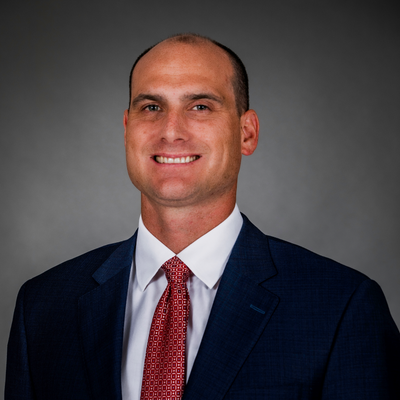
Joe Dolan
Executive VP and CFO
Rehab.com regularly reviews this listing for accuracy but changes may occur between updates. For the most up-to-date information, please contact Peninsula Hospital.
Contact Information


2347 Jones Bend Road
Louisville, TN 37777
Sponsored Helpline