































































































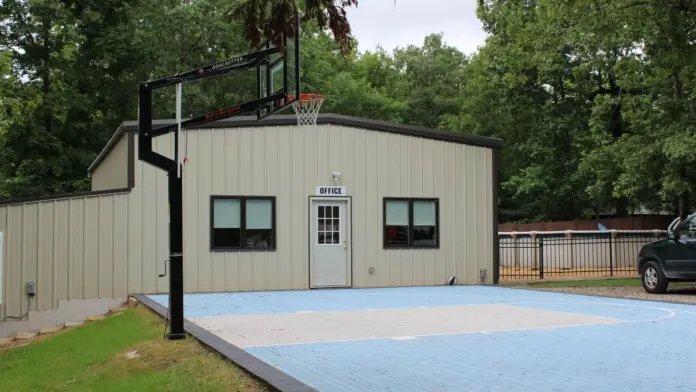
The experiences lived in this place are very rewarding. It is a place that after visiting it, you will never forget.
About SOZO Addiction Recovery Center, Inc.
Sozo Recovery uses a clinical approach to helping individuals overcome addiction and related concerns. Their programs include detox, residential treatment, a partial hospitalization program (PHP), and an intensive outpatient program (IOP).
The detoxification program focuses on providing a safe withdrawal process. Clients are overseen 24/hours a day by medical staff.
The residential program is for individuals who need 24-hour support. This program uses a clinical approach to address the mind, body, and spirit. Therapy, medications, and groups are provided.
The partial hospitalization program provides 20 hours of therapy, groups, and skills classes per week. The intensive outpatient program provides nine hours of therapy and groups per week.
Sozo Recovery accepts most insurance plans, including Magellan, Cigna, TRICARE, Wellmark, Amerigroup, Anthem, and United Healthcare. Out of network benefits may vary, so it is important to verify insurance coverage with your provider prior to enrolling in treatment.
Facility Overview
 16-30
16-30 Number of Available Beds
 31 - 60
 Avg Length of Stay in Days
Latest Reviews
Fabulous recovery program. Great staff and comfortable facilities!
Response from the owner4 days ago
Thank you for sharing your experience with us, Zach! We are thrilled to hear that you found our recovery program fabulous and that you appreciated our great staff and comfortable facilities. Your words mean a lot to us. Wishing you all the best on your journey to recovery!
You won’t find a better, more dedicated place to recover from a life destroyed by addiction. The love, understanding, and compassion they pour into each individual is unlike anything I’ve ever experienced anywhere in my life. Combine that with the knowledge and experience of the entire staff and you have something truly special. From the night managers to the director, each staff member is genuine, caring, and there to help make recovery from addiction achievable. They have created something remarkable.
Response from the owner4 days ago
Thank you for your heartfelt review, Matthew! We are grateful for your kind words and are glad to hear about your positive experience with us. Your journey to recovery is important to us, and we are here every step of the way to provide support and care. Thank you for choosing SOZO Addiction Recovery Center, Inc.
Sozo is the absolute best recovery center, I should know cause I’ve been to 7 different rehabs. Difference between Sozo and the rest is that the staff there really does care about clients, they will go out of their way to help, 5 stars
Response from the owner4 days ago
Thank you for sharing your experience with us! We are thrilled to hear that you found Sozo to be the best recovery center you've been to. Our dedicated staff is committed to providing exceptional care and support to all our clients. We're grateful for your kind words and for choosing Sozo Addiction Recovery Center. 
Rehab Score
 Our Methodology
Scoring is assigned by a proprietary system which helps surface key metrics that determine quality. The 10-point scale factors in categories such as operations, customer satisfaction, and trust metrics. Read Full Methodology

7.5 / 10
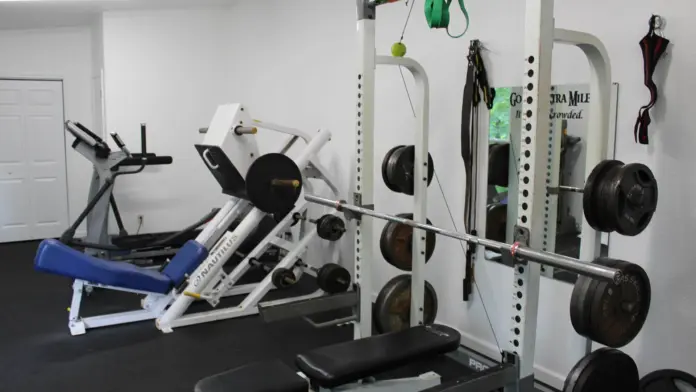
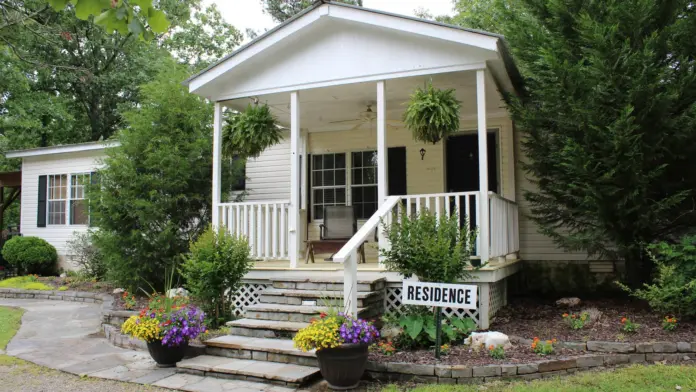
Gallery
Accepted Insurance
Other Forms of Payment
Private insurance refers to any kind of healthcare coverage that isn't from the state or federal government. This includes individual and family plans offered by an employer or purchased from the Insurance Marketplace. Every plan will have different requirements and out of pocket costs so be sure to get the full details before you start treatment.
Self-pay involves paying for treatment out of your own pocket. You can use savings or credit, get a personal loan, or receive help from family and friends to fund your treatment. If you don't have insurance or your insurance plan doesn't cover a specific program, self-pay can help ensure you still get the care you need.
Financial aid can take many forms. Centers may have grants or scholarships available to clients who meet eligibility requirements. Programs that receive SAMHSA grants may have financial aid available for those who need treatment as well. Grants and scholarships can help you pai for treatment without having to repay.
Addiction Treatments
Levels of Care
At SOZO, their outpatient treatment is sometimes referred to as “Transitional Living” because the client is transitioning from residential care, on through to outpatient care, while living on campus and preparing to reenter society. For those men who have jobs during this phase of recovery, their weekly amount of faith-based and addiction/recovery services received is 15-17 hours per week. By law, a program must offer four hours per week of addiction studies to be designated and “Outpatient Program”. The overwhelming majority of facilities only offer that four hour minimum of services. The individual resident’s outpatient program is designed around the resident’s on and off-campus schedule. When on campus, all residents are required to attend any and all classes that are going on at that time. Unlike typical “Chem Free” or “Transitional Living” houses, everything that residents do at SOZO is geared to achieve and maintain sobriety and full recovery from the client’s substance addiction. No one is excused from any ongoing group or class.
At SOZO Recovery Center, residential treatment is often referred to as “intensive care” or “recovery boot camp” because residents receive 63 hours per week of addiction studies and faith-based activities such as daily Bible study, worship services and a class at church on Wednesday nights that is specially designed for SOZO residents and those who wish to support them. One month at SOZO is equivalent to two and a half to three months in a conventional program. Residents stay in residential treatment for two-three months. In the first two months there are no weekend passes and cell phones are not allowed in the first month. They have a blend of court-remanded clients and those who self-admit. SOZO has a host of volunteers from both the church as well as local AA groups. They go off campus to church, AA meetings, Celebrate Recovery meetings and NA meetings. The SOZO men often volunteer to do community service such as serving Thanksgiving dinner at Samaritan Ministries, etc. Each resident obtains an AA sponsor in their first days in treatment. All groups are conducted in therapy-like group discussions. There are no lecture classes at SOZO. They work hard at creating an environment that supports the belief that “When the student is ready, the teacher will appear”.
Clients enrolled in intensive outpatient programs (IOP) may receive up to 20 hours of outpatient treatment per week, but a minimum of nine hours is standard. The intensity and frequency of treatment declines gradually as clients become more stable and prepare to transition to standard outpatient programs. Intensive outpatient treatments generally encompass a variety of modalities, including individual, group, and family therapy, recovery-focused life skills training, and medication assisted treatment (MAT).
Clients in addiction recovery typically require robust, ongoing support, which rehab aftercare programs are designed to provide. These programs are premised on the idea that clients' mental, emotional, physical, social, and financial wellbeing is essential to recovery. Clients collaborate with their case managers and addiction recovery team to identify the rehab aftercare services they will need to thrive while in recovery. Clients may receive peer coaching, career counseling, and 12 step program induction, among other services.
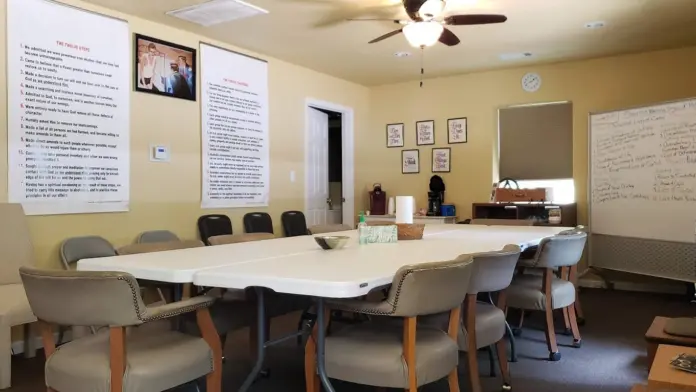
12-step programs are addiction recovery models based on Alcoholics Anonymous (AA). A number of substance abuse programs (including some drug and alcohol rehab centers) use the 12 steps as a basis for treatment. Beginning steps involve admitting powerlessness over the addiction and creating a spiritual basis for recovery. Middle steps including making direct amends to those who've been hurt by the addiction, and the final step is to assist others in addiction recovery in the same way. 12-Step offshoots including Narcotics Anonymous (NA), Cocaine Anonymous (CA), Dual Recovery Anonymous (DRA), Sex and Love Addicts Anonymous (SLAA) and Gamblers Anonymous (GA).
Sober Living Houses (SLHs), aka sober homes or halfway houses, are safe, substance-free, supportive living facilities for those recovering from substance abuse. Ideal for those who've just been through inpatient or outpatient treatment, SLHs are supervised environments with rules that support sobriety, such as curfews, shared chores, and therapeutic meetings. Residents are also often trained on life skills and coping skills to make it easier to transition into society. SLHs also provide a strong sense of community that can lead to the kind of deep and lasting connections with other sober individuals that supports a new, healthy lifestyle.
A drug intervention in Arkansas is an organized effort made by the loved ones of a person who's struggling with substance abuse. The goal is to show the person how their addiction has negatively affected the lives of family and friends. While some loved ones plan an intervention on their own, it's best to rely on professional intervention services that are available. Involving an expert for insight and guidance can often increase the chances of success for the intervention.
The process of a medically assisted detox is when all addictive substances are removed from your body. Usually performed in an inpatient setting, you are under the 24/7 care of licensed medical medical professionals who keep you safe and comfortable during the detoxification. Medications are often administered to help alleviate potential withdrawal symptoms.The process can vary in length, but it typically takes 5-7 days.
Treatments
The goal of treatment for alcoholism is abstinence. Those with poor social support, poor motivation, or psychiatric disorders tend to relapse within a few years of treatment. For these people, success is measured by longer periods of abstinence, reduced use of alcohol, better health, and improved social functioning. Recovery and Maintenance are usually based on 12 step programs and AA meetings.
The goal of drug rehab in Arkansas is to help individuals stop using addictive substances and learn healthy ways to remain clean long-term. Participants learn vital skills to cope with cravings and manage stress, to prevent relapse.
Many of those suffering from addiction also suffer from mental or emotional illnesses like schizophrenia, bipolar disorder, depression, or anxiety disorders. Rehab and other substance abuse facilities treating those with a dual diagnosis or co-occurring disorder administer psychiatric treatment to address the person's mental health issue in addition to drug and alcohol rehabilitation.
A combined mental health and substance abuse rehab has the staff and resources available to handle individuals with both mental health and substance abuse issues. It can be challenging to determine where a specific symptom stems from (a mental health issue or an issue related to substance abuse), so mental health and substance abuse professionals are helpful in detangling symptoms and keeping treatment on track.
Opioid rehabs specialize in supporting those recovering from opioid addiction. They treat those suffering from addiction to illegal opioids like heroin, as well as prescription drugs like oxycodone. These centers typically combine both physical as well as mental and emotional support to help stop addiction. Physical support often includes medical detox and subsequent medical support (including medication), and mental support includes in-depth therapy to address the underlying causes of addiction.
Programs
Adult rehab programs include therapies tailored to each client's specific needs, goals, and recovery progress. They are tailored to the specific challenges adult clients may face, including family and work pressures and commitments. From inpatient and residential treatment to various levels of outpatient services, there are many options available. Some facilities also help adults work through co-occurring conditions, like anxiety, that can accompany addiction.
Young adulthood can be an exciting, yet difficult, time of transition. Individuals in their late teens to mid-20s face unique stressors related to school, jobs, families, and social circles, which can lead to a rise in substance use. Rehab centers with dedicated young adult programs will include activities and amenities that cater to this age group, with an emphasis on specialized counseling, peer socialization, and ongoing aftercare.
Clinical Services
One of the most common types of psychotherapy, cognitive behavioral therapy in Arkansas is an effective tool for the treatment of substance use disorder. It is a common therapeutic method that is used to treat a variety of mental and behavioral health challenges.
Group therapy is any therapeutic work that happens in a group (not one-on-one). There are a number of different group therapy modalities, including support groups, experiential therapy, psycho-education, and more. Group therapy involves treatment as well as processing interaction between group members.
In individual therapy, a patient meets one-on-one with a trained psychologist or counselor. Therapy is a pivotal part of effective substance abuse treatment, as it often covers root causes of addiction, including challenges faced by the patient in their social, family, and work/school life.
The goal of trauma therapy is to address the lingering mental, emotional, and physical lingering effects of a traumatic event. Your therapist helps you process this trauma and build resilience to face future challenges.
Whether a marriage or other committed relationship, an intimate partnership is one of the most important aspects of a person's life. Drug and alcohol addiction affects both members of a couple in deep and meaningful ways, as does rehab and recovery. Couples therapy and other couples-focused treatment programs are significant parts of exploring triggers of addiction, as well as learning how to build healthy patterns to support ongoing sobriety.
Research clearly demonstrates that recovery is far more successful and sustainable when loved ones like family members participate in rehab and substance abuse treatment. Genetic factors may be at play when it comes to drug and alcohol addiction, as well as mental health issues. Family dynamics often play a critical role in addiction triggers, and if properly educated, family members can be a strong source of support when it comes to rehabilitation.
Developing life skills while undergoing rehab treatment in Arkansas is a crucial part of your recovery. During treatment, you may focus on learning communication skills, critical thinking skills, problem solving, self awareness, assertiveness, and coping skills.
Amenities
-
 Residential Setting
 -
 Private Setting
Staff
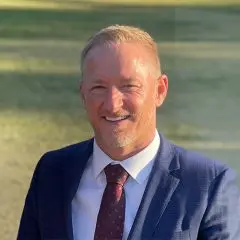
Brad Lovan, LMSW, AADC
Executive Director

Bob O'Dowd, CIT
Executive Director Emeritus

Kahla Lovan, RN
Program Director
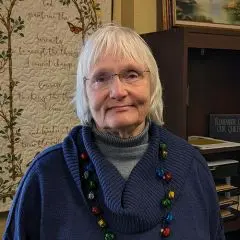
Billie Welch, LCSW, AAD
Clinical Director
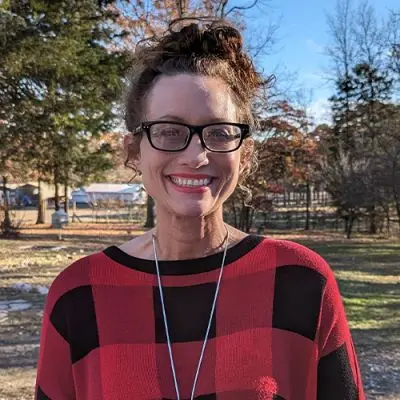
Mallory Lawler, Mental Health Therapist
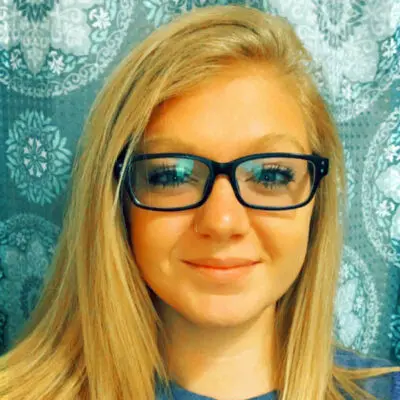
Sarah Webb
Intake Coordinator
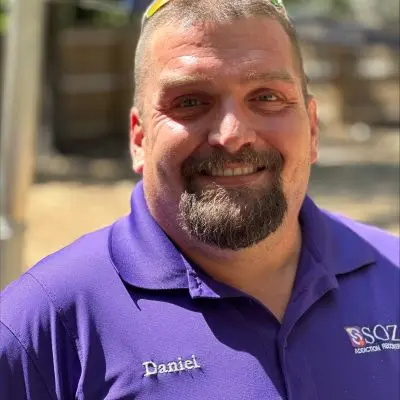
Daniel Thompson, CIT
Counselor-In-Training
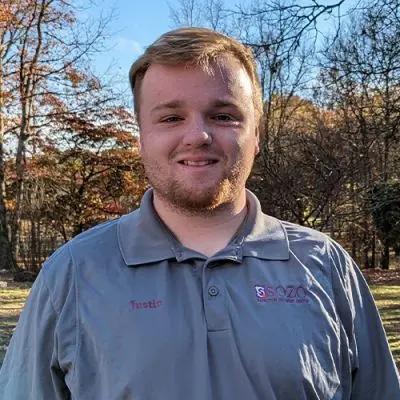
Justin Turner, CIT
Residential Manager
Rehab.com regularly reviews this listing for accuracy but changes may occur between updates. For the most up-to-date information, please contact SOZO Addiction Recovery Center, Inc..
Contact Information

243 Nathan Terrace
Jessieville, AR 71949
Get Help Now - 501-575-0717
Sponsored Helpline
Sponsored Helpline


