The staff is rude I can't believe that kind of people working on mental health problems. They treat you like animals. Someone has to close down this place!
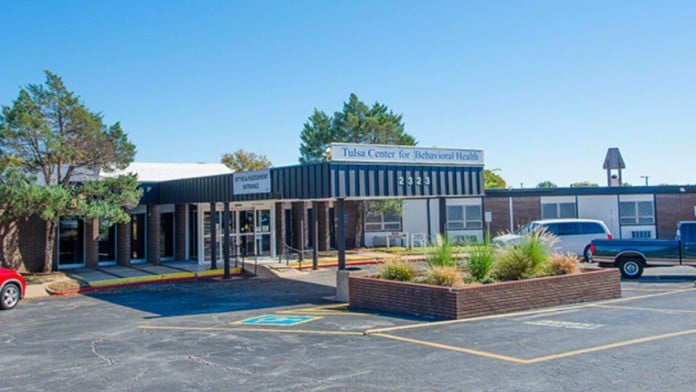
About Tulsa Center for Behavioral Health
This facility can hold up to 56 people at a time. They serve individuals who are medically stable but in the middle of a mental health crisis. If you’re here it’s because you’ve been deemed an immediate danger to yourself or others or you can’t care for yourself due to a psychiatric issue you’re facing.
Their primary services include evaluation and assessments as well as psychiatric medical care. If you’re struggling with a drug or alcohol addiction as well as a co-occurring disorder like depression or anxiety, they can help you overcome your condition. Your care team will consist of a multidisciplinary team of providers including psychiatrists, nurses, therapists, social workers and case managers. They’ll work with you from day one to develop an individualized treatment and discharge plan.
The general consensus from past clients is that this facility needs an operational restructuring. From improper medication management to uncomfortable living conditions, there are several issues repeatedly noted.
Facility Overview
Latest Reviews
We’re sorry to hear that you had a negative experience with us. We take your feedback very seriously.
We would like to invite you to get in touch with our Consumer Advocacy Division at advocacydivision@odmhsas.org so we can discuss this further and ensure that your expectations are met. We look forward to hearing from you.
We’re sorry to hear that you had a negative experience with us. We take your feedback very seriously.
We would like to invite you to get in touch with our Consumer Advocacy Division at advocacydivision@odmhsas.org so we can discuss this further and ensure that your expectations are met. We look forward to hearing from you.
We’re sorry to hear that you had a negative experience with us. We take your feedback very seriously.
We would like to invite you to get in touch with our Consumer Advocacy Division at advocacydivision@odmhsas.org so we can discuss this further and ensure that your expectations are met. We look forward to hearing from you.
Rehab Score
Gallery
Other Forms of Payment
Private insurance refers to any kind of healthcare coverage that isn't from the state or federal government. This includes individual and family plans offered by an employer or purchased from the Insurance Marketplace. Every plan will have different requirements and out of pocket costs so be sure to get the full details before you start treatment.
Self-pay involves paying for treatment out of your own pocket. You can use savings or credit, get a personal loan, or receive help from family and friends to fund your treatment. If you don't have insurance or your insurance plan doesn't cover a specific program, self-pay can help ensure you still get the care you need.
Financial aid can take many forms. Centers may have grants or scholarships available to clients who meet eligibility requirements. Programs that receive SAMHSA grants may have financial aid available for those who need treatment as well. Grants and scholarships can help you pai for treatment without having to repay.
Sliding scale payments are based on a client's income and family size. The goal is to make treatment affordable to everyone. By taking these factors into account, addiction recovery care providers help ensure that your treatment does not become a financial burden to you or your family, eliminating one barrier to care.
Military members, veterans, and eligible dependents have access to specific insurance programs that help them get the care they need. TRICARE and VA insurance can help you access low cost or no cost addiction and mental health treatment. Programs that accept military insurance often have targeted treatment focused on the unique challenges military members, veterans, and their families face.
Medicaid is a state based program that helps lower-income individuals and families pay for healthcare. Medicaid covers addiction treatment so those enrolled can use their coverage to pay for rehab. When a program accepts Medicaid the client often pays very little or nothing out of their own pocket.
Addiction Treatments
Levels of Care
Residential treatment programs are those that offer housing and meals in addition to substance abuse treatment. Rehab facilities that offer residential treatment allow patients to focus solely on recovery, in an environment totally separate from their lives. Some rehab centers specialize in short-term residential treatment (a few days to a week or two), while others solely provide treatment on a long-term basis (several weeks to months). Some offer both, and tailor treatment to the patient's individual requirements.
Treatments
Many of those suffering from addiction also suffer from mental or emotional illnesses like schizophrenia, bipolar disorder, depression, or anxiety disorders. Rehab and other substance abuse facilities treating those with a dual diagnosis or co-occurring disorder administer psychiatric treatment to address the person's mental health issue in addition to drug and alcohol rehabilitation.
Mental health rehabs focus on helping individuals recover from mental illnesses like bipolar disorder, clinical depression, anxiety disorders, schizophrenia, and more. Mental health professionals at these facilities are trained to understand and treat mental health issues, both in individual and group settings.
Programs
Adult rehab programs include therapies tailored to each client's specific needs, goals, and recovery progress. They are tailored to the specific challenges adult clients may face, including family and work pressures and commitments. From inpatient and residential treatment to various levels of outpatient services, there are many options available. Some facilities also help adults work through co-occurring conditions, like anxiety, that can accompany addiction.
Young adulthood can be an exciting, yet difficult, time of transition. Individuals in their late teens to mid-20s face unique stressors related to school, jobs, families, and social circles, which can lead to a rise in substance use. Rehab centers with dedicated young adult programs will include activities and amenities that cater to this age group, with an emphasis on specialized counseling, peer socialization, and ongoing aftercare.
Serving in the military is both mentally and physically challenging, and can result in trauma that persists even after combat ends. Military programs are tailored to the specific and often complex needs of active duty personnel, veterans, and military families. Clients often access these programs through the U.S. Department of Veterans Affairs (VA).
Clinical Services
If you participate in cognitive behavioral therapy in Oklahoma, you can expect to attend somewhere between five and 20 sessions. This short term method is an effective way to learn healthy coping strategies that help you change your thinking and behavior patterns.
Group therapy is any therapeutic work that happens in a group (not one-on-one). There are a number of different group therapy modalities, including support groups, experiential therapy, psycho-education, and more. Group therapy involves treatment as well as processing interaction between group members.
In individual therapy, a patient meets one-on-one with a trained psychologist or counselor. Therapy is a pivotal part of effective substance abuse treatment, as it often covers root causes of addiction, including challenges faced by the patient in their social, family, and work/school life.
Trauma therapy provides you with a safe and supportive environment in which you can confront and address the emotional and physical impacts of traumatic events. Your therapist helps you understand your emotional and physical responses and develop healthier coping skills, which lowers your anxiety level and provides you with greater self confidence.
Family therapy offers a safe space for family members to openly talk about their feelings and the challenges that addiction has triggered. This process helps to improve their understanding of the disease of addiction and supports the family's unified approach to the recovery journey.
Experiential therapy is a form of therapy in which clients are encouraged to surface and work through subconscious issues by engaging in real-time experiences. Experiential therapy departs from traditional talk therapy by involving the body, and having clients engage in activities, movements, and physical and emotional expression. This can involve role-play or using props (which can include other people). Experiential therapy can help people process trauma, memories, and emotion quickly, deeply, and in a lasting fashion, leading to substantial and impactful healing.
Nicotine Replacement Therapy (NRT) is a way of getting nicotine into the bloodstream without smoking. It uses products that supply low doses of nicotine to help people stop smoking. The goal of therapy is to cut down on cravings for nicotine and ease the symptoms of nicotine withdrawal.


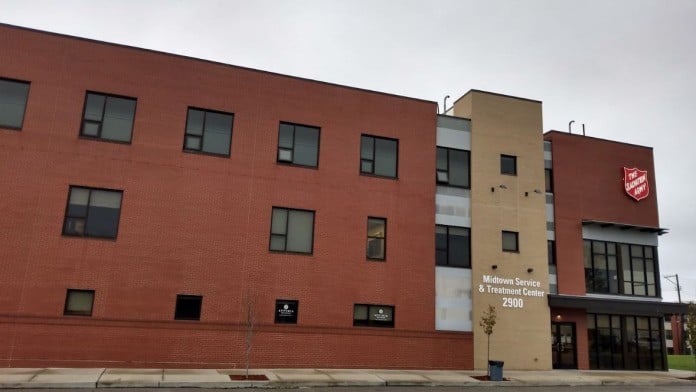

Contact Information
2323 South Harvard Avenue
Tulsa, OK 74114