Get Help Now
Question iconSponsored Helpline

Phone icon 800-784-1361
Claim Profile

GRAND Addiction Recovery Center

6333 East Skelly Drive
Tulsa, OK 74135
Claim Profile
12 and 12 OK 74135

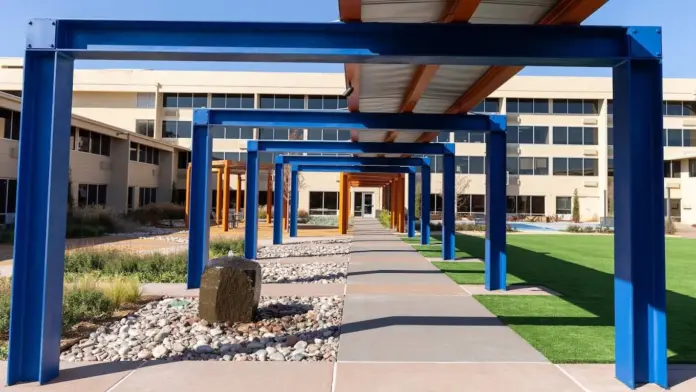
About GRAND Addiction Recovery Center

They treat substance (SUD) and alcohol use disorder (AUD). They also treat dual-diagnosis patients. They have programs for both adults and families. There’s also specialized care for seniors and veterans.

This service is available if you have overdosed on a substance or alcohol or if you’re having a mental health crisis. They are the first crisis center of their kind. If you need transportation to the facility, they can provide that as well.

GRAND has a trained medical staff that will help you get through detox. They’ll monitor you for as long as it takes to get you stabilized enough to go home or to a mental health care facility. You can stay for 2 or 3 days if it is necessary.

The center works with local police departments. They handle drug overdose cases so police can concentrate on public safety.

Once you stabilize, they will give you an assessment. They can refer you to inpatient and outpatient care facilities. They will recommend a treatment plan based on this assessment. They believe in treating the whole person and will make sure the plan includes medical and psychiatric treatment.

Treatment is offered 24 hours a day. You can walk in at any time without an appointment. Former clients have stated that this is one of the best facilities they have been to. They say the staff is helpful and friendly.

Similar Rehab Centers

Fact checked and written by:
Eliza Gale
Edited by:
Peter Lee, PhD

Facility Overview

Calendar icon 31 - 60
Avg Length of Stay in Days

Latest Reviews

Danielle Hopper
1 week ago on Google
1
So far our experience at this place has been terrible. We waited on a list for my boyfriend to get into detox for 17 hours. To find out they wouldn't take him because they said he has two insurance. Which he does not have. We called and got this fixed with his current insurance company. They gave me a reference number and said he should be able to be to go into the rehab facility. I called them back told them what told to me and gave them the information. They told me it didn't matter we would have to wait possiblly 30 days for him to be admitted because it had to fall off all the way. I understand them needing payment but the thing is he hasn't had this other insurance since May of this year. They were given references number and everything thing to show he didn't have the other insurance and his insurance said it would be covered. So I don't understand why he still can not come in and if u all can't help him then why not get me into contact or give somewhere that can. It is hard for someone to make the choice to get sober and to tell them u will most likely have to wait to get help because u have two insurance when u don't and can provide proof of that and the insurance company is saying yes u can have treatment at the facility and it will be covered. And also the people in the detox center are completely rude
Bryan Davis
1 week ago on Google
5
12&12 saved my life. I had a great experience there with first class personnel and counselors. I would recommend this facility to anyone who is struggling with addiction. 5 star review
Jr Langston85
3 weeks ago on Google
5
I haven't been here yet but I know people that have, I'm currently homeless in Norman, Oklahoma and have been for many years, I am trying to build up the confidence to push myself into doing something like this cause I have a 14 year old daughter that means the world to me, and being out here over a long period of time has really driven my confidence into the ground. Reading comments from people really help, I pray that soon I'll have enough confidence to go do this or something like this, I'm just wanting to make sure I don't have to come back to this way of living cause I'm afraid of what it's going to do "mentally." It isn't good to have no hope out here and that[ would definitely cause it.... Thank you for listening
Rehab.com icon

Rehab Score

Question iconOur Methodology
Scoring is assigned by a proprietary system which helps surface key metrics that determine quality. The 10-point scale factors in categories such as operations, customer satisfaction, and trust metrics. Read Full MethodologyCaret icon
Gauge icon
6.8 / 10

Other Forms of Payment

Medicaid is a state based program that helps lower-income individuals and families pay for healthcare. Medicaid covers addiction treatment so those enrolled can use their coverage to pay for rehab. When a program accepts Medicaid the client often pays very little or nothing out of their own pocket.

Private insurance refers to any kind of healthcare coverage that isn't from the state or federal government. This includes individual and family plans offered by an employer or purchased from the Insurance Marketplace. Every plan will have different requirements and out of pocket costs so be sure to get the full details before you start treatment.

Self-pay involves paying for treatment out of your own pocket. You can use savings or credit, get a personal loan, or receive help from family and friends to fund your treatment. If you don't have insurance or your insurance plan doesn't cover a specific program, self-pay can help ensure you still get the care you need.

Financial aid can take many forms. Centers may have grants or scholarships available to clients who meet eligibility requirements. Programs that receive SAMHSA grants may have financial aid available for those who need treatment as well. Grants and scholarships can help you pai for treatment without having to repay.

Addiction Treatments

Levels of Care

Designed for those who do not meet residential admission criteria; are in need of interim services or are ready for the gradual step-down to less-intense services from a residential/higher level of care. Addiction and recovery education, individual and/or group counseling, case management, and peer recovery support services are available. Typical outpatient programs last six-seven weeks and include approximate 20 to 24 three-hour sessions. Both day and evening sessions are available to accommodate employment and childcare needs.

It's their highest level of care, designed for those who are Physician-assessed to be at a high degree of risk for medical complications during AOD withdrawal. This program involves medical monitoring protocols, staffed by registered nurses. With primary care oversight administered by an addiction-certified physician, typical length of stay at this level is 4 to 7 days. After a brief medical stabilization and a possible, if indicated, medications induction, Ambulatory Detox provides a convenient alternative to medically-supervised detox on an outpatient basis for patients/clients who have an active, healthy support system and present with no apparent high-risk medical or neurological symptoms as a result of substance abuse.

Designed to meet the needs of clients who do not meet residential admission criteria but are in need of an intense level of Outpatient engagement (9-16 hours of counseling services per week) for 4-12 weeks, depending upon need and progress toward Treatment Plan goals and objective. Many times used as a step-down from Detox and/or Residential Treatment, IOP combines individual, group, education, Relapse Prevention and other

The Intense Residential Treatment is facilitated by an experienced, Licensed/under-supervision Primary Counselor (supplemented by an Integrated Treatment Team) this protocol includes 37 hours weekly hours of integrated, individual, group, and education counseling services. While still providing the 37 hours of weekly treatment services, the Intense Co-occurring Residential Treatment program also focuses on the greater challenges faced by those dealing with diagnosed depression and other psychiatric and mental health issues while treating the primary disease of AOD addiction. Their Addiction Board-licensed psychiatrist provides oversight with psychiatric services, supervises medication protocols, and works with other treatment team professional to complete the integrated collaboration. Typical length of stay is 45 to 60 days.

Their Halfway/Transitional Living level of care is available to clients who have completed residential substance abuse services and are prepared to experience gradual step-down to lower level of care. Halfway/Transitional Living provides clients with the opportunity to work and develop skills to create or restore balance between work, family, and leisure. Clients are required to obtain employment or attend school, as well as continue with outpatient counseling. Typical length of stay is two to three months, with a maximum stay of four months.

12-step programs are addiction recovery models based on Alcoholics Anonymous (AA). A number of substance abuse programs (including some drug and alcohol rehab centers) use the 12 steps as a basis for treatment. Beginning steps involve admitting powerlessness over the addiction and creating a spiritual basis for recovery. Middle steps including making direct amends to those who've been hurt by the addiction, and the final step is to assist others in addiction recovery in the same way. 12-Step offshoots including Narcotics Anonymous (NA), Cocaine Anonymous (CA), Dual Recovery Anonymous (DRA), Sex and Love Addicts Anonymous (SLAA) and Gamblers Anonymous (GA).

At certain points in the recovery process, it's important to have support available 24/7. 24-hour clinical care offers a safe environment in which to recover from drug or alcohol addiction in peace, knowing medical detox and other treatment will happen with professionals on hand.

Designed for all patients/clients who complete any 12&12 residential or outpatient treatment program. Their CC assists the client in continuing his or her recovery process by participating in group support sessions. Their Alumni Association members share their recovery experience with each other and support the populations still receiving services at 12&12 by bring meetings and speakers into the patient/client groups, bringing holiday cheer to our patients and clients in DETOX and by serving as an initial contact and recovery community support contact when someone completes treatment.

Treatments

The goal of treatment for alcoholism is abstinence. Those with poor social support, poor motivation, or psychiatric disorders tend to relapse within a few years of treatment. For these people, success is measured by longer periods of abstinence, reduced use of alcohol, better health, and improved social functioning. Recovery and Maintenance are usually based on 12 step programs and AA meetings.

To address the issues of addiction, each drug rehab in Oklahoma is tailored to meet the individual's needs. Treatment may occur in a residential or outpatient setting, and may last from a few days to several months.

Many of those suffering from addiction also suffer from mental or emotional illnesses like schizophrenia, bipolar disorder, depression, or anxiety disorders. Rehab and other substance abuse facilities treating those with a dual diagnosis or co-occurring disorder administer psychiatric treatment to address the person's mental health issue in addition to drug and alcohol rehabilitation.

A combined mental health and substance abuse rehab has the staff and resources available to handle individuals with both mental health and substance abuse issues. It can be challenging to determine where a specific symptom stems from (a mental health issue or an issue related to substance abuse), so mental health and substance abuse professionals are helpful in detangling symptoms and keeping treatment on track.

Opioid rehabs specialize in supporting those recovering from opioid addiction. They treat those suffering from addiction to illegal opioids like heroin, as well as prescription drugs like oxycodone. These centers typically combine both physical as well as mental and emotional support to help stop addiction. Physical support often includes medical detox and subsequent medical support (including medication), and mental support includes in-depth therapy to address the underlying causes of addiction.

Programs

Adult rehab programs include therapies tailored to each client's specific needs, goals, and recovery progress. They are tailored to the specific challenges adult clients may face, including family and work pressures and commitments. From inpatient and residential treatment to various levels of outpatient services, there are many options available. Some facilities also help adults work through co-occurring conditions, like anxiety, that can accompany addiction.

Young adulthood can be an exciting, yet difficult, time of transition. Individuals in their late teens to mid-20s face unique stressors related to school, jobs, families, and social circles, which can lead to a rise in substance use. Rehab centers with dedicated young adult programs will include activities and amenities that cater to this age group, with an emphasis on specialized counseling, peer socialization, and ongoing aftercare.

Clinical Services

Group therapy is any therapeutic work that happens in a group (not one-on-one). There are a number of different group therapy modalities, including support groups, experiential therapy, psycho-education, and more. Group therapy involves treatment as well as processing interaction between group members.

In individual therapy, a patient meets one-on-one with a trained psychologist or counselor. Therapy is a pivotal part of effective substance abuse treatment, as it often covers root causes of addiction, including challenges faced by the patient in their social, family, and work/school life.

Family involvement is an integral part of the treatment and recovery process at 12&12. Addiction is a chronic, progressive illness and it affects not only the afflicted person, but also his or her spouse, partner, family members or concerned friends. At 12&12, they believe recovery is a family process.

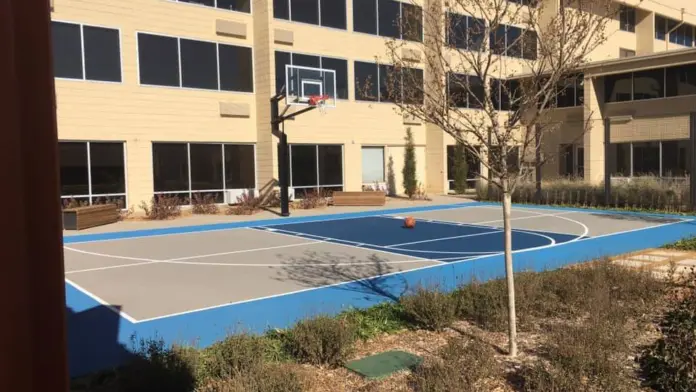
Using recreational therapy in Oklahoma within a drug and alcohol addiction treatment program helps you find joy and purpose within healthy activities. These could include gardening, group games, team sports, and swimming. These activities promote relaxation and social interaction, which are crucial to sustain long term recovery.

Amenities

  • home-setting iconResidential Setting
  • private iconPrivate Setting

Staff & Accreditations

Staff

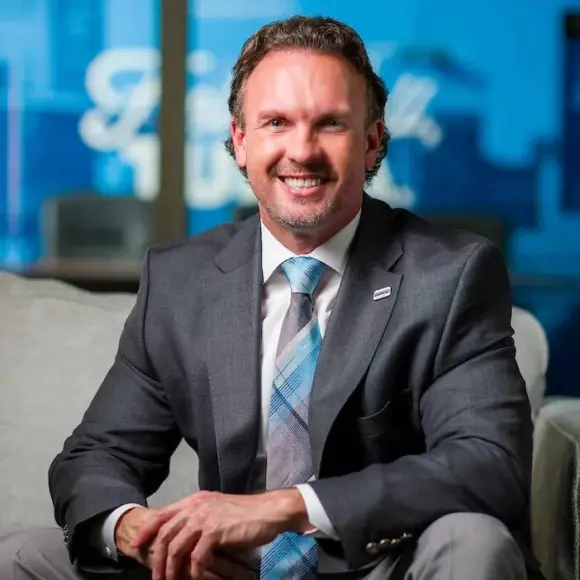
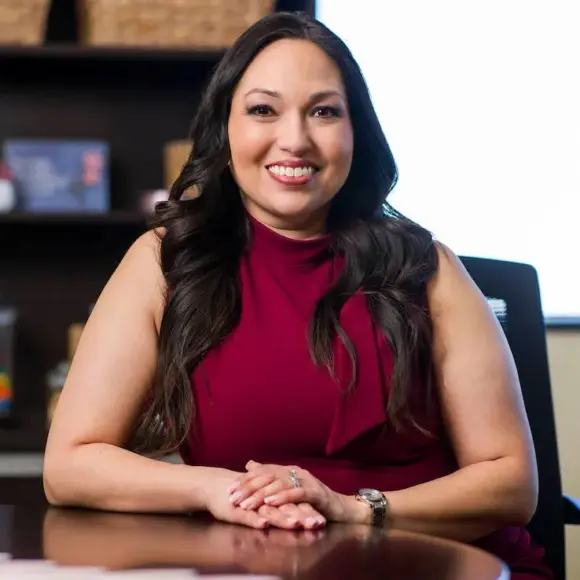
Josh Cantwell

CEO

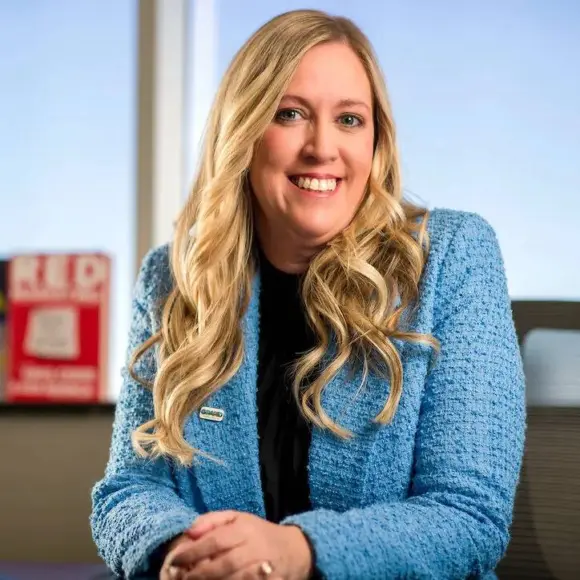
Donna Aultz

Chief Facilities & Maintenance Officer

Jeff Harlin

Chief Administrative Officer-Tulsa

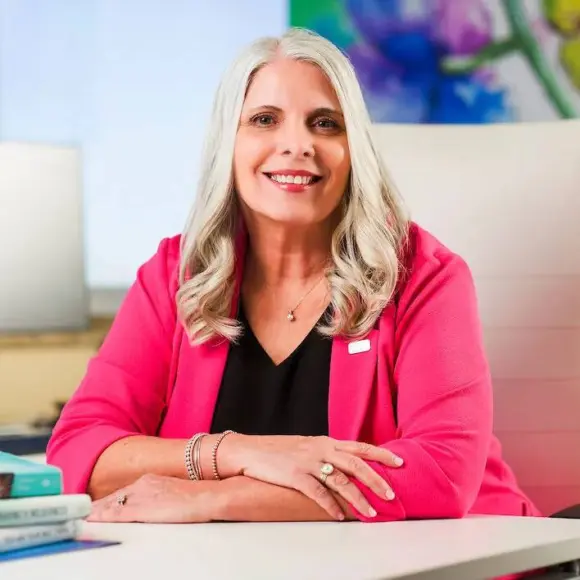
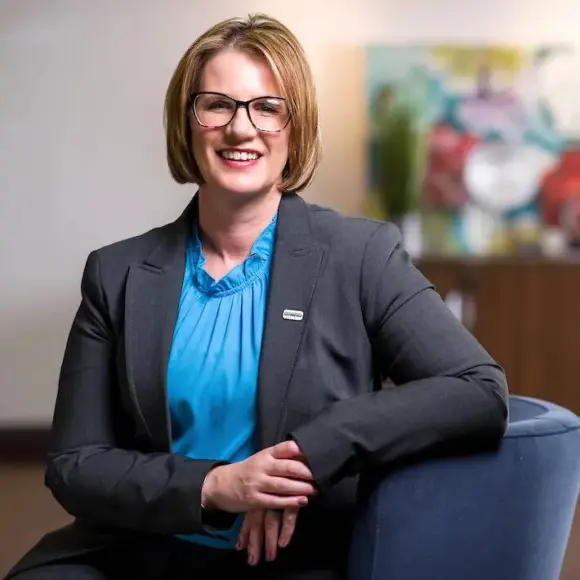
Kimberly Hill-Crowell

Chief Clinical Officer-Tulsa

Nicholas Allgood

Chief Clinical Officer-Crisis Services

Tricia Walters

Chief Human Resources Officer

Amy Garrison

Chief Administrative Officer-Northeast/North Central

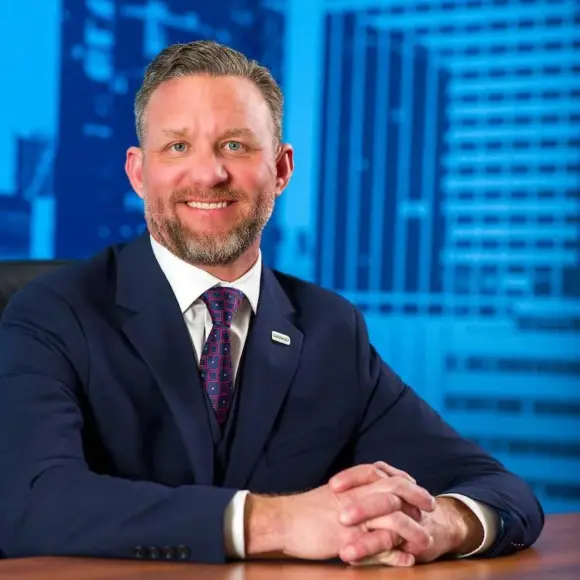
Matthew Spencer

Chief Clinical Officer-Northeast/North Central

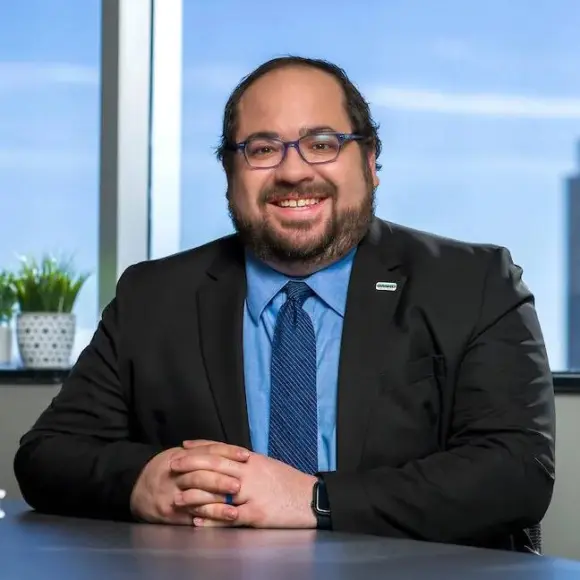
Rony Gadiwalla

CIO

Accreditations

The Commission on Accreditation of Rehabilitation Facilities (CARF) is a non-profit organization that specifically accredits rehab organizations. Founded in 1966, CARF's, mission is to help service providers like rehab facilities maintain high standards of care.

CARF Accreditation: Yes

Contact Information

Building icon

6333 East Skelly Drive
Tulsa OK, 74135

Explore Other Centers Near Tulsa

Reviews of GRAND Addiction Recovery Center

3/5 (78 reviews)
5
Staff
5
Amenities
5
Meals
5
Value
5
Cleanliness
5
33
4
5
3
5
2
3
1
37

Reviews

5
Amazing facility and staff!

This facility saved my cousins life. She loved EVERYTHING about it! She was a cocaine addict for 10 years. She is now a little over a year sober, It saved her two boys from loosing their momma! Couldn't ask for a better rehab!

Robn R.
Reviewed on 8/28/2024
Staff
5
Amenities
5
Meals
5
Value
5
Cleanliness
5
5

This place saved my life

Reviewed on 10/28/2019
5

It was awesome. I can’t say enough about the staff they were all so wonderful. It’s been a year sence I have been there and thanks to them I am off drugs. They where great. The staff the food the people it was just all good. Thank you 12-12. Thank you miss c ... Read More

Reviewed on 5/29/2019
Overall Experience
Date Submitted
Reviewer

Google Reviews

2.9459459459459 (74 reviews)
Danielle Hopper
1 week ago
1

So far our experience at this place has been terrible. We waited on a list for my boyfriend to get into detox for 17 hours. To find out they wouldn't take him because they said he has two insurance. Which he does not have. We called and got this fixed with his current insurance company. They gave me a reference number and said he should be able to be to go into the rehab facility. I called them back told them what told to me and gave them the information. They told me it didn't matter we would have to wait possiblly 30 days for him to be admitted because it had to fall off all the way. I understand them needing payment but the thing is he hasn't had this other insurance since May of this year. They were given references number and everything thing to show he didn't have the other insurance and his insurance said it would be covered. So I don't understand why he still can not come in and if u all can't help him then why not get me into contact or give somewhere that can. It is hard for someone to make the choice to get sober and to tell them u will most likely have to wait to get help because u have two insurance when u don't and can provide proof of that and the insurance company is saying yes u can have treatment at the facility and it will be covered. And also the people in the detox center are completely rude

Bryan Davis
1 week ago
5

12&12 saved my life. I had a great experience there with first class personnel and counselors. I would recommend this facility to anyone who is struggling with addiction. 5 star review

Jr Langston85
3 weeks ago
5

I haven't been here yet but I know people that have, I'm currently homeless in Norman, Oklahoma and have been for many years, I am trying to build up the confidence to push myself into doing something like this cause I have a 14 year old daughter that means the world to me, and being out here over a long period of time has really driven my confidence into the ground. Reading comments from people really help, I pray that soon I'll have enough confidence to go do this or something like this, I'm just wanting to make sure I don't have to come back to this way of living cause I'm afraid of what it's going to do "mentally." It isn't good to have no hope out here and that[ would definitely cause it.... Thank you for listening

Chelsea K
3 weeks ago
5

Overall Experience
Date Submitted
No reviews matching the selected filter!
Get Help Now
Question iconSponsored Helpline

Phone icon 800-784-1361

Left arrow iconBack

Write a review for GRAND Addiction Recovery Center

Sharing your insights and experiences can help others learn more about this rehab center.

Title of Your Review
This is a required field
Your Review

Reviews comments must comply with our Review Policy Content Standards. Please do not use names (job titles / positions are acceptable) of any individual or identifying features, abusive remarks, or allegations of negligence or criminal activity.

A minimum of 200 characters and max of 2,000 characters required.
This is a required field
How would you rate the facility on the following?*
Overall Experience
Must select a star rating
Accomodations & Amenities
Must select a star rating
Meals & Nutrition
N/A
Must select a star rating
Treatment Effectiveness
Must select a star rating
Admissions Process
Must select a star rating
Staff & Friendliness
Must select a star rating
Cleanliness
Must select a star rating
Value for Cost
Must select a star rating
What is your connection to this facility?
This is a required field
Your Name*
This is a required field
Your Email*
This is a required field
Spinner icon Submitting your review...
Thumbs up icon Your review was successfully submitted.

Nearby Featured Providers

Get Help Today Phone icon 800-823-7153
Question iconSponsored Helpline