Get Help Now
Question iconSponsored Helpline
Phone icon 800-641-8351

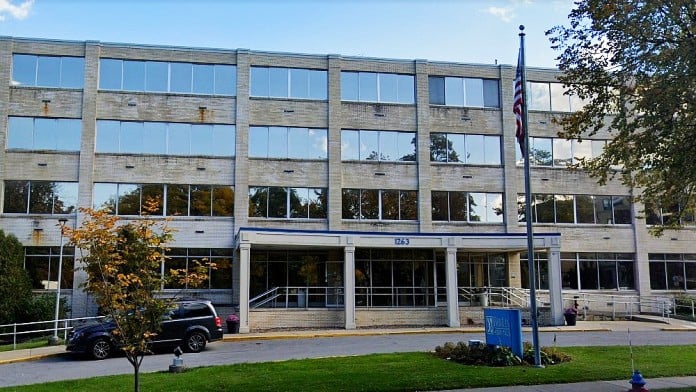
BryLin Hospital

1263 Delaware Avenue
Buffalo, NY 14209
Claim Profile
BryLin Hospital NY 14209

About BryLin Hospital

BryLin Hospital is a private inpatient psychiatric hospital in Buffalo, New York, providing short-term crisis stabilization and mental health care for children, adolescents and adults. Located on Delaware Avenue, the hospital offers specialized programs for acute psychiatric emergencies, dual diagnosis treatment for those with co-occurring mental health and substance use disorders (MICA) and a nationally recognized ECT Center of Excellence. BryLin’s teams use evidence based, trauma informed approaches to support symptom management, safety and discharge planning.

Mental Health and Dual Diagnosis Programs at BryLin Hospital

BryLin’s inpatient psychiatric hospitalization programs serve children and teens ages 5 to 17 and adults 18 and older when symptoms cannot be safely managed in a less restrictive setting. Treatment begins with a nurse screening for appropriateness and benefits verification, followed by crisis stabilization focused on psychiatric assessment, medication management and therapeutic intervention.

Clients receive individual and group therapy, including CBT, along with family therapy for younger patients and medication monitoring for all ages. The hospital’s dual diagnosis (MICA) track addresses co-occurring mental health and addiction challenges, while specialized mood and anxiety disorder programming and gender specific groups support targeted recovery needs. BryLin also operates the only ambulatory (outpatient) ECT center in Western New York for adults requiring this advanced treatment.

What to Know About BryLin Hospital

  • Location: 1263 Delaware Avenue, Buffalo, New York, serving Western and Central New York
  • Programs: Inpatient crisis stabilization for children/adolescents and adults; dual diagnosis (MICA) treatment; ambulatory and inpatient ECT services
  • Who they treat: Children ages 5–17, adults 18+, older adults and individuals with co-occurring mental health and substance use disorders
  • Approach: Evidence based and trauma informed care featuring CBT, medication management and family involvement; therapeutic enrichment includes art therapy, music therapy, pet therapy, mindfulness, yoga and pastoral care
  • Insurance: Accepts Medicare and most major insurance plans, including Managed Medicaid; some Medicaid restrictions apply for adults ages 21–64
  • Unique feature: ECT Center of Excellence with state-of-the-art facilities and the region’s only ambulatory ECT program

Begin Your Path to Stability

BryLin Hospital in Buffalo does not provide walk-in evaluations; admissions involve a telephone screening to assess appropriateness and verify insurance benefits. The admissions team can explain inpatient mental health programs, dual diagnosis services, ECT options and payment details tailored to each person’s situation.


Edited by:
Maygen Brockway, MTC

Facility Overview

Bed icon 88
Number of Available Beds

Latest Reviews

Favor M
3 weeks ago on Google
5
Psalm 91 cover psalm 27 protect everyone under care in the name of Tge Father God Jesus Christ and Holy spirit convict anybody heart that not there to help Amen
Justine Daugherty
1 month ago on Google
4
They have scheduled activities 7 days a week, which is different than a lot of places who basically shut down on weekends and keep people stuck. The food is good, you can tell they care to give good options and bring up reasonable requests. A kitchen with snacks is open on the adult ward so it's one less thing you have to ask somebody for, really nice. Unfortunately, the staff are very hit or miss. Some frankly don't care if they are upsetting you if you're not completely deferential and thankful, like a lot of places. I still have no clue if the nurses want me to wait patiently or interrupt them at the nurses station. I braced myself every time I needed something. A male doctor in admissions insinuated I was coming in because my period was due. Got very condescending treatment at times and then told to act rational, even though I was voluntary. So, if you handle that kind of stuff well when you are essentially caged in a building then, you will get a lot of great amenities. If you can handle it for a few days to adjust I sincerely mean it when I think you may have a much better time here than other places. I have too much medical history & thought I was past it and I'm not. I'd like to say thank you personally to Donnetta and Janice and my counselor, you made me feel really welcome and seen, I think I would've totally panicked without your presence.
Response from the owner3 weeks ago
Thank you for taking the time to share your thoughtful feedback, Justine.

We appreciate your kind words about our therapeutic programming, weekend activities, food services, and the efforts of team members such as Donnetta, Janice, and your counselor. We are pleased to hear that they helped you feel welcomed, supported, and seen during your stay.

At the same time, we are concerned to learn about aspects of your experience that did not meet your expectations. Every patient deserves to be treated with dignity, respect, and compassion, and we take concerns regarding staff interactions and communication very seriously.

We would appreciate the opportunity to discuss your experience further and learn more about the concerns you raised. If you are willing, please consider reaching out to our Quality Improvement & Risk Management Leader at [quality@brylin.com](mailto:quality@brylin.com) so we can better understand your experience and continue improving the care we provide.

Thank you again for your feedback and for sharing both the positive and challenging aspects of your stay. We wish you all the best on your continued journey toward wellness.

Kenzie Gullo
1 month ago on Google
1
I was hospitalized at BryLin twice within the past year, and unfortunately my most recent stay was a very different experience from my first. I want to start by saying that admissions was excellent both times. I was contacted quickly, brought in within an hour, and everything was explained clearly. The process felt smooth and supportive. However, once on the unit, it became very clear that the facility is dealing with significant staffing issues. There has been a noticeable turnover since my last hospitalization less than a year ago, and it’s impacting patient care. Many staff members appeared visibly overworked and burnt out—some working multiple doubles in a row—which created inconsistency in care and communication. No one seemed to be on the same page. While most staff were not intentionally unkind, there were moments where I felt dismissed, particularly when asking for help at the desk. It’s not always what is said, but how it’s said—and in a mental health setting, trauma-informed care is critical. Hearing staff speak negatively about patients within earshot was especially disheartening. There were also instances where my needs were not met, including being denied access to an MP3 player I had an order for and being unable to have a video visit with my 5-year-old daughter. Additionally, the environment itself could be improved—doors slamming frequently was triggering, and simple fixes like door stoppers could make a big difference. I do want to recognize several staff members who showed genuine compassion despite clear burnout, including MHTs Jen S, Iris, Jake and Shardae. Nursing staff overall was okay, with Rob, Diane, Drea, Stephanie, and Takeisha standing out positively, along with supportive day-shift nursing supervisors. Dr. Ghosh and his NP Hannah were also excellent on the psychiatric side. That said, I had a deeply negative experience with provider Dr. Weinstein, who terminated me from care after I sought voluntary hospitalization during a crisis on a weekend. Claiming that I was “too lethal” and she should’ve been included in my call. Despite it being a Sunday. This felt unethical, not trauma-informed, and deeply damaging, especially given the trust involved in that relationship. The therapy aides and COTAs were a highlight of my stay—thank you to Tay, Rachel, and Alyssa for your kindness. The social work team (Jess, Lance, and Tracy) were also excellent and made a difficult experience more manageable. Programming, however, was lacking. Many groups listed on the schedule—such as music therapy and spiritual services—did not actually occur. There was very little structure overall, leading to excessive downtime. Patients spent hours coloring due to a lack of meaningful activities. While art therapy with Eva was a bright spot, it was not enough to compensate for the overall lack of engagement. Additionally, patients were not allowed outside at all during my stay due to liability concerns, which was disappointing, especially since outdoor time was a valuable part of my previous hospitalization. The facility itself was generally clean, though the shower areas were in poor condition and appeared to have mold. I also had a personal item go missing during my stay, which was resolved. One consistent positive: the food was excellent, and I genuinely left eating regular meals again, which I’m grateful for. Overall, I don’t believe the issues stem from a lack of caring staff, but rather from systemic problems—understaffing, burnout, and lack of follow-through. BryLin has a lot of potential, but leadership needs to start listening to patient experiences and making meaningful changes.
Response from the owner3 weeks ago
Kenzie, thank you for taking the time to share your experience and for recognizing several members of our team who made a positive impact during your stay. We are sorry to hear about the concerns you described and take this feedback very seriously. We would appreciate the opportunity to discuss your experience further. Please consider reaching out to our Quality Improvement & Risk Management Leader at quality@brylin.com.
Rehab.com icon

Rehab Score

Question iconOur Methodology
Scoring is assigned by a proprietary system which helps surface key metrics that determine quality. The 10-point scale factors in categories such as operations, customer satisfaction, and trust metrics. Read Full MethodologyCaret icon
Gauge icon
5.9 / 10

Accepted Insurance

Please contact to verify your specific insurance provider.

BryLin Hospital works with several private insurance providers, please contact to verify your specific insurance provider.

Other Forms of Payment

Medicaid is a state based program that helps lower-income individuals and families pay for healthcare. Medicaid covers addiction treatment so those enrolled can use their coverage to pay for rehab. When a program accepts Medicaid the client often pays very little or nothing out of their own pocket.

Private insurance refers to any kind of healthcare coverage that isn't from the state or federal government. This includes individual and family plans offered by an employer or purchased from the Insurance Marketplace. Every plan will have different requirements and out of pocket costs so be sure to get the full details before you start treatment.

Self-pay involves paying for treatment out of your own pocket. You can use savings or credit, get a personal loan, or receive help from family and friends to fund your treatment. If you don't have insurance or your insurance plan doesn't cover a specific program, self-pay can help ensure you still get the care you need.

Sliding scale payments are based on a client's income and family size. The goal is to make treatment affordable to everyone. By taking these factors into account, addiction recovery care providers help ensure that your treatment does not become a financial burden to you or your family, eliminating one barrier to care.

Medicare is a federal program that provides health insurance for those 65 and older. It also serves people under 65 with chronic and disabling health challenges. To use Medicare for addiction treatment you need to find a program that accepts Medicare and is in network with your plan. Out of pocket costs and preauthorization requirements vary, so always check with your provider.

Military members, veterans, and eligible dependents have access to specific insurance programs that help them get the care they need. TRICARE and VA insurance can help you access low cost or no cost addiction and mental health treatment. Programs that accept military insurance often have targeted treatment focused on the unique challenges military members, veterans, and their families face.

Private insurance refers to any kind of healthcare coverage that isn't from the state or federal government. This includes individual and family plans offered by an employer or purchased from the Insurance Marketplace. Every plan will have different requirements and out of pocket costs so be sure to get the full details before you start treatment.

Addiction Treatments

Levels of Care

Residential treatment programs are those that offer housing and meals in addition to substance abuse treatment. Rehab facilities that offer residential treatment allow patients to focus solely on recovery, in an environment totally separate from their lives. Some rehab centers specialize in short-term residential treatment (a few days to a week or two), while others solely provide treatment on a long-term basis (several weeks to months). Some offer both, and tailor treatment to the patient's individual requirements.

Treatments

Many of those suffering from addiction also suffer from mental or emotional illnesses like schizophrenia, bipolar disorder, depression, or anxiety disorders. Rehab and other substance abuse facilities treating those with a dual diagnosis or co-occurring disorder administer psychiatric treatment to address the person's mental health issue in addition to drug and alcohol rehabilitation.

Mental health rehabs focus on helping individuals recover from mental illnesses like bipolar disorder, clinical depression, anxiety disorders, schizophrenia, and more. Mental health professionals at these facilities are trained to understand and treat mental health issues, both in individual and group settings.

Programs

Adult rehab programs include therapies tailored to each client's specific needs, goals, and recovery progress. They are tailored to the specific challenges adult clients may face, including family and work pressures and commitments. From inpatient and residential treatment to various levels of outpatient services, there are many options available. Some facilities also help adults work through co-occurring conditions, like anxiety, that can accompany addiction.

Recovery is most successful when clients feel accepted and validated by their peers and treatment providers. Facilities that offer LGBTQ-inclusive programming are committed to creating a safe space where everyone can grow and recover without fear of judgment or discrimination. They will have dedicated policies in place to create a safe and supportive environment that fosters free expression.

Serving in the military is both mentally and physically challenging, and can result in trauma that persists even after combat ends. Military programs are tailored to the specific and often complex needs of active duty personnel, veterans, and military families. Clients often access these programs through the U.S. Department of Veterans Affairs (VA).

Young adulthood can be an exciting, yet difficult, time of transition. Individuals in their late teens to mid-20s face unique stressors related to school, jobs, families, and social circles, which can lead to a rise in substance use. Rehab centers with dedicated young adult programs will include activities and amenities that cater to this age group, with an emphasis on specialized counseling, peer socialization, and ongoing aftercare.

The providers who specialize in the children's rehab space understand the specialized needs that this population faces. School-based and social services such as tutoring and family counseling are often central to treatment. Child programs may also address the needs of youth experiencing substance abuse in the home, including a parent's or sibling's addiction.

Clinical Services

Cognitive Behavioral Therapy (CBT) is a therapy modality that focuses on the relationship between one's thoughts, feelings, and behaviors. It is used to establish and allow for healthy responses to thoughts and feelings (instead of unhealthy responses, like using drugs or alcohol). CBT has been proven effective for recovering addicts of all kinds, and is used to strengthen a patient's own self-awareness and ability to self-regulate. CBT allows individuals to monitor their own emotional state, become more adept at communicating with others, and manage stress without needing to engage in substance abuse.

Dialectical Behavior Therapy (DBT) is a modified form of Cognitive Behavioral Therapy (CBT), a treatment designed to help people understand and ultimately affect the relationship between their thoughts, feelings, and behaviors. DBT is often used for individuals who struggle with self-harm behaviors, such as self-mutilation (cutting) and suicidal thoughts, urges, or attempts. It has been proven clinically effective for those who struggle with out-of-control emotions and mental health illnesses like Borderline Personality Disorder.

ECT is a form of treatment in which controlled electric currents are passed through the brain, sometimes causing short seizures. Treatments are done under general anesthesia. ECT appears to change brain chemistry for the better, and has been shown to provide fast and sometimes dramatic improvements in severe mental health conditions that can exist alongside addiction, including depression, bipolar disorder, psychosis, and suicidality. ECT is also often used by those who prefer it to taking medication.

Experiential therapy is a form of therapy in which clients are encouraged to surface and work through subconscious issues by engaging in real-time experiences. Experiential therapy departs from traditional talk therapy by involving the body, and having clients engage in activities, movements, and physical and emotional expression. This can involve role-play or using props (which can include other people). Experiential therapy can help people process trauma, memories, and emotion quickly, deeply, and in a lasting fashion, leading to substantial and impactful healing.

Group therapy is any therapeutic work that happens in a group (not one-on-one). There are a number of different group therapy modalities, including support groups, experiential therapy, psycho-education, and more. Group therapy involves treatment as well as processing interaction between group members.

In individual therapy, a patient meets one-on-one with a trained psychologist or counselor. Therapy is a pivotal part of effective substance abuse treatment, as it often covers root causes of addiction, including challenges faced by the patient in their social, family, and work/school life.

Nicotine Replacement Therapy (NRT) is a way of getting nicotine into the bloodstream without smoking. It uses products that supply low doses of nicotine to help people stop smoking. The goal of therapy is to cut down on cravings for nicotine and ease the symptoms of nicotine withdrawal.

Nutrition therapy, aka medical nutrition therapy (MNT), is a way of treating physical, emotional, and medical conditions through diet. Specific dietary plans are designed by professional nutritionists or registered dietitians, and patients follow them in order to positively affect their physical and mental health.

Trauma therapy addresses traumatic incidents from a client's past that are likely affecting their present-day experience. Trauma is often one of the primary triggers and potential causes of addiction, and can stem from child sexual abuse, domestic violence, having a parent with a mental illness, losing one or both parents at a young age, teenage or adult sexual assault, or any number of other factors. The purpose of trauma therapy is to allow a patient to process trauma and move through and past it, with the help of trained and compassionate mental health professionals.

Family therapy helps individual members of the family unit navigate the complexities of addiction. Therapists provide you with the tools you need to improve communication skills and conflict resolution. When families work together, they can support their loved one's recovery and help to restore balance and harmony within the household.

Amenities

  • home-setting iconResidential Setting

Staff & Accreditations

Staff

Sanjay Gupta

Chief Medical Officer,Psychiatrist

Kulwan Buttar, MD

Psychiatrist

Accreditations

The Joint Commission, formerly known as JCAHO, is a nonprofit organization that accredits rehab organizations and programs. Founded in 1951, the Joint Commision's mission is to improve the quality of patient care and demonstrating the quality of patient care.

Joint Commission Accreditation: Yes

Rehab.com regularly reviews this listing for accuracy but changes may occur between updates. For the most up-to-date information, please contact BryLin Hospital.

Contact Information

Building icon

1263 Delaware Avenue
Buffalo, NY 14209

Explore Other Centers Near Buffalo

Reviews of BryLin Hospital

2.81/5 (156 reviews)
0
Staff
0
Amenities
0
Meals
0
Value
0
Cleanliness
5
56
4
11
3
8
2
9
1
80

Reviews

Overall Experience
Date Submitted
Reviewer

Google Reviews

2.81 (156 reviews)
LightningMcdunn
3 weeks ago
1

This was the most eye opening experience of my life. I came in expecting a comfortable environment with attentive care and advice on things. Instead, it was an actual jail. Every room is disgusting. You sleep on the worst mattress possible with towels as blankets. They check on you while you sleep...every 15 minutes, and wake you up essentially. The workers clearly are over worked and want to quit. Nobody was happy and patients were extremely neglected. I was never told any of these things at any time prior. The staff luckily let me go after 2 days of me figuring out a way out. The whole thing felt like a fever dream. It's a traumatic story I will always remember. BryLin needs some serious investigation.

Favor M
3 weeks ago
5

Psalm 91 cover psalm 27 protect everyone under care in the name of Tge Father God Jesus Christ and Holy spirit convict anybody heart that not there to help Amen

Justine Daugherty
1 month ago
4

They have scheduled activities 7 days a week, which is different than a lot of places who basically shut down on weekends and keep people stuck. The food is good, you can tell they care to give good options and bring up reasonable requests. A kitchen with snacks is open on the adult ward so it's one less thing you have to ask somebody for, really nice. Unfortunately, the staff are very hit or miss. Some frankly don't care if they are upsetting you if you're not completely deferential and thankful, like a lot of places. I still have no clue if the nurses want me to wait patiently or interrupt them at the nurses station. I braced myself every time I needed something. A male doctor in admissions insinuated I was coming in because my period was due. Got very condescending treatment at times and then told to act rational, even though I was voluntary. So, if you handle that kind of stuff well when you are essentially caged in a building then, you will get a lot of great amenities. If you can handle it for a few days to adjust I sincerely mean it when I think you may have a much better time here than other places. I have too much medical history & thought I was past it and I'm not. I'd like to say thank you personally to Donnetta and Janice and my counselor, you made me feel really welcome and seen, I think I would've totally panicked without your presence.

Response from the owner
Thank you for taking the time to share your thoughtful feedback, Justine.

We appreciate your kind words about our therapeutic programming, weekend activities, food services, and the efforts of team members such as Donnetta, Janice, and your counselor. We are pleased to hear that they helped you feel welcomed, supported, and seen during your stay.

At the same time, we are concerned to learn about aspects of your experience that did not meet your expectations. Every patient deserves to be treated with dignity, respect, and compassion, and we take concerns regarding staff interactions and communication very seriously.

We would appreciate the opportunity to discuss your experience further and learn more about the concerns you raised. If you are willing, please consider reaching out to our Quality Improvement & Risk Management Leader at quality@brylin.com so we can better understand your experience and continue improving the care we provide.

Thank you again for your feedback and for sharing both the positive and challenging aspects of your stay. We wish you all the best on your continued journey toward wellness.
Kenzie Gullo
1 month ago
1

I was hospitalized at BryLin twice within the past year, and unfortunately my most recent stay was a very different experience from my first. I want to start by saying that admissions was excellent both times. I was contacted quickly, brought in within an hour, and everything was explained clearly. The process felt smooth and supportive. However, once on the unit, it became very clear that the facility is dealing with significant staffing issues. There has been a noticeable turnover since my last hospitalization less than a year ago, and it’s impacting patient care. Many staff members appeared visibly overworked and burnt out—some working multiple doubles in a row—which created inconsistency in care and communication. No one seemed to be on the same page. While most staff were not intentionally unkind, there were moments where I felt dismissed, particularly when asking for help at the desk. It’s not always what is said, but how it’s said—and in a mental health setting, trauma-informed care is critical. Hearing staff speak negatively about patients within earshot was especially disheartening. There were also instances where my needs were not met, including being denied access to an MP3 player I had an order for and being unable to have a video visit with my 5-year-old daughter. Additionally, the environment itself could be improved—doors slamming frequently was triggering, and simple fixes like door stoppers could make a big difference. I do want to recognize several staff members who showed genuine compassion despite clear burnout, including MHTs Jen S, Iris, Jake and Shardae. Nursing staff overall was okay, with Rob, Diane, Drea, Stephanie, and Takeisha standing out positively, along with supportive day-shift nursing supervisors. Dr. Ghosh and his NP Hannah were also excellent on the psychiatric side. That said, I had a deeply negative experience with provider Dr. Weinstein, who terminated me from care after I sought voluntary hospitalization during a crisis on a weekend. Claiming that I was “too lethal” and she should’ve been included in my call. Despite it being a Sunday. This felt unethical, not trauma-informed, and deeply damaging, especially given the trust involved in that relationship. The therapy aides and COTAs were a highlight of my stay—thank you to Tay, Rachel, and Alyssa for your kindness. The social work team (Jess, Lance, and Tracy) were also excellent and made a difficult experience more manageable. Programming, however, was lacking. Many groups listed on the schedule—such as music therapy and spiritual services—did not actually occur. There was very little structure overall, leading to excessive downtime. Patients spent hours coloring due to a lack of meaningful activities. While art therapy with Eva was a bright spot, it was not enough to compensate for the overall lack of engagement. Additionally, patients were not allowed outside at all during my stay due to liability concerns, which was disappointing, especially since outdoor time was a valuable part of my previous hospitalization. The facility itself was generally clean, though the shower areas were in poor condition and appeared to have mold. I also had a personal item go missing during my stay, which was resolved. One consistent positive: the food was excellent, and I genuinely left eating regular meals again, which I’m grateful for. Overall, I don’t believe the issues stem from a lack of caring staff, but rather from systemic problems—understaffing, burnout, and lack of follow-through. BryLin has a lot of potential, but leadership needs to start listening to patient experiences and making meaningful changes.

Response from the owner
Kenzie, thank you for taking the time to share your experience and for recognizing several members of our team who made a positive impact during your stay. We are sorry to hear about the concerns you described and take this feedback very seriously. We would appreciate the opportunity to discuss your experience further. Please consider reaching out to our Quality Improvement & Risk Management Leader at quality@brylin.com.
Overall Experience
Date Submitted
No reviews matching the selected filter!
Get Help Now
Question iconSponsored Helpline
Phone icon 800-641-8351
Left arrow iconBack

Write a review for BryLin Hospital

Sharing your insights and experiences can help others learn more about this rehab center.

Title of Your Review
This is a required field
Your Review

Reviews comments must comply with our Review Policy Content Standards. Please do not use names (job titles / positions are acceptable) of any individual or identifying features, abusive remarks, or allegations of negligence or criminal activity.

A minimum of 200 characters and max of 2,000 characters required.
This is a required field
How would you rate the facility on the following?*
Overall Experience
Must select a star rating
Accomodations & Amenities
Must select a star rating
Meals & Nutrition
N/A
Must select a star rating
Treatment Effectiveness
Must select a star rating
Admissions Process
Must select a star rating
Staff & Friendliness
Must select a star rating
Cleanliness
Must select a star rating
Value for Cost
Must select a star rating
What is your connection to this facility?
This is a required field
Your Name*
This is a required field
Your Email*
This is a required field
Spinner icon Submitting your review...
Thumbs up icon Your review was successfully submitted.

Nearby Featured Providers

Get Help Today Phone icon 800-847-1418
Question iconSponsored Helpline