The Recovery Village Ridgefield Drug and Alcohol Rehab
1
Top 10 Rehab In Ridgefield



















































































The Center of Excellence in Co-Occurring Medicine can be found in Beaverton, Oregon. They provide treatment for co-occurring mental health and substance use disorder diagnoses. For the community, they offer prenatal and postnatal mental health services, pediatric psychiatry and adolescent psychiatry.
They treat common disorders including depression and anxiety, ADHD along with ADHD testing services, PTSD and schizophrenia. They also offer services to those who have been diagnosed with psychosis and bipolar disorder.
I like that for addiction treatment they focus on providing medication-assisted treatment (MAT) to help address your severe withdrawal symptoms from alcohol or opioids. Medication has been proven to be effective in curbing severe cravings and discomfort, therefore making the process of stabilizing your conditions a more comfortable one. Here, they use Suboxone, Vivitrol, and Sublocade injections to support your healing journey.
During your treatment, they also offer therapy services, evaluations and medication management services to ensure your whole-body is comfortably progressing through the healing process. They offer family counseling, group therapy and relapse prevention to help in healing and repairing any familial relationships that may have been affected by your addiction.
I find it good to know that group therapy assists in providing you a safe space to discuss your challenges in life among like-minded peers. Relapse prevention teaches you the critical life skills and coping skills you’ll need in order to safely navigate your wellness journey following your recovery.




 Our Methodology



Self-pay involves paying for treatment out of your own pocket. You can use savings or credit, get a personal loan, or receive help from family and friends to fund your treatment. If you don't have insurance or your insurance plan doesn't cover a specific program, self-pay can help ensure you still get the care you need.
Private insurance refers to any kind of healthcare coverage that isn't from the state or federal government. This includes individual and family plans offered by an employer or purchased from the Insurance Marketplace. Every plan will have different requirements and out of pocket costs so be sure to get the full details before you start treatment.
Medicare is a federal program that provides health insurance for those 65 and older. It also serves people under 65 with chronic and disabling health challenges. To use Medicare for addiction treatment you need to find a program that accepts Medicare and is in network with your plan. Out of pocket costs and preauthorization requirements vary, so always check with your provider.
Clients who wish to remain in their homes while in recovery may elect to enroll in an outpatient rehab, many of which offer evening, night, and weekend services to accommodate clients' schedules. Most outpatient facilities provide multiple levels of care to align with clients' evolving needs, including partial hospitalization (PHP) and intensive outpatient (IOP) for clients who require robust support and supervision. Addiction counseling and recovery-focused life skills training are the most common treatment modalities.
Intensive outpatient programs provide robust, high-frequency care for clients in early recovery and those at an increased risk of relapse. Clients are generally expected to participate in nine to 20 hours of treatment per week, with the number and duration of sessions decreasing as clients stabilize. Intensive outpatient treatment often combines psychotherapy, including individual, group, and family counseling, with addiction and recovery education. Medication assisted treatment (MAT) and holistic therapies are also common.
Medical detox is the process of weaning your body off drugs and/or alcohol under 24/7 medical supervision. Suddenly stopping use of addictive substances can have negative side effects, and in severe cases, it can be extremely dangerous or deadly. In an inpatient environment, a medically assisted detox provides you with a team of medical professionals whose job is to help alleviate potential withdrawal symptoms and keep you safe and comfortable. After this process, you'll likely transition to an inpatient treatment program or other form of continued care.
Drug rehab in Oregon offers a full continuum of care for those struggling with addiction. From detox, to inpatient, to outpatient, to aftercare, Oregon residents can find the support they need for recovery. This treatment empowers individuals to replace drug use with positive alternatives and develop a healthier lifestyle.
Oregon residents struggling with co-occurring mental health and substance abuse disorders can benefit from dual-diagnosis rehabs. Both outpatient and inpatient settings are offered by dual-diagnosis programs, and they are staffed by medical and addiction experts who use a combination of therapy, education, recovery groups, and 12-step programming to support your recovery process and improve your mental health.
Young adulthood can be an exciting, yet difficult, time of transition. Individuals in their late teens to mid-20s face unique stressors related to school, jobs, families, and social circles, which can lead to a rise in substance use. Rehab centers with dedicated young adult programs will include activities and amenities that cater to this age group, with an emphasis on specialized counseling, peer socialization, and ongoing aftercare.
Cognitive behavioral therapy (CBT) in Oregon is a short term talk therapy method used to treat mental and behavioral disorders. Based on client needs, the therapist may recommend five to 20 sessions. Typically, this form of therapy requires fewer sessions than many other types of treatment.
Viewed as a method of communication rather than an intervention, motivational interviewing is an evidence based approach to rehab treatment in Oregon. The principles of this method have a common sense appeal and are readily applied to many therapeutic programs. Core strategies include acceptance, listening, and summarizing.
During trauma theory, you can explore the impact that traumatic events had on your life in a safe and supportive space. Your therapist will guide you in understanding your emotional and physical trauma responses while helping you to develop better coping skills so you can reclaim your life.
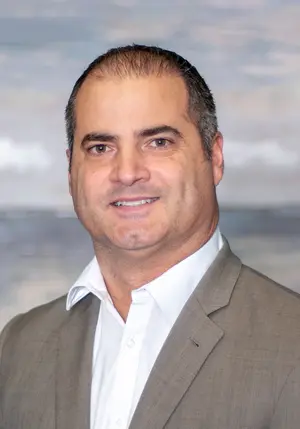
Founder & Director of Medical Services

Psychiatric Mental Health Nurse

Psychiatric Mental Health Nurse
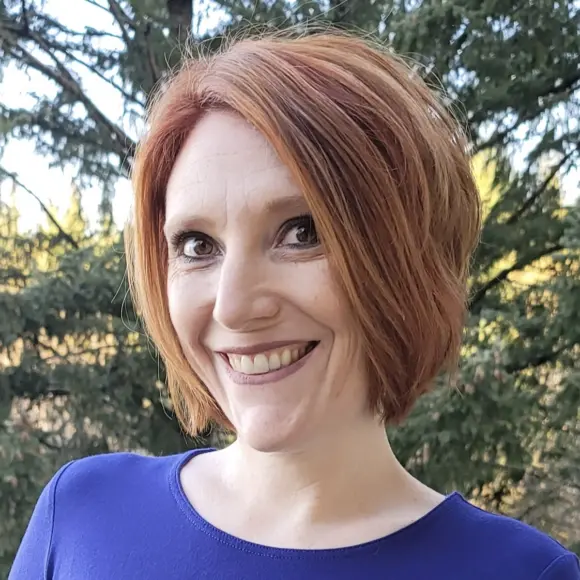
Psychiatric Nurse Practitioner
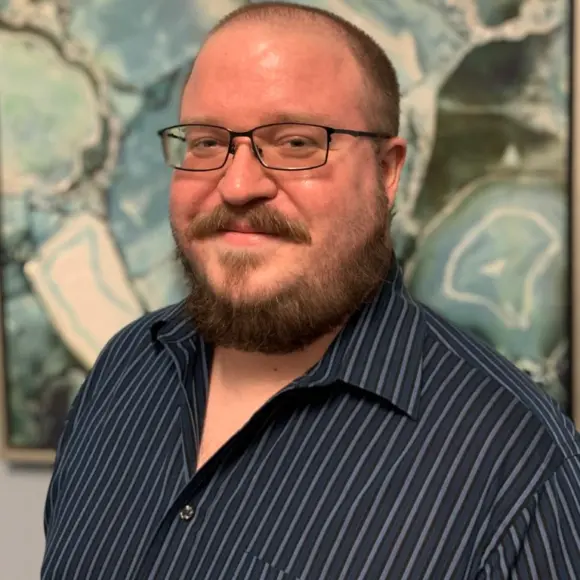
Psychiatric Nurse Practitioner

Director of Operations
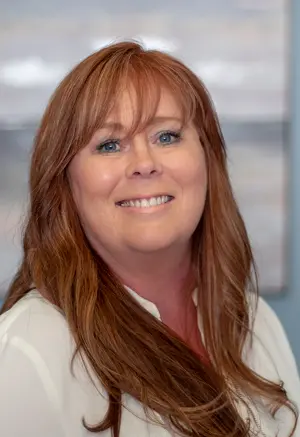
Operations & Billing Supervisor
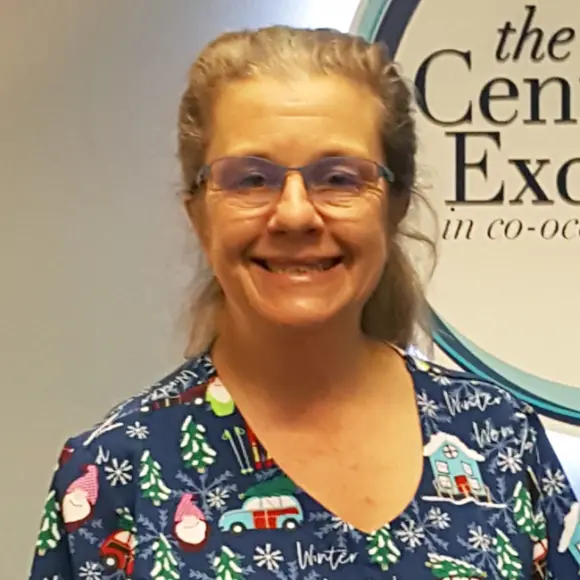
Certified Medical Assistant

12655 SW Center St
#150
Beaverton, OR 97005
Sponsored Helpline

Kyle Anderson is the nicest friendliest person that I know. His support during my ADHD journey has been such a pleasure to have. He takes the time to get to know me and is so informative on options that I may have.


DeeAnn and Kyle are both awesome! They're very experienced, knowledgeable, friendly, and helpful! Kyle is also patient and persistent. While it took a while to find the right meds, we hit upon one that pulled me right out of a deep, dark, scary place. The next med we tried after that brought me to normalcy again. Kyle's a miracle worker! He also understands situational causes of depression, not just the biological side.

I appreciate the time taken by professionals to get to know my background and needs in a caring environment. Thank you Kyle and Dianne! —Jason
 Back
Back
Sharing your insights and experiences can help others learn more about this rehab center.