





























































































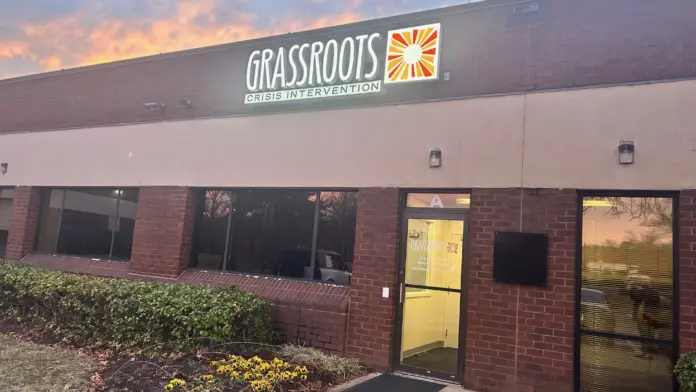
About Grassroots Crisis Intervention
Grassroots provides free, 24-hour compassionate care in Columbia, Maryland. We are a safe place for individuals with a substance use, drug, alcohol or addiction issue who need help or who want to be connected to treatment.
We offer:
Screening and assessments, including court ordered
Stabilization
Substance use and mental health counseling
Withdrawal management and medication assisted treatment
Connection to treatment, including detox, inpatient, outpatient, partial hospitalization – whatever best supports you
Harm reduction, including Narcan/naloxone training
Just 30 minutes from Baltimore, individuals can walk in to our free, 24-hour crisis center or call our crisis line to request free and immediate transportation. No insurance, appointment or referrals are needed for Grassroots’ services. We will help you sign up for insurance, make financial arrangements with treatment providers and provide transportation to treatment.
Latest Reviews



Rehab Score
 Our Methodology


Location
Other Forms of Payment
 Free
FreeAddiction Treatments
Levels of Care
Clients who are exiting detox or intensive inpatient treatment often enroll in outpatient rehab programs to ensure a robust continuity of care. Outpatient programs allow clients to remain in or return to their homes and workplaces while continuing to receive treatment, which typically includes addiction counseling and recovery-focused life skills training. Clients in opioid and/or alcohol recovery may also receive medication assisted treatment (MAT), including medication induction and maintenance, at an outpatient facility.
If you think a loved one needs help with substance abuse, but they are not seeking treatment, it may be time for a drug intervention in Maryland. Intervention services can help you with this effort. During the intervention, loved ones share how their addiction-related behavior has affected them and encourage the individual to get treatment. The intervention specialist helps facilitate the conversation and explain how treatment can help.
Treatments
Alcohol use disorder (AUD), commonly referred to as alcoholism, can be classified as mild, moderate, or severe. Each category involves unhealthy patterns of alcohol consumption and can cause harmful effects. To treat alcohol addiction at any level, alcohol rehab in Maryland is often necessary. These treatment programs provide psychological, social, and medical supports that help individuals overcome alcohol addiction and maintain long-term recovery.
 Opioid Addiction
Once a person has become addicted to a substance, drug rehab in Maryland is often necessary to overcome that addiction. These programs provide the tools individuals need to manage the physical, mental, and emotional issues involved and begin a successful recovery journey.
Maryland's addiction experts understand the importance of dual-diagnosis addiction treatment in their inpatient and outpatient recovery programs. Dual-diagnosis means having two mental health disorders at the same time, like addiction and depression. By treating individuals with co-occurring substance use disorders and mental health conditions simultaneously, they can enhance recovery outcomes and improve overall health, reducing the risk of relapse. Programs include evidence-based therapies, family counseling, recovery support groups, and skills training. Additional services may include medically assisted detox, 12-Step facilitation, equine therapy, complementary treatments, and alumni programs.
In Maryland, substance abuse treatment programs support individuals struggling with drugs or alcohol, and those who also have mental health conditions. These rehab programs vary, depending on the level of care you need. That might include inpatient rehab, or an outpatient program. Typically, substance abuse treatment includes evidence-based therapies such as cognitive-behavioral therapy (CBT), dialectical behavior therapy (DBT), recovery support meetings, and skills groups to equip you with new coping strategies when you leave rehab.
Treatment for drug and alcohol addiction often centers on improving mental health. Inpatient care is ideal for people who need closer monitoring while receiving therapeutic and mental health services. Standard therapies include group and individual counseling, relapse prevention education, coping skills training, cognitive-behavioral therapy (CBT), motivational interviewing and family support groups. With all critical therapies combined, there is a greater chance for improving mental health and achieving sustained recovery.
Programs
Adult rehab programs include therapies tailored to each client's specific needs, goals, and recovery progress. They are tailored to the specific challenges adult clients may face, including family and work pressures and commitments. From inpatient and residential treatment to various levels of outpatient services, there are many options available. Some facilities also help adults work through co-occurring conditions, like anxiety, that can accompany addiction.
Young adulthood can be an exciting, yet difficult, time of transition. Individuals in their late teens to mid-20s face unique stressors related to school, jobs, families, and social circles, which can lead to a rise in substance use. Rehab centers with dedicated young adult programs will include activities and amenities that cater to this age group, with an emphasis on specialized counseling, peer socialization, and ongoing aftercare.
Rehabs for women provide a safe, nurturing space for female clients to heal. These treatment programs consider the specific obstacles that women can face during recovery and place a special emphasis on mental, social, physical, and reproductive health. They explore how each woman's experience has shaped the trajectory of their substance use, addressing issues such as sexual abuse and past trauma.
Men face specific challenges and concerns when seeking addiction treatment. Gender-specific recovery programs help them tackle these issues head-on in an environment that's focused, targeted, and distraction-free. It also gives them the opportunity to connect with and learn from other men who have been through a similar journey and can offer support for the next step.
 Adolescence program
Amenities
-
 Private transportation
Accreditations

The Substance Abuse and Mental Health Services Administration (SAMHSA) is a branch of the U.S. Department of Health and Human Services. Established in 1992 by congress, SAMHSA's mission is to reduce the impact of substance abuse and mental illness on American's communities.
SAMHSA Listed: Yes

The Commission on Accreditation of Rehabilitation Facilities (CARF) is a non-profit organization that specifically accredits rehab organizations. Founded in 1966, CARF's, mission is to help service providers like rehab facilities maintain high standards of care.
CARF Accreditation: Yes

State Licenses are permits issued by government agencies that allow rehab organizations to conduct business legally within a certain geographical area. Typically, the kind of program a rehab facility offers, along with its physical location, determines which licenses are required to operate legally.
State License: Maryland
Rehab.com regularly reviews this listing for accuracy but changes may occur between updates. For the most up-to-date information, please contact Grassroots Crisis Intervention.
Contact Information


8990 Old Annapolis Road
Suite A
Columbia, MD 21045
Sponsored Helpline


