





























































































About Great Bay Mental Health
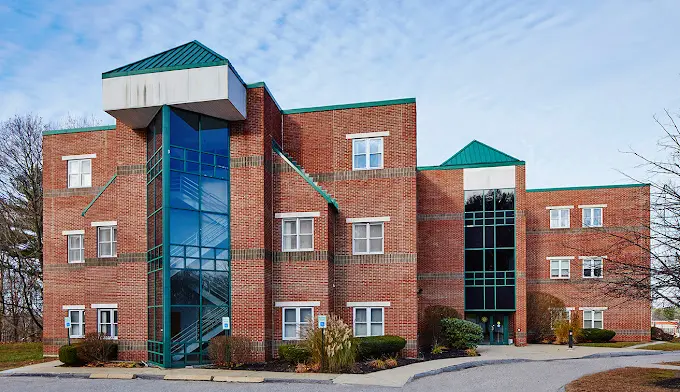
The Wentworth-Douglas Hospital is a nonprofit health care organization with a history of providing compassionate and life saving care going back 110 years. They operate Great Bay Mental Health, near Rollins Brook in Dover, New Hampshire. The facility offers addiction treatment services as one of the many primary and specialty healthcare options available.
As a nonprofit, the hospital also endeavors to make their services as accessible as possible and offer discounts for lower income individuals and interest free payment plans. They participate in various State programs and accept patients using Medicaid and Medicare.
Promoting Holistic Health and Wellness
The primary method they use to assist individuals with substance and alcohol addiction is through outpatient addiction therapy. In this setting, they use evidence-based therapeutic tools and provide you with practical exercises in an effort to build on your innate strengths while helping you overcome the habits of addiction. Because this care is under their overarching healthcare umbrella, they’re also able to connect you with clinicians who can provide care and treatment of any other healthcare conditions you may have.
Outpatient Care Surrounded By Nature
The campus borders the less developed area of northern Dover and is quite close to Willard Pond. In this area, you’ll find many excellent spots for hiking and contemplative walks. There are also many stores and a gym within walking distance of the hospital.
Latest Reviews



Rehab Score
 Our Methodology


Gallery
Other Forms of Payment
Self-pay involves paying for treatment out of your own pocket. You can use savings or credit, get a personal loan, or receive help from family and friends to fund your treatment. If you don't have insurance or your insurance plan doesn't cover a specific program, self-pay can help ensure you still get the care you need.
Addiction Treatments
Levels of Care
Clients undergoing treatment at an outpatient rehab reside in their own homes and engage in counseling and recovery education sessions in the evening, at night, or on the weekend. This ensures clients' access to care while working, caregiving, or attending school. Outpatient treatment is often the next level of care for clients stepping down from inpatient care, though some clients enroll immediately after completing detox. Many programs offer medication assisted treatment (MAT) for those in alcohol or opioid recovery.
Clients in addiction recovery often enroll in inpatient rehabs to receive intensive, hands-on, highly supervised treatment. These programs are generally designed for clients exiting detox and those who are at an increased risk of relapse. Clients reside at the treatment center and engage in multiple psychotherapeutic sessions each week. Inpatient addiction counseling often includes individual, group, and family therapy. Education and life skills training are also often prioritized to promote sustained sobriety. Some inpatient rehabs include holistic therapies, such as massage and animal therapy.
Treatments
Mental health rehabs focus on helping individuals recover from mental illnesses like bipolar disorder, clinical depression, anxiety disorders, schizophrenia, and more. Mental health professionals at these facilities are trained to understand and treat mental health issues, both in individual and group settings.
Programs
Adult rehab programs include therapies tailored to each client's specific needs, goals, and recovery progress. They are tailored to the specific challenges adult clients may face, including family and work pressures and commitments. From inpatient and residential treatment to various levels of outpatient services, there are many options available. Some facilities also help adults work through co-occurring conditions, like anxiety, that can accompany addiction.
Clinical Services
Cognitive behavioral therapy in New Hampshire involves several steps to healing. The therapist will first help you identify stressful conditions currently in your life. You'll then identify your thoughts and beliefs about these challenges. Next, you'll identify inaccurate thoughts, and lastly you'll change those thought patterns, which will lead to changed behavior.
In individual therapy, a patient meets one-on-one with a trained psychologist or counselor. Therapy is a pivotal part of effective substance abuse treatment, as it often covers root causes of addiction, including challenges faced by the patient in their social, family, and work/school life.
The goal of trauma therapy is to address the lingering emotional and physical effects that traumatic experiences can have on your life. Therapists help you to process the traumatic event so you can more easily manage your physical and emotional responses and develop compassion for yourself.
The focus of family therapy in New Hampshire is to strengthen the family unit by fostering mutual support among the members. Each member learns effective communication strategies that help to create a nurturing environment. This strength and family bonds and supports your loved one's path to recovery.
Staff

Emad Milad, MD
Psychiatry
Rehab.com regularly reviews this listing for accuracy but changes may occur between updates. For the most up-to-date information, please contact Great Bay Mental Health.
Contact Information


15 Old Rollinsford Rd
STE 302
Dover, NH 03820
Sponsored Helpline



