





























































































About High Focus Centers Evans Outpatient Treatment Center
High Focus Centers Evans Outpatient Treatment Center is a behavioral health provider in Evans, Georgia specializing in mental health and substance use treatment for adolescents and adults.
The center offers Partial Hospitalization Programs (PHP) and Intensive Outpatient Programs, including dedicated tracks for cooccurring disorders that address both mental health and addiction at the same time.
Families appreciate the emphasis on individualized care, educational support for teens and flexible options that help clients stay connected to school, work and home life.
What addiction and mental health programs are available?
High Focus Centers Evans provides PHP and IOP for adolescents and adults with specialized cooccurring IOP for teens who need integrated mental health and substance use care.
Adult programs include substance abuse PHP and IOP plus a trauma specific group designed for veterans and first responders.
Who can get help?
The center serves adolescents ages 12 through 17 and adults facing mental health challenges, substance use disorders or both. Veterans and first responders can access tailored trauma programming and family involvement is strongly encouraged throughout adolescent treatment.
What makes the teen program different?
An on staff educational consultant helps teens stay on track with schoolwork during treatment, communicating with teachers and providing academic support for students on medical leave.
The adolescent program also includes family therapy and pet therapy to support engagement and healing.
Does the center take insurance?
High Focus Centers Evans is in-network with Aetna, Blue Cross Blue Shield, Cigna, OPTUM UHC, Tricare, VA Community Care Network, Oscar and ComPsych.
Self pay options are also available, and the admissions team can verify coverage and out of network benefits.
Latest Reviews



Rehab Score
 Our Methodology


Gallery
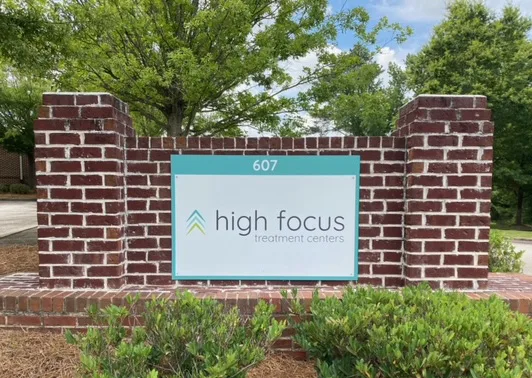
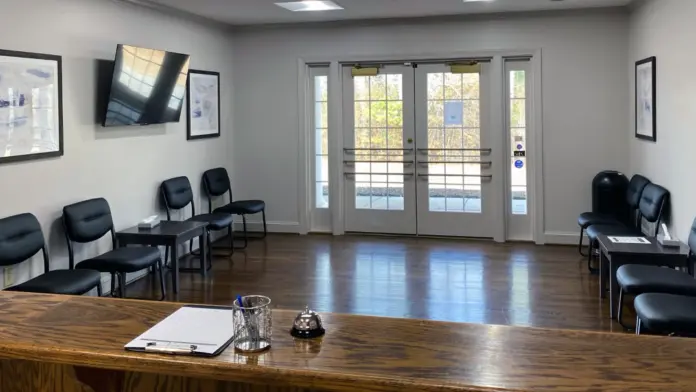
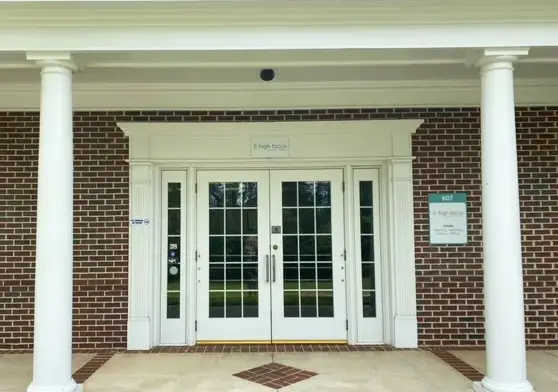
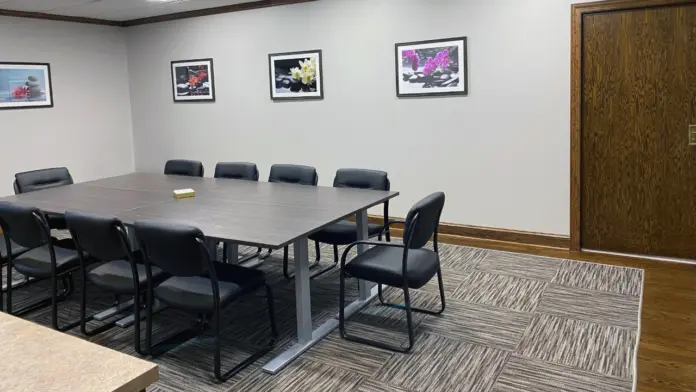
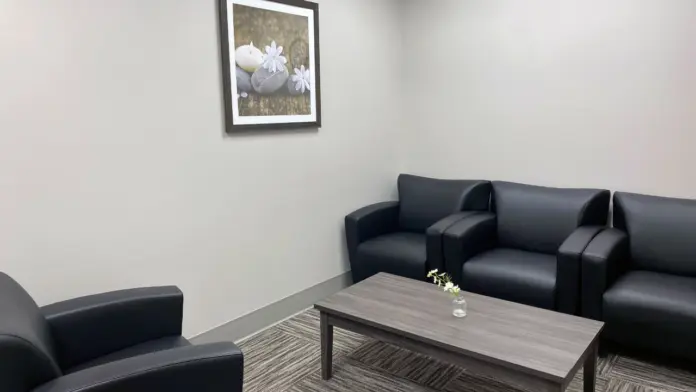
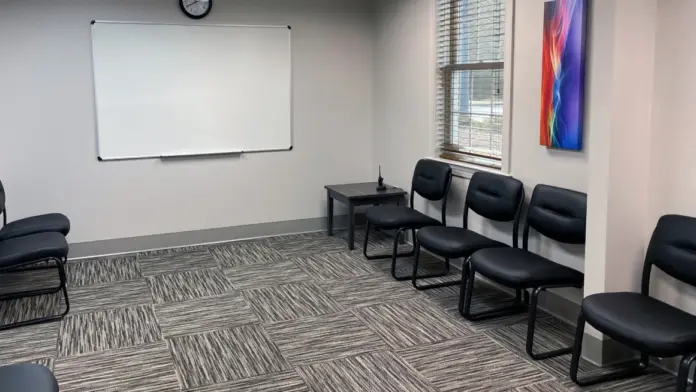
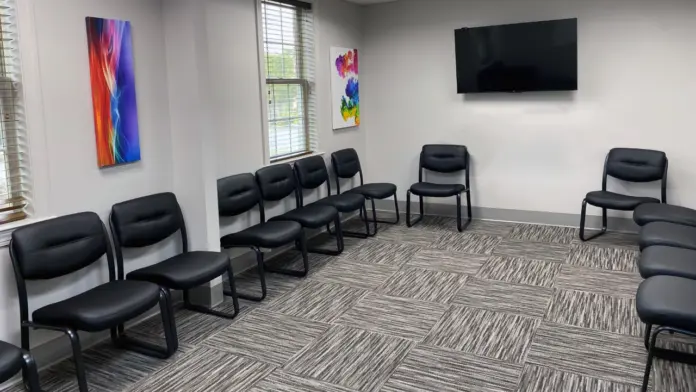
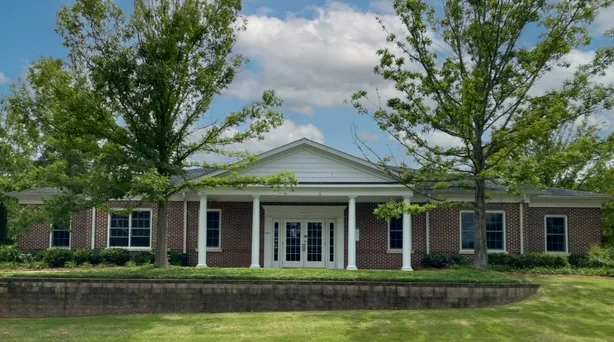
Accepted Insurance
Other Forms of Payment
Private insurance refers to any kind of healthcare coverage that isn't from the state or federal government. This includes individual and family plans offered by an employer or purchased from the Insurance Marketplace. Every plan will have different requirements and out of pocket costs so be sure to get the full details before you start treatment.
Self-pay involves paying for treatment out of your own pocket. You can use savings or credit, get a personal loan, or receive help from family and friends to fund your treatment. If you don't have insurance or your insurance plan doesn't cover a specific program, self-pay can help ensure you still get the care you need.
Addiction Treatments
Levels of Care
Designed for individuals who don't require round-the-clock care, a partial hospitalization program (PHP) is a form of outpatient care with a higher level of support. PHP treatment can be an alternative to inpatient hospitalization or a step-down option. With daily sessions lasting 6 to 8 hours, up to 5 days a week, a partial hospitalization program may offer medication management, relapse prevention techniques, and behavioral therapy interventions. PHP treatment can be fully or partially covered by insurance.
Clients enrolled in an intensive outpatient program (IOP) travel to treatment centers for specialized care multiple times per week. Intensive outpatient treatment allows clients to receive robust care while continuing to live at home. Most programs require between nine and 20 treatment hours per week, with the frequency and intensive of sessions decreasing as clients stabilize. Services generally include a combination of addiction counseling, medication assisted treatment (MAT), recovery-focused life skills training, and holistic therapies.
Treatments
Addiction treatment programs in Georgia help individuals to address substance abuse problems. With various programs available, including outpatient, inpatient, and partial hospitalization programs, you can find the right level of care for your specific needs. You can generally expect drug and alcohol rehab to incorporate evidence-based therapies, such as cognitive-behavioral therapy (CBT), skills training, recovery meetings, and mindfulness-based therapy. When combined, these interventions can successfully help you overcome addiction and continue to enjoy long-term mental health.
In Georgia, specialized dual-diagnosis addiction treatment programs address co-occurring substance use disorders and mental health conditions. Care levels include outpatient, inpatient, and partial hospitalization. Therapies like cognitive behavioral therapy, or dialectical behavioral therapy, equine therapy, mindfulness-based therapy, skills training, and recovery groups — like 12-step — support you in achieving sobriety and sustaining recovery. Developing the tools to establish a solid support system (or strengthen an existing one) will also increase your chances of long-term recovery success.
Programs
Teen programs are designed to address the unique pressures teens face, pressures that can drive them to experiment with dangerous, addictive substances. They need programs that meet them exactly where they are and give them tools for long-term recovery. Therapy can help teenagers understand and work through underlying issues so they can reclaim the life ahead of them.
Adult rehab programs include therapies tailored to each client's specific needs, goals, and recovery progress. They are tailored to the specific challenges adult clients may face, including family and work pressures and commitments. From inpatient and residential treatment to various levels of outpatient services, there are many options available. Some facilities also help adults work through co-occurring conditions, like anxiety, that can accompany addiction.
Recovery is most successful when clients feel accepted and validated by their peers and treatment providers. Facilities that offer LGBTQ-inclusive programming are committed to creating a safe space where everyone can grow and recover without fear of judgment or discrimination. They will have dedicated policies in place to create a safe and supportive environment that fosters free expression.
Clinical Services
 Animal Therapy
During family therapy sessions in Georgia, members address the emotional toll that addiction has had on them. Therapists help your family develop coping strategies and improve the family unit's communication. This provides a stable environment that supports the recovery process.
People in Georgia find that group therapy offers a place to share responsibility for each other's recovery. This helps foster a collective commitment to sobriety, which increases your potential for success and creates a network of mutual support that often follows into personal friendships.
Men and women in Georgia may experience Motivational Interviewing techniques while undergoing individual therapy for drug and alcohol addiction treatment. This approach helps you explore how you feel about drug use and it strengthens your commitment to maintaining treatment. It is particularly useful in the early stages of recovery.
In trauma therapy, you address the emotional and psychological effects of traumatic events in your life. Your therapist provides you with the tools you need to process those memories and reduce the symptoms. This helps improve your overall mental health and functioning.
Rehab.com regularly reviews this listing for accuracy but changes may occur between updates. For the most up-to-date information, please contact High Focus Centers Evans Outpatient Treatment Center.
Contact Information


607 Ponder Pl Dr
Evans, GA 30809
Sponsored Helpline

