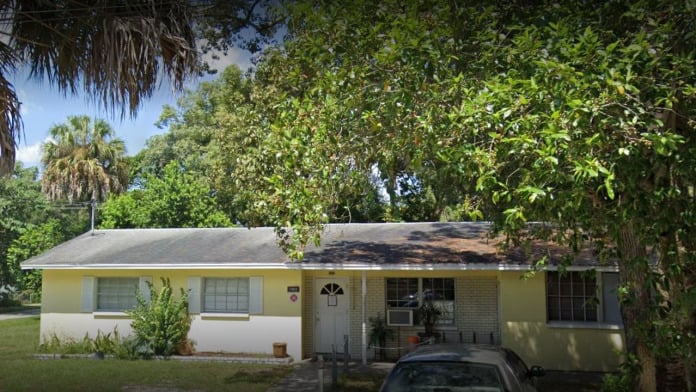
This is a great place. Pastor Tom emphasizes the Core Values. Faith, Family and Community. This is a sweat equity plan. You only get out of it, what you put into it.
About New Beginnings of Tampa
Their faith based programs support whole person healing and include a wide range of services to help you build a happy, successful and substance free life. You may engage in vocational training or supported employment to prepare you to re-engage with the community and live independently.
Counseling, recovery education, life skills training, and traditional 12 Step modalities are at the heart of their recovery model. Case management is provided to keep people on track. Regular church attendance on campus is required.
Perspectives on the program are mixed. Some people were very grateful for the practical, last resort option that it presented to them. Some veterans were happy with this option, while others thought that it wasn’t suitable.
Facility Overview
Latest Reviews
Rehab Score
Gallery
Other Forms of Payment
Self-pay involves paying for treatment out of your own pocket. You can use savings or credit, get a personal loan, or receive help from family and friends to fund your treatment. If you don't have insurance or your insurance plan doesn't cover a specific program, self-pay can help ensure you still get the care you need.
Financial aid can take many forms. Centers may have grants or scholarships available to clients who meet eligibility requirements. Programs that receive SAMHSA grants may have financial aid available for those who need treatment as well. Grants and scholarships can help you pai for treatment without having to repay.
Addiction Treatments
Levels of Care
Residential treatment programs are those that offer housing and meals in addition to substance abuse treatment. Rehab facilities that offer residential treatment allow patients to focus solely on recovery, in an environment totally separate from their lives. Some rehab centers specialize in short-term residential treatment (a few days to a week or two), while others solely provide treatment on a long-term basis (several weeks to months). Some offer both, and tailor treatment to the patient's individual requirements. Their program offers their patients a safe place to live and a personalized, gender-responsive program of guidance to help them stabilize their lives
12 step programs support recovery through emotional, psychological, and spiritual development to address the root causes of addiction. These programs are peer directed, with participants regularly attending 12 step meetings, which are anonymous, free, and accessible day and night, year-round. Recovery is based on "working the steps" to understand the source of addiction, take accountability for one's life choices, and relinquish control for that which cannot be changed. Age-specific, gender-separate, and other specialized programs are widely available.
A sober living home in Florida often serves as a transitional residence for individuals coming out of inpatient rehab. This helps those in recovery avoid isolation that can sometimes happen after they return home from treatment. It offers a supportive environment where they can practice skills learned in rehab. Offering a combination of structure and freedom, men's or women's sober living is a good stepping stone to independent life in recovery.
24-hour clinical care in Florida is an essential part of treatment, particularly with medical detox. Withdrawal symptoms can be severe, and supervised detox provides around the clock access to medical professionals who can adminsiter proper medications and treatment to address these symptoms and step in should an emergency occur. This intensive clinical care will help curb the withdrawal effects, minimize substance dependence, and prepare you for the next step of treatment.
Treatments
The goal of treatment for alcoholism is abstinence. Those with poor social support, poor motivation, or psychiatric disorders tend to relapse within a few years of treatment. For these people, success is measured by longer periods of abstinence, reduced use of alcohol, better health, and improved social functioning. Recovery and Maintenance are usually based on 12 step programs and AA meetings.
Drug rehab in Florida provides quality treatment to help individuals overcome dependency related to a wide range of addictive substances. Programs address both the physical and mental aspects of addiction in order to help you make a full recovery.
A combined mental health and substance abuse rehab has the staff and resources available to handle individuals with both mental health and substance abuse issues. It can be challenging to determine where a specific symptom stems from (a mental health issue or an issue related to substance abuse), so mental health and substance abuse professionals are helpful in detangling symptoms and keeping treatment on track.

Opioid rehabs specialize in supporting those recovering from opioid addiction. They treat those suffering from addiction to illegal opioids like heroin, as well as prescription drugs like oxycodone. These centers typically combine both physical as well as mental and emotional support to help stop addiction. Physical support often includes medical detox and subsequent medical support (including medication), and mental support includes in-depth therapy to address the underlying causes of addiction.

Programs
Adult rehab programs include therapies tailored to each client's specific needs, goals, and recovery progress. They are tailored to the specific challenges adult clients may face, including family and work pressures and commitments. From inpatient and residential treatment to various levels of outpatient services, there are many options available. Some facilities also help adults work through co-occurring conditions, like anxiety, that can accompany addiction.
Young adulthood can be an exciting, yet difficult, time of transition. Individuals in their late teens to mid-20s face unique stressors related to school, jobs, families, and social circles, which can lead to a rise in substance use. Rehab centers with dedicated young adult programs will include activities and amenities that cater to this age group, with an emphasis on specialized counseling, peer socialization, and ongoing aftercare.
Serving in the military is both mentally and physically challenging, and can result in trauma that persists even after combat ends. Military programs are tailored to the specific and often complex needs of active duty personnel, veterans, and military families. Clients often access these programs through the U.S. Department of Veterans Affairs (VA).
Clinical Services
Group therapy is any therapeutic work that happens in a group (not one-on-one). There are a number of different group therapy modalities, including support groups, experiential therapy, psycho-education, and more. Group therapy involves treatment as well as processing interaction between group members.
In individual therapy, a patient meets one-on-one with a trained psychologist or counselor. Therapy is a pivotal part of effective substance abuse treatment, as it often covers root causes of addiction, including challenges faced by the patient in their social, family, and work/school life.
During family therapy sessions, you navigate the complexities of addiction and are provided tools to help improve communication and resolve conflicts. When you work together, families can better support their loved one's recovery and restore balance and harmony within the household.
Life skills trainings involve all the skills a person must have in order to function successfully in the world. These include time management, career guidance, money management, and effective communication. Truly successful addiction recovery is based on the ability to not only live substance-free, but to thrive. Life skills teaches the practical necessities of functioning in society, which sets clients up for success in life, and therefore sobriety.
Substance abuse creates biochemical imbalances in your body and brain. By implementing dietary changes, you can restore that balance. This is the goal of nutrition therapy in Florida. You'll gain an understanding of what nutrients your body needs and learn best self care practices.
Amenities
-
Residential Setting
-
Private Setting
Staff & Accreditations
Staff
Dr.Thomas E. Atchison
President
James Wray
Director of Veteran’s Center
Rodney Wilds
Case Manager
Jeremy Bowen
Executive Administrator
Virginia Hess Atchison
Women’s Director
Accreditations
State Licenses are permits issued by government agencies that allow rehab organizations to conduct business legally within a certain geographical area. Typically, the kind of program a rehab facility offers, along with its physical location, determines which licenses are required to operate legally.
State License: Florida
Contact Information
1402 East Chilkoot Avenue
Tampa FL, 33612