










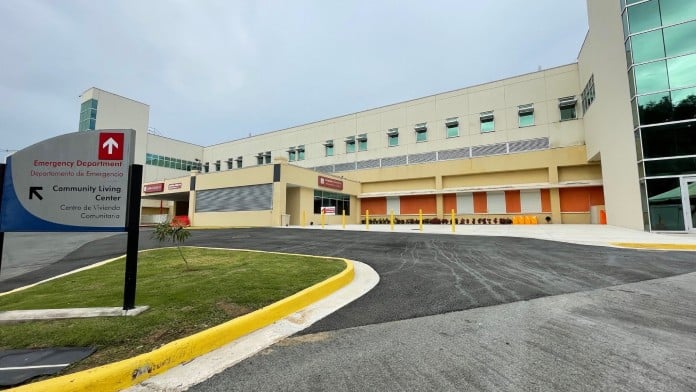
VA Caribbean Healthcare System - Arecibo CBOC
1
Top 10 Rehab Centers In Arecibo



















































































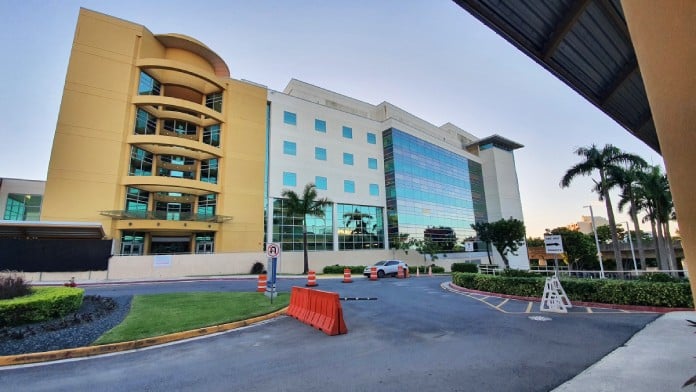
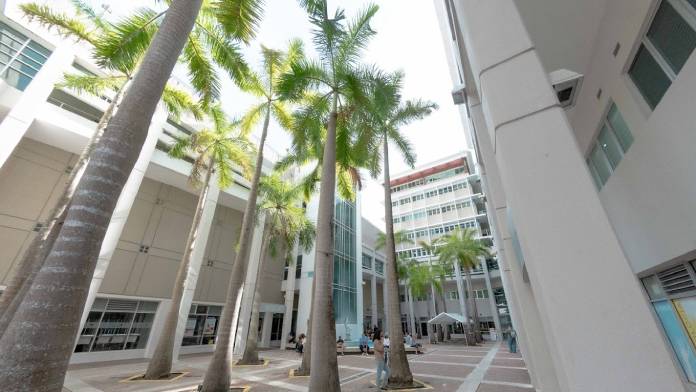
Panamericano San Juan is an adult behavioral health hospital and addiction treatment provider in San Juan, Puerto Rico, located on the grounds of Hospital Auxilio Mutuo.
Part of the First Hospital Panamericano network, this location offers specialized substance use programs, intensive outpatient care and integrated mental health services for adults.
The hospital offers NOVO, a specialized program for substance use or substance-induced disorders, along with an Intensive Therapy Program (IOP) for adults with substance abuse and accompanying psychiatric symptoms.
Outpatient units provide up to five hours a day of part-time hospitalization, with treatment that includes individual, group, occupational and recreational therapies.
Panamericano San Juan serves adults age 18 and older. NOVO welcomes both men and women, while the IOP is designed for adults managing substance use disorders alongside psychiatric symptoms, reflecting a strong focus on co-occurring care.
Clients and reviewers highlight the caring nursing staff and the confidential, structured environment.
The San Juan hospital unit is located at Av. Ponce de León 735 on the grounds of Hospital Auxilio Mutuo. NOVO is described as a safe, confidential setting surrounded by nature, and the location is part of a broader network of centers across Puerto Rico.
Panamericano San Juan accepts most medical insurances.
Coverage details can be confirmed during the private evaluation, which includes a medical exam and psychosocial history.


 Our Methodology


Private insurance refers to any kind of healthcare coverage that isn't from the state or federal government. This includes individual and family plans offered by an employer or purchased from the Insurance Marketplace. Every plan will have different requirements and out of pocket costs so be sure to get the full details before you start treatment.
Self-pay involves paying for treatment out of your own pocket. You can use savings or credit, get a personal loan, or receive help from family and friends to fund your treatment. If you don't have insurance or your insurance plan doesn't cover a specific program, self-pay can help ensure you still get the care you need.
Financial aid can take many forms. Centers may have grants or scholarships available to clients who meet eligibility requirements. Programs that receive SAMHSA grants may have financial aid available for those who need treatment as well. Grants and scholarships can help you pai for treatment without having to repay.
Medicare is a federal program that provides health insurance for those 65 and older. It also serves people under 65 with chronic and disabling health challenges. To use Medicare for addiction treatment you need to find a program that accepts Medicare and is in network with your plan. Out of pocket costs and preauthorization requirements vary, so always check with your provider.
Military members, veterans, and eligible dependents have access to specific insurance programs that help them get the care they need. TRICARE and VA insurance can help you access low cost or no cost addiction and mental health treatment. Programs that accept military insurance often have targeted treatment focused on the unique challenges military members, veterans, and their families face.
Residential treatment programs are those that offer housing and meals in addition to substance abuse treatment. Rehab facilities that offer residential treatment allow patients to focus solely on recovery, in an environment totally separate from their lives. Some rehab centers specialize in short-term residential treatment (a few days to a week or two), while others solely provide treatment on a long-term basis (several weeks to months). Some offer both, and tailor treatment to the patient's individual requirements.
Many of those suffering from addiction also suffer from mental or emotional illnesses like schizophrenia, bipolar disorder, depression, or anxiety disorders. Rehab and other substance abuse facilities treating those with a dual diagnosis or co-occurring disorder administer psychiatric treatment to address the person's mental health issue in addition to drug and alcohol rehabilitation.
Mental health rehabs focus on helping individuals recover from mental illnesses like bipolar disorder, clinical depression, anxiety disorders, schizophrenia, and more. Mental health professionals at these facilities are trained to understand and treat mental health issues, both in individual and group settings.
Adult rehab programs include therapies tailored to each client's specific needs, goals, and recovery progress. They are tailored to the specific challenges adult clients may face, including family and work pressures and commitments. From inpatient and residential treatment to various levels of outpatient services, there are many options available. Some facilities also help adults work through co-occurring conditions, like anxiety, that can accompany addiction.
Serving in the military is both mentally and physically challenging, and can result in trauma that persists even after combat ends. Military programs are tailored to the specific and often complex needs of active duty personnel, veterans, and military families. Clients often access these programs through the U.S. Department of Veterans Affairs (VA).
Young adulthood can be an exciting, yet difficult, time of transition. Individuals in their late teens to mid-20s face unique stressors related to school, jobs, families, and social circles, which can lead to a rise in substance use. Rehab centers with dedicated young adult programs will include activities and amenities that cater to this age group, with an emphasis on specialized counseling, peer socialization, and ongoing aftercare.
Cognitive Behavioral Therapy (CBT) is a therapy modality that focuses on the relationship between one's thoughts, feelings, and behaviors. It is used to establish and allow for healthy responses to thoughts and feelings (instead of unhealthy responses, like using drugs or alcohol). CBT has been proven effective for recovering addicts of all kinds, and is used to strengthen a patient's own self-awareness and ability to self-regulate. CBT allows individuals to monitor their own emotional state, become more adept at communicating with others, and manage stress without needing to engage in substance abuse.
Whether a marriage or other committed relationship, an intimate partnership is one of the most important aspects of a person's life. Drug and alcohol addiction affects both members of a couple in deep and meaningful ways, as does rehab and recovery. Couples therapy and other couples-focused treatment programs are significant parts of exploring triggers of addiction, as well as learning how to build healthy patterns to support ongoing sobriety.
Eating disorders include anorexia, bulimia, binge eating, and dysfunctional eating patterns. Many psychologists and other mental health professionals consider eating disorders to be food addictions, meaning food is being used in an addictive way (similar to drug or alcohol addiction). Certain substance abuse treatment programs will have treatment for eating disorders as one of the services offered. An eating disorder may also present as a co-occuring disorder or dual diagnosis alongside drug and alcohol addiction.
Experiential therapy is a form of therapy in which clients are encouraged to surface and work through subconscious issues by engaging in real-time experiences. Experiential therapy departs from traditional talk therapy by involving the body, and having clients engage in activities, movements, and physical and emotional expression. This can involve role-play or using props (which can include other people). Experiential therapy can help people process trauma, memories, and emotion quickly, deeply, and in a lasting fashion, leading to substantial and impactful healing.
Research clearly demonstrates that recovery is far more successful and sustainable when loved ones like family members participate in rehab and substance abuse treatment. Genetic factors may be at play when it comes to drug and alcohol addiction, as well as mental health issues. Family dynamics often play a critical role in addiction triggers, and if properly educated, family members can be a strong source of support when it comes to rehabilitation.
Group therapy is any therapeutic work that happens in a group (not one-on-one). There are a number of different group therapy modalities, including support groups, experiential therapy, psycho-education, and more. Group therapy involves treatment as well as processing interaction between group members.
In individual therapy, a patient meets one-on-one with a trained psychologist or counselor. Therapy is a pivotal part of effective substance abuse treatment, as it often covers root causes of addiction, including challenges faced by the patient in their social, family, and work/school life.
Trauma therapy addresses traumatic incidents from a client's past that are likely affecting their present-day experience. Trauma is often one of the primary triggers and potential causes of addiction, and can stem from child sexual abuse, domestic violence, having a parent with a mental illness, losing one or both parents at a young age, teenage or adult sexual assault, or any number of other factors. The purpose of trauma therapy is to allow a patient to process trauma and move through and past it, with the help of trained and compassionate mental health professionals.
Human Resources Director
Medical Doctor
Psychiatrist at Inpatient Addiction Unit NOVO
Gerente Dpto de Admisiones
Rehab.com regularly reviews this listing for accuracy but changes may occur between updates. For the most up-to-date information, please contact Panamericano San Juan.

735 PR-25
San Juan, 00917
Sponsored Helpline

Atención: Dr. Jonathan Torres Crespo (Psiquiatra) y a todo El Personal del Área de Varones Domingo 30 de agosto de 2026 Estimado Doctor Torres; Por este medio deseo agradecer s usted y a todo su Personal del Área de Varones, por todo el trato Profesional y lleno de absoluta Empatía con todos y cada uno de los Pacientes. Gracias, porque todos llegamos con diferentes situaciones y bajo diversas circunstancias, más ustedes muestran la Calidad de su Vocación. Llegué sumamente agobiado y extenuado el pasado sábado 22 de agosto, y desde el primer momento en que me recibió la joven recepcionista (Trigueñita como India), luego el Excelente Profesional de Enfermería Luis Villegas quien literalmente es un Líder y Ejemplo de un Buen Profesional de Enfermería, la Doctora de Cabello corto y una sonrisa de afirmar que todo estará bien y que hizo la evaluación inicial y tuvo ese amor y oído para Escuchar. Sin duda alguna, deben sentirse Orgullosos de tener un Personal tan Calificado y que aunque puedan tener como todo see humano, caracteres diferentes, el fin es el mismo y es ayudarnos a estabilizarnos y salir bien de todos los procesos que nos hayan llevado hasta allí. A las Trabajadoras Sociales Clínicas Celis y Luz M., en especial a ella por su amabilidad y comprensión y compromiso con los Pacientes, al Capellán que siempre participó junto a nosotros sin forzar a nadie y permitiendo la libertad de acudir a su consejo, Gracias. A esas Profesionales enfermeras/os que lo entregaron todo cada mañana, tarde, noche y madrugadas: Nicole, Cecilia, Juán, Don Eduardo que se empatizaba al llevarnos nuevas Películas para que en las noches pudiéramos compartir en el Salón Comedor, Gracias. A las Terapistas Clínicas (Recreativas) Coralys por su esmero transparente y empático, a Amgelique la Gran representante del Deporte Puertorriqueño, pero sobre todo honrando Los Valores y Los Principios del servir con amor y empatía y dedicación y Paciencia con Los Pacientes, Gracias. A cada Compañero de Batalla que allí estuvieron, perteneciendo al mismo equipo y con diferentes guerras por librar, de ellos también aprendí mucho, de Mateo que estando como Paciente también demostró la Calidad de Profesional y Persona que es y se que saldrá adelante, a ese Personal de Aseo y Mantenimiento que dialogaban con nosotros, Gracias. Gracias porque quizás con pocos recursos hacen maravillas, porque logran tener el tiempo adecuado para cada uno de nosotros y nos observan con ojos de bondad y la determinación de poder ayudarnos, Gracias porque realizan una marcada diferencia en medio de un Puerto Rico que olvida que la Salud Mental, Anímica, Emocional es tan y cual Importante que la física. Gracias porque demuestran que amar la Vocación no es una mera opción, sino un deber genuino que nace de los más profundo de sus respectivas Profesiones para lograr marcar la diferencia que tantas Agencias aún no logran ver o simplemente las obvian. Simplemente, GRACIAS. Cordialmente, Pedro E. Pantojas Santiago “Peter” Juncos, Puerto Rico

Saludos, La semana pasada estuve recibiendo atenciones por parte de la Dra Negron , el Dr Torres y el personal de enfermería y la realidad es que sus atenciones y profesionalismo superaron mis expectativas. muchas Gracias por la gran calidad de profesionales y humanos que son. Dios los bendiga.


Cinco estrellas para la Dra. Negrón! Una atención médica impecable, un trato sumamente profesional. Totalmente recomendada.
 Back
Back
Sharing your insights and experiences can help others learn more about this rehab center.
