











Elevate Addiction Services - SLT
1
Top 10 Rehab Centers In South Lake Tahoe



















































































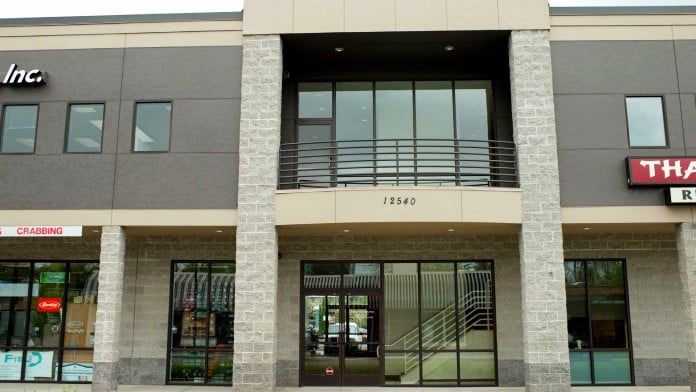
Addiction-related services provided at this facility include an intensive outpatient program, medication-assisted therapy, and a DUI Diversion Program.
Intensive Outpatient Program
The first part of treatment includes establishing a medical detox strategy to lessen withdrawal symptoms and safely rid the body of substances. Treatment is on an intensive but part time basis of nine hours per week for six weeks. There are many group session times in the evenings to accommodate work and school schedules. Groups are small, consisting of a maximum of 10 people. Process groups cover topics like relapse prevention, how to manage cravings, understanding brain chemistry, the progression of the disease of addiction, introduction to the 12 Steps of AA and NA, spirituality, stages of change, mental health challenges, parenting skills, and communication skills.
DUI Diversion Program
This is a court-mandated program for individuals who need to complete a DUI Diversion Program as part of their sentencing package. Classes are 13 weeks long and consist of psychoeducation that addresses drugs and alcohol, relapse, and recidivism.



 Our Methodology



Self-pay involves paying for treatment out of your own pocket. You can use savings or credit, get a personal loan, or receive help from family and friends to fund your treatment. If you don't have insurance or your insurance plan doesn't cover a specific program, self-pay can help ensure you still get the care you need.
Private insurance refers to any kind of healthcare coverage that isn't from the state or federal government. This includes individual and family plans offered by an employer or purchased from the Insurance Marketplace. Every plan will have different requirements and out of pocket costs so be sure to get the full details before you start treatment.
Medicaid is a state based program that helps lower-income individuals and families pay for healthcare. Medicaid covers addiction treatment so those enrolled can use their coverage to pay for rehab. When a program accepts Medicaid the client often pays very little or nothing out of their own pocket.
Medicare is a federal program that provides health insurance for those 65 and older. It also serves people under 65 with chronic and disabling health challenges. To use Medicare for addiction treatment you need to find a program that accepts Medicare and is in network with your plan. Out of pocket costs and preauthorization requirements vary, so always check with your provider.
Military members, veterans, and eligible dependents have access to specific insurance programs that help them get the care they need. TRICARE and VA insurance can help you access low cost or no cost addiction and mental health treatment. Programs that accept military insurance often have targeted treatment focused on the unique challenges military members, veterans, and their families face.
Outpatient Programs (OP) are for those seeking mental rehab or drug rehab, but who also stay at home every night. The main difference between outpatient treatment (OP) and intensive outpatient treatment (IOP) lies in the amount of hours the patient spends at the facility. Most of the time an outpatient program is designed for someone who has completed an inpatient stay and is looking to continue their growth in recovery. Outpatient is not meant to be the starting point, it is commonly referred to as aftercare.
Inpatient rehabs differ from outpatient facilities in the intensity and frequency of treatment. Clients in inpatient care reside at the treatment facility for the length of the program. They engage in intensive addiction counseling and recovery-focused life skills training. Treatment programs may draw from a variety of methods, including CBT, DBT, RBT, trauma therapy, and motivational interviewing. Holistic therapies, such as yoga and message, are frequently available to clients in inpatient care.
Intensive Outpatient programs are for those who want or need a very structured treatment program but who also wish to live at home and continue with certain responsibilities (such as work or school). IOP substance abuse treatment programs vary in duration and intensity, and certain outpatient rehab centers will offer individualized treatment programs. The Intensive Outpatient Program gives patients the chance to participate in a structured treatment plan part-time while they transition back to home and work or other responsibilities.
Completing a drug or alcohol rehab program shouldn't spell the end of substance abuse treatment. Aftercare involves making a sustainable plan for recovery, including ongoing support. This can include sober living arrangements like halfway houses, career counseling, and setting a patient up with community programs like Alcoholics Anonymous (AA) or Narcotics Anonymous (NA).
Medical detox is the process of weaning your body off drugs and/or alcohol under 24/7 medical supervision. Suddenly stopping use of addictive substances can have negative side effects, and in severe cases, it can be extremely dangerous or deadly. In an inpatient environment, a medically assisted detox provides you with a team of medical professionals whose job is to help alleviate potential withdrawal symptoms and keep you safe and comfortable. After this process, you'll likely transition to an inpatient treatment program or other form of continued care.
Adult rehab programs include therapies tailored to each client's specific needs, goals, and recovery progress. They are tailored to the specific challenges adult clients may face, including family and work pressures and commitments. From inpatient and residential treatment to various levels of outpatient services, there are many options available. Some facilities also help adults work through co-occurring conditions, like anxiety, that can accompany addiction.
Group therapy sessions build community among participants. This community spirit creates strong bonds that support your path to recovery. The group setting offers you the opportunity to share experiences and goals in a judgment free environment.
Co-Founder
Co-Founder & CEO & Chief Medical Officer
Director of Clinical Services & Operations
Director of Human Resources
Rehab.com regularly reviews this listing for accuracy but changes may occur between updates. For the most up-to-date information, please contact Recovery Works NW.

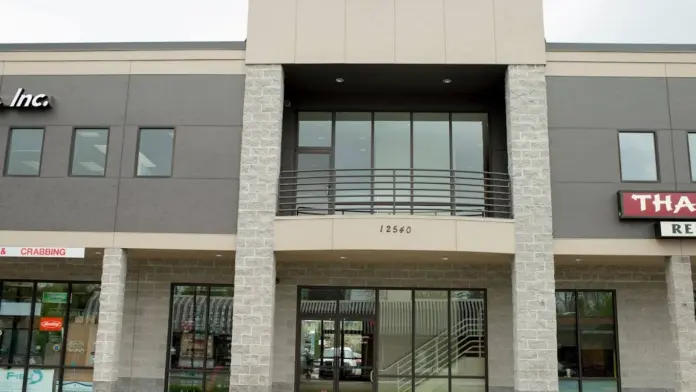
12540 SW Main St
Suite 202
Tigard, OR 97223
Sponsored Helpline


Started here when I got out of 90 day treatment in Cali. All of the staff including the doctor onsite are very respectful, kind and caring. They give us stickers and snacks and water and genuinely care for our care. I had never went through a service like this one, and they made the process seamless for me. Andi is very kind, as all of the staff!! They make me feel super comfortable there and it has greatly helped my recovery. Thank you Recovery Works NW!

I've been here before and it's the only place I would like to go back. Unfortunately I have the Oregon health plan which is great but the downside is i also have cigna. And cigna blocks my care there. I recommend this place. Great staff, food and great help

15 months of sobriety and one successful career later, I have nothing but thanks for this clinic. They helped me get through the legal process of a DUI and the therapy worked very well. They operate on accountability and warmth, and they have a medical team to help you with detox at home as well as medication for addiction that actually works.
 Back
Back
Sharing your insights and experiences can help others learn more about this rehab center.
 Written By: Kerry Nenn
BSW Expert Author, Editor
Written By: Kerry Nenn
BSW Expert Author, Editor
