




























































































Unprofessional staff, they don't care about their patients. I’ve spent more time waiting on hold during a phone call than I ever did with the therapists, unbelievable! It is a dirty, unprofessional place, so I would not recommend it for therapy.
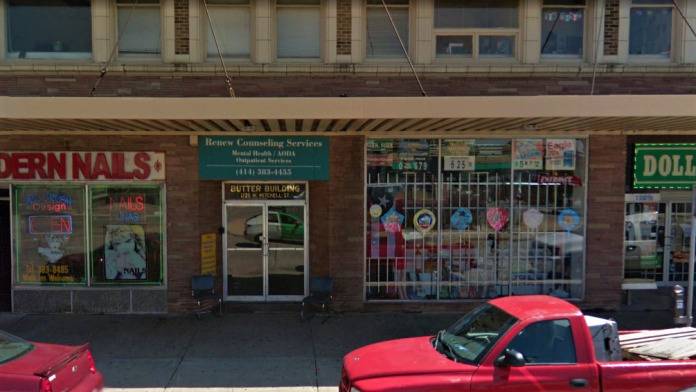
About Renew Counseling Services
To get started, you’ll need to call or visit their office and schedule an appointment with an intake specialist. You’ll then meet your new therapist or counselor and begin treatment. Together, you’ll create a treatment plan that works towards your goals. If medication is part of your treatment plan, you’ll be referred to one of their onsite prescribing doctors.
Renew Counseling Services accepts Medicaid, Medicare, United Health Care, Molina and Milwaukee County Adult AODA/Wiser Choice. Their fees are listed on their payment agreement form so if you don’t have coverage, you’ll know exactly how much you’ll pay.
I like that they are active on social media and post tips such as 10 strategies to reframe negative thoughts. Some past clients say that this facility is clean and that staff are warm and helpful.
Fact checked and written by:
Mari Mendoza, BS
Edited by:
Kerry Nenn, BSW
Latest Reviews
Horrible won’t even answer the phone. Insanely rude even when not busy . In order to TALK to someone (NOT a doctor) you have to travel all the way to the south side so that they can tell you they don’t accept your insurance. If you look at all these 5 star reviews you’d see that they only have 1 review and it’s because they’re fake accounts created to give that review. This place sucks, smells of alcohol and paint and they WILL NOT ANSWER THE PHONE
Won’t even answer the phone I’m trying to be a new patient and they LITERALLY will not answer the phone. It said open since 8 am it’s two hours and 30 minutes later STILL NOT ANSWERING
Will literally block your number for no reason after several calls to attempt to make an appointment thats obviously needed cause why else would i be calling? Thanks for helping people 🤡

Rehab Score
 Our Methodology
Scoring is assigned by a proprietary system which helps surface key metrics that determine quality. The 10-point scale factors in categories such as operations, customer satisfaction, and trust metrics. Read Full Methodology

5.8 / 10
Gallery
Other Forms of Payment
Private insurance refers to any kind of healthcare coverage that isn't from the state or federal government. This includes individual and family plans offered by an employer or purchased from the Insurance Marketplace. Every plan will have different requirements and out of pocket costs so be sure to get the full details before you start treatment.
Self-pay involves paying for treatment out of your own pocket. You can use savings or credit, get a personal loan, or receive help from family and friends to fund your treatment. If you don't have insurance or your insurance plan doesn't cover a specific program, self-pay can help ensure you still get the care you need.
Financial aid can take many forms. Centers may have grants or scholarships available to clients who meet eligibility requirements. Programs that receive SAMHSA grants may have financial aid available for those who need treatment as well. Grants and scholarships can help you pai for treatment without having to repay.
Sliding scale payments are based on a client's income and family size. The goal is to make treatment affordable to everyone. By taking these factors into account, addiction recovery care providers help ensure that your treatment does not become a financial burden to you or your family, eliminating one barrier to care.
Medicare is a federal program that provides health insurance for those 65 and older. It also serves people under 65 with chronic and disabling health challenges. To use Medicare for addiction treatment you need to find a program that accepts Medicare and is in network with your plan. Out of pocket costs and preauthorization requirements vary, so always check with your provider.
Military members, veterans, and eligible dependents have access to specific insurance programs that help them get the care they need. TRICARE and VA insurance can help you access low cost or no cost addiction and mental health treatment. Programs that accept military insurance often have targeted treatment focused on the unique challenges military members, veterans, and their families face.
Medicaid is a state based program that helps lower-income individuals and families pay for healthcare. Medicaid covers addiction treatment so those enrolled can use their coverage to pay for rehab. When a program accepts Medicaid the client often pays very little or nothing out of their own pocket.
Addiction Treatments
Levels of Care
Outpatient Programs (OP) are for those seeking mental rehab or drug rehab, but who also stay at home every night. The main difference between outpatient treatment (OP) and intensive outpatient treatment (IOP) lies in the amount of hours the patient spends at the facility. Most of the time an outpatient program is designed for someone who has completed an inpatient stay and is looking to continue their growth in recovery. Outpatient is not meant to be the starting point, it is commonly referred to as aftercare.
Intensive Outpatient Programs (IOP) are for those who want or need a very structured treatment program but who also wish to live at home and continue with certain responsibilities (such as work or school). IOP substance abuse treatment programs vary in duration and intensity, and certain outpatient rehab centers will offer individualized treatment programs.
Rehab aftercare programs support clients' long-term recovery through highly customized wraparound care aligned with clients' evolving needs. Most have been sober for a period of weeks or longer and have completed intensive inpatient rehab but may be receiving outpatient care. Many clients also receive services after being discharged from formal treatment. Long-term care plans are typically developed in collaboration with the client's case manager and care team and may include peer coaching, relapse prevention, and related services.
If you are planning a drug intervention in Wisconsin, many rehab facilities offer professional intervention services to assist you. Having the expert insight of a trained intervention specialist can improve your chances of success when helping you plan and facilitate the intervention. This third-party involvement can provide the impartiality necessary for a productive conversation and appropriate guidance for next steps.
Drug and alcohol addiction often takes a heavy toll on one's body. Over time, a physical dependence can develop, meaning the body physiologically needs the substance to function. Detox is the process of removing drugs and/or alcohol from the body, a process that can be lethal if mismanaged. Medical detox is done by licensed medical professionals who monitor vital signs and keep you safe, healthy, and as comfortable as possible as you go through detox and withdrawal.
Treatments
The goal of treatment for alcoholism is abstinence. Those with poor social support, poor motivation, or psychiatric disorders tend to relapse within a few years of treatment. For these people, success is measured by longer periods of abstinence, reduced use of alcohol, better health, and improved social functioning. Recovery and Maintenance are usually based on 12 step programs and AA meetings.
The goal of drug rehab in Wisconsin is to address drug addiction as a complex issue that involves physical, mental, and relational aspects. During rehab, treatment focuses on each of these areas and gives you the tools you need to achieve and maintain sobriety.
Many of those suffering from addiction also suffer from mental or emotional illnesses like schizophrenia, bipolar disorder, depression, or anxiety disorders. Rehab and other substance abuse facilities treating those with a dual diagnosis or co-occurring disorder administer psychiatric treatment to address the person's mental health issue in addition to drug and alcohol rehabilitation.
In Wisconsin, dual-diagnosis rehabs provide beneficial comprehensive care if you're struggling with a co-occurring mental health and substance abuse disorder. You can usually expect treatment to include evidence-based therapies such as cognitive-behavioral therapy (CBT) and dialectical behavior therapy (DBT) in order simultaneously to address both conditions.
Opioid rehabs specialize in supporting those recovering from opioid addiction. They treat those suffering from addiction to illegal opioids like heroin, as well as prescription drugs like oxycodone. These centers typically combine both physical as well as mental and emotional support to help stop addiction. Physical support often includes medical detox and subsequent medical support (including medication), and mental support includes in-depth therapy to address the underlying causes of addiction.
Dual-diagnosis treatment programs in Wisconsin can provide substance abuse treatment for individuals facing addiction and co-occurring mental health disorders. You can usually find treatment to suit your individual needs, whether that is inpatient, outpatient, or day treatment. These programs utilize evidence-based therapies such as cognitive-behavioral therapy (CBT), dialectical behavior therapy (DBT), and mindfulness-based interventions to help you relearn new thought patterns, develop new coping strategies, and learn the skills to maintain recovery.
Programs
Adult rehab programs include therapies tailored to each client's specific needs, goals, and recovery progress. They are tailored to the specific challenges adult clients may face, including family and work pressures and commitments. From inpatient and residential treatment to various levels of outpatient services, there are many options available. Some facilities also help adults work through co-occurring conditions, like anxiety, that can accompany addiction.
Young adulthood can be an exciting, yet difficult, time of transition. Individuals in their late teens to mid-20s face unique stressors related to school, jobs, families, and social circles, which can lead to a rise in substance use. Rehab centers with dedicated young adult programs will include activities and amenities that cater to this age group, with an emphasis on specialized counseling, peer socialization, and ongoing aftercare.
Recovery is most successful when clients feel accepted and validated by their peers and treatment providers. Facilities that offer LGBTQ-inclusive programming are committed to creating a safe space where everyone can grow and recover without fear of judgment or discrimination. They will have dedicated policies in place to create a safe and supportive environment that fosters free expression.
Serving in the military is both mentally and physically challenging, and can result in trauma that persists even after combat ends. Military programs are tailored to the specific and often complex needs of active duty personnel, veterans, and military families. Clients often access these programs through the U.S. Department of Veterans Affairs (VA).
Nearly one million adults age 65 and older live with a substance use disorder. Treatment providers who specialize in senior care understand the social, psychological, and physical effects of aging and how they relate to recovery. They can help clients address particular challenges and risks they may face as they get older such as overdosing and medication interactions and dependencies.
The providers who specialize in the children's rehab space understand the specialized needs that this population faces. School-based and social services such as tutoring and family counseling are often central to treatment. Child programs may also address the needs of youth experiencing substance abuse in the home, including a parent's or sibling's addiction.
Clinical Services
Group therapy is any therapeutic work that happens in a group (not one-on-one). There are a number of different group therapy modalities, including support groups, experiential therapy, psycho-education, and more. Group therapy involves treatment as well as processing interaction between group members.
Individual therapy offers you a tailored approach to treat drug addiction. This focuses on your unique needs and offers you personalized support outside of a group setting. You begin to understand what triggers your addictive behavior and develop coping skills that can support your recovery.
Research clearly demonstrates that recovery is far more successful and sustainable when loved ones like family members participate in rehab and substance abuse treatment. Genetic factors may be at play when it comes to drug and alcohol addiction, as well as mental health issues. Family dynamics often play a critical role in addiction triggers, and if properly educated, family members can be a strong source of support when it comes to rehabilitation.
Addiction treatment in Wisconsin emphasizes life skills training to help you relearn critical capabilities for day to day life. This training helps you build healthy, positive strategies for everything from self care, to career, to interpersonal relationships.
Amenities
-
 Private Setting
 -
 Residential Setting
Staff
Wayne Croatt
CEO
Sheena Melotik
Vice President
Contact Information

2500 W Layton Ave
#110
Milwaukee, WI 53221
Get Help Now - 414-295-9478
Sponsored Helpline
Sponsored Helpline

