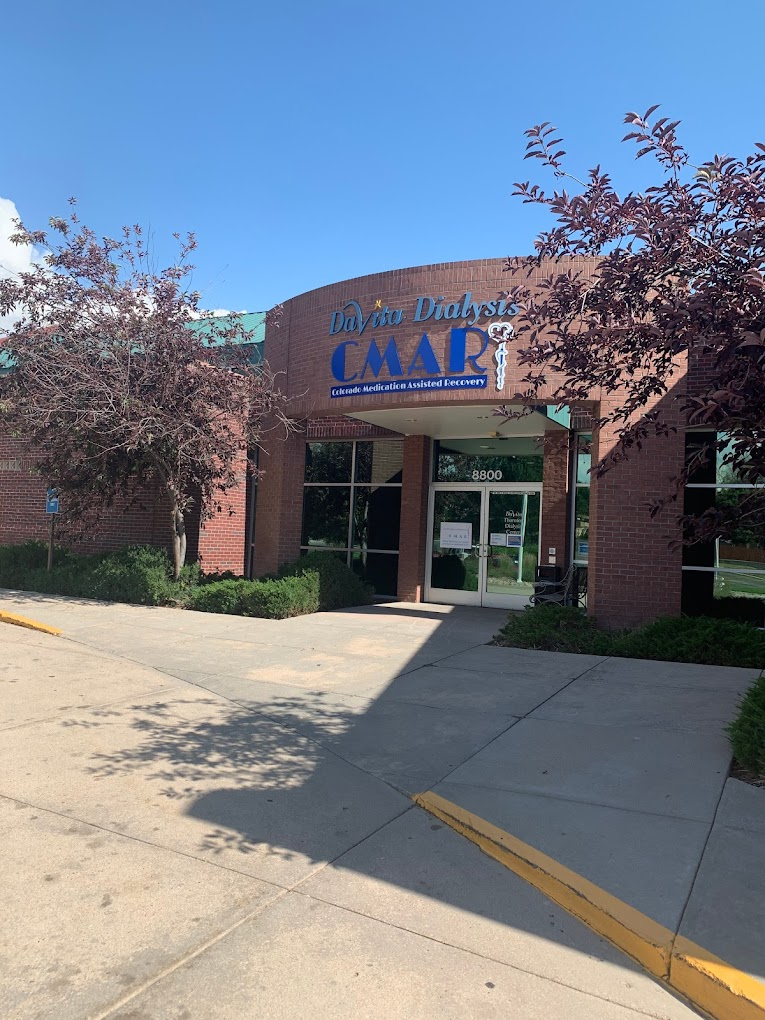
Would not suggest to anyone. What they preach is not what they practice. More family ran than State ran. Mother and son business basically. More directed at the women than men. Producing more drug addict citizens to relocate into Livingston. For the drug addict it's a place ...
About Southwest Chemical Dependency
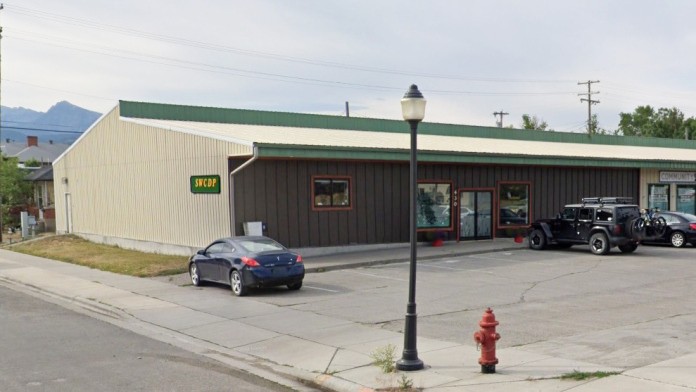
A popular gateway to Yellowstone National Park, Livingston, Montana is home to Southwest Chemical Dependency. Since 1977, they’ve strived to help adults overcome addiction. What started as a small program in an apartment has blossomed into a nonprofit corporation, serving Beaverhead, Madison, Park, and Meagher Counties. You’ll benefit from comprehensive outpatient care to start or continue your recovery journey.
With outpatient care, you can live at home and tend to daily responsibilities, like work, school, and family. Their program prioritizes self help groups, such as Alcoholics Anonymous and Narcotics Anonymous in recovery. You’ll also participate in group and individual therapy, peer support, and random drug screenings. These approaches can help you foster spiritual growth and build essential coping skills.
Comprehensive DUI Services
What stands out most to me is their DUI services. They are state approved Prime For Life Course instructors, providing the Montana Assessment, Course, Treatment (ACT). If you’re facing a DUI charge, you can participate in this track to complete the requirements to reinstate your license.
Ongoing Support and Encouragement
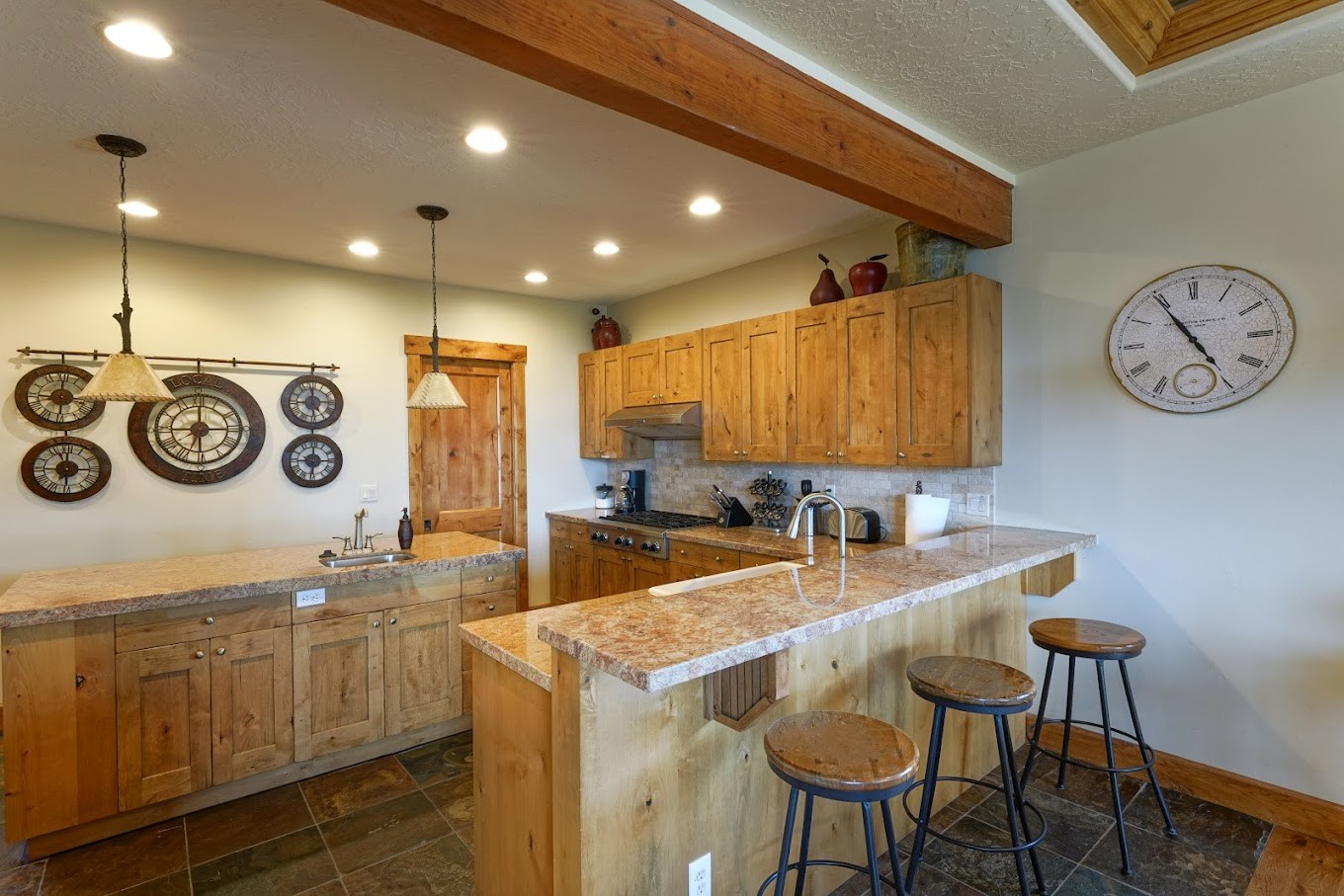
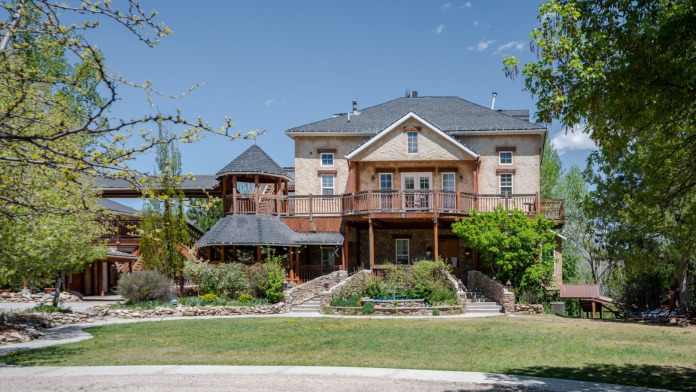
Another feature that caught my eye was their recovery home. Addiction experts recommend remaining in care to promote long term recovery once completing an initial program. They provide a safe, low intensity residential program to keep you on track in your journey. You can access clinical services and social support. That way you can gain the tools for independent living and sustaining recovery.
Embracing Faith For Recovery
I also think it’s nice that they emphasize spiritual growth. Twelve step programs encourage you to find strength through faith in a higher power. You’ll benefit from hope, a sense of purpose, and guidance to succeed in your journey.

Rehab Score
Gallery
Addiction Treatments
Levels of Care
Outpatient Programs (OP) are for those seeking mental rehab or drug rehab, but who also stay at home every night. The main difference between outpatient treatment (OP) and intensive outpatient treatment (IOP) lies in the amount of hours the patient spends at the facility. Most of the time an outpatient program is designed for someone who has completed an inpatient stay and is looking to continue their growth in recovery. Outpatient is not meant to be the starting point, it is commonly referred to as aftercare.
Completing a drug or alcohol rehab program shouldn't spell the end of substance abuse treatment. Aftercare involves making a sustainable plan for recovery, including ongoing support. This can include sober living arrangements like halfway houses, career counseling, and setting a patient up with community programs like Alcoholics Anonymous (AA) or Narcotics Anonymous (NA).
Clients who still need robust recovery care, but also need to remain in or return to their own homes may choose to enroll in an intensive outpatient program (IOP). These programs feature frequent, high-level treatment, often combining a variety of modalities, including addiction counseling, recovery education, and holistic therapies. Clients in alcohol and/or opioid recovery may also receive medication assisted treatment (MAT). Most intensive outpatient rehabs require clients to participate in nine to 20 hours of treatment weekly.

Clients undergoing treatment at an inpatient rehab receive intensive supervision and hands-on care. They reside at the treatment facility for the duration of the program, which may exceed 18 months in long-term residential programs. Rigorous addiction counseling, including family and group therapy, is often the primary treatment modality. Many programs also offer a range of evidence-based holistic therapies, including yoga, music therapy, meditation, and experiential therapy. Most programs promote clients' long-term sobriety through recovery-focused life skills training.
Treatments
The goal of treatment for alcoholism is abstinence. Those with poor social support, poor motivation, or psychiatric disorders tend to relapse within a few years of treatment. For these people, success is measured by longer periods of abstinence, reduced use of alcohol, better health, and improved social functioning. Recovery and Maintenance are usually based on 12 step programs and AA meetings.
A comprehensive drug rehab in Montana treats the entire person. Treatment methods address all the underlying causes of addiction and give the individual the tools they need to live a healthy, drug-free life.
Opioid rehabs specialize in supporting those recovering from opioid addiction. They treat those suffering from addiction to illegal opioids like heroin, as well as prescription drugs like oxycodone. These centers typically combine both physical as well as mental and emotional support to help stop addiction. Physical support often includes medical detox and subsequent medical support (including medication), and mental support includes in-depth therapy to address the underlying causes of addiction.

Substance rehabs focus on helping individuals recover from substance abuse, including alcohol and drug addiction (both illegal and prescription drugs). They often include the opportunity to engage in both individual as well as group therapy.
Programs
Adult rehab programs include therapies tailored to each client's specific needs, goals, and recovery progress. They are tailored to the specific challenges adult clients may face, including family and work pressures and commitments. From inpatient and residential treatment to various levels of outpatient services, there are many options available. Some facilities also help adults work through co-occurring conditions, like anxiety, that can accompany addiction.
Young adulthood can be an exciting, yet difficult, time of transition. Individuals in their late teens to mid-20s face unique stressors related to school, jobs, families, and social circles, which can lead to a rise in substance use. Rehab centers with dedicated young adult programs will include activities and amenities that cater to this age group, with an emphasis on specialized counseling, peer socialization, and ongoing aftercare.
Clinical Services
Whether a marriage or other committed relationship, an intimate partnership is one of the most important aspects of a person's life. Drug and alcohol addiction affects both members of a couple in deep and meaningful ways, as does rehab and recovery. Couples therapy and other couples-focused treatment programs are significant parts of exploring triggers of addiction, as well as learning how to build healthy patterns to support ongoing sobriety.
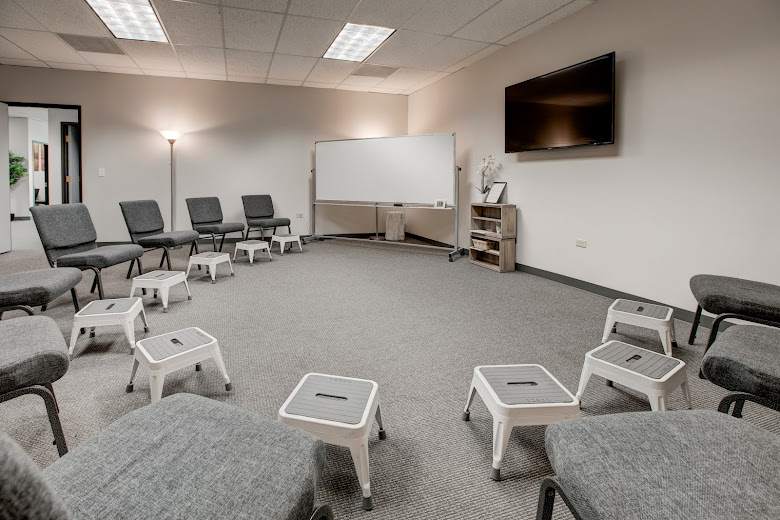

Research clearly demonstrates that recovery is far more successful and sustainable when loved ones like family members participate in rehab and substance abuse treatment. Genetic factors may be at play when it comes to drug and alcohol addiction, as well as mental health issues. Family dynamics often play a critical role in addiction triggers, and if properly educated, family members can be a strong source of support when it comes to rehabilitation.
Group therapy is any therapeutic work that happens in a group (not one-on-one). There are a number of different group therapy modalities, including support groups, experiential therapy, psycho-education, and more. Group therapy involves treatment as well as processing interaction between group members.
In individual therapy, a patient meets one-on-one with a trained psychologist or counselor. Therapy is a pivotal part of effective substance abuse treatment, as it often covers root causes of addiction, including challenges faced by the patient in their social, family, and work/school life.
Amenities
-
Residential Setting
Staff & Accreditations
Staff
Jean E McCauley, LAC
CEO
Granville Boone, CBHPSS
COO
Accreditations
State Licenses are permits issued by government agencies that allow rehab organizations to conduct business legally within a certain geographical area. Typically, the kind of program a rehab facility offers, along with its physical location, determines which licenses are required to operate legally.
State License: Montana
Contact Information
430 East Park street
Livingston, MT 59047