





























































































I firmly believe these people can pull off some miracles (I was one). A sweet thing they did was that they kept my family updated about my condition with. Fast and efficient staff. Now, any other hospitals seem terrible to me now
About University of Maryland Medical Center
The behavioral health program tackles a spectrum of mental health disorders such as depression, stress, bipolar disease and schizophrenia. They provide therapy, medication management and maintenance owners with their specialists offering mental health professionals. They aims to give patients the resources to take control over their lives, arming them with whatever coping mechanisms they need.
The Center offers a comprehensive substance abuse treatment program in addition to their behavioral health services. This program was created to aid people currently suffering from addiction with scientific evidence based treatments. The ultimate goal of the program is to facilitate recovery using individual and group therapy while also incorporating a plan for relapse prevention. Not only does their treatment approach address the physical side of addiction but also the psychological, meaning patients are treated as whole persons.
Patients can continue on their journey of recovery and get the support they need in an outpatient setting, which enables them to focus on other things at the same time. Staff also work closely with patients to develop personalized treatment plans that support long term recovery and offer ongoing support for relapse prevention.
Facility Overview
 789
789 Number of Available Beds
Latest Reviews
Good experience ❤️
Response from the owner1 day ago
Hi Maria, Thank you for your feedback. So happy to hear you had a good experience with us!
Was helped here with my partially paralized face, luckily it wasn't a stroke. Got helped by a few people of which Amanda Rocco was the one who really took extra time that she didn't have to be honest. It was busy and it took a while but Amanda and the others did all they could. After Neurology checked me I was send to the Pharmacy but Amanda walked along to show me where I needed to be.
Thank you and your colleagues Amanda !! A patient that is getting better day by day, not talking like Rocky Balboa anymore and can wink again with my left eye !!
😉🖖🏼 Live Long and Prosper !!
Response from the owner1 day ago
That's wonderful, Paul! Thank you so much for sharing your experience during your visit and allowing us to care for you!
My husband had endoscopic laser surgery on the seventh floor today with Dr. Greenwald.
First, I want to recognize Roberta in the Family Waiting area. She couldn’t have been nicer or more helpful. She is a real asset to your team.
The doctors, nurses, anesthesiologists and anesthetists were all caring, informative, and helpful. A surgical procedure is never fun, but everyone worked together to make it as pleasant as possible. Thank you!
Response from the owner1 day ago
That's wonderful, Judy! We are happy to hear your family had a great experience during your visit and that you chose us for your husband's care. We will be sure to pass this along to the team. 
Rehab Score
 Our Methodology
Scoring is assigned by a proprietary system which helps surface key metrics that determine quality. The 10-point scale factors in categories such as operations, customer satisfaction, and trust metrics. Read Full Methodology

7.3 / 10
Gallery
Accepted Insurance

ChoiceCare
Geisinger
Integrated Health Plan
Johns Hopkins Health Plans (JHHP)
Other Forms of Payment
Private insurance refers to any kind of healthcare coverage that isn't from the state or federal government. This includes individual and family plans offered by an employer or purchased from the Insurance Marketplace. Every plan will have different requirements and out of pocket costs so be sure to get the full details before you start treatment.
Self-pay involves paying for treatment out of your own pocket. You can use savings or credit, get a personal loan, or receive help from family and friends to fund your treatment. If you don't have insurance or your insurance plan doesn't cover a specific program, self-pay can help ensure you still get the care you need.
Financial aid can take many forms. Centers may have grants or scholarships available to clients who meet eligibility requirements. Programs that receive SAMHSA grants may have financial aid available for those who need treatment as well. Grants and scholarships can help you pai for treatment without having to repay.
Sliding scale payments are based on a client's income and family size. The goal is to make treatment affordable to everyone. By taking these factors into account, addiction recovery care providers help ensure that your treatment does not become a financial burden to you or your family, eliminating one barrier to care.
Medicare is a federal program that provides health insurance for those 65 and older. It also serves people under 65 with chronic and disabling health challenges. To use Medicare for addiction treatment you need to find a program that accepts Medicare and is in network with your plan. Out of pocket costs and preauthorization requirements vary, so always check with your provider.
Military members, veterans, and eligible dependents have access to specific insurance programs that help them get the care they need. TRICARE and VA insurance can help you access low cost or no cost addiction and mental health treatment. Programs that accept military insurance often have targeted treatment focused on the unique challenges military members, veterans, and their families face.
Medicaid is a state based program that helps lower-income individuals and families pay for healthcare. Medicaid covers addiction treatment so those enrolled can use their coverage to pay for rehab. When a program accepts Medicaid the client often pays very little or nothing out of their own pocket.
Addiction Treatments
Levels of Care
Outpatient Programs (OP) are for those seeking mental rehab or drug rehab, but who also stay at home every night. The main difference between outpatient treatment (OP) and intensive outpatient treatment (IOP) lies in the amount of hours the patient spends at the facility. Most of the time an outpatient program is designed for someone who has completed an inpatient stay and is looking to continue their growth in recovery. Outpatient is not meant to be the starting point, it is commonly referred to as aftercare.
Residential treatment programs are those that offer housing and meals in addition to substance abuse treatment. Rehab facilities that offer residential treatment allow patients to focus solely on recovery, in an environment totally separate from their lives. Some rehab centers specialize in short-term residential treatment (a few days to a week or two), while others solely provide treatment on a long-term basis (several weeks to months). Some offer both, and tailor treatment to the patient's individual requirements.
Clients who are leaving inpatient rehab often choose to transition into an intensive outpatient program (IOP) to receive high-level support as they reintegrate into their home, workplace, and community. Intensive outpatient rehab also benefits those at risk of relapse. Clients typically participate in nine to 20 hours of treatment weekly, with modalities ranging from psychotherapy to addiction and recovery education. Many programs also provide medication assisted treatment (MAT) and complementary care, such as nutrition counseling, and acupuncture.
Clients receiving support in a rehab aftercare program typically partner with their case manager and care team to identify and access the services that best align with their recovery needs and goals. Rehab aftercare services are designed to evolve with clients' changing needs to promote their long-term sobriety. Care modalities are highly customized and may include a range of medical, mental health, and social service resources, including peer coaching, career counseling, and 12 step program induction.
Quitting drugs and alcohol on your own can cause uncomfortable and even dangerous side effects caused by the withdrawal process. In medically assisted detox, a team of licensed medical professionals will monitor your health, provide medication for potential withdrawal symptoms, and work to keep you safe and comfortable. Most people transition to an inpatient program or a maintenance program that uses medication assisted treatment (MAT).
Treatments
The goal of treatment for alcoholism is abstinence. Those with poor social support, poor motivation, or psychiatric disorders tend to relapse within a few years of treatment. For these people, success is measured by longer periods of abstinence, reduced use of alcohol, better health, and improved social functioning. Recovery and Maintenance are usually based on 12 step programs and AA meetings.
Once a person has become addicted to a substance, drug rehab in Maryland is often necessary to overcome that addiction. These programs provide the tools individuals need to manage the physical, mental, and emotional issues involved and begin a successful recovery journey.
Many of those suffering from addiction also suffer from mental or emotional illnesses like schizophrenia, bipolar disorder, depression, or anxiety disorders. Rehab and other substance abuse facilities treating those with a dual diagnosis or co-occurring disorder administer psychiatric treatment to address the person's mental health issue in addition to drug and alcohol rehabilitation.
A combined mental health and substance abuse rehab has the staff and resources available to handle individuals with both mental health and substance abuse issues. It can be challenging to determine where a specific symptom stems from (a mental health issue or an issue related to substance abuse), so mental health and substance abuse professionals are helpful in detangling symptoms and keeping treatment on track.
Opioid rehabs specialize in supporting those recovering from opioid addiction. They treat those suffering from addiction to illegal opioids like heroin, as well as prescription drugs like oxycodone. These centers typically combine both physical as well as mental and emotional support to help stop addiction. Physical support often includes medical detox and subsequent medical support (including medication), and mental support includes in-depth therapy to address the underlying causes of addiction.
Programs
Adult rehab programs include therapies tailored to each client's specific needs, goals, and recovery progress. They are tailored to the specific challenges adult clients may face, including family and work pressures and commitments. From inpatient and residential treatment to various levels of outpatient services, there are many options available. Some facilities also help adults work through co-occurring conditions, like anxiety, that can accompany addiction.
Young adulthood can be an exciting, yet difficult, time of transition. Individuals in their late teens to mid-20s face unique stressors related to school, jobs, families, and social circles, which can lead to a rise in substance use. Rehab centers with dedicated young adult programs will include activities and amenities that cater to this age group, with an emphasis on specialized counseling, peer socialization, and ongoing aftercare.
Recovery is most successful when clients feel accepted and validated by their peers and treatment providers. Facilities that offer LGBTQ-inclusive programming are committed to creating a safe space where everyone can grow and recover without fear of judgment or discrimination. They will have dedicated policies in place to create a safe and supportive environment that fosters free expression.
Clinical Services
Cognitive behavioral therapy in Maryland emphasizes your current life rather than what has happened in the past. Your therapist will help you develop methods to deal with current and future challenges so you can cope in healthy ways that don't involve substances.
During dialectical behavior therapy sessions, you'll review the challenges you faced the previous week and the feelings you experienced during those times. You and your therapist will engage in problem solving, discussing how you can handle those situations in the future for a better outcome. This involves keeping a diary throughout the week to track your emotions.
Group therapy is any therapeutic work that happens in a group (not one-on-one). There are a number of different group therapy modalities, including support groups, experiential therapy, psycho-education, and more. Group therapy involves treatment as well as processing interaction between group members.
In individual therapy, a patient meets one-on-one with a trained psychologist or counselor. Therapy is a pivotal part of effective substance abuse treatment, as it often covers root causes of addiction, including challenges faced by the patient in their social, family, and work/school life.
Four key principles guide motivational interviewing. These are empathy, self efficacy, rolling with resistance, and developing discrepancy. These techniques allow the client to examine their motivations for change, identify discrepancies in their current situation and future goals, and feel empowered to make changes to reach their goals.
Trauma therapy addresses traumatic incidents from a client's past that are likely affecting their present-day experience. Trauma is often one of the primary triggers and potential causes of addiction, and can stem from child sexual abuse, domestic violence, having a parent with a mental illness, losing one or both parents at a young age, teenage or adult sexual assault, or any number of other factors. The purpose of trauma therapy is to allow a patient to process trauma and move through and past it, with the help of trained and compassionate mental health professionals.
Research clearly demonstrates that recovery is far more successful and sustainable when loved ones like family members participate in rehab and substance abuse treatment. Genetic factors may be at play when it comes to drug and alcohol addiction, as well as mental health issues. Family dynamics often play a critical role in addiction triggers, and if properly educated, family members can be a strong source of support when it comes to rehabilitation.
Life skills may be as simple as preparing a meal or as complex as interpersonal communication. They cover a broad range, encompassing the core skills you'll need for a successful long term recovery. Rehab in Maryland focuses on helping you develop or re learn these skills so you can live a healthy, independent life in recovery.
Engaging in recreational therapy during your addiction recovery provides you with a sense of accomplishment and joy. Art projects, physical fitness programs, and outdoor adventures help support your physical health, improve your mood, and build a supportive community that will help promote a sober lifestyle.
Amenities
-
 Private Setting
Staff

Bert W. O'Malley, MD
President & CEO
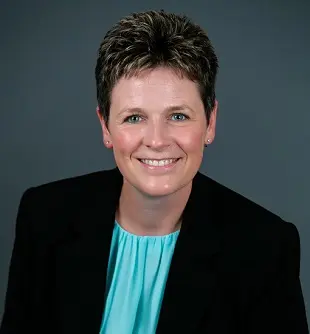
Heather Culp, JD
Senior VP of Philanthropy & Chief Philanthropy Officer
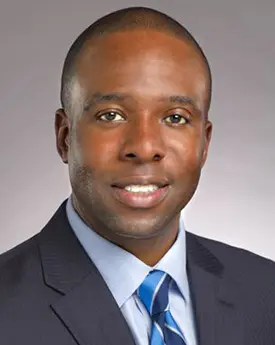
Ronald V. Cummins, Jr., MBA
Senior VP & COO
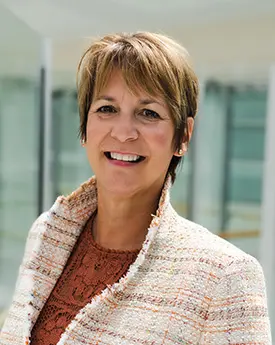
Karen E. Doyle, DNP, MBA, RN, NEA-BC, FAAN
Senior VP of Patient Care Services & Chief Nursing Officer
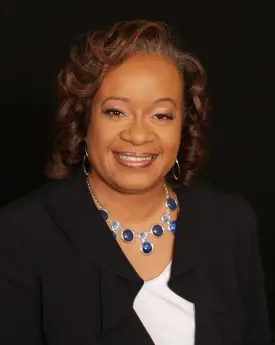
Dana D. Farrakhan, DrPH, MHS, FACHE
Senior VP, Strategy, Community & Business Development
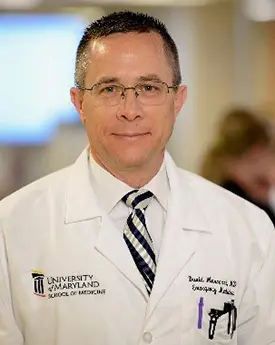
David Marcozzi, MD, MHS-CL, FACEP
Chief Clinical Officer & SVP
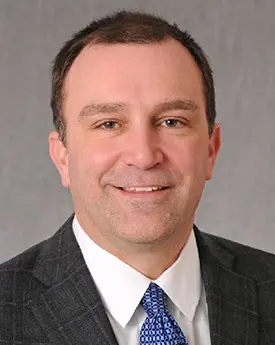
George Sprinkel
Senior VP & CFO
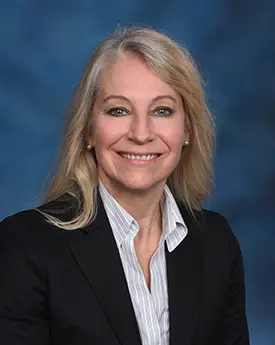
Rebecca A. Altman, RN, MBA
Senior Vp & Chief Administrative Officer
Rehab.com regularly reviews this listing for accuracy but changes may occur between updates. For the most up-to-date information, please contact University of Maryland Medical Center.
Contact Information

22 S Greene St
Baltimore, MD 21201
Get Help Now - 443-376-8502
Sponsored Helpline
Sponsored Helpline



