






























































































Some of the sessions were very helpful for me but honestly I am sure I won't come back here, there are many things that need to change from the program in order for it to be what the patients deserve.
About Waypoint Recovery Center
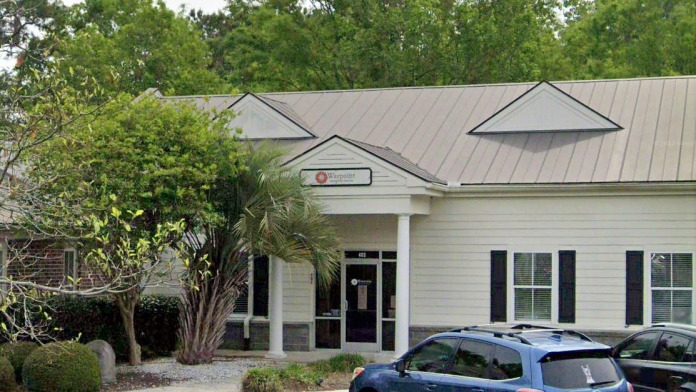
The programs are accredited by The Joint Commission. The outpatient program is in network with UBH insurance and Blue Cross/Blue Shield. They work with many other insurance carriers to get the most benefit from your insurance even if it’s not in network. The programs are for adults 18 and older.
The Netherby Lane outpatient program is an intensive outpatient program (IOP). At the time of writing, the daytime IOP runs from 10:00 a.m. to 1:00 p.m. on Monday, Tuesday, and Thursday. The evening IOP takes place from 4:00 p.m. to 7:00 p.m. on Monday, Wednesday, and Thursday.
Most of the programs in the IOP are group programs. You’ll participate in process groups where several people meet with a therapist. During the process group, you’ll learn more about yourself while interacting with others.
There are also education groups and skills building groups. The education group is less about relationships. Instead, a therapist gives you some ideas, tools, and info to help you develop better coping skills. You’ll learn about goal setting and how to pursue your goals while ensuring that your goals are appropriate for sober living.
Skills building groups are a place where you’ll learn skills to help you in your daily life and that reduce the likelihood of relapsing. You’ll get a chance to practice your skills in the group.
An IOP is beneficial because you’ll apply the skills you’re learning in groups to your daily life and work situations. There’s accountability, flexibility, and peer support. There’s also less disruption to your daily life because you’ll be able to continue your family, work, or school responsibilities while attending the program.
Latest Reviews
All of the staff at waypoint were helpful and understanding, the property is amazing. I picked the first place my insurance took and I couldnt have ended up at a better place. I am so greatful for my time there
Waypoint Recovery was a God-send. When I placed the first call to ask for help, the staff was so kind and spoke to me with such care and concern. The facility was beautiful and made me feel safe so that I could just concentrate on getting better. I can’t thank everyone there enough for watching over us and speaking to us like humans and not just addicts. I would definitely recommend this recovery center to others.
I left Waypoint Recovery center Dec 1 with so much knowledge about recovery especially my own. And I learned so much about other people. I learned how to love and to be loved again. The entire staff at Waypoint Recovery in Cameron are consummate professionals but it's not just that, they loved me the the moment I got there to the moment I graduated and continue to love me to this very moment. I love them back more than they could ever know. Mrs Tara C. (I'll get back to her) Invited me back to visit yesterday and it was such a blessing to see them all from this side of things too. It was an amazing moment for me. Sarah Collinsworth from waypoint helped figure out to get me there in the first place and she never gave up on me. God bless her for that. Turner the actual CEO is there almost every day even some weekends. He has an open door policy for residents all the time and has free candy. That's unheard of I think and it starts with people like him and his staff being there for us. The BHAS JENNIFER FAITH JAMAL DEVON AALIYAH OLYMPIA ELIZABETH ALLISON ASHLEY SHAMIKA MYKAYLA and im missing some but these folks are there to help and are always smiling doing it. Scott the aftercare coordinator is phenomenal with so much wisdom, I had just had to listen to him. My counselor Shawna. She is amazing and I will love her for our conversations and the conversations she's had with my family. And there's Mrs Tara. The sweetest most humble person I know. The most loving person to everyone there without batting an eye I honestly don't know when she loves herself but really that's how she loves herself. She's so amazing and just want me to work for myself and never give on my recovery and never give up on life or other people or most of all God. I will forever be in debt to Waypoint recovery because people like Mrs Tara and those just like her saved me from the old Brandon and helped me shine light on the real me inside that needed to come out. I love you guys. God bless you

Rehab Score
 Our Methodology
Scoring is assigned by a proprietary system which helps surface key metrics that determine quality. The 10-point scale factors in categories such as operations, customer satisfaction, and trust metrics. Read Full Methodology

8.1 / 10
Gallery
Accepted Insurance
Other Forms of Payment
Self-pay involves paying for treatment out of your own pocket. You can use savings or credit, get a personal loan, or receive help from family and friends to fund your treatment. If you don't have insurance or your insurance plan doesn't cover a specific program, self-pay can help ensure you still get the care you need.
Private insurance refers to any kind of healthcare coverage that isn't from the state or federal government. This includes individual and family plans offered by an employer or purchased from the Insurance Marketplace. Every plan will have different requirements and out of pocket costs so be sure to get the full details before you start treatment.
Private insurance refers to any kind of healthcare coverage that isn't from the state or federal government. This includes individual and family plans offered by an employer or purchased from the Insurance Marketplace. Every plan will have different requirements and out of pocket costs so be sure to get the full details before you start treatment.
Addiction Treatments
Levels of Care
Residential treatment programs are those that offer housing and meals in addition to substance abuse treatment. Rehab facilities that offer residential treatment allow patients to focus solely on recovery, in an environment totally separate from their lives. Some rehab centers specialize in short-term residential treatment (a few days to a week or two), while others solely provide treatment on a long-term basis (several weeks to months). Some offer both, and tailor treatment to the patient's individual requirements. Their structured, comprehensive program includes daily process group meetings with 12-step facilitation; education about recovery skills, relapse prevention, and various psychoeducational topics; individual therapy; development of living sober recreational skills; and involvement with the local AA and NA community. Before completion of the program, they help their clients plan follow-up care with our Intensive Outpatient Program in N. Charleston or with their own local resources.
12-step programs are addiction recovery models based on Alcoholics Anonymous (AA). A number of substance abuse programs (including some drug and alcohol rehab centers) use the 12 steps as a basis for treatment. Beginning steps involve admitting powerlessness over the addiction and creating a spiritual basis for recovery. Middle steps including making direct amends to those who've been hurt by the addiction, and the final step is to assist others in addiction recovery in the same way. 12-Step offshoots including Narcotics Anonymous (NA), Cocaine Anonymous (CA), Dual Recovery Anonymous (DRA), Sex and Love Addicts Anonymous (SLAA) and Gamblers Anonymous (GA).
Completing a drug or alcohol rehab program shouldn't spell the end of substance abuse treatment. Aftercare involves making a sustainable plan for recovery, including ongoing support. This can include sober living arrangements like halfway houses, career counseling, and setting a patient up with community programs like Alcoholics Anonymous (AA) or Narcotics Anonymous (NA).
Intensive Outpatient programs are for those who want or need a very structured treatment program but who also wish to live at home and continue with certain responsibilities (such as work or school). IOP substance abuse treatment programs vary in duration and intensity, and certain outpatient rehab centers will offer individualized treatment programs. IOP includes a diverse array of programming. All clients enrolled in this service are asked to invite their chosen family to Multiple Family Group Therapy (MFGT). Clients are also required to participate in Individual Therapy at a mutually agreed upon time.
Withdrawing from addictive substances, like alcohol, benzodiazepines (like Xanax), or opioids, occurs during the detox process. Since this process can have uncomfortable and even dangerous side effects, the mission of a medically assisted detox is to provide an expert medical team to help monitor your health around the clock. They will work to keep you as safe and comfortable as possible, administering necessary medications to alleviate any withdrawal symptoms.
Treatments
The goal of treatment for alcoholism is abstinence. Those with poor social support, poor motivation, or psychiatric disorders tend to relapse within a few years of treatment. For these people, success is measured by longer periods of abstinence, reduced use of alcohol, better health, and improved social functioning. Recovery and Maintenance are usually based on 12 step programs and AA meetings.
Choosing a drug rehab in South Carolina helps you overcome drug dependency, learn how to manage cravings, and obtain the tools needed to prevent relapse. This is accomplished through individualized treatment that addresses a full spectrum of physical, social, and emotional needs.
Many of those suffering from addiction also suffer from mental or emotional illnesses like schizophrenia, bipolar disorder, depression, or anxiety disorders. Rehab and other substance abuse facilities treating those with a dual diagnosis or co-occurring disorder administer psychiatric treatment to address the person's mental health issue in addition to drug and alcohol rehabilitation.
A combined mental health and substance abuse rehab has the staff and resources available to handle individuals with both mental health and substance abuse issues. It can be challenging to determine where a specific symptom stems from (a mental health issue or an issue related to substance abuse), so mental health and substance abuse professionals are helpful in detangling symptoms and keeping treatment on track.
Opioid rehabs specialize in supporting those recovering from opioid addiction. They treat those suffering from addiction to illegal opioids like heroin, as well as prescription drugs like oxycodone. These centers typically combine both physical as well as mental and emotional support to help stop addiction. Physical support often includes medical detox and subsequent medical support (including medication), and mental support includes in-depth therapy to address the underlying causes of addiction.
Specialized dual-diagnosis treatment programs in South Carolina can help individuals looking for substance abuse treatment. Dual-diagnosis simply means treating individuals struggling with addiction and any other mental health problems, like anxiety. These conditions often co-occur and treating them at the same time can dramatically improve your odds of success. You can typically expect these addiction treatment programs to utilize evidence-based therapies such as cognitive-behavioral therapy (CBT), with skill-based education to enhance your coping skills and improve your overall well-being.
Programs
Adult rehab programs include therapies tailored to each client's specific needs, goals, and recovery progress. They are tailored to the specific challenges adult clients may face, including family and work pressures and commitments. From inpatient and residential treatment to various levels of outpatient services, there are many options available. Some facilities also help adults work through co-occurring conditions, like anxiety, that can accompany addiction.
Young adulthood can be an exciting, yet difficult, time of transition. Individuals in their late teens to mid-20s face unique stressors related to school, jobs, families, and social circles, which can lead to a rise in substance use. Rehab centers with dedicated young adult programs will include activities and amenities that cater to this age group, with an emphasis on specialized counseling, peer socialization, and ongoing aftercare.
Clinical Services
Cognitive Behavioral Therapy (CBT) is a therapy modality that focuses on the relationship between one's thoughts, feelings, and behaviors. It is used to establish and allow for healthy responses to thoughts and feelings (instead of unhealthy responses, like using drugs or alcohol). CBT has been proven effective for recovering addicts of all kinds, and is used to strengthen a patient's own self-awareness and ability to self-regulate. CBT allows individuals to monitor their own emotional state, become more adept at communicating with others, and manage stress without needing to engage in substance abuse.
Dialectical Behavior Therapy (DBT) is a modified form of Cognitive Behavioral Therapy (CBT), a treatment designed to help people understand and ultimately affect the relationship between their thoughts, feelings, and behaviors. DBT is often used for individuals who struggle with self-harm behaviors, such as self-mutilation (cutting) and suicidal thoughts, urges, or attempts. It has been proven clinically effective for those who struggle with out-of-control emotions and mental health illnesses like Borderline Personality Disorder.
Research clearly demonstrates that recovery is far more successful and sustainable when loved ones like family members participate in rehab and substance abuse treatment. Genetic factors may be at play when it comes to drug and alcohol addiction, as well as mental health issues. Family dynamics often play a critical role in addiction triggers, and if properly educated, family members can be a strong source of support when it comes to rehabilitation. At Waypoint Recovery Center, they address the whole family system to optimize success.
Group Therapy services are focused groups designed to be flexible and meet the needs of the community. These may include substance use disorder groups (similar to those in IOP), specific skill-building groups, packaged programming for local referral sources, and treatment groups for people utilizing Medication Assisted Therapy with local practitioners.
Therapy is individualized to the needs of the person; objectives of each treatment plan will reflect a shared journey. They fully understand the value of meeting clients “where they are at,” taking into account their understanding and insights regarding the impact of substance use in their life. Then, they introduce the appropriate empirically-based intervention that can help the person gain insight and make effective change.
Life skills trainings involve all the skills a person must have in order to function successfully in the world. These include time management, career guidance, money management, and effective communication. Truly successful addiction recovery is based on the ability to not only live substance-free, but to thrive. Life skills teaches the practical necessities of functioning in society, which sets clients up for success in life, and therefore sobriety.
Recreational therapy (aka therapeutic recreation) uses creative and fun activities to help with addiction recovery. Recreational therapists lead patients in entertaining and engaging activities like sports or games; art (drawing, painting, sculpture); drama, music, and dance; and/or community outings (field trips) to improve patients' physical, social, and emotional well-being.
During experiential therapy, clients are given the opportunity to reexperience difficult situations from their past so they can explore emotions safely and cope with feelings of hurt, anger, or shame. This is done through a variety of techniques that provide expressive tools, such as art, music, role playing, crafts, and animal care.
Amenities
-
 Private Setting
 -
 Gardens
Staff & Accreditations
Staff
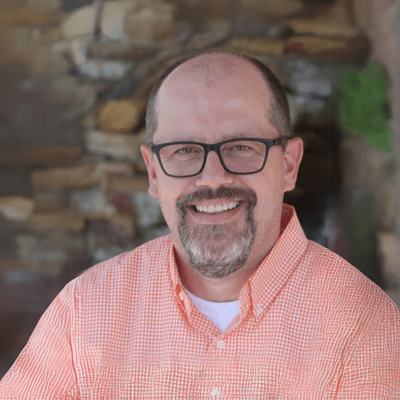
Turner James, LCSW, LISW-CP, MBA, MS
CEO
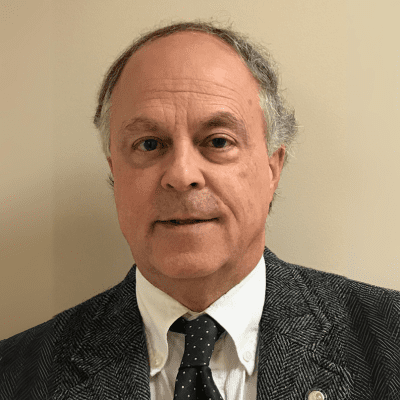
Dr. John E. Emmel
Medical Director
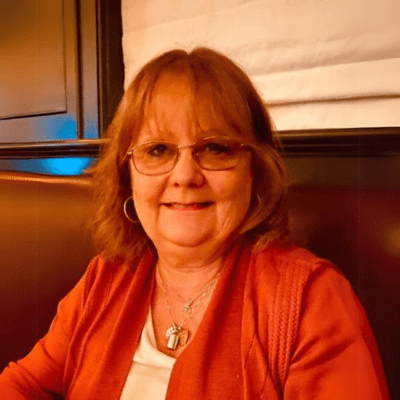
Virginia (Ginger) Beaty, LMSW
Director of Clinical Services
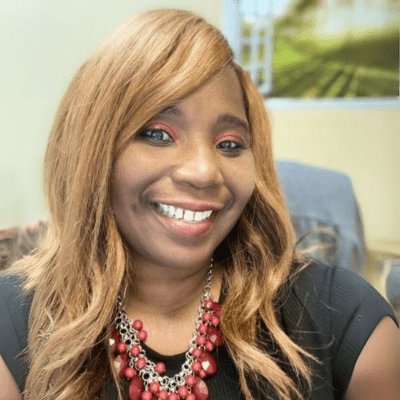
Tiffany White, MS, LMHC
Director of Admissions
Accreditations

State Licenses are permits issued by government agencies that allow rehab organizations to conduct business legally within a certain geographical area. Typically, the kind of program a rehab facility offers, along with its physical location, determines which licenses are required to operate legally.
State License: South Carolina
Rehab.com regularly reviews this listing for accuracy but changes may occur between updates. For the most up-to-date information, please contact Waypoint Recovery Center.
Contact Information

5401 Netherby Lane
Suite 402
North Charleston, SC 29420
Get Help Now - 803-575-2354
Sponsored Helpline
Sponsored Helpline


