






























































































I was satisfied with the time, cost and helpfulness of the treatment in general. One thing that helped me a lot were those cool massages. A relaxing environment all the way
About Aalto Enhancement Center
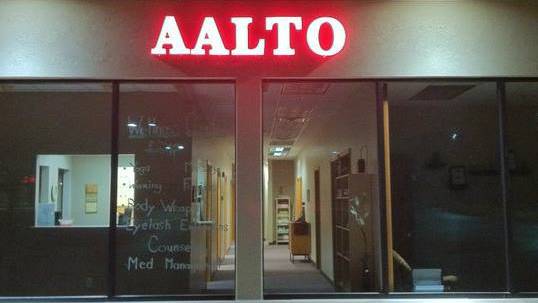
Aalto Enhancement Center in Kenosha, Wisconsin provides outpatient treatment for substance use disorder. We like their calm, inclusive environment and their compassionate, supportive therapists. You can use Medicaid, Medicare, TRICARE, private insurance, or other state and county programs.
If you’re uninsured, a sliding scale will be offered to you. Cost should not be the thing that holds you back and their admissions team will work hard to determine your coverage.
Comprehensive Outpatient Support
You can attend group sessions for substance use and OWI (Operating While Intoxicated) concerns, as well as classes for anger management, parenting, and co-parenting. Individual therapy is also available and may include Eye Movement Desensitization and Reprocessing (EMDR) for trauma, guided imagery, relaxation techniques, and counseling that centers on your goals.
Their care teams are very skilled and experienced so if you’re dealing with both substance use and mental health challenges, you’ll be supported without having to explain yourself over and over.
Children, teens, adults, and seniors are welcome there, with services tailored to whatever is needed at any stage of life. You can expect patience, not pressure, whether you’re navigating depression, substance use, or everyday stress. We like that this center doesn’t overlook anyone, including young adults and older adults who sometimes feel left out of care.
Things to Do After Your Visit
After your sessions, you might enjoy a quiet walk through Petrifying Springs Park or clear your head by the Lake Michigan shoreline. The Kenosha Public Museum is nearby if you’re in the mood for something reflective and peaceful. These activities can help the work you’re doing settle in a little deeper.
What Makes This Place Unique
There’s a wellness store and access to yoga, massage, and reiki services, so you can try healing in different ways. It feels personal there and nothing is a one-size-fits-all. That’s something truly special.
Latest Reviews
Everything from reiki to spot to massage. They don't currently have acupuncture. They lost their person but they also have individual therapy, marriage counseling, group therapy and various types of psychotherapy. They do amazing jobs and one of the managers that works there does 3D printing and they sell everything there. They have essential oils, candles, Sage, sticks, plants, and all sorts of organic products.
I love their couple massage packages. Always a nice way to relax with the hubby and destress. They even use Essential Oils in the lotion.
I've had nothing but positive experiences with Aalto which offers an array of services. I can speak personally about my experience with their telehealth services. I've been going to the same Social Worker for close to 2 yrs & have had no unexpected cancellations. This particular Therapist primarily does telehealth sessions which I prefer but also sees clients face-to-face once per week on Wednesdays. She has been very flexible when something unplanned but important comes up with me that interferes with our appointmenttime. She tries her best to squeeze me into another appointment slot so I don't miss a session.
She is a very seasoned Counselor with additional credentials, focuses on Cognitive Therapy which I prefer because it is evidenced based, very effective, and is a perfect fit for me. It was incredibly easy to establish a therapeutic alliance/rapport with her. She's very sensitive to my needs. Provides good education to assist me in finding the resources I need. She's compassionate, affirming, validating & honest if she in her professional experience feels like you need a reality check & helps ground you. Does not rush you & has an excellent memory of my important family & friends that are a natural support system for me & the daily stressors in my life.
I recommend her (Angela) to anyone needing to find a well educated, experienced, up-to-date trained, compassionate, consistent & seasoned Therapist. Also the Aalto personnel have been very friendly to me, professional & helpful.
I haven't experienced the other services they offer such as massage but hope to in the very near future.
Without hesitation, I recommend Angela & Aalto Enhancement Center.

Rehab Score
 Our Methodology
Scoring is assigned by a proprietary system which helps surface key metrics that determine quality. The 10-point scale factors in categories such as operations, customer satisfaction, and trust metrics. Read Full Methodology

7.1 / 10
Gallery
Other Forms of Payment
Private insurance refers to any kind of healthcare coverage that isn't from the state or federal government. This includes individual and family plans offered by an employer or purchased from the Insurance Marketplace. Every plan will have different requirements and out of pocket costs so be sure to get the full details before you start treatment.
Self-pay involves paying for treatment out of your own pocket. You can use savings or credit, get a personal loan, or receive help from family and friends to fund your treatment. If you don't have insurance or your insurance plan doesn't cover a specific program, self-pay can help ensure you still get the care you need.
Financial aid can take many forms. Centers may have grants or scholarships available to clients who meet eligibility requirements. Programs that receive SAMHSA grants may have financial aid available for those who need treatment as well. Grants and scholarships can help you pai for treatment without having to repay.
Medicare is a federal program that provides health insurance for those 65 and older. It also serves people under 65 with chronic and disabling health challenges. To use Medicare for addiction treatment you need to find a program that accepts Medicare and is in network with your plan. Out of pocket costs and preauthorization requirements vary, so always check with your provider.
Medicaid is a state based program that helps lower-income individuals and families pay for healthcare. Medicaid covers addiction treatment so those enrolled can use their coverage to pay for rehab. When a program accepts Medicaid the client often pays very little or nothing out of their own pocket.
Military members, veterans, and eligible dependents have access to specific insurance programs that help them get the care they need. TRICARE and VA insurance can help you access low cost or no cost addiction and mental health treatment. Programs that accept military insurance often have targeted treatment focused on the unique challenges military members, veterans, and their families face.
Addiction Treatments
Levels of Care
Outpatient Programs (OP) are for those seeking mental rehab or drug rehab, but who also stay at home every night. The main difference between outpatient treatment (OP) and intensive outpatient treatment (IOP) lies in the amount of hours the patient spends at the facility. Most of the time an outpatient program is designed for someone who has completed an inpatient stay and is looking to continue their growth in recovery. Outpatient is not meant to be the starting point, it is commonly referred to as aftercare.
Inpatient rehab is designed to stabilize clients who are exiting detox or those who are in some form of crisis. They are an important preliminary step designed to prepare clients for outpatient, sober living, or community-based care. Clients live at the treatment center and engage in intensive addiction counseling. Group and family therapy is common. Many programs also emphasize recovery-focused life skills training to support clients' sustained sobriety. Some programs offer evidence-based holistic therapies, such as meditation.
If you are planning a drug intervention in Wisconsin, many rehab facilities offer professional intervention services to assist you. Having the expert insight of a trained intervention specialist can improve your chances of success when helping you plan and facilitate the intervention. This third-party involvement can provide the impartiality necessary for a productive conversation and appropriate guidance for next steps.
24-hour clinical care in Wisconsin is an essential safety protocol during addiction treatment. Medical staff provides treatment to address withdrawal symptoms and other health issues. Mental health professionals are available to address co-occurring disorders or other psychological concerns. Other resources may include family counselors, case managers, and nutritionists.
Treatments
Many of those suffering from addiction also suffer from mental or emotional illnesses like schizophrenia, bipolar disorder, depression, or anxiety disorders. Rehab and other substance abuse facilities treating those with a dual diagnosis or co-occurring disorder administer psychiatric treatment to address the person's mental health issue in addition to drug and alcohol rehabilitation.
Mental health rehabs focus on helping individuals recover from mental illnesses like bipolar disorder, clinical depression, anxiety disorders, schizophrenia, and more. Mental health professionals at these facilities are trained to understand and treat mental health issues, both in individual and group settings.
Programs
Adult rehab programs include therapies tailored to each client's specific needs, goals, and recovery progress. They are tailored to the specific challenges adult clients may face, including family and work pressures and commitments. From inpatient and residential treatment to various levels of outpatient services, there are many options available. Some facilities also help adults work through co-occurring conditions, like anxiety, that can accompany addiction.
Young adulthood can be an exciting, yet difficult, time of transition. Individuals in their late teens to mid-20s face unique stressors related to school, jobs, families, and social circles, which can lead to a rise in substance use. Rehab centers with dedicated young adult programs will include activities and amenities that cater to this age group, with an emphasis on specialized counseling, peer socialization, and ongoing aftercare.
Clinical Services
Cognitive Behavioral Therapy (CBT) is a therapy modality that focuses on the relationship between one's thoughts, feelings, and behaviors. It is used to establish and allow for healthy responses to thoughts and feelings (instead of unhealthy responses, like using drugs or alcohol). CBT has been proven effective for recovering addicts of all kinds, and is used to strengthen a patient's own self-awareness and ability to self-regulate. CBT allows individuals to monitor their own emotional state, become more adept at communicating with others, and manage stress without needing to engage in substance abuse.
Dialectical Behavior Therapy (DBT) is a modified form of Cognitive Behavioral Therapy (CBT), a treatment designed to help people understand and ultimately affect the relationship between their thoughts, feelings, and behaviors. DBT is often used for individuals who struggle with self-harm behaviors, such as self-mutilation (cutting) and suicidal thoughts, urges, or attempts. It has been proven clinically effective for those who struggle with out-of-control emotions and mental health illnesses like Borderline Personality Disorder.
When conducting motivational interviewing in Wisconsin, therapists engage with their clients as equal partners. They don't provide unsolicited advice or confront clients. Instead, they ask questions and listen, with the goal of empowering clients to recognize any need for change and their ability to make those changes.
Whether a marriage or other committed relationship, an intimate partnership is one of the most important aspects of a person's life. Drug and alcohol addiction affects both members of a couple in deep and meaningful ways, as does rehab and recovery. Couples therapy and other couples-focused treatment programs are significant parts of exploring triggers of addiction, as well as learning how to build healthy patterns to support ongoing sobriety.
Research clearly demonstrates that recovery is far more successful and sustainable when loved ones like family members participate in rehab and substance abuse treatment. Genetic factors may be at play when it comes to drug and alcohol addiction, as well as mental health issues. Family dynamics often play a critical role in addiction triggers, and if properly educated, family members can be a strong source of support when it comes to rehabilitation.
Group therapy is any therapeutic work that happens in a group (not one-on-one). There are a number of different group therapy modalities, including support groups, experiential therapy, psycho-education, and more. Group therapy involves treatment as well as processing interaction between group members.
Addiction treatment in Wisconsin emphasizes life skills training to help you relearn critical capabilities for day to day life. This training helps you build healthy, positive strategies for everything from self care, to career, to interpersonal relationships.
Amenities
-
 Residential Setting
 -
 Private Setting
Staff
Kathy Aalto
CEO
Sac-it Joan Roseman
Counselor
Rehab.com regularly reviews this listing for accuracy but changes may occur between updates. For the most up-to-date information, please contact Aalto Enhancement Center.
Contact Information

8503 75th Street
Suite A
Kenosha, WI 53142
Get Help Now - 262-276-0213
Sponsored Helpline
Sponsored Helpline



