















































































































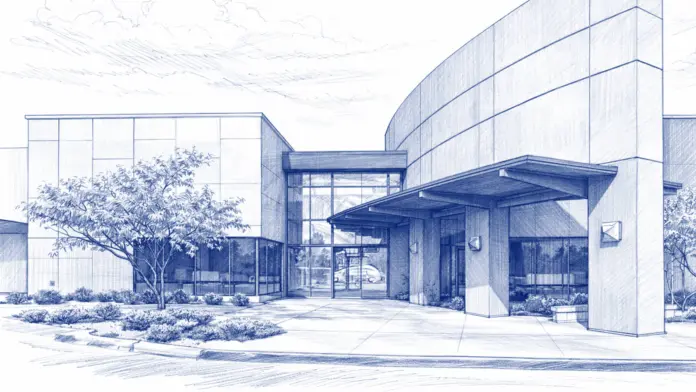
About Belvedere Health Services
Belvedere Health Services has been around since 2001, right in the Capital Region in Albany, New York. The facility’s whole focus is on helping people stay comfortable at home while still being able to receive help and support. They really aim to put the individual first, making sure they get care that fits their life, not the other way around making things easier for folks needing some support. From companionship, household support, addiction or mental health, Belvedere Health is a one stop shop for health care in Albany County.
Home Based Addiction Treatment and Beyond
Their in-home care services here are comprehensive. They offer 24/7 help, daily check ups for health needs, and even palliative care if someone’s dealing with chronic pain. All of these are designed to help keep people out of hospitals and other institutions if they can.
They’ve also got special support for folks with dementia or Alzheimer’s. They even send trained caregivers to hospitals to sit with patients and help them transition back home.
For anyone struggling with addiction, they offer different levels of outpatient therapy from intensive programs to more flexible options. Since they’re big on in home and outpatient care, you’re not looking at typical “amenities” like fancy common rooms, but the huge perk is getting the treatment you need in your own comfortable space.
Long-Term Recovery Support
Where this organization really seems to shine is with some of their specialized services. For example, their programs for traumatic brain injury (TBI) really stand out, including addiction services specifically for those with a TBI. It’s not just about quick fixes; they talk about helping people navigate their “new normal” and supporting their recovery journey with community involvement.
The staff is in it for the long haul, making sure folks can keep living meaningful lives. And if someone’s got both addiction and mental health or behavioral health challenges, Belvedere tries to tackle those together, which is smart because those issues are often a package deal. This organization is all about helping individuals who might not fit into a standard box, which honestly, is a refreshing take on long term care.

Rehab Score
 Our Methodology


Location
Accepted Insurance

Other Forms of Payment
Private insurance refers to any kind of healthcare coverage that isn't from the state or federal government. This includes individual and family plans offered by an employer or purchased from the Insurance Marketplace. Every plan will have different requirements and out of pocket costs so be sure to get the full details before you start treatment.
Self-pay involves paying for treatment out of your own pocket. You can use savings or credit, get a personal loan, or receive help from family and friends to fund your treatment. If you don't have insurance or your insurance plan doesn't cover a specific program, self-pay can help ensure you still get the care you need.
Addiction Treatments
Levels of Care
Outpatient Programs (OP) are for those seeking mental rehab or drug rehab, but who also stay at home every night. The main difference between outpatient treatment (OP) and intensive outpatient treatment (IOP) lies in the amount of hours the patient spends at the facility. Most of the time an outpatient program is designed for someone who has completed an inpatient stay and is looking to continue their growth in recovery. Outpatient is not meant to be the starting point, it is commonly referred to as aftercare.
Drug and alcohol addiction often takes a heavy toll on one's body. Over time, a physical dependence can develop, meaning the body physiologically needs the substance to function. Detox is the process of removing drugs and/or alcohol from the body, a process that can be lethal if mismanaged. Medical detox is done by licensed medical professionals who monitor vital signs and keep you safe, healthy, and as comfortable as possible as you go through detox and withdrawal.
Intensive Outpatient Programs (IOP) are for those who want or need a very structured treatment program but who also wish to live at home and continue with certain responsibilities (such as work or school). IOP substance abuse treatment programs vary in duration and intensity, and certain outpatient rehab centers will offer individualized treatment programs.
Treatments
The goal of treatment for alcoholism is abstinence. Those with poor social support, poor motivation, or psychiatric disorders tend to relapse within a few years of treatment. For these people, success is measured by longer periods of abstinence, reduced use of alcohol, better health, and improved social functioning. Recovery and Maintenance are usually based on 12 step programs and AA meetings.
When you choose drug rehab in New York, you'll participate in a variety of treatments that are designed to help you live a drug-free lifestyle. Common methods of treatment include group, individual, and family counseling, medication management, nutrition, exercise, and management of co-occurring mental health disorders.
A combined mental health and substance abuse rehab has the staff and resources available to handle individuals with both mental health and substance abuse issues. It can be challenging to determine where a specific symptom stems from (a mental health issue or an issue related to substance abuse), so mental health and substance abuse professionals are helpful in detangling symptoms and keeping treatment on track.
Opioid rehabs specialize in supporting those recovering from opioid addiction. They treat those suffering from addiction to illegal opioids like heroin, as well as prescription drugs like oxycodone. These centers typically combine both physical as well as mental and emotional support to help stop addiction. Physical support often includes medical detox and subsequent medical support (including medication), and mental support includes in-depth therapy to address the underlying causes of addiction.
Programs
Adult rehab programs include therapies tailored to each client's specific needs, goals, and recovery progress. They are tailored to the specific challenges adult clients may face, including family and work pressures and commitments. From inpatient and residential treatment to various levels of outpatient services, there are many options available. Some facilities also help adults work through co-occurring conditions, like anxiety, that can accompany addiction.
Young adulthood can be an exciting, yet difficult, time of transition. Individuals in their late teens to mid-20s face unique stressors related to school, jobs, families, and social circles, which can lead to a rise in substance use. Rehab centers with dedicated young adult programs will include activities and amenities that cater to this age group, with an emphasis on specialized counseling, peer socialization, and ongoing aftercare.
Clinical Services
Group therapy is any therapeutic work that happens in a group (not one-on-one). There are a number of different group therapy modalities, including support groups, experiential therapy, psycho-education, and more. Group therapy involves treatment as well as processing interaction between group members.
Staff

John McCooey
President
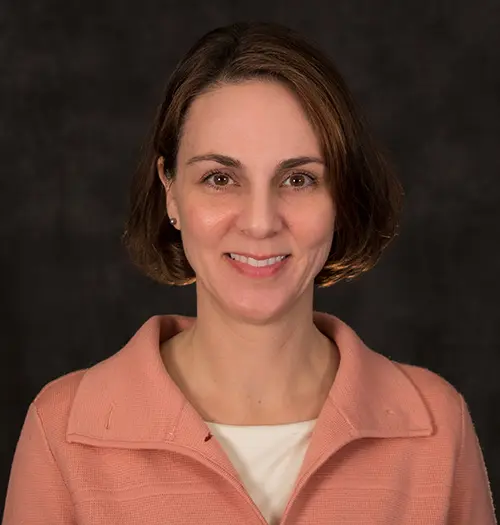
Jennifer Barnett, RN, MPH
Executive Director
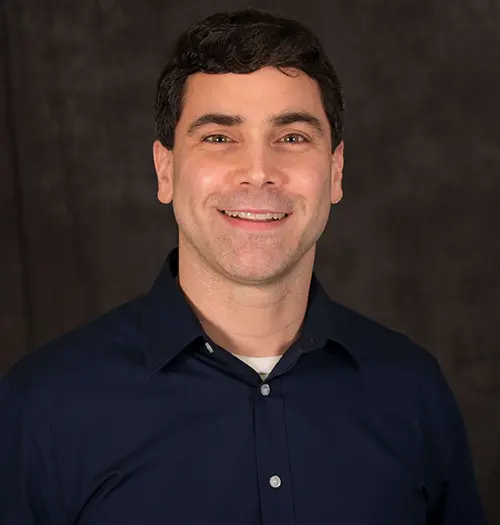
Cary Myers
CFO
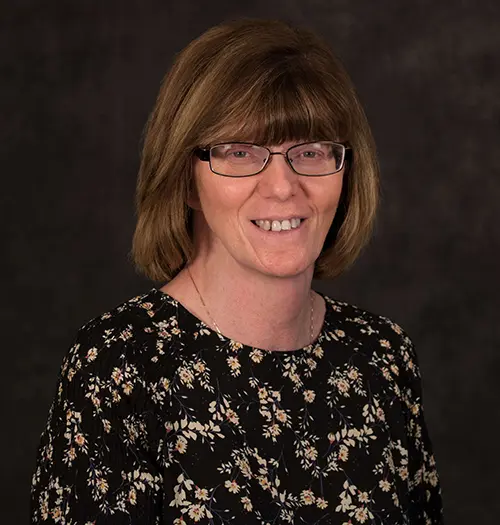
Sue Nestler
Director of Administration
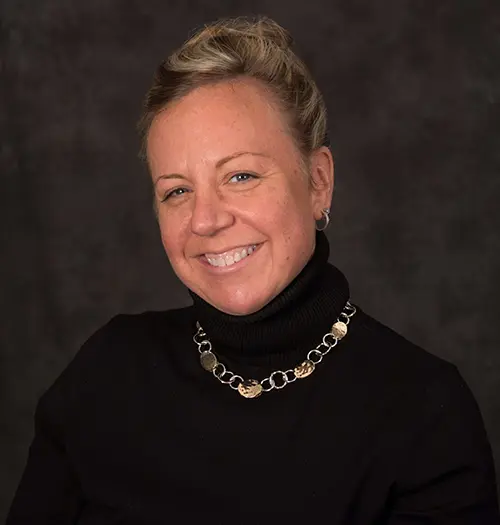
Heidi Sansone
Director of Human Resources & Corporate Compliance Officer

Tim Feeney
Senior Director of Clinical Services
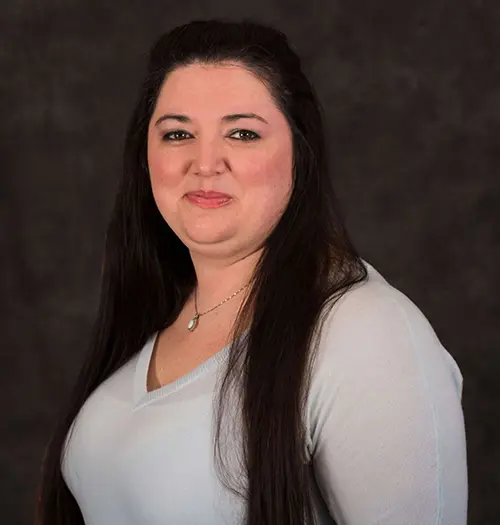
Amy Fontanello
Finance & Marketing Specialist
Contact Information


1 Van Tromp Street
Albany, NY 12207
Sponsored Helpline
