MAT consists of a treatment modality that combines medication with counseling and behavioral therapies to provide whole-patient treatment. It is an effective treatment approach for alcohol and opioid dependence. FDA-approved medications such as methadone, buprenorphine and naltrexone. MAT can help ease psychological cravings, prevent relapse and overdose, as well as increase employment and survival rates.
OP at New Connections Focuses on integrated substance abuse and mental health treatment for both body and mind. they’re nationally recognized curriculum helps individuals learn skills to overcome their dependence on substances, gain confidence, and learn strengths. Treatment may include individual and group counseling, education, relapse prevention training, and referral resources. if necessary, clients may be referred to residential or intensive drug rehab programs.
For those with dual diagnosis, New Connections helps them develop the skills to handle difficult emotions, communicate in relationships, navigate changes and transitions, develop values and responsible thinking.
New Connections accepts many insurance providers such as Amerigroup, United Healthcare, Ambetter, BlueCross/BlueShield, Cigna, Humana and Beacon. Contact your insurance provider to verify coverage as out of network benefits may vary.
I took my dad to Broadlawns' Emergency, and Doctor Bethel (spell.?) and all other staff and nurses were very quick to help him and work on the issues. He had a stroke, and they were all helpful and so kind that I believe that help him gain the strength to go home that night. Thank you to all of them.
Incredible service in the ER! They helped me on one of my lowest and somewhat embarrassing moments ever, the service was so fast and polite and proficient and felt way better after my vist. Thank you so much
Scoring is assigned by a proprietary system which helps surface key metrics that determine quality. The 10-point scale factors in categories such as operations, customer satisfaction, and trust metrics. Read Full Methodology
7.2 / 10
Gallery
Other Forms of Payment
Private insurance refers to any kind of healthcare coverage that isn't from the state or federal government. This includes individual and family plans offered by an employer or purchased from the Insurance Marketplace. Every plan will have different requirements and out of pocket costs so be sure to get the full details before you start treatment.
Self-pay involves paying for treatment out of your own pocket. You can use savings or credit, get a personal loan, or receive help from family and friends to fund your treatment. If you don't have insurance or your insurance plan doesn't cover a specific program, self-pay can help ensure you still get the care you need.
Financial aid can take many forms. Centers may have grants or scholarships available to clients who meet eligibility requirements. Programs that receive SAMHSA grants may have financial aid available for those who need treatment as well. Grants and scholarships can help you pai for treatment without having to repay.
Sliding scale payments are based on a client's income and family size. The goal is to make treatment affordable to everyone. By taking these factors into account, addiction recovery care providers help ensure that your treatment does not become a financial burden to you or your family, eliminating one barrier to care.
Medicare is a federal program that provides health insurance for those 65 and older. It also serves people under 65 with chronic and disabling health challenges. To use Medicare for addiction treatment you need to find a program that accepts Medicare and is in network with your plan. Out of pocket costs and preauthorization requirements vary, so always check with your provider.
Medicaid is a state based program that helps lower-income individuals and families pay for healthcare. Medicaid covers addiction treatment so those enrolled can use their coverage to pay for rehab. When a program accepts Medicaid the client often pays very little or nothing out of their own pocket.
Addiction Treatments
Levels of Care
Outpatient Programs (OP) are for those seeking mental rehab or drug rehab, but who also stay at home every night. The main difference between outpatient treatment (OP) and intensive outpatient treatment (IOP) lies in the amount of hours the patient spends at the facility. Most of the time an outpatient program is designed for someone who has completed an inpatient stay and is looking to continue their growth in recovery. Outpatient is not meant to be the starting point, it is commonly referred to as aftercare.
Intensive Outpatient Programs (IOP) are for those who want or need a very structured treatment program but who also wish to live at home and continue with certain responsibilities (such as work or school). IOP substance abuse treatment programs vary in duration and intensity, and certain outpatient rehab centers will offer individualized treatment programs.
Rehab aftercare programs support clients' reintegration into their home, workplace, and community following inpatient and residential treatment. They also promote long-term recovery for clients who may no longer be receiving outpatient treatment. Rehab aftercare services encompass a wide range of modalities and often include various medical, mental health, and social service programs. Case managers and care teams develop clients' customized service plans based on the client's evolving needs and recovery goals.
12-step programs are addiction recovery models based on Alcoholics Anonymous (AA). A number of substance abuse programs (including some drug and alcohol rehab centers) use the 12 steps as a basis for treatment. Beginning steps involve admitting powerlessness over the addiction and creating a spiritual basis for recovery. Middle steps including making direct amends to those who've been hurt by the addiction, and the final step is to assist others in addiction recovery in the same way. 12-Step offshoots including Narcotics Anonymous (NA), Cocaine Anonymous (CA), Dual Recovery Anonymous (DRA), Sex and Love Addicts Anonymous (SLAA) and Gamblers Anonymous (GA).
A partial hospitalization program (PHP) is a short-term form of intensive rehab, usually for those with acute symptoms that are hard to manage but don’t require 24-hour care. PHPs have structured programming (i.e. individual and/or group therapy), and usually meet 3-5 days a week for around 6 hours (i.e. 9am-3m). Some PHPs are residential (patients sleep on site) and some are not, so patients sleep at home. PHPs can last from 1-6 months, and some offer transportation and meals.
In the addiction treatment process, detox is typically the initial stage of recovery, and it involves 24-hour clinical care in Iowa. During this process, you receive constant medical supervision as harmful substances are purged from your body. Medical staff may prescribe medications to treat withdrawal symptoms and allow you to safely and comfortably break free from physical dependence on the substance.
If you've become physically dependent on drugs or alcohol, quitting suddenly can cause very dangerous side effects. During a medically assisted detox, licensed medical professionals will monitor your vitals around the clock and provide medications if necessary to ensure you're as safe and comfortable as possible throughout this process.
Clients in inpatient rehab reside at the treatment facility for the duration of the program, which may range from two weeks to more than 18 months, depending on unique needs and the program's design. Inpatient treatment typically consists of extensive addiction counseling, which may include CBT, DBT, RBT, and motivational interviewing. Clients may also engage in recovery-focused life skills training and/or evidence-based complementary therapies, such as massage, meditation, and experiential therapy.
Treatments
The goal of treatment for alcoholism is abstinence. Those with poor social support, poor motivation, or psychiatric disorders tend to relapse within a few years of treatment. For these people, success is measured by longer periods of abstinence, reduced use of alcohol, better health, and improved social functioning. Recovery and Maintenance are usually based on 12 step programs and AA meetings.
Drug rehab in Iowa is available in many formats. A variety of inpatient and outpatient options provide programs that are tailored to individual needs, making recovery possible for everyone.
Many of those suffering from addiction also suffer from mental or emotional illnesses like schizophrenia, bipolar disorder, depression, or anxiety disorders. Rehab and other substance abuse facilities treating those with a dual diagnosis or co-occurring disorder administer psychiatric treatment to address the person's mental health issue in addition to drug and alcohol rehabilitation.
A combined mental health and substance abuse rehab has the staff and resources available to handle individuals with both mental health and substance abuse issues. It can be challenging to determine where a specific symptom stems from (a mental health issue or an issue related to substance abuse), so mental health and substance abuse professionals are helpful in detangling symptoms and keeping treatment on track.
Opioid rehabs specialize in supporting those recovering from opioid addiction. They treat those suffering from addiction to illegal opioids like heroin, as well as prescription drugs like oxycodone. These centers typically combine both physical as well as mental and emotional support to help stop addiction. Physical support often includes medical detox and subsequent medical support (including medication), and mental support includes in-depth therapy to address the underlying causes of addiction.
Substance abuse treatment is available in Iowa at drug and alcohol rehab facilities. Offering various levels of care, you can typically find an outpatient or inpatient program suited to your needs. Treatment involves evidence-based therapies and forms of counseling to develop healthy coping skills while overcoming addiction. With a focus on individualized treatment plans and recovery support, these programs aim to assist individuals in achieving sustainable sobriety and improved overall well-being.
Programs
Adult rehab programs include therapies tailored to each client's specific needs, goals, and recovery progress. They are tailored to the specific challenges adult clients may face, including family and work pressures and commitments. From inpatient and residential treatment to various levels of outpatient services, there are many options available. Some facilities also help adults work through co-occurring conditions, like anxiety, that can accompany addiction.
Young adulthood can be an exciting, yet difficult, time of transition. Individuals in their late teens to mid-20s face unique stressors related to school, jobs, families, and social circles, which can lead to a rise in substance use. Rehab centers with dedicated young adult programs will include activities and amenities that cater to this age group, with an emphasis on specialized counseling, peer socialization, and ongoing aftercare.
Clinical Services
Cognitive Behavioral Therapy (CBT) is a therapy modality that focuses on the relationship between one's thoughts, feelings, and behaviors. It is used to establish and allow for healthy responses to thoughts and feelings (instead of unhealthy responses, like using drugs or alcohol). CBT has been proven effective for recovering addicts of all kinds, and is used to strengthen a patient's own self-awareness and ability to self-regulate. CBT allows individuals to monitor their own emotional state, become more adept at communicating with others, and manage stress without needing to engage in substance abuse.
Dialectical Behavior Therapy (DBT) is a modified form of Cognitive Behavioral Therapy (CBT), a treatment designed to help people understand and ultimately affect the relationship between their thoughts, feelings, and behaviors. DBT is often used for individuals who struggle with self-harm behaviors, such as self-mutilation (cutting) and suicidal thoughts, urges, or attempts. It has been proven clinically effective for those who struggle with out-of-control emotions and mental health illnesses like Borderline Personality Disorder.
Group therapy is any therapeutic work that happens in a group (not one-on-one). There are a number of different group therapy modalities, including support groups, experiential therapy, psycho-education, and more. Group therapy involves treatment as well as processing interaction between group members.
In individual therapy, a patient meets one-on-one with a trained psychologist or counselor. Therapy is a pivotal part of effective substance abuse treatment, as it often covers root causes of addiction, including challenges faced by the patient in their social, family, and work/school life.
Motivational Interviewing (MI) is a clinical approach to helping people with substance abuse issues and other conditions shift behavior in positive ways. It is more goal-oriented than traditional psychotherapy, as MI counselors directly attempt to get clients to consider making behavioral change (rather than wait for them to come to conclusions themselves). Its primary purpose is to resolve ambivalence and help clients become able to make healthy choices freely.
Trauma therapy addresses traumatic incidents from a client's past that are likely affecting their present-day experience. Trauma is often one of the primary triggers and potential causes of addiction, and can stem from child sexual abuse, domestic violence, having a parent with a mental illness, losing one or both parents at a young age, teenage or adult sexual assault, or any number of other factors. The purpose of trauma therapy is to allow a patient to process trauma and move through and past it, with the help of trained and compassionate mental health professionals.
Research clearly demonstrates that recovery is far more successful and sustainable when loved ones like family members participate in rehab and substance abuse treatment. Genetic factors may be at play when it comes to drug and alcohol addiction, as well as mental health issues. Family dynamics often play a critical role in addiction triggers, and if properly educated, family members can be a strong source of support when it comes to rehabilitation.
In addition to 12 Step support, medication assisted treatment, and substance abuse therapy, rehab treatment in Iowa may include experiential therapy. This may come in the form of experiences like equine therapy, community service, drama therapy, art therapy, or other expressive activities.
Amenities
Private Transportation
Staff & Accreditations
Staff
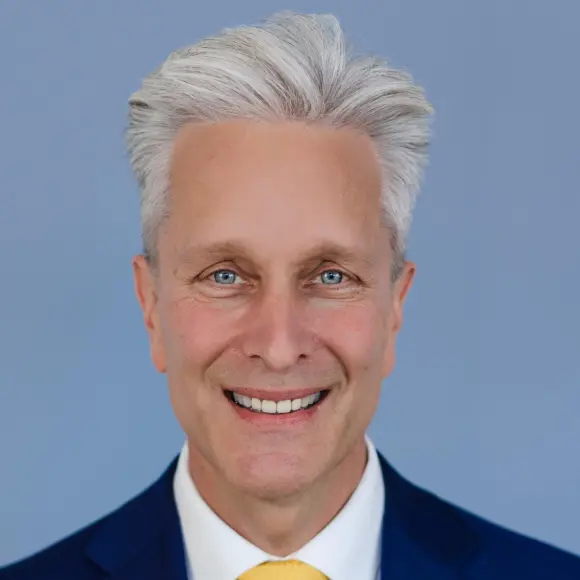
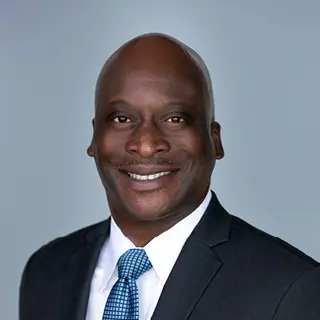
Proctor Lureman
Prsident & CEO
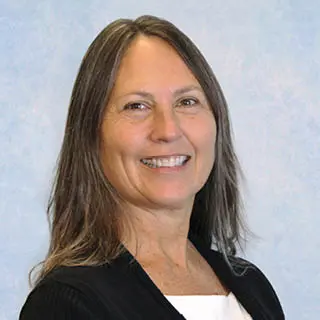
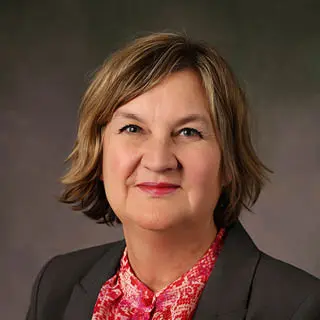
Tammy Chance, DO
CMO
Jim L. Lynch, MHA
CFO & VP of Finance
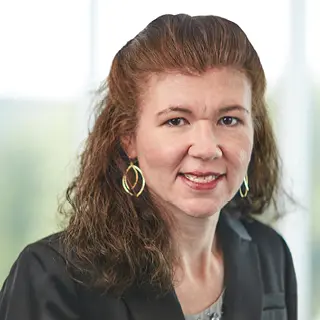
Maria Morgan, JD
CAO & VP of Administration
Beth Besecker, MD, MBA, SSGB
CQO & VP of Quality and Patient Safety
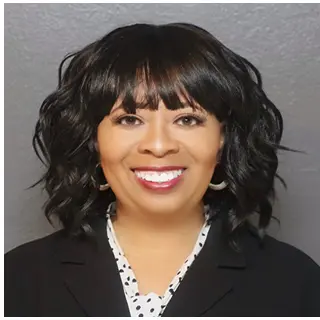
LaVencion Starks, RN, MSN, ACHE
COO & VP Of Operations
Lance Schmitt, RN, BSN, MBA
Chief Nursing Officer & VP Of Nursing
Heather Adams, JD
General Counsel
Accreditations
The Substance Abuse and Mental Health Services Administration (SAMHSA) is a branch of the U.S. Department of Health and Human Services. Established in 1992 by congress, SAMHSA's mission is to reduce the impact of substance abuse and mental illness on American's communities.
SAMHSA Listed: Yes
State Licenses are permits issued by government agencies that allow rehab organizations to conduct business legally within a certain geographical area. Typically, the kind of program a rehab facility offers, along with its physical location, determines which licenses are required to operate legally.
State License: Iowa
The Joint Commission, formerly known as JCAHO, is a nonprofit organization that accredits rehab organizations and programs. Founded in 1951, the Joint Commision's mission is to improve the quality of patient care and demonstrating the quality of patient care.
Joint Commission Accreditation: Yes
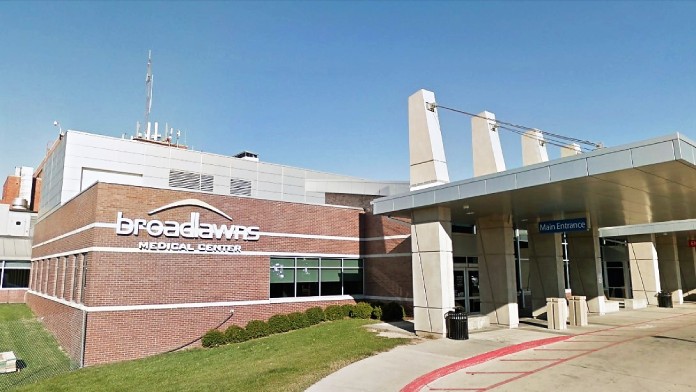
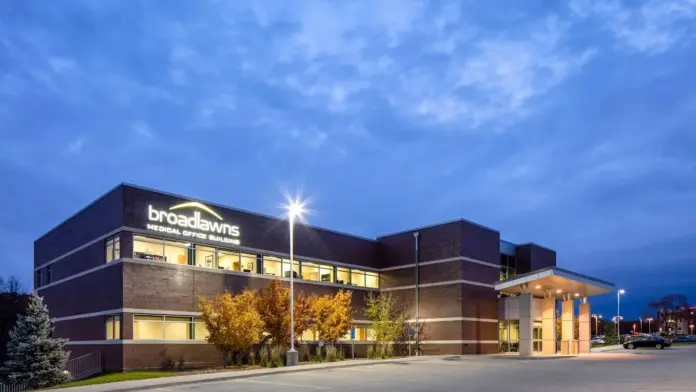
Rehab.com regularly reviews this listing for accuracy but changes may occur between updates. For the most up-to-date information, please contact Broadlawns Medical Center.
Don't get involved with them, directors are rude and have no social skills. I was treated without any respect. One time the lab called me twice to say they didn't run the tests correctly and needed me to come back for another draw, hell no
The people at the counter are so rude, it's scary to watch my 3 kids go to eye appointments. If you don't like kids running around and playing, don't open for a children's clinic.
Renald Daemicke
1 week ago
5
Amazing care and reassurance!
kendra schaaf
2 weeks ago
5
Hank Daye
3 weeks ago
1
My original review was a bad experience at the E.R. but since then I have had some decent visits.
This is about orthopedics. I wrecked my shoulder & they were able to fix it after DMOS & another hospital refused to fix it. Left me with a shoulder broken in 15+ pieces in a sling for weeks. Broadlawns seemed like a god send. They got me in & fixed fast (2 plates & 11 screws). Recovery was proceeding until after my second fall. At that point when I came in for help I was told I was med seeking cuz x-rays were fine. I had to go to emergency room twice & only once given pain meds but apparently that was enough to convince them I was med seeking. I would rather not take meds at all. Have not seen a general doctor for 15 years because of that. Over medicating & not listening. The med seeking comments got thrown in my face everytime after that. Never did I ask for meds. All I asked for was for them to do their job & help me. The med seeking comments continued & was basically blown off with a medical jargon of deal with it & expect the pain you are still in recovery bs. X-rays looked good they were satisfied but I was not & neither was the E.R. doctors or my physical therapist who refused to keep seeing me because of lack of help. My last visit around December of 2025 I got told they were leaving & something about new doctors coming in. That was the last straw for me. I blew up & walked out. Have not been back & will be looking for a new orthopedic doctor. And btw my condition has been backsliding for months. Broadlawns has lost my trust & I will never return there as a patient. I hope anyone going there is getting decent care & not the crap I got. Just wanted to give a heads up. New doctors may be good but I have no idea. Take care folks. Hope your care was better than mine.
Response from the owner
Thank you for taking the time to provide feedback. We strive to make each patient’s experience exceptional, and it pains us hear if we fall short of a patient’s expectations. Please call the patient advocate at 515-282-2323 to discuss this matter further.
Mari Mendoza is a writer, editor, and creative writing coach. She graduated with a Specialization in English BA from the University of Toronto. Her work has appeared in a number of publications including WordCityLit, Fairfield Scribes, Woodlands and more. Born in Guatemala and immigrating to Canada at the age of six, she has been writing ever since.
By calling the helpline you agree to the terms of use. We do not receive any commission or fee that is dependent upon which treatment provider a caller chooses. There is no obligation to enter treatment.
Calls to numbers on a specific treatment center listing will be routed to that treatment center. Calls to any general helpline could be forwarded to SAMHSA or a verified treatment provider.
If you wish to connect with non-sponsor centers, you can browse top-rated listings, visit our homepage and browse by state, or visit SAMHSA.

 Sponsored Helpline





























































































 200
200 





 Private Transportation