






























































































About Catholic Family Center CR Jones Avenue
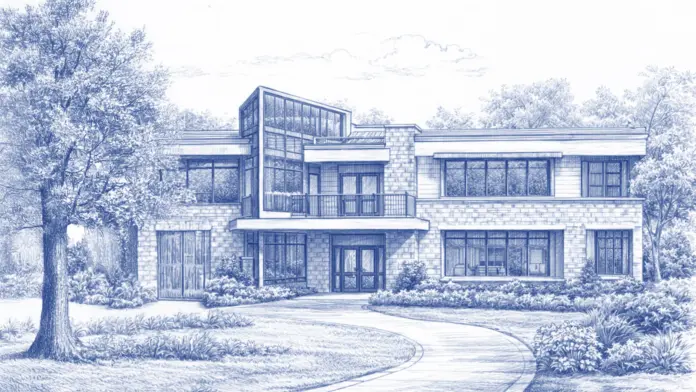
The CR Jones Avenue location of Catholic Family Center (CFC) is a faith based, nonprofit halfway house in Rochester, New York. They are dedicated to supporting adult men in overcoming substance use disorders such as alcoholism and opioid addiction.
As part of Catholic Charities Family and Community Services, this CARF accredited facility accepts Medicaid, Medicare, private insurance, state funding and offers a sliding scale fee. This ensures no one is turned away due to inability to pay. Telehealth options are also available here to make services more accessible
What Residential Care Looks Like
The CR Jones Avenue program offers residential treatment. The program includes comprehensive substance abuse assessments and individual and group counseling. Cognitive behavioral therapy, motivational interviewing and trauma related counseling are the treatment modalities that will be used for your care.
They do integrate 12 step programs and provide relapse prevention, anger management and substance use education. Their specialized services include smoking and/or vaping cessation counseling and support for dual diagnosis disorders.
Helping You Integrate Into Society
I like that they offer vocational training, educational support and case management to help you rebuild skills needed for employment and independent living. They also provide family and couples counseling to strengthen personal relationships.
I also like that they serve diverse populations that include those with court referrals. The program has been created to emphasize culturally sensitive care. Former clients did note that there is a limited capacity but they praised the compassionate staff and recovery focused atmosphere.
Latest Reviews



Rehab Score
 Our Methodology


Location
Other Forms of Payment
Private insurance refers to any kind of healthcare coverage that isn't from the state or federal government. This includes individual and family plans offered by an employer or purchased from the Insurance Marketplace. Every plan will have different requirements and out of pocket costs so be sure to get the full details before you start treatment.
Self-pay involves paying for treatment out of your own pocket. You can use savings or credit, get a personal loan, or receive help from family and friends to fund your treatment. If you don't have insurance or your insurance plan doesn't cover a specific program, self-pay can help ensure you still get the care you need.
Medicaid is a state based program that helps lower-income individuals and families pay for healthcare. Medicaid covers addiction treatment so those enrolled can use their coverage to pay for rehab. When a program accepts Medicaid the client often pays very little or nothing out of their own pocket.
Medicare is a federal program that provides health insurance for those 65 and older. It also serves people under 65 with chronic and disabling health challenges. To use Medicare for addiction treatment you need to find a program that accepts Medicare and is in network with your plan. Out of pocket costs and preauthorization requirements vary, so always check with your provider.
Addiction Treatments
Levels of Care
Outpatient Programs (OP) are for those seeking mental rehab or drug rehab, but who also stay at home every night. The main difference between outpatient treatment (OP) and intensive outpatient treatment (IOP) lies in the amount of hours the patient spends at the facility. Most of the time an outpatient program is designed for someone who has completed an inpatient stay and is looking to continue their growth in recovery. Outpatient is not meant to be the starting point, it is commonly referred to as aftercare.
Completing a drug or alcohol rehab program shouldn't spell the end of substance abuse treatment. Aftercare involves making a sustainable plan for recovery, including ongoing support. This can include sober living arrangements like halfway houses, career counseling, and setting a patient up with community programs like Alcoholics Anonymous (AA) or Narcotics Anonymous (NA).
Staff
Lori VanAuken
President & CEO

Peter Bauman
Chief Administrative & Process Officer
Patrick Boyle
Chief People Officer
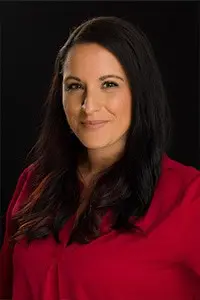
Amanda Gallagher
Director of Human Resources
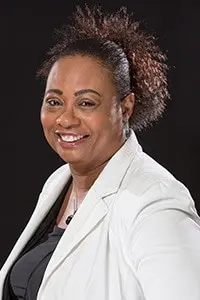
Lisa Lewis
Chief Program Officer

Lonnie Kaczka
VP of Operations
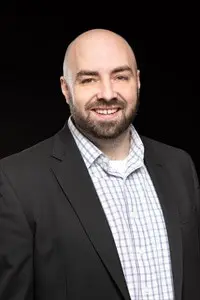
Dave Kilpatrick
CIO

Maureen McGuire
Director, Marketing & Communications
Rehab.com regularly reviews this listing for accuracy but changes may occur between updates. For the most up-to-date information, please contact Catholic Family Center CR Jones Avenue.
Contact Information


24 Jones Avenue
Rochester, NY 14608
Sponsored Helpline


