






























































































I feel that I e been in mental health treatment for only 7 months and with upcoming medical issues. I was abruptly thrown to the wolves. NO PHASE OUT . totally unprofessional staff. My counselor who had minimal experience just thought everything was funny.
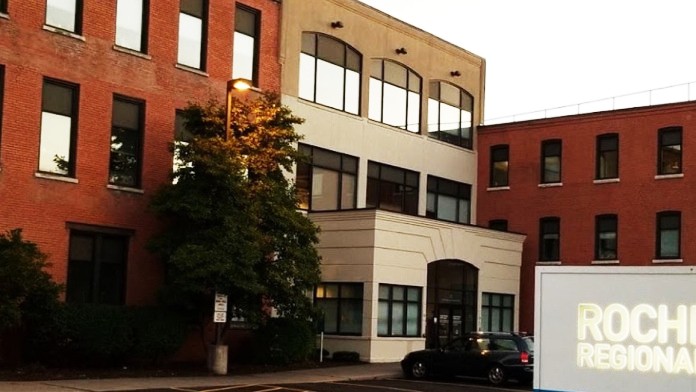
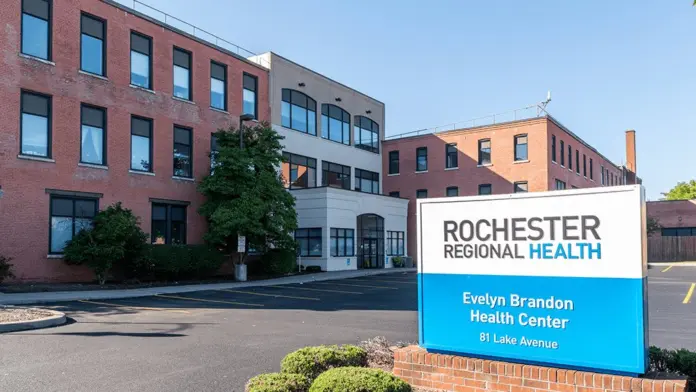
About Evelyn Brandon Health Center
They have developed a program designed to find individualized strategies to manage stress and other triggers, incorporating stress release into the recovery process. Their team will assist you in learning constructive coping mechanisms and how to handle stressful relationships or cravings.
Individuals who may want to include their family members in their recovery can choose from individualized counseling and support groups. Their staff puts forth great effort in supporting you and your family members as you strive for and uphold sobriety and build stronger bonds with one another.
You may be qualified for a conditional license or driving privileges if you take part in their impaired driver program. This 16 hour program, which is spread out over seven weeks, aims to lower the likelihood that someone will ever operate a motor vehicle while impaired by drugs or alcohol.
They provide a range of adolescent services for adolescents, teens and their families experiencing problems with substance abuse. In addition to fostering better socialization and open communication, their evidence based therapeutic interventions support the development of coping mechanisms and problem solving techniques.
Latest Reviews
Caring and courteous staff. The receptionists remember you by name. Like any mental health center it can be "interesting" at times depending on clients that are there for help. The therapists, doctors and facilitators are all very caring, helpful and interested in their patients. I would HIGHLY recommend them. If you are struggling with ANY mental health issues. Go and seek help. Please. It's just like any other physical, medical, social or financial issues in life. We all have needs, sometimes just getting someone else to look at the situation from an neutral viewpoint is what you need. Not a friend not a family member, not someone with ulterior motives. Clinical, professional, experienced.
Response from the owner1 week ago
Thank you for your thoughtful review Ryan. It's wonderful to know that our therapists, doctors, and facilitators made a positive impact for you. Your recommendation means a lot to us and reinforces our commitment to providing compassionate and professional care. We appreciate your encouragement for others to seek help when needed.
Very professional, understanding, and LGBTQ+ friendly. A+ in my opinion.
I go here for chemical dependency therapy, and after years of battling addiction and being on the losing side of the battle, I am finally winning my battle. And a big part of that is to the phenomenal help I get from my therapist and MAT dr. At Evelyn Brandon. My therapist is such a sweetheart. I can call or email her anytime of any day and she'll respond as soon as she can and help me through whatever. They act as more than drug counselors, they're life counselors too.
Plus I have a once a week group zoom meeting that I attend through Evelyn Brandon as well that I've gained some real close bonds with other recovering addicts so that I know that I'm never alone in this life long battle against my demons.
I recommend this place to anyone who wants to get help with either their mental health &/or their drug&/or alcohol addictions.. trust me, life is so much better being free from substances. It feels great!

Rehab Score
 Our Methodology
Scoring is assigned by a proprietary system which helps surface key metrics that determine quality. The 10-point scale factors in categories such as operations, customer satisfaction, and trust metrics. Read Full Methodology

7.6 / 10
Gallery
Accepted Insurance
Other Forms of Payment
Medicaid is a state based program that helps lower-income individuals and families pay for healthcare. Medicaid covers addiction treatment so those enrolled can use their coverage to pay for rehab. When a program accepts Medicaid the client often pays very little or nothing out of their own pocket.
Private insurance refers to any kind of healthcare coverage that isn't from the state or federal government. This includes individual and family plans offered by an employer or purchased from the Insurance Marketplace. Every plan will have different requirements and out of pocket costs so be sure to get the full details before you start treatment.
Self-pay involves paying for treatment out of your own pocket. You can use savings or credit, get a personal loan, or receive help from family and friends to fund your treatment. If you don't have insurance or your insurance plan doesn't cover a specific program, self-pay can help ensure you still get the care you need.
Financial aid can take many forms. Centers may have grants or scholarships available to clients who meet eligibility requirements. Programs that receive SAMHSA grants may have financial aid available for those who need treatment as well. Grants and scholarships can help you pai for treatment without having to repay.
Sliding scale payments are based on a client's income and family size. The goal is to make treatment affordable to everyone. By taking these factors into account, addiction recovery care providers help ensure that your treatment does not become a financial burden to you or your family, eliminating one barrier to care.
Medicare is a federal program that provides health insurance for those 65 and older. It also serves people under 65 with chronic and disabling health challenges. To use Medicare for addiction treatment you need to find a program that accepts Medicare and is in network with your plan. Out of pocket costs and preauthorization requirements vary, so always check with your provider.
Military members, veterans, and eligible dependents have access to specific insurance programs that help them get the care they need. TRICARE and VA insurance can help you access low cost or no cost addiction and mental health treatment. Programs that accept military insurance often have targeted treatment focused on the unique challenges military members, veterans, and their families face.
Private insurance refers to any kind of healthcare coverage that isn't from the state or federal government. This includes individual and family plans offered by an employer or purchased from the Insurance Marketplace. Every plan will have different requirements and out of pocket costs so be sure to get the full details before you start treatment.
Addiction Treatments
Levels of Care
Outpatient Programs (OP) are for those seeking mental rehab or drug rehab, but who also stay at home every night. The main difference between outpatient treatment (OP) and intensive outpatient treatment (IOP) lies in the amount of hours the patient spends at the facility. Most of the time an outpatient program is designed for someone who has completed an inpatient stay and is looking to continue their growth in recovery. Outpatient is not meant to be the starting point, it is commonly referred to as aftercare.
Inpatient rehabs provide a space for clients to focus exclusively on their recovery while receiving intensive supervision and support. Inpatient treatment centers provide housing and food and most offer round-the-clock clinical care. Their primary treatment modalities typically consist of addiction counseling using various psychotherapeutic methods, including CBT, DBT, RBT, and motivational interviewing. Many rehabs also provide specialized services for clients with co-occurring addiction and mental illness. Recovery-focused life skills training and holistic therapies are other common services.
Clients who enroll in an intensive outpatient program (IOP) are typically either in early recovery or are experiencing a crisis that increases their relapse risk. These programs promote clients' sustained sobriety through robust support, including multiple, extended care sessions per week. Intensive outpatient treatment often encompasses an array of services, including psychotherapy, recovery education, and evidence-based holistic therapies, such as acupuncture and meditation. Many outpatient rehabs also offer medication assisted treatment (MAT).
Drug and alcohol addiction often takes a heavy toll on one's body. Over time, a physical dependence can develop, meaning the body physiologically needs the substance to function. Detox is the process of removing drugs and/or alcohol from the body, a process that can be lethal if mismanaged. Medical detox is done by licensed medical professionals who monitor vital signs and keep you safe, healthy, and as comfortable as possible as you go through detox and withdrawal.
The partial hospitalization program (PHP) level of care offers short-term, intensive rehab for individuals with acute symptoms that require focused management but don't require 24/7 care. PHP treatment provides structured programming (i.e. individual and group therapy) and allows you to return home in the evening. PHP treatment typically meets weekly for a minimum of 20 hours with the duration typically averaging 90 days. While PHP treatment cost can vary, it is often covered by most providers.
Treatments
The goal of treatment for alcoholism is abstinence. Those with poor social support, poor motivation, or psychiatric disorders tend to relapse within a few years of treatment. For these people, success is measured by longer periods of abstinence, reduced use of alcohol, better health, and improved social functioning. Recovery and Maintenance are usually based on 12 step programs and AA meetings.
When you choose drug rehab in New York, you'll participate in a variety of treatments that are designed to help you live a drug-free lifestyle. Common methods of treatment include group, individual, and family counseling, medication management, nutrition, exercise, and management of co-occurring mental health disorders.
Many of those suffering from addiction also suffer from mental or emotional illnesses like schizophrenia, bipolar disorder, depression, or anxiety disorders. Rehab and other substance abuse facilities treating those with a dual diagnosis or co-occurring disorder administer psychiatric treatment to address the person's mental health issue in addition to drug and alcohol rehabilitation.
Opioid rehabs specialize in supporting those recovering from opioid addiction. They treat those suffering from addiction to illegal opioids like heroin, as well as prescription drugs like oxycodone. These centers typically combine both physical as well as mental and emotional support to help stop addiction. Physical support often includes medical detox and subsequent medical support (including medication), and mental support includes in-depth therapy to address the underlying causes of addiction.
Substance rehabs focus on helping individuals recover from substance abuse, including alcohol and drug addiction (both illegal and prescription drugs). They often include the opportunity to engage in both individual as well as group therapy.
Programs
Adult rehab programs include therapies tailored to each client's specific needs, goals, and recovery progress. They are tailored to the specific challenges adult clients may face, including family and work pressures and commitments. From inpatient and residential treatment to various levels of outpatient services, there are many options available. Some facilities also help adults work through co-occurring conditions, like anxiety, that can accompany addiction.
Young adulthood can be an exciting, yet difficult, time of transition. Individuals in their late teens to mid-20s face unique stressors related to school, jobs, families, and social circles, which can lead to a rise in substance use. Rehab centers with dedicated young adult programs will include activities and amenities that cater to this age group, with an emphasis on specialized counseling, peer socialization, and ongoing aftercare.
Nearly one million adults age 65 and older live with a substance use disorder. Treatment providers who specialize in senior care understand the social, psychological, and physical effects of aging and how they relate to recovery. They can help clients address particular challenges and risks they may face as they get older such as overdosing and medication interactions and dependencies.
Clinical Services
Cognitive behavioral therapy (CBT) in New York is a short term therapeutic method used to treat substance use and mental health disorders. CBT typically lasts from five to 20 sessions, based on the individual's needs.
During dialectical behavior therapy in New York, you and your therapist will look for triggers and patterns that are guiding your emotions. This involves keeping a diary of your emotions and situations and sharing this each week with the therapist. This information will determine what you work on in each session.
Group therapy is any therapeutic work that happens in a group (not one-on-one). There are a number of different group therapy modalities, including support groups, experiential therapy, psycho-education, and more. Group therapy involves treatment as well as processing interaction between group members.
Men and women in New York undergoing one on one individual therapy for drug and alcohol addiction treatment will address the unique psychological and emotional aspects that are often associated with addiction triggers. Your therapist helps you build a relapse prevention plan and set achievable goals to improve your mental health and achieve long term sobriety.
Trauma therapy addresses traumatic incidents from a client's past that are likely affecting their present-day experience. Trauma is often one of the primary triggers and potential causes of addiction, and can stem from child sexual abuse, domestic violence, having a parent with a mental illness, losing one or both parents at a young age, teenage or adult sexual assault, or any number of other factors. The purpose of trauma therapy is to allow a patient to process trauma and move through and past it, with the help of trained and compassionate mental health professionals.
You can participate in couples therapy to focus on a specific problem in your relationship or for general strengthening of the relationship. This therapy aims to help you improve communication, address conflict, and grow in affection for one another.
Family therapy helps individual members of the family unit navigate the complexities of addiction. Therapists provide you with the tools you need to improve communication skills and conflict resolution. When families work together, they can support their loved one's recovery and help to restore balance and harmony within the household.
Amenities
-
 Private Rooms
 -
 Gym
Gym -
 Recreation Room
 -
 Walking Trails
Staff & Accreditations
Staff

Richard Davis, PhD
CEO
Jennifer Eslinger
President, Health Care Operations & COO
Thomas Crilly
Executive VP & CFO
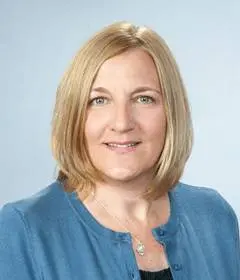
Mary Parlet
Executive VP & Chief Ambulatory and Clinical Services Officer
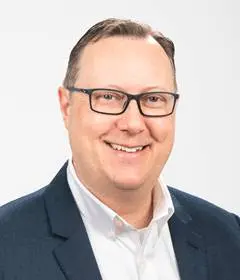
Dwight Raum
Executive VP & Chief Digital Information Officer
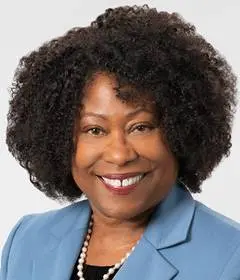
Charlene Wilson, EdD
Executive VP & Chief People Officer
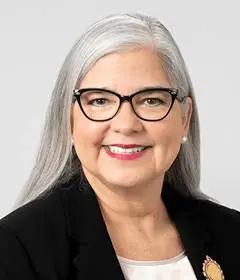
Annette Macias-Hoag, DNP
Executive VP & Chief Nursing and Patient Care Officer
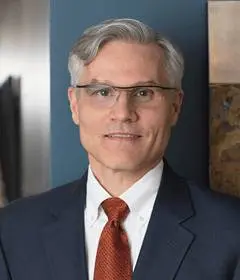
Rob Mayo, MD
Executive VP & Chief Medical Officer
Accreditations

The Commission on Accreditation of Rehabilitation Facilities (CARF) is a non-profit organization that specifically accredits rehab organizations. Founded in 1966, CARF's, mission is to help service providers like rehab facilities maintain high standards of care.
CARF Accreditation: Yes

The Joint Commission, formerly known as JCAHO, is a nonprofit organization that accredits rehab organizations and programs. Founded in 1951, the Joint Commision's mission is to improve the quality of patient care and demonstrating the quality of patient care.
Joint Commission Accreditation: Yes

The Substance Abuse and Mental Health Services Administration (SAMHSA) is a branch of the U.S. Department of Health and Human Services. Established in 1992 by congress, SAMHSA's mission is to reduce the impact of substance abuse and mental illness on American's communities.
SAMHSA Listed: Yes

State Licenses are permits issued by government agencies that allow rehab organizations to conduct business legally within a certain geographical area. Typically, the kind of program a rehab facility offers, along with its physical location, determines which licenses are required to operate legally.
State License: New York
Rehab.com regularly reviews this listing for accuracy but changes may occur between updates. For the most up-to-date information, please contact Evelyn Brandon Health Center.
Contact Information

81 Lake Avenue
Rochester, NY 14608
Get Help Now - 585-708-2153
Sponsored Helpline
Sponsored Helpline



