
 (973) 784-8981





















































































 Visit Website
  19
19 About Absolute Awakenings New Jersey Drug & Alcohol Rehab
Absolute Awakenings New Jersey Drug & Alcohol Rehab is an addiction treatment center in Morris Plains, New Jersey, offering outpatient programs for adults and young adults struggling with substance use and co-occurring mental health conditions.
The center provides Partial Hospitalization (PHP), Intensive Outpatient (IOP) and standard Outpatient (OP) levels of care, all designed to support recovery while clients maintain responsibilities at home, work or school.
Reviewers consistently highlight the supportive staff, structured programming, comfortable environment and reliable transportation assistance.
What kinds of addiction treatment does Absolute Awakenings offer?
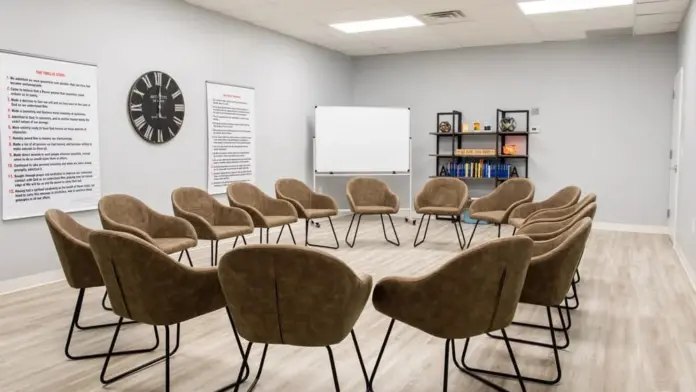
Absolute Awakenings offers Partial Hospitalization Programs (PHP), Intensive Outpatient Programs (IOP) and standard Outpatient services that include individual therapy, group counseling and family sessions.
The center coordinates medically supervised detox placements through a vetted partner network when needed before starting treatment.
Lifetime aftercare and a robust alumni program help clients stay connected and supported after completing formal programming.
Who can get help at this center?
The center serves adults and young adults of all genders, including those with dual diagnosis needs combining addiction and mental health conditions such as depression, anxiety, PTSD, bipolar disorder and ADHD.
Trauma focused programming is available and the team treats dependence on alcohol, opioids (heroin, fentanyl), benzodiazepines, stimulants (cocaine, meth), prescription drugs and other substances.
What approaches and therapies are used?
Evidence-based therapies include Cognitive Behavioral Therapy (CBT), Acceptance & Commitment Therapy (ACT), Interpersonal Therapy and Family Therapy, all delivered through a trauma informed lens.
Holistic services like yoga, meditation, art and music therapy, clinical hypnotherapy, Muay Thai and pet assisted activities complement clinical care.
Psychiatric evaluation and medication management are also available to support integrated treatment.
Where is Absolute Awakenings located?
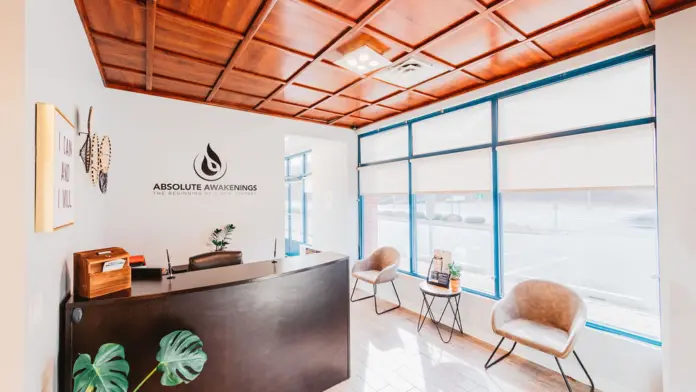
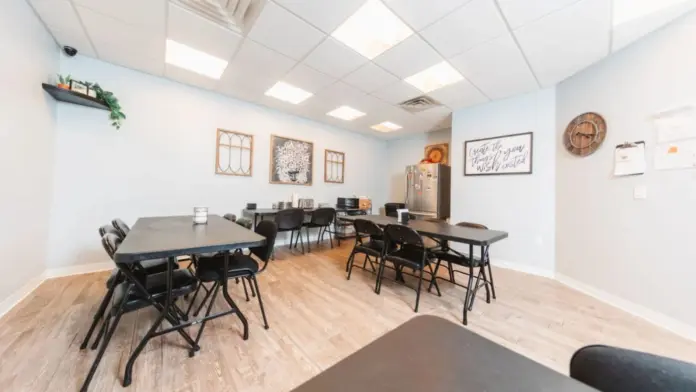
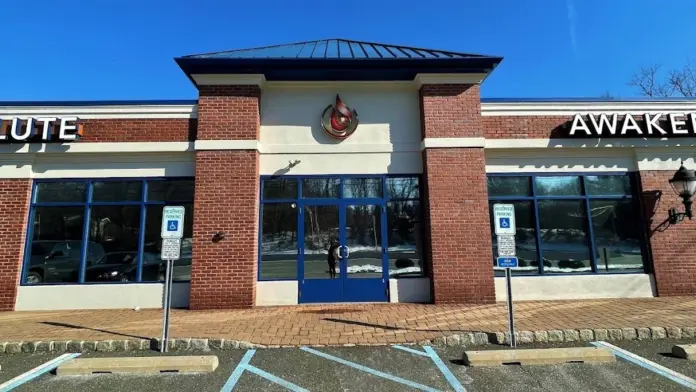
The facility is located in Morris Plains, New Jersey, in a private setting with access to nature, walking paths and outdoor relaxation areas.
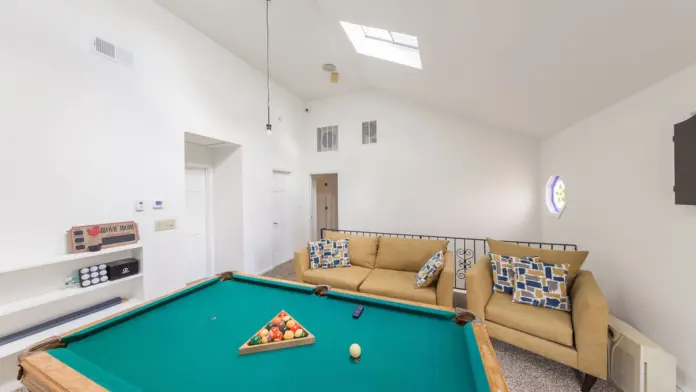
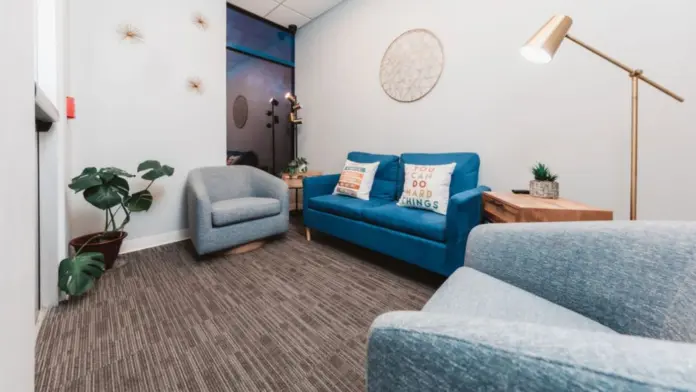
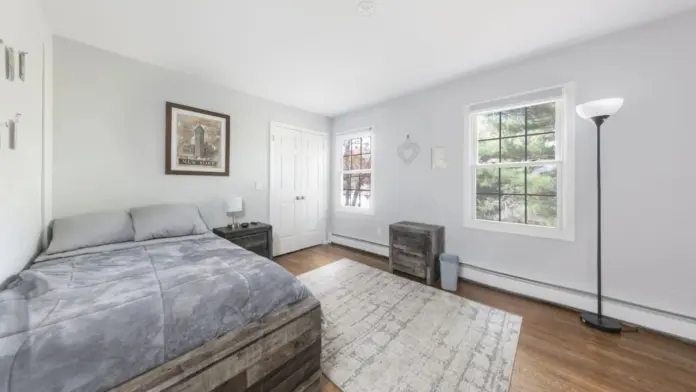
Clients appreciate the peaceful environment, mountain and lakeside views and private rooms that create a comfortable healing space.
Does Absolute Awakenings accept insurance?
The center accepts most major insurance plans, including Aetna, Cigna, Blue Cross Blue Shield, Magellan, Beacon and Elevance Health and offers insurance verification.
Private pay and military insurance options are also available.
Latest Reviews
See All



Rehab Score
 Our Methodology


Gallery
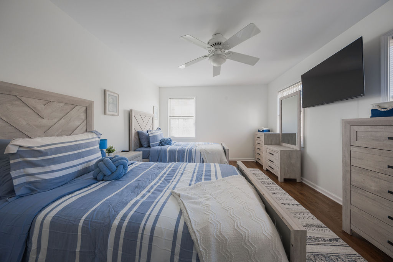
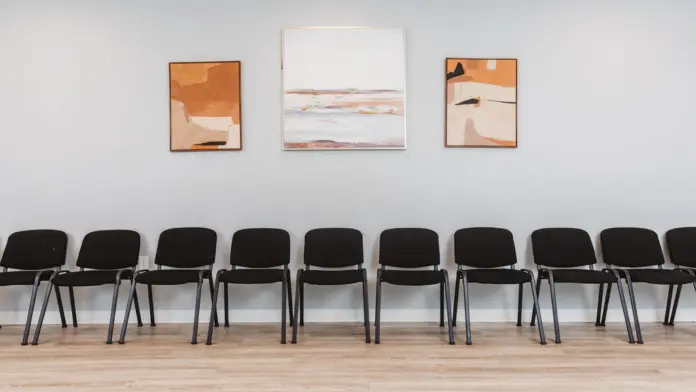
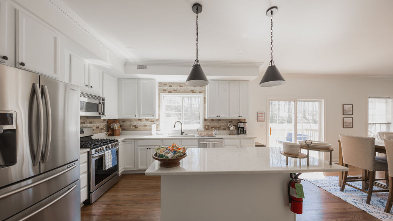
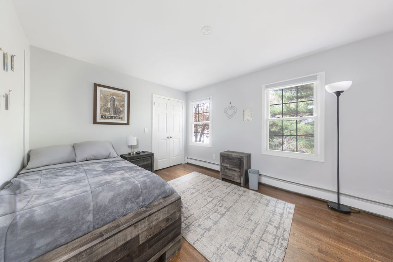

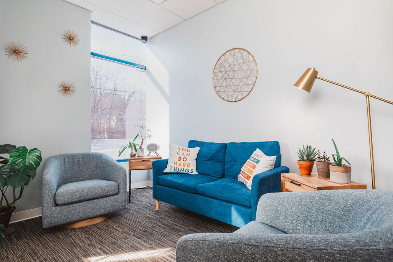
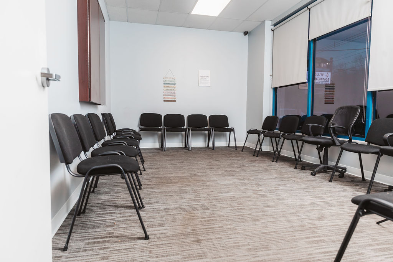
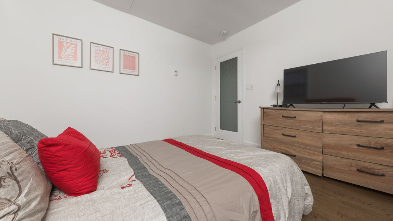
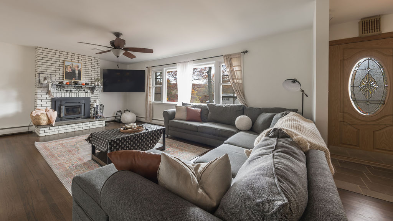


Accepted Insurance






Other Forms of Payment
Self-pay involves paying for treatment out of your own pocket. You can use savings or credit, get a personal loan, or receive help from family and friends to fund your treatment. If you don't have insurance or your insurance plan doesn't cover a specific program, self-pay can help ensure you still get the care you need.
Private insurance refers to any kind of healthcare coverage that isn't from the state or federal government. This includes individual and family plans offered by an employer or purchased from the Insurance Marketplace. Every plan will have different requirements and out of pocket costs so be sure to get the full details before you start treatment.
Military members, veterans, and eligible dependents have access to specific insurance programs that help them get the care they need. TRICARE and VA insurance can help you access low cost or no cost addiction and mental health treatment. Programs that accept military insurance often have targeted treatment focused on the unique challenges military members, veterans, and their families face.
Private insurance refers to any kind of healthcare coverage that isn't from the state or federal government. This includes individual and family plans offered by an employer or purchased from the Insurance Marketplace. Every plan will have different requirements and out of pocket costs so be sure to get the full details before you start treatment.
Addiction Treatments
Levels of Care
Outpatient Programs (OP) are for those seeking mental rehab or drug rehab, but who also stay at home every night. The main difference between outpatient treatment (OP) and intensive outpatient treatment (IOP) lies in the amount of hours the patient spends at the facility. Most of the time an outpatient program is designed for someone who has completed an inpatient stay and is looking to continue their growth in recovery. Outpatient is not meant to be the starting point, it is commonly referred to as aftercare.
Intensive Outpatient Programs (IOP) are for those who want or need a very structured treatment program but who also wish to live at home and continue with certain responsibilities (such as work or school). IOP substance abuse treatment programs vary in duration and intensity, and certain outpatient rehab centers will offer individualized treatment programs.
Commonly known as “day treatment,” a partial hospitalization program (PHP) is an intensive form of outpatient treatment where clients meet during the day and return home in the evening. PHP treatment doesn't require 24-hour care and often serves as an alternative to inpatient hospitalization or a step-down after a residential program. With PHP treatment, you can receive daily support for 6 to 8 hours which includes evidence-based therapies and medication management. The cost of PHP treatment typically varies but averages 90 days.
24-hour clinical care in New Jersey provides a setting where you can withdraw from alcohol or drugs under close monitoring of experienced medical staff. These trained professionals can intervene at any time if needed. They can prescribe medications to reduce cravings and physical discomfort. Mental health professionals are also available to address any emotional and psychological challenges you experience as you begin your recovery journey.
When addicted, quitting your drug of choice suddenly can be dangerous. That’s why experts agree a medically assisted detox is the safest way to remove addictive substances from the body. Usually done in an inpatient setting, your vitals signs and overall well being are consistently monitored and rechecked in order to keep you safe and ensure the detox is successful.
Clients often enter inpatient rehab following detox, but they may also enroll during early recovery or at an increased risk of relapse. Inpatient rehabs provide housing, meals, and intensive clinical supervision, allowing clients to focus exclusively on their recovery in a highly structured and supportive environment. Clients typically receive multiple individual, group, and/or family therapy sessions weekly. Many programs also offer extensive addiction education and recovery-focused life skills training. Integrative inpatient rehabs provide holistic therapies as well.
Treatments
Substance rehabs focus on helping individuals recover from substance abuse, including alcohol and drug addiction (both illegal and prescription drugs). They often include the opportunity to engage in both individual as well as group therapy.
Alcoholism (alcohol use disorder) is diagnosed when a person's drinking causes harm or distress and they continue to drink anyway. Often, they have a physical as well as psychological dependence on the substance. To treat alcohol addiction, medical detox is often necessary to safely withdraw from alcohol. Once this is complete, alcohol rehab in New Jersey can provide skills and supports necessary for long-term recovery.
Opioid rehabs specialize in supporting those recovering from opioid addiction. They treat those suffering from addiction to illegal opioids like heroin, as well as prescription drugs like oxycodone. These centers typically combine both physical as well as mental and emotional support to help stop addiction. Physical support often includes medical detox and subsequent medical support (including medication), and mental support includes in-depth therapy to address the underlying causes of addiction.
New Jersey has a variety of dual-diagnosis addiction treatment programs, including inpatient and outpatient drug and alcohol rehabs, that recognize the unique needs of individuals with co-occurring substance use disorders and mental health conditions. These programs typically employ evidence-based therapies such as cognitive-behavioral therapy (CBT), dialectical behavior therapy (DBT), trauma-focused therapy, and art therapy to successfully address co-occurring disorders and support sustained recovery.
New Jersey has a range of mental health and substance abuse treatment programs providing dual-diagnosis treatment. These rehabs provide effective treatment for co-occurring disorders, which typically involves an inpatient or outpatient program. Treatment often includes a mental health evaluation, individualized treatment plan, individual and group therapy, evidence-based interventions like cognitive behavioral therapy, and psychoeducation. When combined, these programs and therapeutic interventions can successfully address co-occurring disorders to improve mental health and well-being.
Programs
Serving in the military is both mentally and physically challenging, and can result in trauma that persists even after combat ends. Military programs are tailored to the specific and often complex needs of active duty personnel, veterans, and military families. Clients often access these programs through the U.S. Department of Veterans Affairs (VA).
Clinical Services
Cognitive Behavioral Therapy (CBT) is a therapy modality that focuses on the relationship between one's thoughts, feelings, and behaviors. It is used to establish and allow for healthy responses to thoughts and feelings (instead of unhealthy responses, like using drugs or alcohol). CBT has been proven effective for recovering addicts of all kinds, and is used to strengthen a patient's own self-awareness and ability to self-regulate. CBT allows individuals to monitor their own emotional state, become more adept at communicating with others, and manage stress without needing to engage in substance abuse.
Dialectical Behavior Therapy (DBT) is a modified form of Cognitive Behavioral Therapy (CBT), a treatment designed to help people understand and ultimately affect the relationship between their thoughts, feelings, and behaviors. DBT is often used for individuals who struggle with self-harm behaviors, such as self-mutilation (cutting) and suicidal thoughts, urges, or attempts. It has been proven clinically effective for those who struggle with out-of-control emotions and mental health illnesses like Borderline Personality Disorder.
Trauma therapy addresses traumatic incidents from a client's past that are likely affecting their present-day experience. Trauma is often one of the primary triggers and potential causes of addiction, and can stem from child sexual abuse, domestic violence, having a parent with a mental illness, losing one or both parents at a young age, teenage or adult sexual assault, or any number of other factors. The purpose of trauma therapy is to allow a patient to process trauma and move through and past it, with the help of trained and compassionate mental health professionals.
Research clearly demonstrates that recovery is far more successful and sustainable when loved ones like family members participate in rehab and substance abuse treatment. Genetic factors may be at play when it comes to drug and alcohol addiction, as well as mental health issues. Family dynamics often play a critical role in addiction triggers, and if properly educated, family members can be a strong source of support when it comes to rehabilitation.
 Hypnotherapy
Amenities
-
 Private Setting
 -
 Private Transportation
 -
 Hiking
 -
 Private Rooms
 -
 Gym
Gym -
 Wifi
Wifi -
 Mountain Views
 -
 Lakeside
Staff & Accreditations
Staff
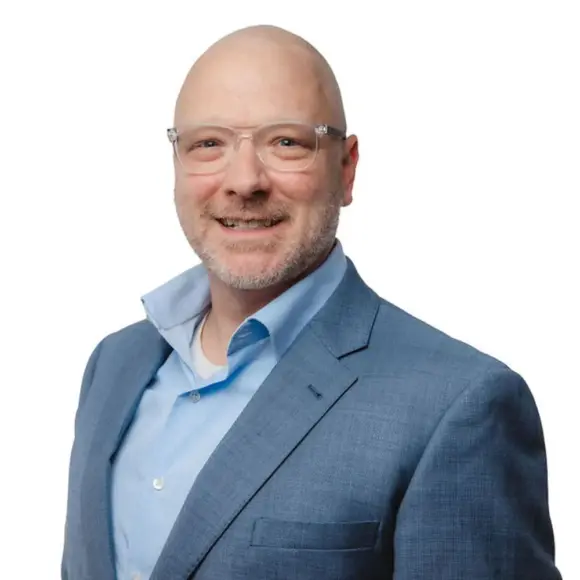
Timothy Jackson
Co-Founder
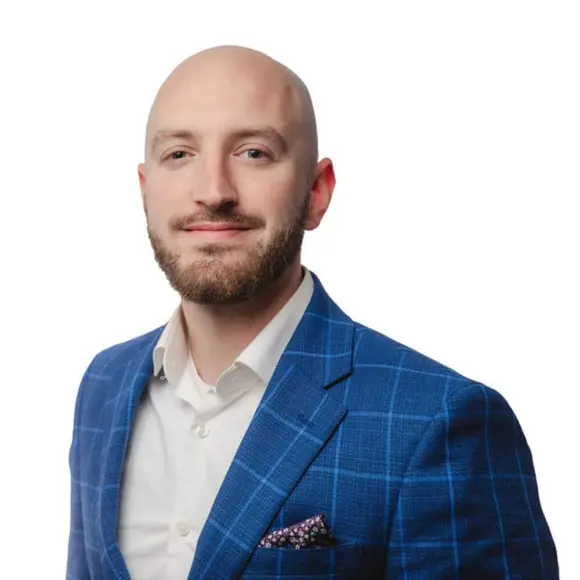
Tyler Kempson
Co-Founder
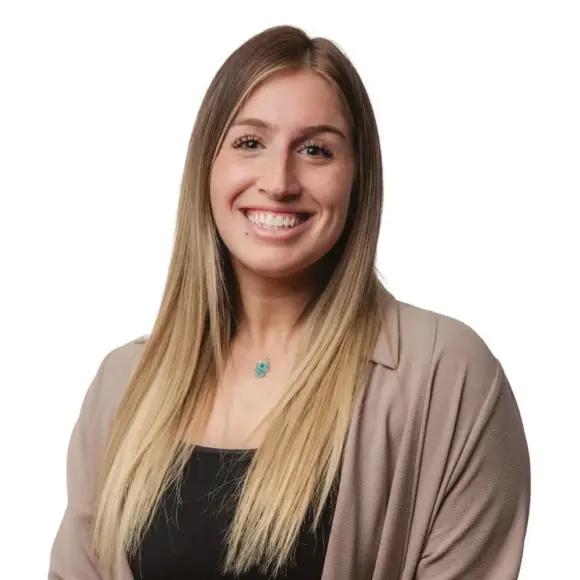
Cheryl Semiz
Co-Founder

Candace De CarvalhoClinical Director
LCADC-LSW-CCS-CCTP
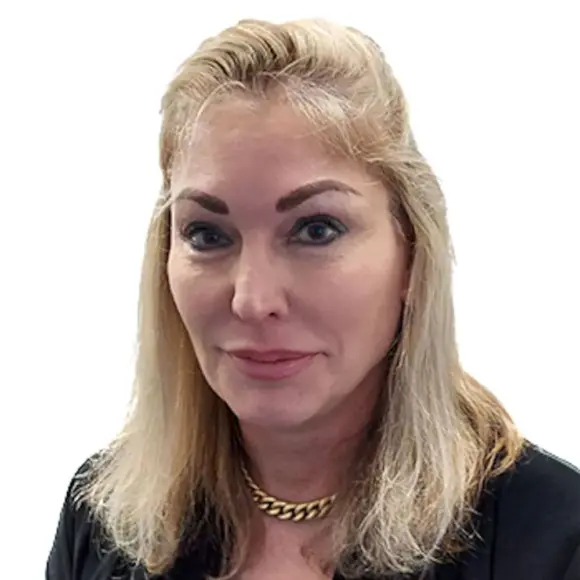
Laurie Deerfield
Medical Director
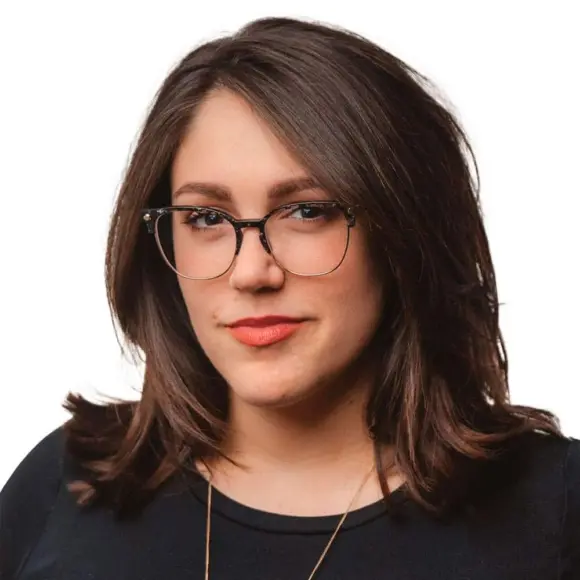
Megan Epstein
Director of Operations
Accreditations

LegitScript has reviewed Absolute Awakenings New Jersey Drug & Alcohol Rehab as part of their certification program, and has determined that it meets the LegitScript standards for legality, safety and transparency.
LegitScript verified in January 2023

The Joint Commission, formerly known as JCAHO, is a nonprofit organization that accredits rehab organizations and programs. Founded in 1951, the Joint Commision's mission is to improve the quality of patient care and demonstrating the quality of patient care.
Joint Commission Accreditation: Yes



 View Website