





























































































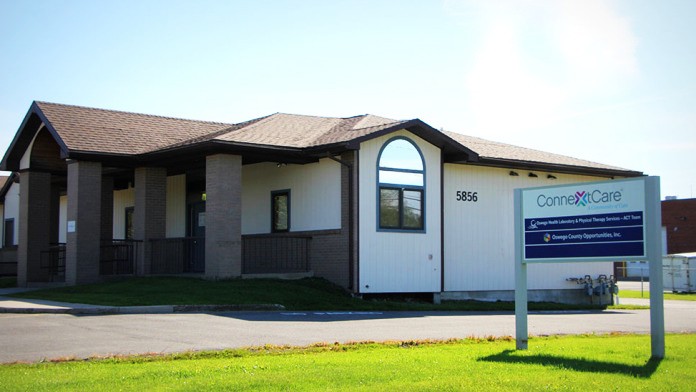
About ConnextCare Mexico
Medication assisted treatment for addiction and mental health is offered to those who would benefit from such services. Mental health and psychiatric services are provided through clinical social workers, psychiatrists, mental health nurses and other support staff. They work in connection with primary care physicians and medical teams to provide the best care possible for each individual’s unique situation.
Medication assisted treatment is one of the main aspects of addiction treatment at ConnextCare. They use a combination of naloxone, buprenorphine or Vivitrol to help patients get through the difficult and uncomfortable symptoms of withdrawal. These medical interventions are used in combination with mental health treatment and medical condition management to help participants reach the best quality of life possible for them.
Medical services include routine medical health care for all ages. Pregnant and early childhood care, contraception management and STD diagnosis or treatment. They also provide immunizations, nutrition counseling, cholesterol, weight control and diabetic counseling. There is a smoking cessation program as well. Coumadin clinics, minor surgeries, laceration repair and women’s health clinics are also available through ConnextCare.
All services are provided through highly trained medical and mental health professionals. Their services are covered by most insurance plans. Be sure to check with your personal health insurance provider to verify what benefits are available to you.
Latest Reviews



Rehab Score
 Our Methodology


Gallery
Other Forms of Payment
Medicaid is a state based program that helps lower-income individuals and families pay for healthcare. Medicaid covers addiction treatment so those enrolled can use their coverage to pay for rehab. When a program accepts Medicaid the client often pays very little or nothing out of their own pocket.
Addiction Treatments
Levels of Care
Outpatient Programs (OP) are for those seeking mental rehab or drug rehab, but who also stay at home every night. The main difference between outpatient treatment (OP) and intensive outpatient treatment (IOP) lies in the amount of hours the patient spends at the facility. Most of the time an outpatient program is designed for someone who has completed an inpatient stay and is looking to continue their growth in recovery. Outpatient is not meant to be the starting point, it is commonly referred to as aftercare.
Treatments
Many of those suffering from addiction also suffer from mental or emotional illnesses like schizophrenia, bipolar disorder, depression, or anxiety disorders. Rehab and other substance abuse facilities treating those with a dual diagnosis or co-occurring disorder administer psychiatric treatment to address the person's mental health issue in addition to drug and alcohol rehabilitation.
Mental health rehabs focus on helping individuals recover from mental illnesses like bipolar disorder, clinical depression, anxiety disorders, schizophrenia, and more. Mental health professionals at these facilities are trained to understand and treat mental health issues, both in individual and group settings.
Programs
Adult rehab programs include therapies tailored to each client's specific needs, goals, and recovery progress. They are tailored to the specific challenges adult clients may face, including family and work pressures and commitments. From inpatient and residential treatment to various levels of outpatient services, there are many options available. Some facilities also help adults work through co-occurring conditions, like anxiety, that can accompany addiction.
Recovery is most successful when clients feel accepted and validated by their peers and treatment providers. Facilities that offer LGBTQ-inclusive programming are committed to creating a safe space where everyone can grow and recover without fear of judgment or discrimination. They will have dedicated policies in place to create a safe and supportive environment that fosters free expression.
Young adulthood can be an exciting, yet difficult, time of transition. Individuals in their late teens to mid-20s face unique stressors related to school, jobs, families, and social circles, which can lead to a rise in substance use. Rehab centers with dedicated young adult programs will include activities and amenities that cater to this age group, with an emphasis on specialized counseling, peer socialization, and ongoing aftercare.
Clinical Services
Cognitive Behavioral Therapy (CBT) is a therapy modality that focuses on the relationship between one's thoughts, feelings, and behaviors. It is used to establish and allow for healthy responses to thoughts and feelings (instead of unhealthy responses, like using drugs or alcohol). CBT has been proven effective for recovering addicts of all kinds, and is used to strengthen a patient's own self-awareness and ability to self-regulate. CBT allows individuals to monitor their own emotional state, become more adept at communicating with others, and manage stress without needing to engage in substance abuse.
Eating disorders include anorexia, bulimia, binge eating, and dysfunctional eating patterns. Many psychologists and other mental health professionals consider eating disorders to be food addictions, meaning food is being used in an addictive way (similar to drug or alcohol addiction). Certain substance abuse treatment programs will have treatment for eating disorders as one of the services offered. An eating disorder may also present as a co-occuring disorder or dual diagnosis alongside drug and alcohol addiction.
Group therapy is any therapeutic work that happens in a group (not one-on-one). There are a number of different group therapy modalities, including support groups, experiential therapy, psycho-education, and more. Group therapy involves treatment as well as processing interaction between group members.
Trauma therapy addresses traumatic incidents from a client's past that are likely affecting their present-day experience. Trauma is often one of the primary triggers and potential causes of addiction, and can stem from child sexual abuse, domestic violence, having a parent with a mental illness, losing one or both parents at a young age, teenage or adult sexual assault, or any number of other factors. The purpose of trauma therapy is to allow a patient to process trauma and move through and past it, with the help of trained and compassionate mental health professionals.
Staff

Tricia Peter-Clark, MBA, FACHE, FACMPE
President&CEO

Patrick Carguello, DO, AAOFP
Senior VP&CMO

Nancy Deavers, MSN, RN
Senior VP/Chief Nursing and Quality Officer

Melissa Noel, DDS
VP/Chief Dental Officer

Tracy Wimmer, MBA
VP/CFO

Elizabeth Krell, MHA, RHIA
COO
Rehab.com regularly reviews this listing for accuracy but changes may occur between updates. For the most up-to-date information, please contact ConnextCare Mexico.
Contact Information


5856 Scenic Avenue
Mexico, NY 13114
Sponsored Helpline


