






























































































I am so angry that my child was placed in this school!! I’m not sure why the principal is even allowed to be in charge he does nothing!! Does not notify parents of any situations and I have asked repeatedly I would literally give this place negative stars if that were an o ...
About Eastway – Webster Street Academy and Family Center
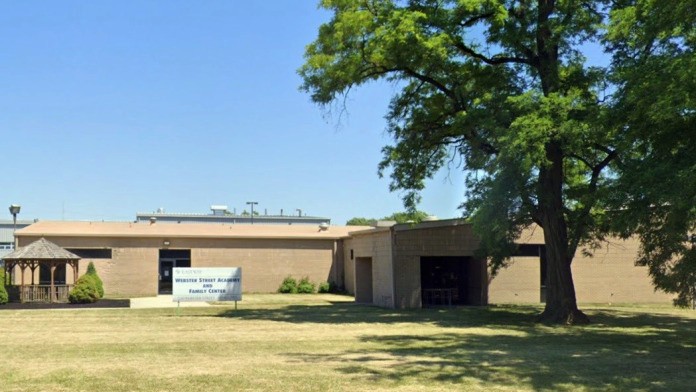
Located in Dayton, Ohio, is the Eastway Webster Street Academy and Family Center. This is an organization that serves children who have not found success in the traditional school setting because of a behavioral health struggle. Instead they’ll be enrolled in the Webster Street Academy where they’ll continue their education in a school setting with therapy and counseling services weaved into their daily programming. This organization also helps parents by giving them greater insight into the struggles their child is experiencing and connecting them to resources and educational services that can help them pursue a healthy and productive lifestyle. The Center accepts select commercial insurance providers including Medicaid.
Therapeutic Intervention
The main focus of the Webster Street Academy is to intervene in the lives of children who are at risk, exhibiting behavioral health struggles, or need more robust support to help them meet academic and life goals. If your child is struggling with self acceptance, their mental health, has experimented with substance use or is showing at risk behaviors overall, these therapeutic interventions can help guide them.
All children will start with a thorough assessment conducted by a licensed therapist. This assessment will help determine what specific struggles your child is facing and the best recovery plan to meet their needs.
Access to Eastway Services
One of the benefits of seeking support from this Academy is that you’ll get connected to the Eastway network. This network offers a continuum of services including gender specific residential care and trauma informed care.
Fact checked and written by:
Nadia El-Yaouti, M. Ed.
Edited by:
Kerry Nenn, BSW
Latest Reviews
This school is extremely unprofessional. They are supposed to be a school that assists children with behavioral concerns. They have done nothing to help my child. Any type of behavior no matter how small is addressed by suspending the child even when it was discussed in meetings that the child doesn’t want to be at school. The receptionist is rude and disrespectful and hangs up on parent calling out of concern. The principal does nothing to assist with anything. He doesn’t even communicate when the child is suspended or doesn’t show up for school as he promised in meetings. The bus doesn’t show up half the time and parents aren’t notified. Do not send your child here for any reason. Find another place.
Brittney Smith
Reviewed on 11/09/2023
I am so angry that my child was placed in this school!! I’m not sure why the principal is even allowed to be in charge he does nothing!! Does not notify parents of any situations and I have asked repeatedly I would literally give this place negative stars if that were an option because this man literally has been asked on multiple occasions for effective communication and he doesn’t do anything that is why they have a revolving door of staff smh
My family has used these services for years. But now the last 2 years the therapist and doctors are a revolving door. I call for help and it can be 2 o’clock it’s a crisis and no response the dr is only in the office specific days. It’s all about every penny. It’s no extra second to talk or call back. Told to call the office first but the nurse is out early. The need part time and PRN staff. Mental health is real and they clear have no care besides being paid. I have asked for consistency and it has yet to be . But demand I allow my kids to miss school. I have dealt with so many crisis these past few months. And never got a text or call back, like it should be a medical society on-call. The place just reopened to patients a few weeks back so it’s been all via phone which the patients need to be seen. For the person attempting to treat them to observe what your constantly see because they refuse to visualize the bell you endure

Rehab Score
 Our Methodology
Scoring is assigned by a proprietary system which helps surface key metrics that determine quality. The 10-point scale factors in categories such as operations, customer satisfaction, and trust metrics. Read Full Methodology

5.2 / 10
Gallery
Other Forms of Payment
Medicaid is a state based program that helps lower-income individuals and families pay for healthcare. Medicaid covers addiction treatment so those enrolled can use their coverage to pay for rehab. When a program accepts Medicaid the client often pays very little or nothing out of their own pocket.
Self-pay involves paying for treatment out of your own pocket. You can use savings or credit, get a personal loan, or receive help from family and friends to fund your treatment. If you don't have insurance or your insurance plan doesn't cover a specific program, self-pay can help ensure you still get the care you need.
 Free
FreeFinancial aid can take many forms. Centers may have grants or scholarships available to clients who meet eligibility requirements. Programs that receive SAMHSA grants may have financial aid available for those who need treatment as well. Grants and scholarships can help you pai for treatment without having to repay.
Addiction Treatments
Levels of Care
Outpatient Services is based on the concept that often mental health supports are needed by children even if they are maintaining adequate school performance. In addition, support services may be need by those children who are to young to be enrolled in school. Outpatient Services allows families the ability to access mental health assistance in a community based program. Their trained staff utilized individual, group and play therapy to help children identify problems in their lives.
Completing a drug or alcohol rehab program shouldn't spell the end of substance abuse treatment. Aftercare involves making a sustainable plan for recovery, including ongoing support. This can include sober living arrangements like halfway houses, career counseling, and setting a patient up with community programs like Alcoholics Anonymous (AA) or Narcotics Anonymous (NA).
Treatments
The goal of treatment for alcoholism is abstinence. Those with poor social support, poor motivation, or psychiatric disorders tend to relapse within a few years of treatment. For these people, success is measured by longer periods of abstinence, reduced use of alcohol, better health, and improved social functioning. Recovery and Maintenance are usually based on 12 step programs and AA meetings.
Drug rehab in Ohio provides comprehensive treatment to address the physical and psychological needs of those struggling with substance use disorders. This may involve inpatient and/or outpatient care.
A combined mental health and substance abuse rehab has the staff and resources available to handle individuals with both mental health and substance abuse issues. It can be challenging to determine where a specific symptom stems from (a mental health issue or an issue related to substance abuse), so mental health and substance abuse professionals are helpful in detangling symptoms and keeping treatment on track.
Opioid rehabs specialize in supporting those recovering from opioid addiction. They treat those suffering from addiction to illegal opioids like heroin, as well as prescription drugs like oxycodone. These centers typically combine both physical as well as mental and emotional support to help stop addiction. Physical support often includes medical detox and subsequent medical support (including medication), and mental support includes in-depth therapy to address the underlying causes of addiction.
Clinical Services
Cognitive Behavioral Therapy (CBT) is a therapy modality that focuses on the relationship between one's thoughts, feelings, and behaviors. It is used to establish and allow for healthy responses to thoughts and feelings (instead of unhealthy responses, like using drugs or alcohol). CBT has been proven effective for recovering addicts of all kinds, and is used to strengthen a patient's own self-awareness and ability to self-regulate. CBT allows individuals to monitor their own emotional state, become more adept at communicating with others, and manage stress without needing to engage in substance abuse.
Creativity is inherently healing, and can help those in recovery express thoughts or feelings they might not otherwise be able to. Creative arts therapy can include music, poetry/writing, painting, sculpting, dance, theater, sandplay, and more. Unlike traditional art, the final product matters far less than the experience of creation and expression itself.
Experiential therapy is a form of therapy in which clients are encouraged to surface and work through subconscious issues by engaging in real-time experiences. Experiential therapy departs from traditional talk therapy by involving the body, and having clients engage in activities, movements, and physical and emotional expression. This can involve role-play or using props (which can include other people). Experiential therapy can help people process trauma, memories, and emotion quickly, deeply, and in a lasting fashion, leading to substantial and impactful healing.
Research clearly demonstrates that recovery is far more successful and sustainable when loved ones like family members participate in rehab and substance abuse treatment. Genetic factors may be at play when it comes to drug and alcohol addiction, as well as mental health issues. Family dynamics often play a critical role in addiction triggers, and if properly educated, family members can be a strong source of support when it comes to rehabilitation.
Group Therapy allows individuals to merge their interpretation of reality with other people’s interpretations in such a way that they are encouraged to develop a new understanding of themselves as well as the world around them. The foundation of Group Therapy is sharing in the experience of others. During Group, therapists strive not only to help students identify their common bonds, but also to have each student appreciate the diversity among their peers.
In individual therapy, a patient meets one-on-one with a trained psychologist or counselor. Through individual therapy sessions, individuals participate in a self-discovery process. This process helps them realize that the challenges they face in their lives are not because better solutions do not exist but because they have not refined their ability to use available resources to reach better solutions.
The Social Skills Training focuses on understanding one’s self by focusing on concepts such as: developing self-awareness (eg feelings, emotions), building self-confidence (eg intimacy, autonomy, success) and ensuring an adequate quality of life (eg balance between work, play and personal maintenance responsibilities). It also focuses on learning to get along with peers and adults by addressing issues such as: becoming socially responsible, building and maintaining friendships, interacting respectfully with authority figures and resolving conflicts.
Trauma-Informed Care is a Best Practice treatment philosophy that incorporates an appreciation for the high prevalence of traumatic experiences in children who receive mental health services. The course in treatment requires a thorough understanding of the profound neurological, biological, psychological, and social effects of trauma on a child and all members of the treatment team must work closely together and be consistent in their interactions with the children.
Amenities
-
 Residential Setting
 -
 Private Setting
Accreditations

The Commission on Accreditation of Rehabilitation Facilities (CARF) is a non-profit organization that specifically accredits rehab organizations. Founded in 1966, CARF's, mission is to help service providers like rehab facilities maintain high standards of care.
CARF Accreditation: Yes
Contact Information

1110 Webster street
Dayton, OH 45404
Get Help Now - 513-427-2173
Sponsored Helpline
Sponsored Helpline


