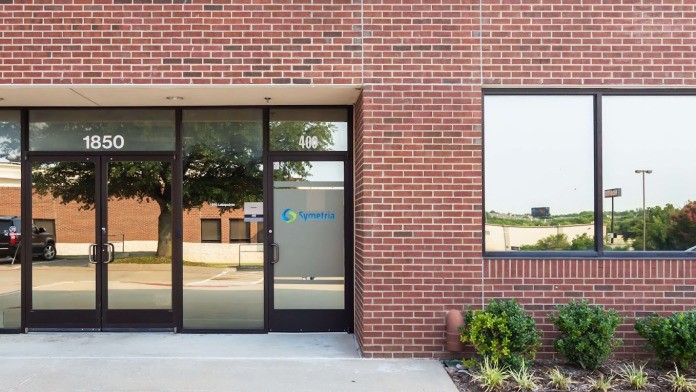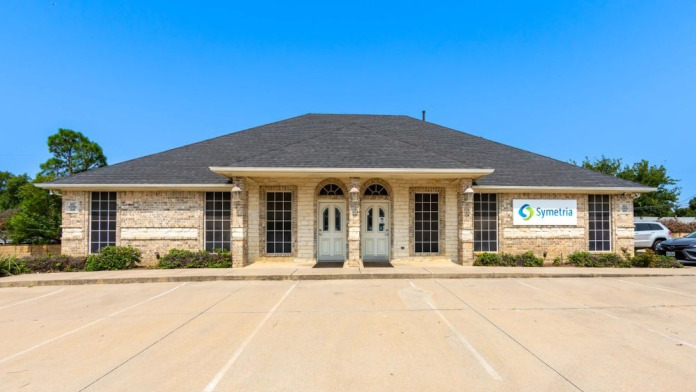
Symetria — Hurst Outpatient Rehab & Suboxone Clinic
1
Top 10 Rehab Centers In Hurst



















































































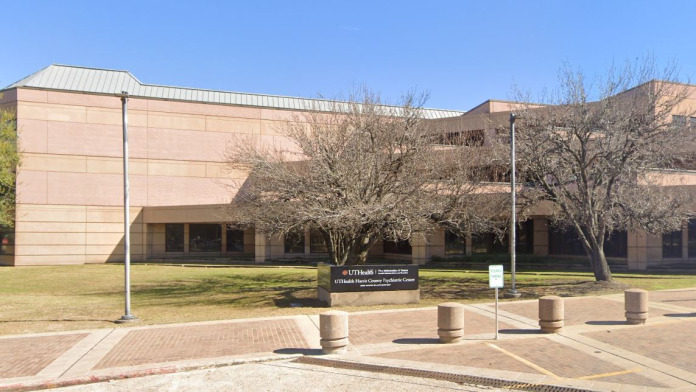
They have doctors, psychiatrists, psychologists, and therapists on staff, and the psychologists and psychiatrists are all on staff at the McGovern Medical School associated with the psychiatric center. The facility is Joint Commission accredited.
They offer psychiatric and substance use evaluations. Depending on your treatment plan, there are many other types of evaluations and tests you may receive. They do neurological consultations, psychosocial assessments, and psychological testing.
Board certified psychiatrists direct the treatment given by a multidisciplinary team. The facility is not a medical detox facility but if the psychiatrist or clinician feels medication may help in your withdrawal, they will give it to you. Inpatient care averages about seven to 10 days.
There’s a special dual diagnosis program where you’ll work on your substance use and mental health issues. You’ll have individual therapy where they’ll help you identify what your mental health issues are. Then you can work on the best way of coping with your mental health so you can avoid substance use.
In the dual diagnosis program, you’ll focus on relapse prevention. You’ll learn about and take part in 12 Step groups such as Alcoholics Anonymous (AA). You’ll get individualized treatment for an aftercare plan to ensure your long term success.
Former clients feel the staff at the center was very helpful and good at listening. They also felt the staff was compassionate.

 274
274 
 Our Methodology


Medicaid is a state based program that helps lower-income individuals and families pay for healthcare. Medicaid covers addiction treatment so those enrolled can use their coverage to pay for rehab. When a program accepts Medicaid the client often pays very little or nothing out of their own pocket.
Private insurance refers to any kind of healthcare coverage that isn't from the state or federal government. This includes individual and family plans offered by an employer or purchased from the Insurance Marketplace. Every plan will have different requirements and out of pocket costs so be sure to get the full details before you start treatment.
Self-pay involves paying for treatment out of your own pocket. You can use savings or credit, get a personal loan, or receive help from family and friends to fund your treatment. If you don't have insurance or your insurance plan doesn't cover a specific program, self-pay can help ensure you still get the care you need.
Financial aid can take many forms. Centers may have grants or scholarships available to clients who meet eligibility requirements. Programs that receive SAMHSA grants may have financial aid available for those who need treatment as well. Grants and scholarships can help you pai for treatment without having to repay.
Sliding scale payments are based on a client's income and family size. The goal is to make treatment affordable to everyone. By taking these factors into account, addiction recovery care providers help ensure that your treatment does not become a financial burden to you or your family, eliminating one barrier to care.
Medicare is a federal program that provides health insurance for those 65 and older. It also serves people under 65 with chronic and disabling health challenges. To use Medicare for addiction treatment you need to find a program that accepts Medicare and is in network with your plan. Out of pocket costs and preauthorization requirements vary, so always check with your provider.
Military members, veterans, and eligible dependents have access to specific insurance programs that help them get the care they need. TRICARE and VA insurance can help you access low cost or no cost addiction and mental health treatment. Programs that accept military insurance often have targeted treatment focused on the unique challenges military members, veterans, and their families face.
Residential treatment programs are those that offer housing and meals in addition to substance abuse treatment. Rehab facilities that offer residential treatment allow patients to focus solely on recovery, in an environment totally separate from their lives. Some rehab centers specialize in short-term residential treatment (a few days to a week or two), while others solely provide treatment on a long-term basis (several weeks to months). Some offer both, and tailor treatment to the patient's individual requirements.
24-hour clinical care in Texas provides a safe environment for medical detox. This setting is crucial to provide medical care during withdrawal. Certain withdrawal symptoms can cause life-threatening conditions, but patients in a supervised clinical setting have treatment readily available to address any symptoms before they become severe. Treatment can also be provided for co-occurring physical and mental health issues.
Many of those suffering from addiction also suffer from mental or emotional illnesses like schizophrenia, bipolar disorder, depression, or anxiety disorders. Rehab and other substance abuse facilities treating those with a dual diagnosis or co-occurring disorder administer psychiatric treatment to address the person's mental health issue in addition to drug and alcohol rehabilitation.
Mental health rehabs focus on helping individuals recover from mental illnesses like bipolar disorder, clinical depression, anxiety disorders, schizophrenia, and more. Mental health professionals at these facilities are trained to understand and treat mental health issues, both in individual and group settings.
Substance abuse treatment is available in Texas for anyone who's struggling with drug or alcohol addiction. These programs usually provide a comprehensive assessment and individualized treatment plan, and include evidence-based treatments, like therapies such as cognitive-behavioral therapy (CBT) to reframe unhelpful coping strategies, and dialectical behavior therapy (DBT) to help with emotional regulation and stress.
Adult rehab programs include therapies tailored to each client's specific needs, goals, and recovery progress. They are tailored to the specific challenges adult clients may face, including family and work pressures and commitments. From inpatient and residential treatment to various levels of outpatient services, there are many options available. Some facilities also help adults work through co-occurring conditions, like anxiety, that can accompany addiction.
Young adulthood can be an exciting, yet difficult, time of transition. Individuals in their late teens to mid-20s face unique stressors related to school, jobs, families, and social circles, which can lead to a rise in substance use. Rehab centers with dedicated young adult programs will include activities and amenities that cater to this age group, with an emphasis on specialized counseling, peer socialization, and ongoing aftercare.
The providers who specialize in the children's rehab space understand the specialized needs that this population faces. School-based and social services such as tutoring and family counseling are often central to treatment. Child programs may also address the needs of youth experiencing substance abuse in the home, including a parent's or sibling's addiction.
Teen programs are designed to address the unique pressures teens face, pressures that can drive them to experiment with dangerous, addictive substances. They need programs that meet them exactly where they are and give them tools for long-term recovery. Therapy can help teenagers understand and work through underlying issues so they can reclaim the life ahead of them.
Nearly one million adults age 65 and older live with a substance use disorder. Treatment providers who specialize in senior care understand the social, psychological, and physical effects of aging and how they relate to recovery. They can help clients address particular challenges and risks they may face as they get older such as overdosing and medication interactions and dependencies.
Cognitive Behavioral Therapy (CBT) is a therapy modality that focuses on the relationship between one's thoughts, feelings, and behaviors. It is used to establish and allow for healthy responses to thoughts and feelings (instead of unhealthy responses, like using drugs or alcohol). CBT has been proven effective for recovering addicts of all kinds, and is used to strengthen a patient's own self-awareness and ability to self-regulate. CBT allows individuals to monitor their own emotional state, become more adept at communicating with others, and manage stress without needing to engage in substance abuse.
Whether a marriage or other committed relationship, an intimate partnership is one of the most important aspects of a person's life. Drug and alcohol addiction affects both members of a couple in deep and meaningful ways, as does rehab and recovery. Couples therapy and other couples-focused treatment programs are significant parts of exploring triggers of addiction, as well as learning how to build healthy patterns to support ongoing sobriety.
Dialectical Behavior Therapy (DBT) is a modified form of Cognitive Behavioral Therapy (CBT), a treatment designed to help people understand and ultimately affect the relationship between their thoughts, feelings, and behaviors. DBT is often used for individuals who struggle with self-harm behaviors, such as self-mutilation (cutting) and suicidal thoughts, urges, or attempts. It has been proven clinically effective for those who struggle with out-of-control emotions and mental health illnesses like Borderline Personality Disorder.
Experiential therapy is a form of therapy in which clients are encouraged to surface and work through subconscious issues by engaging in real-time experiences. Experiential therapy departs from traditional talk therapy by involving the body, and having clients engage in activities, movements, and physical and emotional expression. This can involve role-play or using props (which can include other people). Experiential therapy can help people process trauma, memories, and emotion quickly, deeply, and in a lasting fashion, leading to substantial and impactful healing.
Research clearly demonstrates that recovery is far more successful and sustainable when loved ones like family members participate in rehab and substance abuse treatment. Genetic factors may be at play when it comes to drug and alcohol addiction, as well as mental health issues. Family dynamics often play a critical role in addiction triggers, and if properly educated, family members can be a strong source of support when it comes to rehabilitation.
Group therapy is any therapeutic work that happens in a group (not one-on-one). There are a number of different group therapy modalities, including support groups, experiential therapy, psycho-education, and more. Group therapy involves treatment as well as processing interaction between group members.
In individual therapy, a patient meets one-on-one with a trained psychologist or counselor. Therapy is a pivotal part of effective substance abuse treatment, as it often covers root causes of addiction, including challenges faced by the patient in their social, family, and work/school life.
Nicotine Replacement Therapy (NRT) is a way of getting nicotine into the bloodstream without smoking. It uses products that supply low doses of nicotine to help people stop smoking. The goal of therapy is to cut down on cravings for nicotine and ease the symptoms of nicotine withdrawal.
Nutrition therapy, aka medical nutrition therapy (MNT), is a way of treating physical, emotional, and medical conditions through diet. Specific dietary plans are designed by professional nutritionists or registered dietitians, and patients follow them in order to positively affect their physical and mental health.
Trauma therapy addresses traumatic incidents from a client's past that are likely affecting their present-day experience. Trauma is often one of the primary triggers and potential causes of addiction, and can stem from child sexual abuse, domestic violence, having a parent with a mental illness, losing one or both parents at a young age, teenage or adult sexual assault, or any number of other factors. The purpose of trauma therapy is to allow a patient to process trauma and move through and past it, with the help of trained and compassionate mental health professionals.
 Metropolitan Area
 Vice President, Business
Chief Nursing Officer
Chief Medical Officer
CFO
Executive Director

The Joint Commission, formerly known as JCAHO, is a nonprofit organization that accredits rehab organizations and programs. Founded in 1951, the Joint Commision's mission is to improve the quality of patient care and demonstrating the quality of patient care.
Joint Commission Accreditation: Yes

State Licenses are permits issued by government agencies that allow rehab organizations to conduct business legally within a certain geographical area. Typically, the kind of program a rehab facility offers, along with its physical location, determines which licenses are required to operate legally.
State License: Texas
Rehab.com regularly reviews this listing for accuracy but changes may occur between updates. For the most up-to-date information, please contact Harris County Psychiatric Center.

2800 South Macgregor Way, Houston, TX 77021
Sponsored Helpline

Unfortunately, dealing with a Family member with issues of Mental Health Issues. My son was released from this facility. Unfortunately, I didn't realize what transpires if they are a adult. I was out of Harms way, but my son was released. I received call from a St.Joeseph hospital because he was released and was treated for exposure, trench feet from rain. If you're relative is mentally I'll try to do Medical Power Of Attorney in front of A Notory. They are delusional, but, You know they need help. Plus, you gotta stay safe. The Mental facility will release them, because they are a adult by law. That's my next step in getting my son help. Without, This document you can't assist them if they are a Adult. Its necessary in determining there help in getting on medication. God, Bless! Good Luck All.🙏

As far as psychiatric wards go, the mid-Aril-to-mid-May-2003 version of Harris County Psychiatric Center seemed to lean more heavily on intensity of prescription drugs than the vast majority of other psychiatric wards. I was one of the patients there, voluntarily, from about April 17, 2003 to about May 15, 2003. Although (from birth in this life up to the time of posting this June 6, 2026 review) I have never been involuntarily committed to a mental institution in the main, very strict, definition of that , bear in mind that I have voluntarily entered psychiatric wards on multiple occasions and been temporarily involuntarily detained for psychiatric evaluation on several occasions over spans of several days before choosing to consent to being present there. I voluntarily entered psychiatric wards in late 1996 (for a few days, at a ward in NC), in 2003 (at HCPC in TX as mentioned a moment ago), in July 2005 (for about a week, at InterCare), and in May 2006 (for about two-and-a-half days, at InterCare). In contrast, there have also times of involuntary entries that changed into voluntary continuances until exiting: In September 2019 (over the span of about one week, at a fourth psychiatric ward), in April 2021 (over the span of about one week, at a fifth psychiatric ward), and in March 2025 (over the span of about two weeks, at a sixth psychiatric ward) authorities sent me to become--initially involuntarily--evaluated and detained by psychiatric wards, and, in each of those cases, after some number of days, I relented into agreeing, converting them into voluntary evaluation and occupancy. Those were such that at the beginning each time, I argued heavily about portions of treatment--mainly against the use of prescription, mind-altering drugs--and protested repeatedly, refusing consent to consuming those drugs, and later chose to compromise and voluntarily cooperate on negotiated treatment processes, somewhere between what the psychiatrists initially preferred and what I initially preferred--something that some might loosely define as having been involuntarily committed, although not meeting the criteria for the stricter version in which a person fights things out to the point of becoming forced into a long-term, 90-day involuntary commitment or something similar--avoiding the version involving the stricter definition. It seemed rather definite that HCPC was much more intense with its approach to influencing patients--whether myself, a person who as of then went along without protesting or negotiating at all, or the others who varied in their degrees of cooperation vs. protestation vs. negotiation, etc.--into taking more intense medications rather than less intense medications and into taking more medications than any of the other psychiatric wards to which this review alludes.

My son almost died in their care he had a ruptures appendix for 3 day fight this hospital to get him medical care was awful if I could I would give them a 0 please visit your loved one and make sure they are well

Truly a nest of vipers. I was stuck in there with dangerous people, there were multiple fights and times where patients had to be sedated for fighting staff members (rightfully so, because they were horrible people), and the entire process would've been infinitely better for me if the entire Harris Center system hadn't been so hostile to me. There was very little offered to keep us occupied, and they also used A.I. on some of the commercials and programs on the TV to keep patients confused, which I very much did not appreciate. They also listen in on all phone calls, and will cut the line at any time if they don't like what you're talking about.
 Back
Back
Sharing your insights and experiences can help others learn more about this rehab center.
Harris County Psychiatric Center is a state psychiatric hospital in Houston that provides inpatient psychiatric care with substance abuse assessment and treatment planning when clinically indicated. The facility treats patients with dual diagnosis (mental health and substance use together) as part of its acute psychiatric stabilization services, but it is not a dedicated detoxification center.
The 274-bed facility in Houston offers inpatient psychiatric programs for children, adolescents, adults, and seniors. Services include psychiatric evaluation, medication management, group therapy, and crisis stabilization. The multidisciplinary treatment team includes psychiatrists, nurses, social workers, and therapists providing 24-hour clinical care.
Harris County Psychiatric Center provides psychiatric emergency services 24 hours a day, 7 days a week as part of the Harris Health System. The facility conducts psychiatric evaluation and assessment during the admissions process and can provide crisis stabilization and inpatient treatment for patients requiring acute care in the Houston area.
Yes, Harris County Psychiatric Center is accredited by The Joint Commission and licensed by the Texas Department of State Health Services. The facility operates as the public psychiatric hospital for Harris County and is part of the Harris Health System’s behavioral health services network.
Harris County Psychiatric Center is a state psychiatric hospital in Houston that provides inpatient psychiatric care with substance abuse assessment and treatment planning when clinically indicated. The facility treats patients with dual diagnosis (mental health and substance use together) as part of its acute psychiatric stabilization services, but it is not a dedicated detoxification center.
The 274-bed facility in Houston offers inpatient psychiatric programs for children, adolescents, adults, and seniors. Services include psychiatric evaluation, medication management, group therapy, and crisis stabilization. The multidisciplinary treatment team includes psychiatrists, nurses, social workers, and therapists providing 24-hour clinical care.
Harris County Psychiatric Center provides psychiatric emergency services 24 hours a day, 7 days a week as part of the Harris Health System. The facility conducts psychiatric evaluation and assessment during the admissions process and can provide crisis stabilization and inpatient treatment for patients requiring acute care in the Houston area.
Yes, Harris County Psychiatric Center is accredited by The Joint Commission and licensed by the Texas Department of State Health Services. The facility operates as the public psychiatric hospital for Harris County and is part of the Harris Health System’s behavioral health services network.