Symetria — Hurst Outpatient Rehab & Suboxone Clinic
1
Top 10 Rehab Centers In Hurst



















































































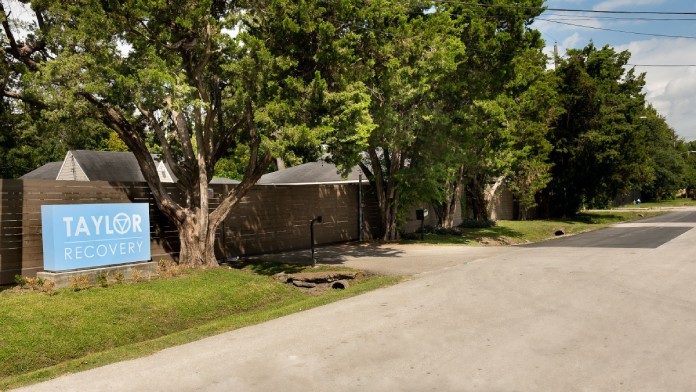
Taylor Recovery Sober Living Center is located in the heart of Houston, Texas. This is a sober living facility that provides compassionate care to men and women who need support for their drug, alcohol, or substance use disorder. This location offers both short and long term recovery housing that will equip you with the skills you need for success. They accept policies from most major insurance providers. speak with your provider because out of network benefits May apply.
This facility provides a comfortable and safe place to navigate life during and after recovery. When you seek treatment here, you’ll meet with a multidisciplinary team of professionals who will create an individualized treatment plan to meet your needs. There are gender separated programs here.
You’ll be supported by a host of evidence based therapies here. Cognitive behavioral therapies are applied through individual and group counseling sessions. You’ll also be immersed into the 12-step recovery model. This allows you to build a community of support from peers and mentors that you can lean on. Family counseling support is also available. This will help your loved ones learn how to best support you.
Amenities offered here include semi-private rooms and a pet friendly atmosphere. You’ll also have transportation available to take you to counseling and therapy sessions or any meetings that are required of your treatment plan.
Holistic approaches to recovery are also offered here. There are weekly outings offered which will allow you to build healthy habits for a sober lifestyle.
 $660
$660 
 Our Methodology



Private insurance refers to any kind of healthcare coverage that isn't from the state or federal government. This includes individual and family plans offered by an employer or purchased from the Insurance Marketplace. Every plan will have different requirements and out of pocket costs so be sure to get the full details before you start treatment.
Self-pay involves paying for treatment out of your own pocket. You can use savings or credit, get a personal loan, or receive help from family and friends to fund your treatment. If you don't have insurance or your insurance plan doesn't cover a specific program, self-pay can help ensure you still get the care you need.
Medicaid is a state based program that helps lower-income individuals and families pay for healthcare. Medicaid covers addiction treatment so those enrolled can use their coverage to pay for rehab. When a program accepts Medicaid the client often pays very little or nothing out of their own pocket.
Medicare is a federal program that provides health insurance for those 65 and older. It also serves people under 65 with chronic and disabling health challenges. To use Medicare for addiction treatment you need to find a program that accepts Medicare and is in network with your plan. Out of pocket costs and preauthorization requirements vary, so always check with your provider.
After completing some form of inpatient care, many clients transition or step down to an outpatient rehab, while some choose to transition from detox directly into outpatient care. High-intensity outpatient programming, including partial hospitalization (PHP) and intensive outpatient (IOP) is widely available for clients in early recovery, those leaving detox, and those at an elevated relapse risk. Clients in outpatient care generally engage in robust addiction counseling and recovery education, and some also receive medication assisted treatment (MAT).
Intensive Outpatient programs are for those who want or need a very structured treatment program but who also wish to live at home and continue with certain responsibilities (such as work or school). IOP substance abuse treatment programs vary in duration and intensity, and certain outpatient rehab centers will offer individualized treatment programs. The Intensive Outpatient Program gives patients the chance to participate in a structured treatment plan part-time while they transition back to home and work or other responsibilities.
12 step programs promote participants' sustained sobriety through rigorous and ongoing peer coaching and personal spiritual growth. Participants routinely attend 12 step meetings, which are available multiple times per day, 365 days per year in most communities. This ensures that those in recovery have prompt access to the structure and support they need when they need it. These programs use spiritual precepts to address the root causes of addiction and encourage compassion, self-awareness, forgiveness, accountability, and acceptance.
Sober Living Houses (SLHs), aka sober homes or halfway houses, are safe, substance-free, supportive living facilities for those recovering from substance abuse. Ideal for those who've just been through inpatient or outpatient treatment, SLHs are supervised environments with rules that support sobriety, such as curfews, shared chores, and therapeutic meetings. Residents are also often trained on life skills and coping skills to make it easier to transition into society. SLHs also provide a strong sense of community that can lead to the kind of deep and lasting connections with other sober individuals that supports a new, healthy lifestyle.
A partial hospitalization program (PHP) is a short-term form of intensive rehab, usually for those with acute symptoms that are hard to manage but don’t require 24-hour care. PHPs have structured programming (i.e. individual and/or group therapy), and usually meet 3-5 days a week for around 6 hours (i.e. 9am-3m). Some PHPs are residential (patients sleep on site) and some are not, so patients sleep at home. PHPs can last from 1-6 months, and some offer transportation and meals.
24-hour clinical care in Texas provides a safe environment for medical detox. This setting is crucial to provide medical care during withdrawal. Certain withdrawal symptoms can cause life-threatening conditions, but patients in a supervised clinical setting have treatment readily available to address any symptoms before they become severe. Treatment can also be provided for co-occurring physical and mental health issues.
Alcoholism occurs when a person becomes physically and psychologically dependent on alcohol. Attending a professional alcohol rehab in Texas can provide customized intervention methods to address the physical, mental, and relational challenges of addiction.
During rehab in Texas, you'll deal with underlying issues that contribute to addiction. By addressing these challenges and learning healthy ways to cope with them, you'll develop strategies that help you live a drug-free lifestyle.
Texas's specialized dual-diagnosis addiction treatment programs prioritize comprehensive care for individuals with co-occurring substance use disorders and mental health conditions. These programs offer diverse levels of care, including outpatient, inpatient, and partial hospitalization options. Evidence-based therapies, trauma-informed care, group work, and educational workshops help treat both conditions at the same time and give you the tools to sustain mental health and sobriety.
 Mental Health And Substance Abuse
The goal of cognitive behavioral therapy (CBT) in Texas is to change thought patterns, which leads to changes in behavior. Specific techniques during CBT can include self talk, SMART goals, journaling, and positive activities.
Treatment that takes a dialectical behavior therapy approach focuses on four strategies. Distress tolerance will help you accept and tolerate intense emotions. Emotional regulation will teach you to manage those emotions. Mindfulness will keep you in the present moment instead of regret or worry. Interpersonal effectiveness will teach you to manage your relationships.
Peer support is an important aspect of group therapy sessions for drug and alcohol addiction. As you and your peers share stories and encourage each other, it fosters a sense of community and belonging that helps you process your feelings and reduces the sense of isolation that is associated with addiction.
Together with an experienced trauma therapist, you work on healing emotional wounds from traumatic experiences within a trauma therapy environment. Your therapist will help you process the experience of the trauma, which promotes emotional healing and improves your overall mental health.
The right life skills training will help you build the skills you need for recovery. You'll learn how to solve problems, improve your social life, enhance your mental health, and make good decisions. This is a key component of drug rehab programs in Texas.
Individual therapy offers you a confidential space to address the complexities of your drug or alcohol addiction. Your therapist guides these personalized sessions to help develop self awareness and manage stress. This promotes sustained sobriety and overall well being.
 Walking Trails
  Yoga Studio
  Pet Friendly
  Recreation Room
  Basketball Court
Board Certified Psychiatrist, Medical Director Clinical Director
Director of Nursing
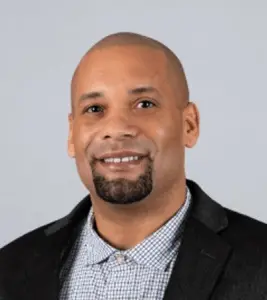
General Manager
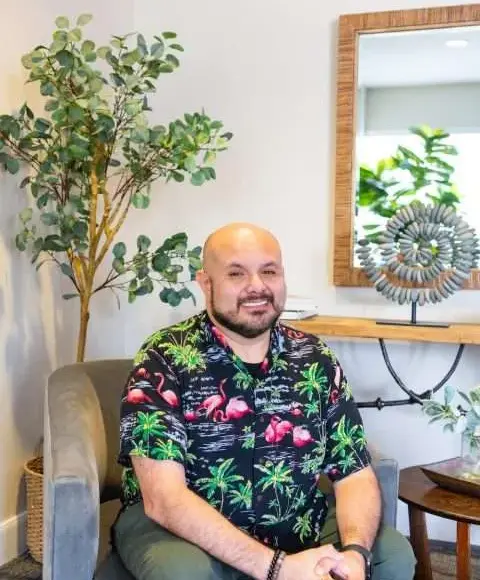
Clinical Manager

LegitScript has reviewed Taylor Recovery Sober Living Center as part of their certification program, and has determined that it meets the LegitScript standards for legality, safety and transparency.
LegitScript verified in

The Joint Commission, formerly known as JCAHO, is a nonprofit organization that accredits rehab organizations and programs. Founded in 1951, the Joint Commision's mission is to improve the quality of patient care and demonstrating the quality of patient care.
Joint Commission Accreditation: Yes
Rehab.com regularly reviews this listing for accuracy but changes may occur between updates. For the most up-to-date information, please contact Taylor Recovery Sober Living Center.

5711 Lavender St
Houston, TX 77026
Sponsored Helpline

Don’t ever come here and don’t be fooled by what they are allowing you to do. Phones, computers, pets etc! If you are serious about your recovery and don’t want to see anyone under the influence you will! Clients leave and return under the influence and the staff picks and chooses who they want to actually help! If you’re not a favorite client you won’t get the help you need! SAVE YOUR MONEY!! Also they will ask you to go to Lavendar DONT DO IT! It’s in the middle of a drug infested area and the woman who runs it also has favoritism you will see when you arrive!! Don’t trust the good reviews!!

Took my son on a Monday and he called me Sunday to go get him. They discharged him saying he left campus but never showed cameras, they searched him and he had nothing on him. He was really upset cause he actually liked it there. So they kicked him out in the pouring rain and he had to sit at the corner store with his bags on medication. They sent him home with his meds and he seems worse. Such a nightmare, I’ve called to talk to court and he was supposed to send me number of guy that was on duty that night and he didn’t send anything.

Hello everyone who is interested in getting clean and Serene, this is a wonderful place I personally have been here since August 2025.... As for staff our community is all about finding ur self again personally and mind and strength that u have covered up and hided for a long time ... It's very up lifting and shows ur boundaries, respect for others most of all you SELF, and just to take a break and breath from the struggles you are dealing with.. Dogs, cats r here also so the more the merrier.... Come get the support u need to start over and rebuild your self!!! Pearl Marie P.s. we do fileld trips too..💪🤗😊😎💞 Just keep it 💯👌 and make it ❤️💙💚🩵🫂 (🙊🙉🙈)

Love this place. The staff has been outstanding. They follow through with requests the clients make. All around a good healthy community. Lots of great time and things to learn throughout the journey of sobriety
 Back
Back
Sharing your insights and experiences can help others learn more about this rehab center.