Ashwood Recovery – Outpatient
1
Top 10 Rehab Centers In Boise



















































































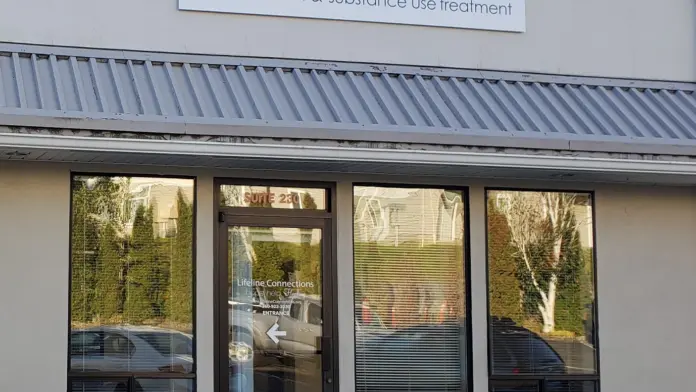
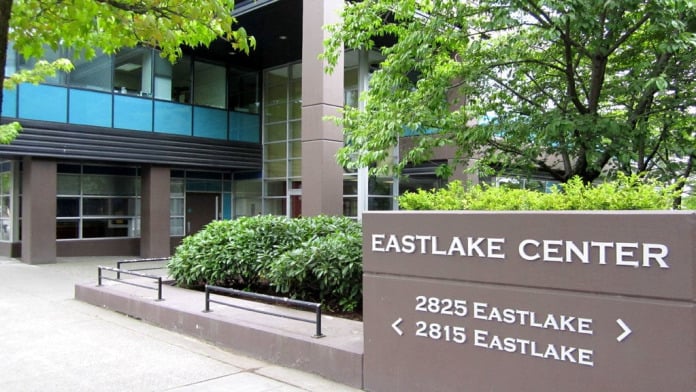
Lifeline Connections Bellingham Office is a CARF-accredited nonprofit behavioral health organization providing outpatient substance use and mental health treatment in Bellingham, WA. Since 1962, Lineline Connections as been working with individuals 16 years and older.
Lifeline Connections specializes in outpatient substance use disorder treatment with integrated mental health care for adults and youth ages 16 and older. Their MAT Rapid Response program offers walk-in hours for those seeking Buprenorphine or Naltrexone treatment.
The facility has open access assessments Monday through Thursday without a prior appointment.
Treatment combines evidence-based therapies including cognitive behavioral therapy, relapse prevention, and peer support services to address co-occurring disorders with practical recovery tools.
Lifeline Connections is one of only a few addiction treatment programs in the country offering services for deaf and hard of hearing individuals. ASL-fluent counselors provide culturally competent care, helping address a critically underserved population in behavioral health treatment.
Lifeline Connections has telehealth options available and the staff can help discuss payment and insurance options. The facility accepts WA Apple Health, Medicare, TRICARE, private insurance, and charity care.

 16
16 
 Our Methodology


Private insurance refers to any kind of healthcare coverage that isn't from the state or federal government. This includes individual and family plans offered by an employer or purchased from the Insurance Marketplace. Every plan will have different requirements and out of pocket costs so be sure to get the full details before you start treatment.
Self-pay involves paying for treatment out of your own pocket. You can use savings or credit, get a personal loan, or receive help from family and friends to fund your treatment. If you don't have insurance or your insurance plan doesn't cover a specific program, self-pay can help ensure you still get the care you need.
Military members, veterans, and eligible dependents have access to specific insurance programs that help them get the care they need. TRICARE and VA insurance can help you access low cost or no cost addiction and mental health treatment. Programs that accept military insurance often have targeted treatment focused on the unique challenges military members, veterans, and their families face.
Medicaid is a state based program that helps lower-income individuals and families pay for healthcare. Medicaid covers addiction treatment so those enrolled can use their coverage to pay for rehab. When a program accepts Medicaid the client often pays very little or nothing out of their own pocket.
Outpatient Programs (OP) are for those seeking mental rehab or drug rehab, but who also stay at home every night. The main difference between outpatient treatment (OP) and intensive outpatient treatment (IOP) lies in the amount of hours the patient spends at the facility. Most of the time an outpatient program is designed for someone who has completed an inpatient stay and is looking to continue their growth in recovery. Outpatient is not meant to be the starting point, it is commonly referred to as aftercare.
A combined mental health and substance abuse rehab has the staff and resources available to handle individuals with both mental health and substance abuse issues. It can be challenging to determine where a specific symptom stems from (a mental health issue or an issue related to substance abuse), so mental health and substance abuse professionals are helpful in detangling symptoms and keeping treatment on track.
Adult rehab programs include therapies tailored to each client's specific needs, goals, and recovery progress. They are tailored to the specific challenges adult clients may face, including family and work pressures and commitments. From inpatient and residential treatment to various levels of outpatient services, there are many options available. Some facilities also help adults work through co-occurring conditions, like anxiety, that can accompany addiction.
Young adulthood can be an exciting, yet difficult, time of transition. Individuals in their late teens to mid-20s face unique stressors related to school, jobs, families, and social circles, which can lead to a rise in substance use. Rehab centers with dedicated young adult programs will include activities and amenities that cater to this age group, with an emphasis on specialized counseling, peer socialization, and ongoing aftercare.
One goal of family therapy is to provide a platform where members have a safe place to talk about the challenges that addiction has created in their lives. Using guided sessions, therapists help individual family members develop healthy communication skills and address unresolved issues between themselves to support their loved one's sobriety.
Group therapy is a safe space that offers you a confidential environment to openly discuss your challenges with addiction and the progress you're making without fear of judgment. Group therapy participants share responsibility for recovery, which fosters a collective commitment to sobriety.
Individual therapy sessions for drug and alcohol addiction treatment emphasize the importance of personalized care. Your therapist works with you to understand your unique life experiences and develop effective coping mechanisms to address your underlying issues. This comprehensive approach to recovery is the foundation of drug rehab.

President & CEO

CFO

COO

Chief Clinical Officer
VP of Quality Assurance & Corporate Compliance

The Commission on Accreditation of Rehabilitation Facilities (CARF) is a non-profit organization that specifically accredits rehab organizations. Founded in 1966, CARF's, mission is to help service providers like rehab facilities maintain high standards of care.
CARF Accreditation: Yes
Rehab.com regularly reviews this listing for accuracy but changes may occur between updates. For the most up-to-date information, please contact Lifeline Connections.

4120 Meridian St.
Ste. 220
Bellingham WA, 98226
Sponsored Helpline

I lost my benefits with DSHS because this office failed to send my records, TWICE. Now I've been shorted $250 in my benefits because of this, and it's my only income. I ended up having to get my records directly from a medical records clerk in another location and upload them myself. I am disabled with cognitive impairments, so this was a heavy burden. My assessment was a pleasant experience. The lack of follow through in procedure failed me.

Heidi IS AWFUL! So rude, so unkind and definitely doesn't know how to treat people with dignity, empathy and respect. She arrived LATE and then let me know they were going to bill me an extra 50$. She didn't pay attention to me or care about what I had to say AT ALL. She made me feel like a burden. HEIDI SHOULD NOT WORK THERE!!! RUDE, SNOBBY, UNPROFESSIONAL


Quick to help by any means necessary, and can be a bit dangerous when trying medication on patients recently diagnosed with conditions.... Systems are screwy to say the least, and several professionals have mentioned this, and i will be getting reevalted soon as its been a year since my ptsd and depression diagnosis. Otherwise great people putting their best foot forward. (Im hoping they don't screw me over before it comes time for MEPS)
 Back
Back
Sharing your insights and experiences can help others learn more about this rehab center.