





























































































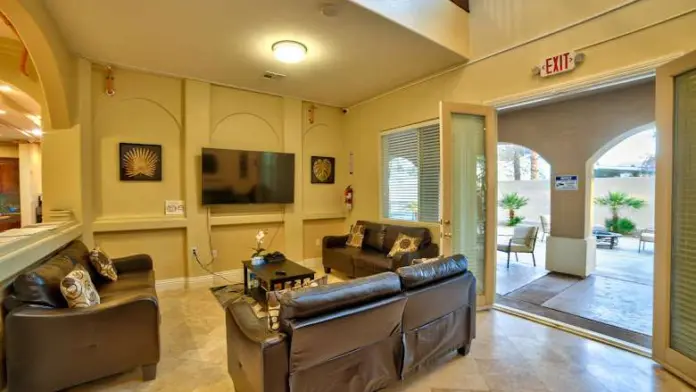


Not sure why it says that they take both Medicare and Medicaid on here but they definitely do not, so just be aware of that when checking them out. And I’m not sure why I have to put a minimum of 200 characters but that’s the only reason why I’m writing what I am writi ...
About Luxe Treatment Center – Las Vegas
Medical detox is the safest way for a client’s body to remove illicit substances, and for many clients, it is required to start treatment. During detox, clients reside at the facility under the care of medical staff, who help clients cope with withdrawal symptoms through therapy and medication. Clients also engage in education and therapy groups to prepare for the remainder of their treatment.
Inpatient treatment is a high level of care designed for clients with severe symptoms. Clients reside at the facility during their treatment plan, which can last a few weeks or several months, where they can be monitored and supported by staff 24 hours a day. Clients in the residential treatment plan do not leave the facility while in the program.
Clients work alongside a personal care team to develop a treatment plan that best meets their needs. Luxe uses therapy (in individual, group, and family settings) and education groups to teach clients about addiction, explore their addictions and associated behaviors, and develop coping skills. Luxe specializes in humanistic therapies like music therapy, art therapy, yoga, and physical training alongside traditional counseling.
The outpatient program is the next level of care following inpatient care. Clients live at home during outpatient care and visit the facility on a regular schedule to participate in treatment and undergo assessments. Outpatient care can be used as a transitional step following inpatient care but is also used independently by clients with mild symptoms.
MAT combines evidence backed treatment with medications approved for curbing cravings and withdrawal symptoms. MAT is commonly used when treating opioid disorders. MAT helps clients overcome distracting and disruptive symptoms to make them more receptive to treatment.
Clients with an addiction and a mental illness diagnosis can receive dual diagnosis care. This type of treatment expands on therapeutic methods to target the symptoms of both problems at the same time. Dual diagnosis can greatly reduce the risk of relapse.
Latest Reviews
I stayed with Luxe for 40+ days and i can only say good things. The director and therapist(s) are experienced and actually care. The techs are awesome. The nurses and doctors are all amazing and provided me with some of the best healthcare I’ve experienced. A lot of the staff is in recovery also with lots of clean time. Oh, and unlike many other treatment centers, the contact person actually is honest about what you can expect!
Thank you everyone at Luxe!
Thank you for taking the time to share your experience! We’re so glad to hear that your stay at Luxe made a positive impact. Our team truly cares about each person who comes through our doors, and it’s great to know that you felt supported by our staff, nurses, and therapists. We take pride in offering honest, compassionate care at our drug rehab in Las Vegas, and your feedback means the world to us. Wishing you continued success in your recovery journey!
Response from the owner1 week ago
Hi Matthew,Thank you for taking the time to share your experience! We’re so glad to hear that your stay at Luxe made a positive impact. Our team truly cares about each person who comes through our doors, and it’s great to know that you felt supported by our staff, nurses, and therapists. We take pride in offering honest, compassionate care at our drug rehab in Las Vegas, and your feedback means the world to us. Wishing you continued success in your recovery journey!
My name is Lily and my time here was great. Patricia was very helpful throughout my time here; she is like a second mother to me. All the staff here are great, as was my experience, yes.
Luxe Treatment Center is of the finest recovery centers in the country. Amazing!
Response from the owner9 months ago
Thank you, Sandy, for the kind words and for taking the time to leave a review for our Las Vegas drug rehab center. Love the pictures so much! We are so proud of you and wish you the best of luck in the future! 
Rehab Score
 Our Methodology
Scoring is assigned by a proprietary system which helps surface key metrics that determine quality. The 10-point scale factors in categories such as operations, customer satisfaction, and trust metrics. Read Full Methodology

8.3 / 10
Gallery


Other Forms of Payment
Private insurance refers to any kind of healthcare coverage that isn't from the state or federal government. This includes individual and family plans offered by an employer or purchased from the Insurance Marketplace. Every plan will have different requirements and out of pocket costs so be sure to get the full details before you start treatment.
Self-pay involves paying for treatment out of your own pocket. You can use savings or credit, get a personal loan, or receive help from family and friends to fund your treatment. If you don't have insurance or your insurance plan doesn't cover a specific program, self-pay can help ensure you still get the care you need.
Medicare is a federal program that provides health insurance for those 65 and older. It also serves people under 65 with chronic and disabling health challenges. To use Medicare for addiction treatment you need to find a program that accepts Medicare and is in network with your plan. Out of pocket costs and preauthorization requirements vary, so always check with your provider.
Medicaid is a state based program that helps lower-income individuals and families pay for healthcare. Medicaid covers addiction treatment so those enrolled can use their coverage to pay for rehab. When a program accepts Medicaid the client often pays very little or nothing out of their own pocket.
Military members, veterans, and eligible dependents have access to specific insurance programs that help them get the care they need. TRICARE and VA insurance can help you access low cost or no cost addiction and mental health treatment. Programs that accept military insurance often have targeted treatment focused on the unique challenges military members, veterans, and their families face.
Addiction Treatments
Levels of Care
Outpatient rehabs provide addiction treatment aligned with clients' unique schedule and evolving needs. Many programs offer evening, night, morning, and weekend services to accommodate clients who are working professionals or full-time caregivers. They also provide a full continuum of care, including psychotherapy, recovery-focused life skills training, and, for clients in alcohol and/or opioid recovery, medication assisted treatment (MAT).
Residential treatment programs are those that offer housing and meals in addition to substance abuse treatment. Rehab facilities that offer residential treatment allow patients to focus solely on recovery, in an environment totally separate from their lives. Some rehab centers specialize in short-term residential treatment (a few days to a week or two), while others solely provide treatment on a long-term basis (several weeks to months). Some offer both, and tailor treatment to the patient's individual requirements.
Clients receiving addiction treatment in an intensive outpatient program (IOP) typically have completed inpatient rehab or have chosen to forgo hospitalization following detox. The high-level care provided by intensive outpatient rehabs is particularly suited to clients in early recovery, those in crisis, and those at an elevated relapse risk. Clients engage in nine to 20 hours of treatment per week on average. Common services include psychotherapy, recovery education, holistic therapies, and medication assisted treatment (MAT).
Clients receiving services in a rehab aftercare program are typically in the maintenance phase of their recovery, having already completed intensive inpatient treatment. These clients are generally strongly engaged in addiction counseling and recovery-focused life skills training. Case managers and care teams work with clients to identify and access the medical, mental health, and social service programs they need to promote long-term sobriety. Rehab aftercare services often include peer coaching, relapse prevention, and 12 step program induction.
Participants in 12 step programs receive intensive peer support, including one-on-one mentoring from a self-selected sponsor. They also regularly participate in 12 step meetings, which are free, anonymous, open to the public, and available multiple times a day in most communities. The steps of recovery involve spiritual principles designed to enable participants to address the sources of their addiction, take responsibility for their life choices, and accept the circumstances they cannot change.
The goal of a drug intervention in Nevada is to encourage the individual to make positive changes and accept professional treatment. Friends and family typically do this carefully planned process, in collaboration with intervention services. A professional such as a drug counselor or certified interventionist can lead the discussion and provide guidance for next steps.
One of the top benefits of 24-hour clinical care in Nevada is the ability to safely withdraw from alcohol or drugs. This supervised setting lowers the risk of life-threatening complications that can occur as a result of withdrawal. Medical staff provide constant monitoring of your health, so you receive immediate treatment for any symptoms. This medically supervised detox is much safer and comfortable than trying to detox at home.
Ridding your body of alcohol and drugs in a medically supervised environment is known as medically supervised detox. During this period of inpatient care, you are monitored by a team of medical professionals whose job it is to help keep you as safe and comfortable as possible while addressing any withdrawal symptoms. Medically supervised detox is typically the first step in the recovery process, and usually takes an average of 5-7 days.
Programs
Adult rehab programs include therapies tailored to each client's specific needs, goals, and recovery progress. They are tailored to the specific challenges adult clients may face, including family and work pressures and commitments. From inpatient and residential treatment to various levels of outpatient services, there are many options available. Some facilities also help adults work through co-occurring conditions, like anxiety, that can accompany addiction.
Young adulthood can be an exciting, yet difficult, time of transition. Individuals in their late teens to mid-20s face unique stressors related to school, jobs, families, and social circles, which can lead to a rise in substance use. Rehab centers with dedicated young adult programs will include activities and amenities that cater to this age group, with an emphasis on specialized counseling, peer socialization, and ongoing aftercare.
Recovery is most successful when clients feel accepted and validated by their peers and treatment providers. Facilities that offer LGBTQ-inclusive programming are committed to creating a safe space where everyone can grow and recover without fear of judgment or discrimination. They will have dedicated policies in place to create a safe and supportive environment that fosters free expression.
Clinical Services
Cognitive Behavioral Therapy (CBT) is a therapy modality that focuses on the relationship between one's thoughts, feelings, and behaviors. It is used to establish and allow for healthy responses to thoughts and feelings (instead of unhealthy responses, like using drugs or alcohol). CBT has been proven effective for recovering addicts of all kinds, and is used to strengthen a patient's own self-awareness and ability to self-regulate. CBT allows individuals to monitor their own emotional state, become more adept at communicating with others, and manage stress without needing to engage in substance abuse.
If you're experiencing substance use disorder, dialectical behavior therapy in Nevada can help you reduce cravings, learn healthier ways to manage stress, and avoid situations that can lead to substance abuse. Treatment includes one on one sessions with your therapist as well as group sessions to practice the skills you're learning.
Group therapy opportunities in Nevada allow you to see how successful recovery behaviors are modeled by your peers. You learn conflict resolution skills and are empowered to recognize your strengths and overcome your addiction.
Individual therapy provides you with a confidential setting to explore the complex factors that contribute to drug and alcohol addiction. Your therapist can provide tailored support and help you develop healthy coping strategies, improve self control, and build a foundation for sustainable sobriety.
Research shows that motivational interviewing is an effective approach for individuals who are unprepared for change. They may be resistant to change or simply insecure in their abilities to make changes. This therapeutic method allows clients to explore their options, reach their own conclusions, and feel empowered to make changes.
Trauma therapy uses trauma focused care to help you understand and manage your emotional and physical responses. Using therapeutic interventions, you learn to reframe the experience. This helps to reduce your anxiety and build your resilience to face future challenges and gain control over your life.
Sessions for couples therapy may involve joint meetings with the counselor as well as individual sessions. Between sessions, both partners are asked to do "homework," which involves practicing the insights and behaviors they learned about during therapy.
During family therapy sessions, your therapist facilitates discussions that help members of the family unit understand addiction and how it affects the entire family, providing you with coping strategies that help to strengthen the family unit.
A diet packed with nutrients is crucial for combatting addiction. The right foods give you the energy you need for success in therapy and daily tasks. Nutrition therapy during rehab will help you get these nutrients and learn how to follow a healthy dietary plan long term.
Creativity is inherently healing, and can help those in recovery express thoughts or feelings they might not otherwise be able to. Creative arts therapy can include music, poetry/writing, painting, sculpting, dance, theater, sandplay, and more. Unlike traditional art, the final product matters far less than the experience of creation and expression itself.
Participating in experiential therapy allows you to directly experience your emotions. You'll focus on the experience, such as animal care, music, drama, or art, to identify emotions and how they affect your behavior. With these insights, you can develop proactive methods to cope with challenges in the future.
Amenities
-
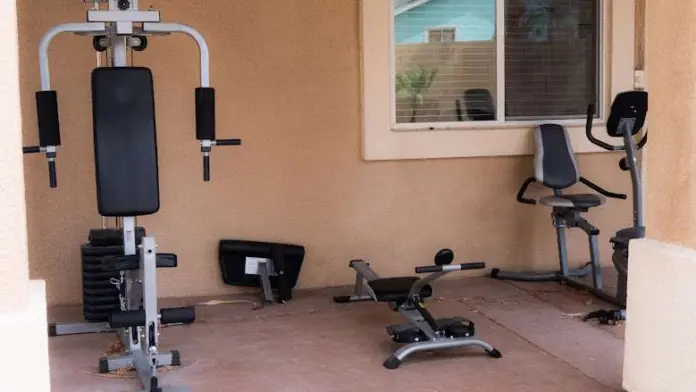
 Gym
Gym -
 Yoga Studio
 -
 Residential Setting
 -
 Private Rooms
 -
 Hiking
 -
 Mountain Views
 -
 Walking Trails
Staff & Accreditations
Staff

Andrew Ramirez
Clinical Director

Armineh Rose
Supervisor
Accreditations

The Commission on Accreditation of Rehabilitation Facilities (CARF) is a non-profit organization that specifically accredits rehab organizations. Founded in 1966, CARF's, mission is to help service providers like rehab facilities maintain high standards of care.
CARF Accreditation: Yes

State Licenses are permits issued by government agencies that allow rehab organizations to conduct business legally within a certain geographical area. Typically, the kind of program a rehab facility offers, along with its physical location, determines which licenses are required to operate legally.
State License: Nevada

The Joint Commission, formerly known as JCAHO, is a nonprofit organization that accredits rehab organizations and programs. Founded in 1951, the Joint Commision's mission is to improve the quality of patient care and demonstrating the quality of patient care.
Joint Commission Accreditation: Yes
Rehab.com regularly reviews this listing for accuracy but changes may occur between updates. For the most up-to-date information, please contact Luxe Treatment Center – Las Vegas.
Contact Information

4845 N. Riley St.
Las Vegas, NV 89149
Get Help Now - 725-291-2755
Sponsored Helpline
Sponsored Helpline



