





























































































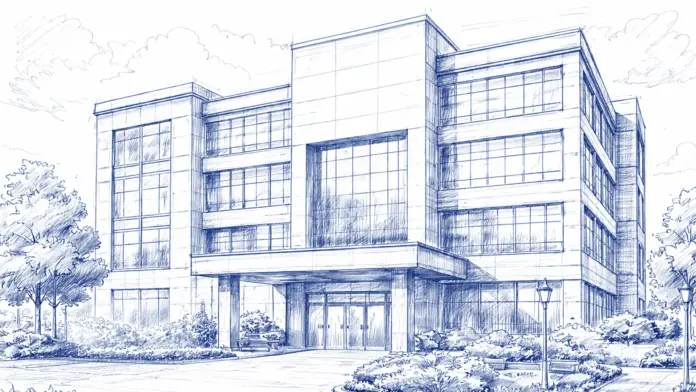
About Merced Behavioral Center
Merced Behavioral Center, located in Merced, California is a licensed skilled nursing facility that provides services to adults that address areas such as severe mental health disorders and co-occurring substance use disorders. In existence since 1973, I’m impressed that this 96-bed entity has been awarded with a score of five stars by the Department of Public Health Services.
I like Merced Behavioral Center because they care for your basic needs and they also work hard to help you to achieve the fullest recovery possible from whatever diagnoses you’re facing.
Recovering in Merced
The facility is located in central Merced, close to Merced High School and other resources to support your recovery and wellness. Their proximity to local parks such as Merced’s City Parks system and Applegate Park and Zoo, can provide you with some great opportunities for rest and relaxation.
If you enjoy a culture scene, you’ll be only a quick drive away from the downtown area, where you can find the Merced County Courthouse Museum and the Multicultural Arts Center. There’s also medical facilities and local worship centers, to give you even more paths to recreation and community engagement.
Financing and Access to Care
Your care at Merced Behavioral Center may be instated and funded through mental health departments such as county behavioral health. They staff a Business Office Manager who you can go to and fully discuss all of your billing and financial concerns with.
If you’re interested or if you have pressing questions, you’re encouraged to place a quick call to the facility and schedule a meeting through the receptionist. They’ll be happy to assist you with completing all paperwork and will explain everything you need to know about the insurance options they accept.
Facility Overview
 96
96 Latest Reviews



Rehab Score
 Our Methodology


Location
Other Forms of Payment
Private insurance refers to any kind of healthcare coverage that isn't from the state or federal government. This includes individual and family plans offered by an employer or purchased from the Insurance Marketplace. Every plan will have different requirements and out of pocket costs so be sure to get the full details before you start treatment.
Self-pay involves paying for treatment out of your own pocket. You can use savings or credit, get a personal loan, or receive help from family and friends to fund your treatment. If you don't have insurance or your insurance plan doesn't cover a specific program, self-pay can help ensure you still get the care you need.
Addiction Treatments
Levels of Care
Residential treatment programs are those that offer housing and meals in addition to substance abuse treatment. Rehab facilities that offer residential treatment allow patients to focus solely on recovery, in an environment totally separate from their lives. Some rehab centers specialize in short-term residential treatment (a few days to a week or two), while others solely provide treatment on a long-term basis (several weeks to months). Some offer both, and tailor treatment to the patient's individual requirements.
Treatments
Mental health rehabs focus on helping individuals recover from mental illnesses like bipolar disorder, clinical depression, anxiety disorders, schizophrenia, and more. Mental health professionals at these facilities are trained to understand and treat mental health issues, both in individual and group settings.
Programs
Adult rehab programs include therapies tailored to each client's specific needs, goals, and recovery progress. They are tailored to the specific challenges adult clients may face, including family and work pressures and commitments. From inpatient and residential treatment to various levels of outpatient services, there are many options available. Some facilities also help adults work through co-occurring conditions, like anxiety, that can accompany addiction.
Young adulthood can be an exciting, yet difficult, time of transition. Individuals in their late teens to mid-20s face unique stressors related to school, jobs, families, and social circles, which can lead to a rise in substance use. Rehab centers with dedicated young adult programs will include activities and amenities that cater to this age group, with an emphasis on specialized counseling, peer socialization, and ongoing aftercare.
Clinical Services
Experiential therapy is a form of therapy in which clients are encouraged to surface and work through subconscious issues by engaging in real-time experiences. Experiential therapy departs from traditional talk therapy by involving the body, and having clients engage in activities, movements, and physical and emotional expression. This can involve role-play or using props (which can include other people). Experiential therapy can help people process trauma, memories, and emotion quickly, deeply, and in a lasting fashion, leading to substantial and impactful healing.
Research clearly demonstrates that recovery is far more successful and sustainable when loved ones like family members participate in rehab and substance abuse treatment. Genetic factors may be at play when it comes to drug and alcohol addiction, as well as mental health issues. Family dynamics often play a critical role in addiction triggers, and if properly educated, family members can be a strong source of support when it comes to rehabilitation.
Group therapy is any therapeutic work that happens in a group (not one-on-one). There are a number of different group therapy modalities, including support groups, experiential therapy, psycho-education, and more. Group therapy involves treatment as well as processing interaction between group members.
In individual therapy, a patient meets one-on-one with a trained psychologist or counselor. Therapy is a pivotal part of effective substance abuse treatment, as it often covers root causes of addiction, including challenges faced by the patient in their social, family, and work/school life.
Nutrition therapy, aka medical nutrition therapy (MNT), is a way of treating physical, emotional, and medical conditions through diet. Specific dietary plans are designed by professional nutritionists or registered dietitians, and patients follow them in order to positively affect their physical and mental health.
Staff
Jeri Allgood, MSW, NHA
Administrator
Timothy Johnston, Dr., MD
Medical Director
Austin Bradley, MSN, RN
Director of Nursing
Wes Kelly
Director of Special Treatment Program
Amanda Smith, LVN, IP
Director of Staff Development
Rehab.com regularly reviews this listing for accuracy but changes may occur between updates. For the most up-to-date information, please contact Merced Behavioral Center.
Contact Information

1255 B street
Merced, CA 95341
Sponsored Helpline



