Sponsored Helpline










Recovery Unplugged Nashville Drug & Alcohol Rehab
1
Top 10 Rehab Centers In Brentwood




















































































Explore the top rated Kansas City drug rehabs with confidence. We've analyzed each of the 56 addiction treatment centers in Kansas City, MO for patient reviews, clinical credentials, transparency, and brand reputation to identify the best rehab programs.
Filter by inpatient, outpatient, detox, health insurance, specialty program and more to quickly find the best drug and alcohol rehab in Kansas City.Our Methodology
 Rehab Score
Our Rehab Score is designed to make it easier for you to find the best treatment centers. We combine overall ratings with recent feedback to create a score that reflects a center's quality right now.
.
Rehab Score
Our Rehab Score is designed to make it easier for you to find the best treatment centers. We combine overall ratings with recent feedback to create a score that reflects a center's quality right now.
.

| Name / Address / Rating | Description | Treatments / Programs / Payment Options | Review / Contact | Images |
|---|---|---|---|---|
1
Top 10 Rehab in Kansas City
Rehab Score
Our Rehab Score is designed to make it easier for you to find the best treatment centers. We combine overall ratings with recent feedback to create a score that reflects a center's quality right now.
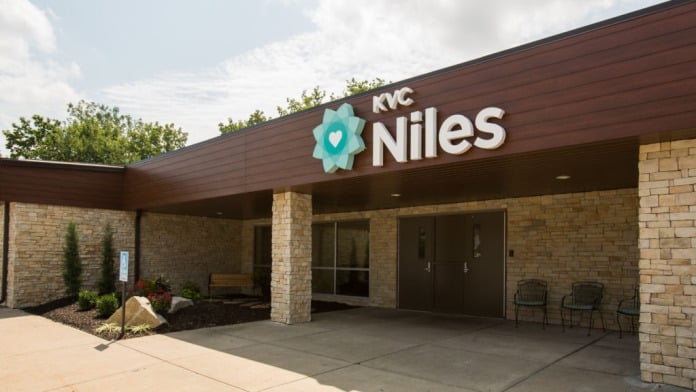
8.16 / 10 | KVC Missouri Niles Residential & Academy in Kansas City, Missouri, is a nurturing setting that provides a wide range of services and programs in Kansas City, Missouri, and the surrounding area. With a focus on families, they support children and adolescents with substance use disorders and serious emotional disturbances. They also support indiv | Treatments Programs Payment Options  Alcoholism Alcoholism Drug Addiction Drug Addiction Dual Diagnosis Dual Diagnosis Mental Health and Substance Abuse Mental Health and Substance Abuse Opioid Addiction Opioid Addiction Substance AbuseMental Health Substance AbuseMental Health  Adult Program Adult Program LGBTQ Program LGBTQ Program Military Program Military Program Teen Program Teen Program Child Program Child Program  Private Insurance Private Insurance Self-Pay Options Self-Pay Options Financial Aid Financial Aid Medicaid Medicaid Military Insurance Military Insurance | 
Very professional, and great customer service
Melody N Gordon
7 months ago

Great organization, doing amazing work!
Marcie Randle
7 months ago

The staff at Niles has been a huge help
Brent Clark
7 months ago
| 
2 
|
2
Top 10 Rehab in Kansas City
Rehab Score
Our Rehab Score is designed to make it easier for you to find the best treatment centers. We combine overall ratings with recent feedback to create a score that reflects a center's quality right now.
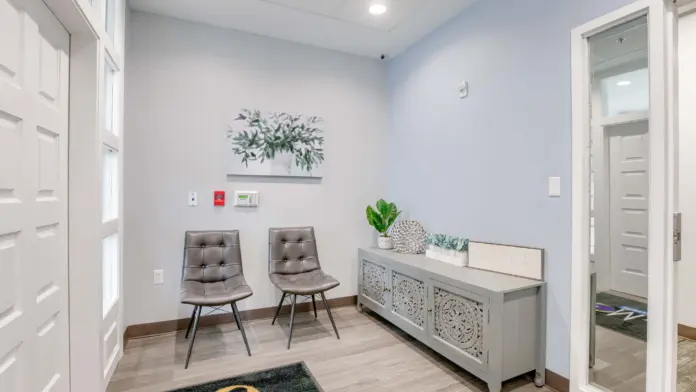
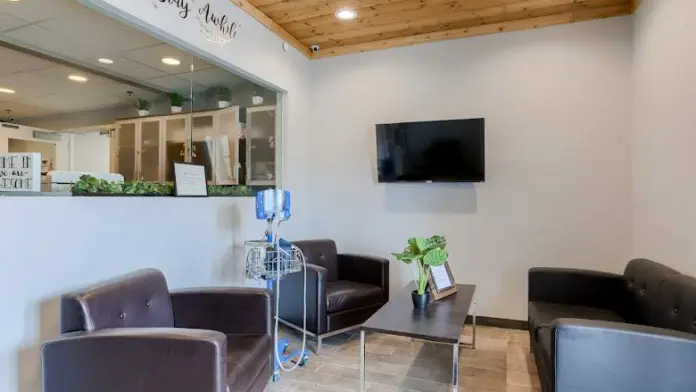
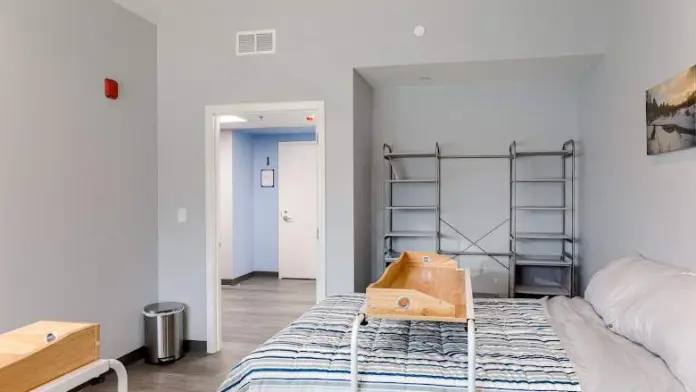
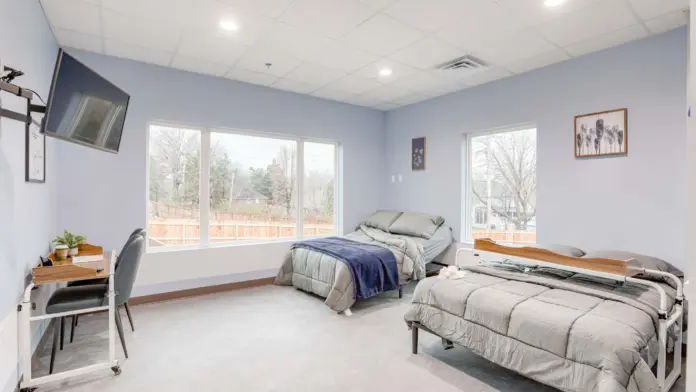
7.91 / 10  Claimed Claimed | Midwest Recovery is a full service alcohol and drug addiction recovery facility in Kansas City, Missouri. Midwest Recovery provides multi-phase treatment plans that meet adult clients where they are in recovery and guide them through a comprehensive, individualized program. This is a private facility with homelike amenities. Midwest Recovery us | Treatments Programs Payment Options AlcoholismDrug AddictionDual DiagnosisOpioid AddictionSubstance AbuseMental Health And Substance AbuseMental Health Adult Program Young Adult Program Private insuranceSelf-Pay Options Young Adult Program Private insuranceSelf-Pay Options | 
I was in their IOP. The staff and our group therapist were amazing. The group therapist was so kind and encouraging and was really good at including the entire group in conversation. I am forever grateful to them for everything I have learned. Also Heartland is a wonderful team to work with on the medical side. I did TMS for depression with them and I have to say this is the first time in a long time I don’t feel that constant heaviness and hopelessness anymore. Thank you MRC for all you have done for me. Keep up the great work!!!!!
Rachel Campbell
1 week ago

This place has truly changed my life, and it just dawned on me 5 months after completing the program.
Sorry in advance for the long post.
I started the MRC program around February 2026 for severe anxiety and depression. I was in a dark place, with no support from family or friends, and honestly I didn't think anything was going to help me at that point. The first day I arrived the staff were very welcoming but my anxiety was through the roof. I pretty much stayed in my room and only came out for meds and food too scared to really talk to anyone.
As the weeks went by, I started getting comfortable then realized my peers were literally going through the same thing I was same with the staff, some of whom had gone through the same program themselves It gave me motivation if they could do it I could do it too. One of the things I struggled with was my schedule. It got so bad it started bleeding into everything like one day I'd sleep at 9pm, the next at 1pm, then I wouldn't sleep at all for three days straight. When I got there I kept missing classes because I was oversleeping or straight up refusing to wake up, so I got a warning that my phone would be taken away. That scared me straight that's when I finally got my shit together lol.
Now 5 months later I had lost my job, totaled my car and pretty much everything I owned. A year ago that would've completely broken me. But I was okay. And that was the part that surprised me the most all this time I'd been chasing something that never had any real value to me in the first place. The job was good money sure but it brought me zero happiness. Working 90 hours a week was actively making my depression worse and I didn't even see it happening until I was already in here fighting to get my mind back. So when the termination letter came yesterday there was sadness but there was relief too. That job had become my whole identity a false one built on something that was quietly destroying me.
Now today at 8am instead of frantically getting ready for a job that only made me miserable I'm sitting outside bird watching and reading a magazine like I'm 70 years old lol. And that's the lesson that took me almost losing everything to learn chasing something that has no real value to you personally will wear you down piece by piece until there's nothing left. I'm just grateful I got to learn that here instead of losing myself completely over it.
Thank you MRC ❤️
Mohamed
2 weeks ago

Sean rules
James Rumsey
2 months ago
| 
6 6 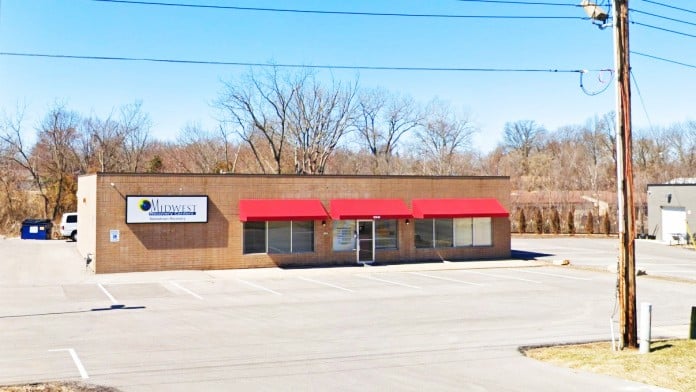
|
3
Top 10 Rehab in Kansas City
Rehab Score
Our Rehab Score is designed to make it easier for you to find the best treatment centers. We combine overall ratings with recent feedback to create a score that reflects a center's quality right now.
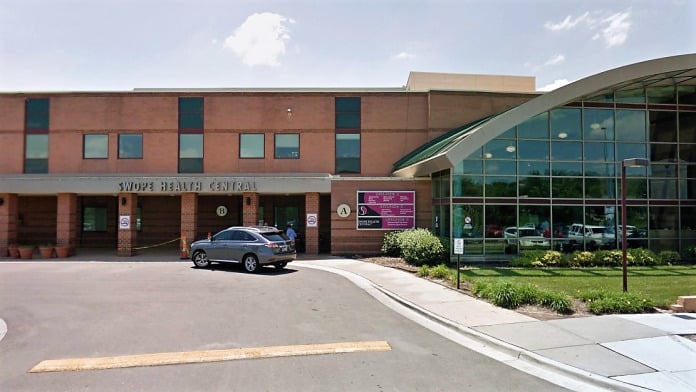
7.77 / 10 | Swope Health Services - Behavioral in Kansas City, Missouri, is a healthcare center that focuses on primary care, kid’s care and behavioral health services. They offer treatment for patients struggling with substance use disorders, mental health disorders, extreme stress and trauma. The clinic provides outpatient services for children and adults. | Treatments Programs Payment Options AlcoholismDrug AddictionMental Health and Substance AbuseOpioid AddictionSubstance Abuse Adult ProgramYoung Adult ProgramLGBTQ ProgramMilitary ProgramTeen ProgramChild Program MedicaidPrivate insuranceSelf-Pay OptionsFinancial Aid Sliding Scale Payment Assistance Sliding Scale Payment Assistance MedicareMilitary InsurancePrivate Insurance+1 MedicareMilitary InsurancePrivate Insurance+1 | 
The people who heard my story helped me in a very short period of time.
Тарас Чукор
2 weeks ago

As always professional and kind
Tandy Slane
3 weeks ago

Bright eyed staff ⚕️
Joshua Bartley
1 month ago
| 
|
4
Top 10 Rehab in Kansas City
Rehab Score
Our Rehab Score is designed to make it easier for you to find the best treatment centers. We combine overall ratings with recent feedback to create a score that reflects a center's quality right now.
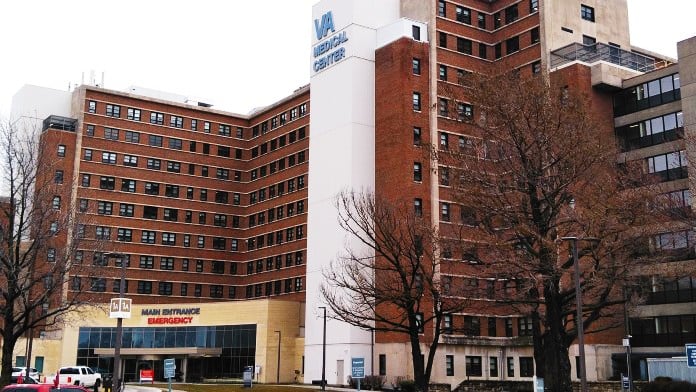
8.25 / 10 | Kansas City VA Medical Center is a substance use treatment facility in Kansas City, Missouri exclusively serving military veterans and eligible dependents. The center offers a full continuum of addiction care with reviewers describing the staff as friendly and helpful, particularly when assisting veterans transitioning to care at this location. Det | Treatments Programs Payment Options AlcoholismDrug AddictionDual DiagnosisMental Health and Substance AbuseOpioid Addiction Adult ProgramYoung Adult ProgramLGBTQ ProgramMilitary Program Private InsuranceSelf-Pay OptionsFinancial AidMilitary InsuranceMedicaidMedicare | 
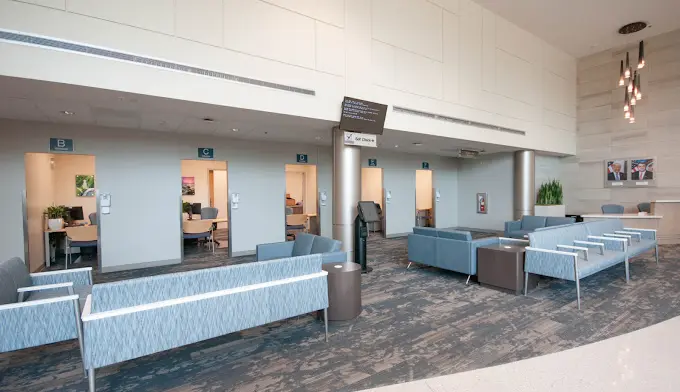
KANSAS CITY VETERANS ADMINISTRATION MEDICAL CENTER, ON LINWOOD, KANSAS CITY, MO, IS AN ENORMOUS MEDICAL AND HOSPITAL BUILDING with sections under construction around the building and throughout the enterior. Vast parking in outside sectional lots AND an enclosed parking building, with long walkways to a WHEELCHAIR ACCESSIBLE ENTRANCE, referred to as the VALOR BUILDING. TOTAL TREATMENT AREAS BY APPOINTMENT. MUST DO A LOT OF WALKING, in an electric wheelchair, walker, cane, if needed. 1st floor Veteran can acquire a VA MEDICAL CARD with valid DD214 on file. 2 separate Specialized Buildings on "VA" acreage. 8-7-2026. Mgb.
Mary Grace Boreen
1 month ago

I recently visited the pharmacy at the VA. Everyone I met with was super friendly and professional!
Julie Combs
1 month ago

Friendly staff
Eric Underwood
2 months ago
| 
3 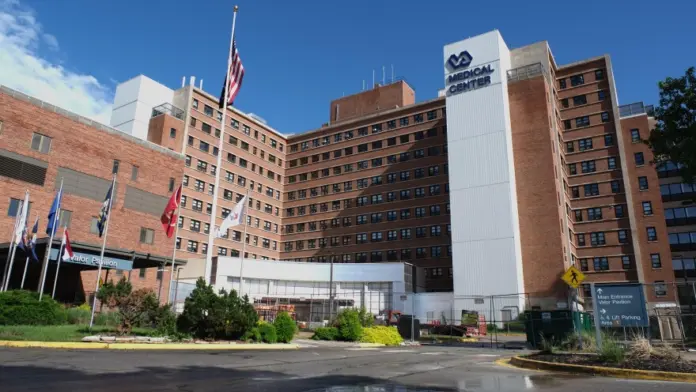
|
5
Top 10 Rehab in Kansas City
Rehab Score
Our Rehab Score is designed to make it easier for you to find the best treatment centers. We combine overall ratings with recent feedback to create a score that reflects a center's quality right now.
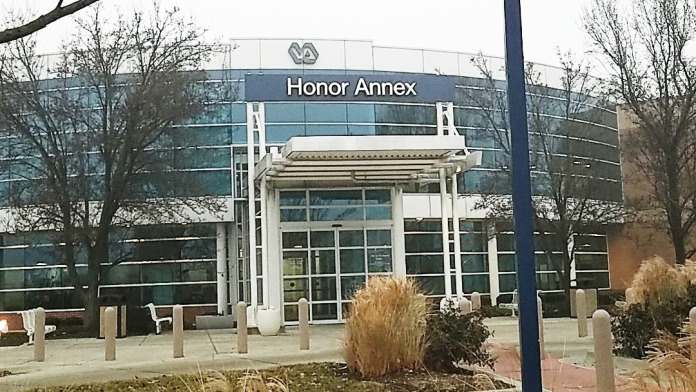
8.39 / 10 | You’ll find Honor VA Clinic in Kansas City, Missouri. This clinic lives up to its name by offering timely, person centered and quality healthcare that truly honors veterans. An overwhelming majority of past patients had beautiful things to say about the clinic. These range from their amazing and highly efficient staff to their clean environment a | Treatments Programs Payment Options Dual DiagnosisMental Health Adult ProgramLGBTQ ProgramMilitary ProgramYoung Adult Program Self-Pay OptionsFinancial AidMilitary InsurancePrivate insuranceMedicaidMedicare | 
Dr. Demark is a doctor I have seen for 14 years. He is one of the best and one of the only doctors I trust. He is available when needed. His nursing staff has changed over the years but are still very high quality. I wish he would have a full time nurse, but the KCVA does what that think is best. Dr. Demark thank you for being my Dr.
Buzz Saw
3 months ago

K. Johnson of the Honor Annes and her staff, particularly Amy, have always given me the best health care, ever. They never hesitate to provide me care, always.
Danilo Gopez
7 months ago

Very pleased with the services I've received at the VA.
Tim Peters
1 year ago
| 
2 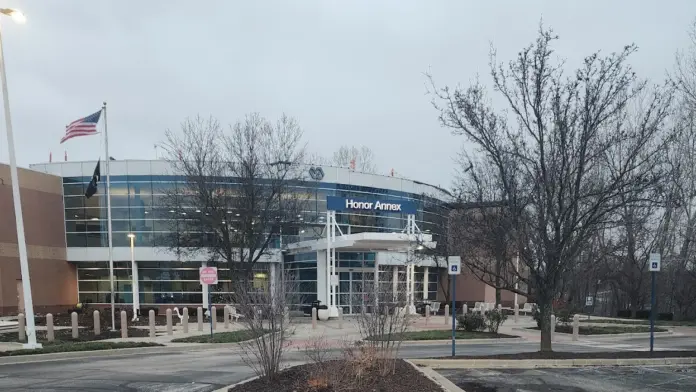
|
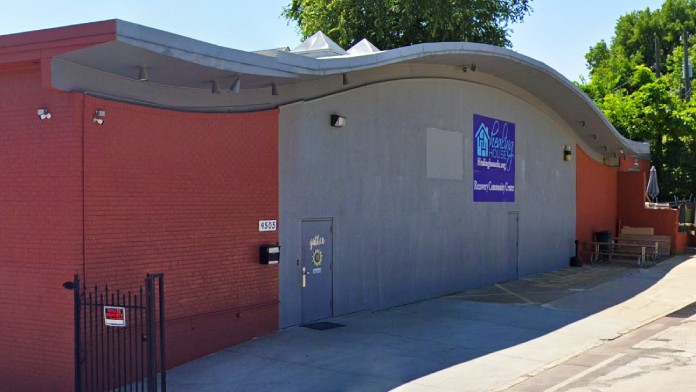
Kansas City, MO | Healing House Inc is a nonprofit recovery organization in Kansas City, Missouri, providing CARF accredited outpatient and intensive outpatient substance use disorder treatment since 2002. The organization serves adults and young adults through ASAM aligned programming, including specialized tracks for veterans, court referred clients, pregnant and | Programs Payment Options Adult ProgramYoung Adult Program Self-Pay OptionsPrivate insuranceFinancial Aid | 
I was at Healing House for 3 months and it was the best thing that I could’ve done. They truly prepare you to be on your own and the counselors and staff are amazing. Bobbi Jo is so passionate about what she does and I feel extremely lucky to have been a part of what she does and having the opportunity the community she created. During my time there, it was very rare to see someone relapse or leave before they were strong enough to be on their own and I feel like that is the most telling thing about Healing House. It’s a safe place that keeps you busy and keeps you on track. ❤️
Karli Baker
5 months ago

Love the mission and the people!
Jason Conley
7 months ago

I would recommend anyone who is in their addiction - who honestly needs and wants the help that is offered at this facility, to just sit still and let the magic happen.
🩵 -Much Love & Respect
Brittney Debo
7 months ago
| 
2 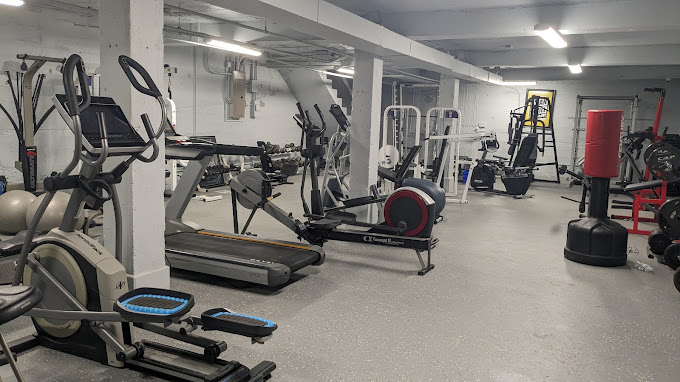
|
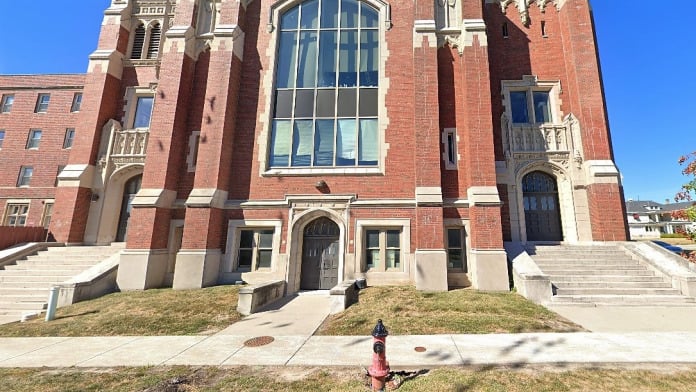
Kansas City, MO | ReDiscover - Woodland Office is a nonprofit center providing community mental health and substance use disorder treatment services for adults and families. They have several locations, one of which is on Woodland Ave in Kansas City, Missouri. The center accepts insurance. They also treat patients who don’t have insurance and offer a sliding fee s | Treatments Programs Payment Options AlcoholismDrug AddictionDual DiagnosisSubstance AbuseOpioid Addiction Adult ProgramYoung Adult ProgramLGBTQ ProgramTeen Program Hearing Impaired Program Private InsuranceSelf-Pay OptionsFinancial AidSliding Scale Payment AssistanceMedicareMedicaid Hearing Impaired Program Private InsuranceSelf-Pay OptionsFinancial AidSliding Scale Payment AssistanceMedicareMedicaid | 
ReDiscover here it's like a burrito.. you bit into it.. you chewing, you may stop at some point, but, you keep on eating cuz you know it's good... The customer service is great!!
Loutinia Owens
2 years ago

Everyone who works for rediscover has a genuine want to help others. They truly care about each and every person who comes through the doors!
Hannah Alley
3 years ago

Nice friendly. Have daycare
Christal Defraties
3 years ago
| 
|
Kansas City, MO | ReDiscover’s South KC Office in Missouri is an accredited drug rehab that supports adults aged 18 and older. They offer residential and outpatient services. Care is also available to individuals with children as well as clients struggling with dual diagnosis and concurrent mental health issues. Most private health insurance plans are accepte | Treatments Programs Payment Options AlcoholismDrug AddictionDual DiagnosisSubstance AbuseOpioid AddictionMental Health Adult ProgramYoung Adult ProgramTeen ProgramChild ProgramHearing Impaired Program Self-Pay OptionsPrivate insuranceMedicaidMedicareSliding Scale Payment AssistancePrivate Insurance | 
I love this place I've been going here since 2016
Pateric Renyer
1 year ago

Great programs they have here at common ground…
Excellent program for older adults. My brother has been going to common ground for 30 plus years. He has outlasted plenty of staff members. The clients are each other’s family members. 😊
Jean Dmitruk
2 years ago

Ashley colt is amazing but I wasn’t a fan of my therapists changing every few months. Therapy is a no go here but my psychiatrist is thoughtful and caring.
Laura Milligan
2 years ago
| |
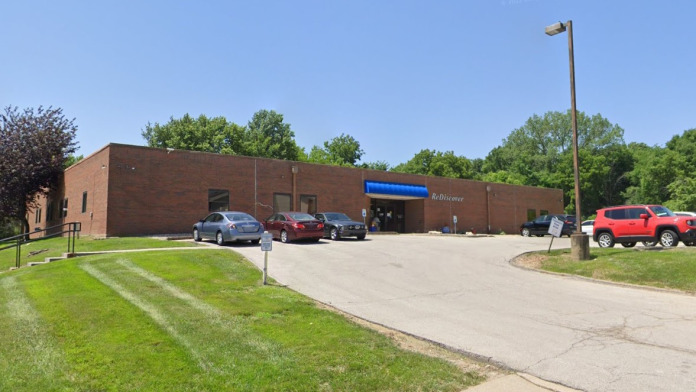
Kansas City, MO | ReDiscover is a dual diagnosis addiction treatment center in Kansas City, Missouri. Their services include medication assisted treatment, inpatient treatment, outpatient treatment and aftercare. They are accredited by the Commission on Accreditation of Rehabilitation Facilities. They accept private insurance and offer sliding scale payments for tho | Treatments Programs Payment Options AlcoholismDrug AddictionDual DiagnosisMental Health and Substance Abuse LGBTQ Program Self-Pay OptionsPrivate insuranceMedicaidMedicareSliding Scale Payment AssistanceMilitary Insurance |
I love this place I've been going here since 2016
Pateric Renyer
1 year ago
Great programs they have here at common ground…
Excellent program for older adults. My brother has been going to common ground for 30 plus years. He has outlasted plenty of staff members. The clients are each other’s family members. 😊
Jean Dmitruk
2 years ago
Ashley colt is amazing but I wasn’t a fan of my therapists changing every few months. Therapy is a no go here but my psychiatrist is thoughtful and caring.
Laura Milligan
2 years ago
| 
|
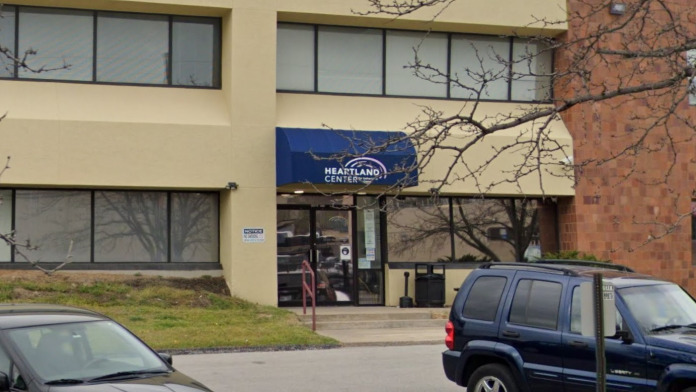
Kansas City, MO | Located on Prospect Avenue near Downtown Kansas City, Missouri, Heartland Center For Behavioral Change provides outpatient substance use treatment services for men and women. They also specialize in providing treatment to individuals who are under the supervision of the Missouri Department of Corrections Office of Probation and Parole. The programs | Treatments Programs Payment Options AlcoholismDrug AddictionOpioid AddictionSubstance Abuse Adult ProgramYoung Adult Program Private InsuranceSelf-Pay OptionsFinancial AidSliding Scale Payment AssistanceMedicareMedicaid | 
Got the best help😁
Mrs and Mrs D were the highlights of my days always so funny to hear about their childs latest shanangin! And their is another staff member, she is very confidential so no names but when we where down she got us started paper, it was that little kind gesture that made us all so happy, and then there is Mrs H she is so sweet and gentle always there if you needed to talk. And then there was Mrs G she got along with us all so fast! What made us so comfortable around her was because when she first came on the unit, she wasn't a stranger at all so warm to all of us and treated us all in the moment and not the past
And then there was Mrs L and Mrs C they were hard to warm up to at first but they were my favorite night staff the were so hummurous and there for all of us whether good or bad! And Mrs J she was a gentle lady, loved us all. And Mrs T and Mrs S they were also night staff, a little clumsy with their jobs and how to do things but overall such great care! And there was another staff member she was a nurse Mrs H and she loved me a lot, and always made me smile! and Mr H he always gave great life lessons! and Mr C he does well at his job, but hated a lot BECAUSE he does his job. He get a lot of criticism and that's hard to handle 247! And don't forget MRS R my therapist, she did an amazing job she needs a raise, hahaha! And they had an amazing horse program, I won't say anything anout the therapists though, I didn't have an exact connection with those lovely ladies. Anywho, this Ellie, I discharged 4-26-26 it's almost been two months! And I've been doing amazing with all the hard work you put in to me!
All with love
- bluey🩵
Elliyah Bos
4 months ago

I’ve been going here for 5 years to get suboxone! They have the best Dr. ever!! They also provide counseling, Classes, Detox, And inpatient housing!
Jonna Jones
8 months ago

I go there for my suboxone and they Nurse Practioner, Carla, is amazing. Truly goes above and beyond to help people. I couldn't ask for a better place. Front desk people can be overly rude and undependable but otherwise it's a great place.
Rob (ROB)
1 year ago
| 
2 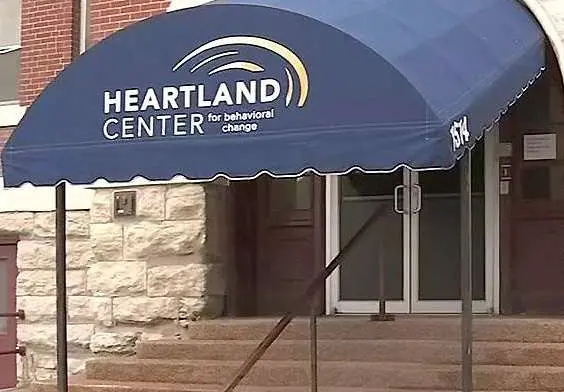
|
Kansas City, MO | Imani House is a substance use disorder treatment center operated by Swope Health. This outpatient clinic is located in Kansas city, Missouri. Swope Health is impressively accredited by both The Joint Commission and CARF. They accept health insurance as payment and will not turn clients away due to an inability to pay. They also provide a sliding s | Treatments Programs Payment Options AlcoholismDrug AddictionDual DiagnosisMental Health and Substance Abuse Adult ProgramYoung Adult Program Private InsuranceSelf-Pay OptionsFinancial AidSliding Scale Payment AssistanceMedicareMedicaidMilitary Insurance | 
Imani means faith, and I'll never forget the things I've learned that I still go by to this day. Doesn't matter if your forced or went into this place on your own. Regardless they're going to help you to beyond just serving and getting by. Thank you imani and all the employee are more than that because God definitely works there through all of them whether that's their belief or not. I might have to come visit soon. Always Jess
Jessica Hubbard
1 year ago

It's a great place to change addicted behaviors, staff there is awesome... Ron is the goat, Robert is awesome those two helped me most 🤞
Craig Brown
2 years ago

Great Staff !!
Dr. Ron is in my mind every day, and I've been doing great for the past two years. Highly recommend for those struggling with inner demons, as the classes dig deep into your soul for the roots of your dependency.. Five and one half 🌟.
gerald johnson
7 years ago
| |
Kansas City, MO | Heartland Center for Behavioral Change in Branson, Missouri, is a place where you can receive outpatient treatment for substance use in a supportive and thoughtful setting. The care there is specifically designed to meet your individual needs through counseling, education and community support. This facility provides real tools that can help you ma | Treatments Programs Payment Options AlcoholismDrug AddictionOpioid AddictionSubstance AbuseDual Diagnosis Adult ProgramLGBTQ ProgramYoung Adult ProgramTeen Program Program For Women Program For Women Postpartum Program Self-Pay OptionsMedicaidFinancial AidSliding Scale Payment AssistanceMilitary Insurance Postpartum Program Self-Pay OptionsMedicaidFinancial AidSliding Scale Payment AssistanceMilitary Insurance |
Got the best help😁
Mrs and Mrs D were the highlights of my days always so funny to hear about their childs latest shanangin! And their is another staff member, she is very confidential so no names but when we where down she got us started paper, it was that little kind gesture that made us all so happy, and then there is Mrs H she is so sweet and gentle always there if you needed to talk. And then there was Mrs G she got along with us all so fast! What made us so comfortable around her was because when she first came on the unit, she wasn't a stranger at all so warm to all of us and treated us all in the moment and not the past
And then there was Mrs L and Mrs C they were hard to warm up to at first but they were my favorite night staff the were so hummurous and there for all of us whether good or bad! And Mrs J she was a gentle lady, loved us all. And Mrs T and Mrs S they were also night staff, a little clumsy with their jobs and how to do things but overall such great care! And there was another staff member she was a nurse Mrs H and she loved me a lot, and always made me smile! and Mr H he always gave great life lessons! and Mr C he does well at his job, but hated a lot BECAUSE he does his job. He get a lot of criticism and that's hard to handle 247! And don't forget MRS R my therapist, she did an amazing job she needs a raise, hahaha! And they had an amazing horse program, I won't say anything anout the therapists though, I didn't have an exact connection with those lovely ladies. Anywho, this Ellie, I discharged 4-26-26 it's almost been two months! And I've been doing amazing with all the hard work you put in to me!
All with love
- bluey🩵
Elliyah Bos
4 months ago
I’ve been going here for 5 years to get suboxone! They have the best Dr. ever!! They also provide counseling, Classes, Detox, And inpatient housing!
Jonna Jones
8 months ago
I go there for my suboxone and they Nurse Practioner, Carla, is amazing. Truly goes above and beyond to help people. I couldn't ask for a better place. Front desk people can be overly rude and undependable but otherwise it's a great place.
Rob (ROB)
1 year ago
| |
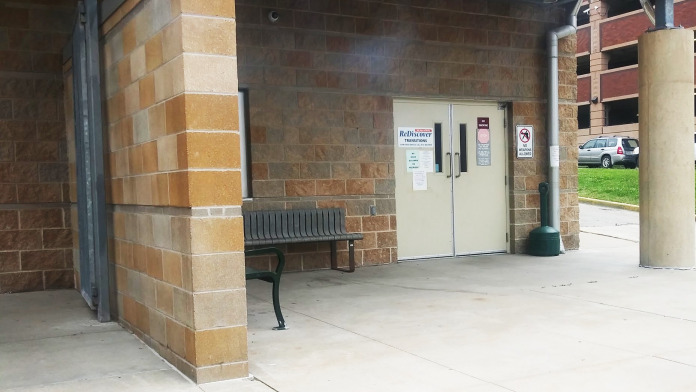
Kansas City, MO | ReDiscover Transitions provides opioid addiction treatment in Kansas City, Missouri. Their outpatient program offers flexibility for clients who want to continue working or attending school while getting assistance. Medically Supervised Treatment in Kansas City They provide medication-assisted treatment (MAT) to help lessen withdrawals and reduce d | Treatments Programs Payment Options Opioid AddictionSubstance Abuse Adult ProgramYoung Adult Program MedicaidPrivate insuranceSelf-Pay OptionsFinancial AidSliding Scale Payment AssistanceMedicareMilitary Insurance | 
I've been a client here since 2011, and I'm so grateful. It's a life saver, but like all recovery clinics you can only get out of it what you put into it. It's easy to blame others when things go wrong, but it's almost always our fault! I had a very hard time, until I stopped arguing and followed direction! They know about recovery, all I knew was self destruction, but thought I was so smart!
Now I'm doing really good. This place is great.
Update:
It's now called Rediscover Transitions, staff is great, doctors great! Give it a shot if you need it!
Jeffrey Bolin
1 year ago

Extremely helpful place for anyone with dependence related issues.
Jake Brown
3 years ago

This place has saved my life, That's all I have to say.
Dylan Cranfill
6 years ago
| 
|
Kansas City, MO | If you need alcohol and drug rehab services then you can visit The Crossroads Program in Kansas City, Missouri. The facility specializes in helping teens and young adults recover from addiction problems. The treatment services available include an intensive outpatient program, support groups, individual counseling and speaking engagements. Treatme | Treatments Programs Payment Options AlcoholismDrug AddictionOpioid AddictionSubstance Abuse Young Adult ProgramTeen Program Private InsuranceSelf-Pay Options | 
Our family will forever be grateful to The Crossroads Recovery Program for the impact it has had on our daughter and our entire family. As parents, my husband and I were extremely involved throughout our daughter's time at Crossroads and were deeply changed by the expeience.
As a Clinical Psychologist myself, I came into the experience with a high level of professional knowledge and, admittedly, very high expectations for the quality of treatment. The Crossroads care team demonstrated an exceptional understanding of the complex needs of teenagers and young adults in recovery. Crossroads helped our daughter not only stop using substances - they helped her develop the emotional maturity, coping skills, self-awareness, accountability, and skills necessary to build a meaningful life in recovery. The program challenged her when she needed to be challenged, supported her when she needed support, and consistently treated her with dignity and respect.
As parents, we were educated, supported, challenged, and given the tools to understand how we culd best support our daughter while also establishing healthy boundaries. I thought navigating addicition would tear our family and marriage apart (and it almost did before Crossroads). Today our family speaks openly about our recovery journey and the many ways we have all grown as a result.
I wholeheartedly recommend the Crossroads Program - I truly believe they were instrumental in saving our daughter's life.
Melanie Davis
1 month ago

Just completed my outpatient journey here and it was one of the greatest experiences of my life. The people here are so loving and amazing. If you’re struggling with addiction this is the place to go!
Chase Meinholdt
1 month ago

Great place, great people!!
Jaxson Townsend
2 months ago
| 
5 5 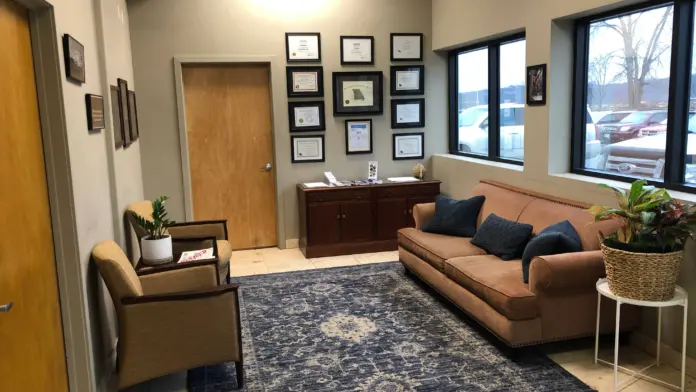
|
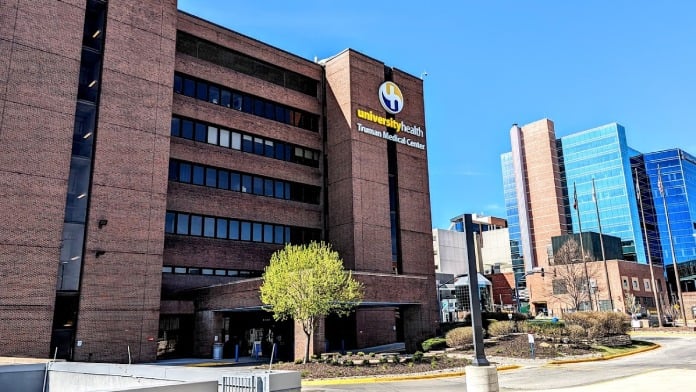
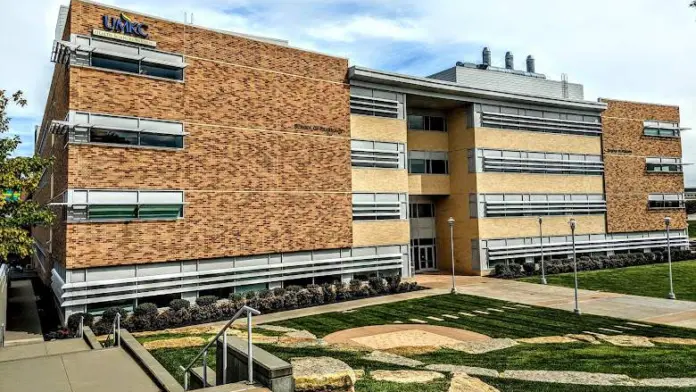
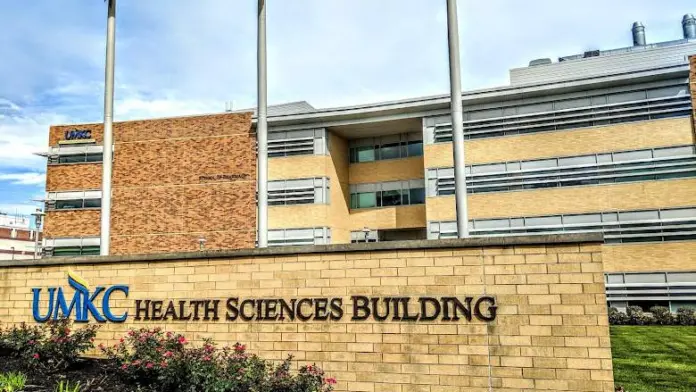
Kansas City, MO | University Health Truman Medical Center, in Kansas City, Missouri is an alcohol and drug rehab facility that provides mental health care for adolescents and adults. They offer day treatment, general outpatient care and aftercare including specialized services for homeless and indigent persons, trauma survivors and persons with co-occurring disorder | Treatments Programs Payment Options AlcoholismDrug AddictionDual DiagnosisMental Health and Substance AbuseOpioid Addiction Adult ProgramLGBTQ ProgramMilitary Program Private InsuranceFinancial AidMedicareMedicaidMilitary Insurance | 
Don't like that I have to check in with security but I get it
Dale Hunter
1 year ago

Events
Alicia Theis
1 year ago

No long wait time
Ladrina Johnson
1 year ago
| 
4 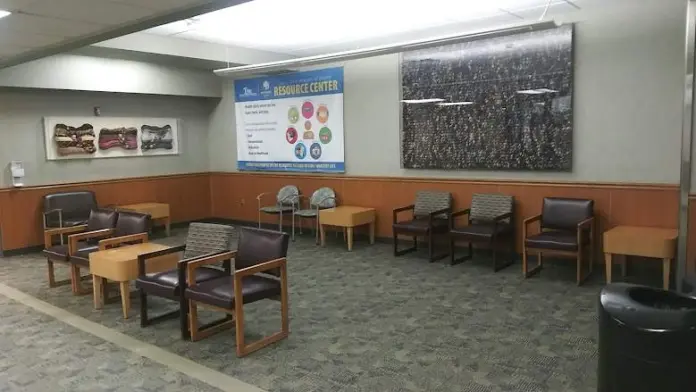
|
Kansas City, MO | Located in Kansas City, Missouri is the Heartland Center for Behavioral Change – Jackson County Drug Court. This office supports men and women by providing drug court services to adults who have been involved in the criminal justice system because of drug related charges. The Heartland Center for Behavioral Change has partnered with the Jackson | Treatments Programs Payment Options AlcoholismDrug AddictionOpioid AddictionSubstance Abuse Adult ProgramYoung Adult Program Self-Pay OptionsMedicaidSliding Scale Payment Assistance | 
It's been 21 days at this chaotic place!! But for real, it saved my life!!!!!!! If you need to get sober this is the place to be....
Jodi Bagwell
3 years ago

They are helping me get my life on track lovely people and safe environment
Sherrae Collierclark
3 years ago

Friendly staff
Taylor Clouse
6 years ago
| 
|
Kansas City, MO | Healing House Recovery Community Center is a CARF accredited addiction treatment and recovery housing provider serving adults in Kansas City, Missouri. The center offers outpatient substance use treatment, transitional housing, and comprehensive recovery support services including group therapy, individual counseling, and peer recovery coaching. Th | Treatments Programs Payment Options AlcoholismOpioid AddictionDrug AddictionSubstance AbuseMental HealthDual Diagnosis Program For Women Private InsuranceSliding Scale Payment Assistance | 
I gave a ride to a dear friend of mine here at the Healing House. Every man and woman I came in contact with was professional and caring. I'm thankful such a place exists. Glory to God in Jesus name for a safe haven and refuge for recovery such as The Healing House.
J H
2 years ago

Love this place it saved my life keep coming back! God is truly in this place. I've been sober for over a year and heailing house taught me how to live again after years of addiction. You tend loose touch with who you really are and how to live a normal life. But if you end up in healing house just know God put you there to save you, change your life and show you a better way of living. There is hope know matter who you are what your going through. God gots you! There is a way. You will make it! Never give up! they will love you here till you learn how to love yourself. People do care but God loves you! You can definitely see him working though people here. I love the life long friends I made here. If you want the tools to become the person that you always knew you could be and stay sober go to heailing house there saving lives everyday.
Cherish Nowak
3 years ago

Great place to come and get recovery and come to God 🙏🙏🖤🖤🖤
Freddie Weisshaar
4 years ago
| |
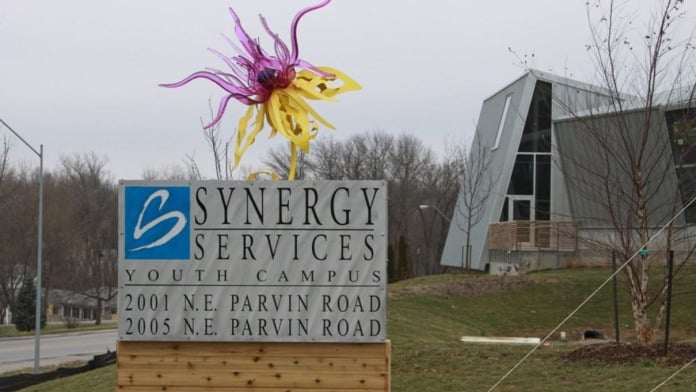
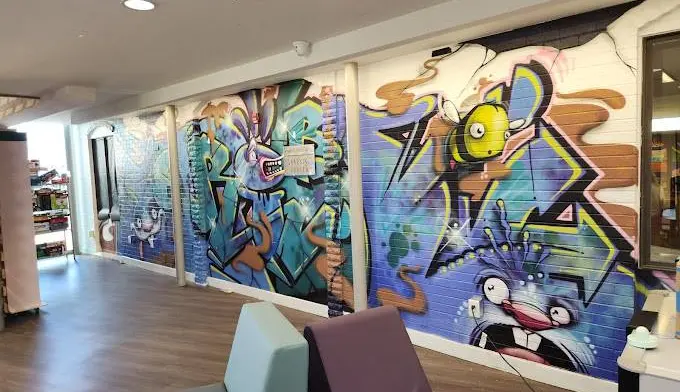
Kansas City, MO | Located in Kansas City, Missouri, Synergy Services offers care for individuals who are experiencing a crisis such as homelessness or abuse. This particular location is their Youth Resiliency Center, though they can connect you to the other services that may benefit you too. Their batterer’s prevention program focuses on ending domestic violence t | Treatments Programs Payment Options Dual DiagnosisMental Health LGBTQ ProgramYoung Adult Program Private insuranceSelf-Pay OptionsSliding Scale Payment AssistanceMedicaid | 
I cannot explain how much i love synergy.
Their shelter is nice, as well as welcoming, and comforting. I have been here 3 times- the staff here are phenomenal. They're kind, they joke with me, and they help me when I need it. They're there for you, and if they're busy, they'll get to you when they can.
There's home cooked meals every day, breakfast, lunch, and dinner, as well as snack time every night, where they make something for the youth. If you have an allergy, they accommodate for you.
My first time here, I was taken by my mentor from school. I had been kicked out the house by my abusive grandfather 5 days after my birthday. Synergy staff welcomed me, and made me feel like I mattered.
Each time I was here, I was cared for. I'm now in a different shelter, but I can't recommend this shelter enough to people living in Kansas City, especially in the north east area. The 238 takes you straight to synergy from the east village bay metro area. I've made friends here that I am still in contact with to this day. I still call up here occasionally to speak to staff.
Even though I struggled a lot mentally, and struggled with sh, staff didn't treat me any different than any other kid. They made sure I was kept safe, even if it meant Dante fussing at me for wanting to cut my own apples (what a chud). I'd never regret coming here, and I'm so happy I did.
Even if I'm not living on my own yet, Synergy has helped me so, so much. I'm grateful to not live with my family, who I know won't support me or give me the help I need with my own mental health. I'm so so grateful, and I can't express it enough.
Alisha Painter
3 weeks ago

this is going to be a very long message i have for everyone doubting this place
my name is amelia stone and i am 16 years old, i lived in a very toxic abusive situation until i gave up and ran away, i went to a quick trip in blue springs missouri and the lady took me back to the back had me sit down and called synergy, it was 20 degrees outside i barley had any clothes on and i was not dressed according to the weather, the nicest human being i have ever met, his name is ellis, he came and talked to me and did everything in his power (even broke a few rules) just to get me somewhere safe, i will forever be greatful for that man. when i arrived at synergy, i met lexi and kelsey, they treated me like their own, i never felt like i couldn't be who i was, now onto my person, blayne. blayne was one of the weekday evening workers, they are the best person to have ever walked into my life and they treated me like i was worth something, like i had a future, like i had something to look forward to, they made sure i never gave up no matter what it was my dad did, the people you meet at synergy will be your family for life, your REAL family, family don't have to be blood, just someone you feel at home with, and that's exactly what this place meant to me.
Amelia Stone
3 months ago

Forever grateful for getting the opportunity to be in this community for the time that I was. The staff is there to help and guide you to where you need to be. I wouldn’t be where I am now without them.
Patience Bruley
7 months ago
| 
3 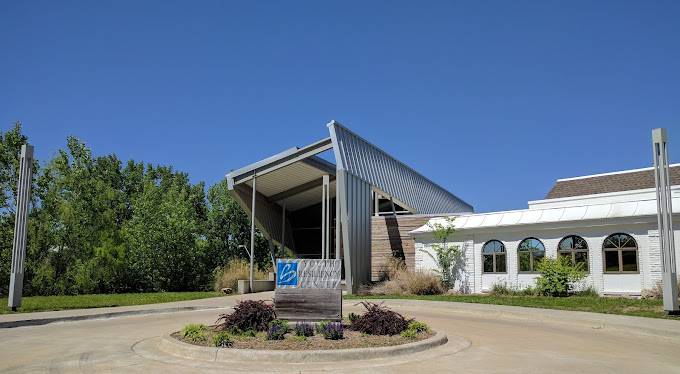
|
Kansas City, MO | The Heartland Center for Behavioral Change has a location in Kansas City, Missouri. They’re a CARF-accredited treatment center, and they offer outpatient treatment for substance use disorder and behavioral health, such as co-occurring disorders. They treat men and women aged 18 and up. Heartland Center for Behavioral Change – KC Outpatient is | Treatments Programs Payment Options AlcoholismDrug AddictionOpioid AddictionSubstance Abuse Adult ProgramYoung Adult Program MedicareMedicaid | 
Recently a year clean from fentanyl after leaving this place. Decent staff, great reality check, bad reviews because ppl don’t want to get clean. They give your true tough love and want to see everybody succeed. Was on fent for 2.5 years tried 8 rehabs. This place did it for me. Aug 20 2025. Strongly recommended from the younger generation 🤙
Michael Hilton
3 weeks ago

Heartland saved my life. I entered the program thinking I would just get help with my alcoholism but I ended up getting so much more than that. They helped me get sober and work through years of trauma. The staff at Heartland did more for me than the 3 years of therapy I had prior to entering the program. Miss Audra, Miss Jessica and Miss Binky gave me my life back. I wouldn’t be the person I am today without them.
Deb N
5 months ago

Great place for recovery. Staff was good also.
Lavern Ramsey
6 months ago
| |
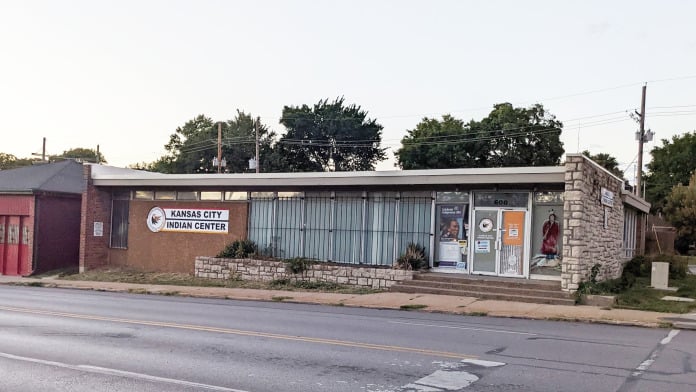
Kansas City, MO | Kansas City Indian Center is the only Kansas City multi-purpose Social Service Agency serving American Indians. Their goal is to encourage the advancement of the community by promoting traditional and cultural values. The Morning Star Outreach program identifies substance abuse cases in Kansas City, Missouri, and helps individuals and their familie | Treatments Programs Payment Options AlcoholismDrug AddictionDual DiagnosisOpioid AddictionSubstance Abuse Adult ProgramLGBTQ ProgramMilitary ProgramYoung Adult Program Financial AidSliding Scale Payment AssistanceMedicare | 
Gaylene and Lupe are so friendly and enjoyable to chat with to learn more about the center and their activities.
Cindy Kelley
2 years ago

This is an amazing resource center with incredible staff. They're always smiling and if they dont have the answer, they'll find someone that does.
Cassi Licata-Brooks
2 years ago

Happy Holidays KC Indian Staff!!!! Y'all work too hard xoxoxoxox Smith Bunch
Bernice Smith
2 years ago
| 
|
Kansas City, MO | The Recovery Village Kansas City Outpatient Center is a substance use treatment provider in Kansas City, Missouri offering flexible outpatient care for adults seeking recovery support. Programs include intensive outpatient, standard outpatient, dual diagnosis treatment for co-occurring mental health conditions, and medication-assisted treatment. Th | Treatments Programs Payment Options AlcoholismOpioid AddictionDrug AddictionSubstance AbuseMental HealthDual Diagnosis Adult Program Seniors ProgramMilitary Program Private InsuranceSelf-Pay Options Seniors ProgramMilitary Program Private InsuranceSelf-Pay Options Financing Financing | 
The group therapy here is so helpful. The supporting staff made disability thru work effortless.
Stephanie Page
1 week ago

The staff and therapist are wonderful and experienced. The group setting helps the healing and growth process. The skills taught make all the difference in recovering and healing.
Aimee Birlingmair
3 weeks ago

💯 recommend, I came in not knowing what to expect. The Susan was so relatable and made me feel comfortable enough to share. Tommy is the same way. I have found a group of people that I can lean on and they can lean on me. Starting this journey can be scary and intimidating ; but it will be the best thing you could do for yourself.
G. Wolf
1 month ago
| |
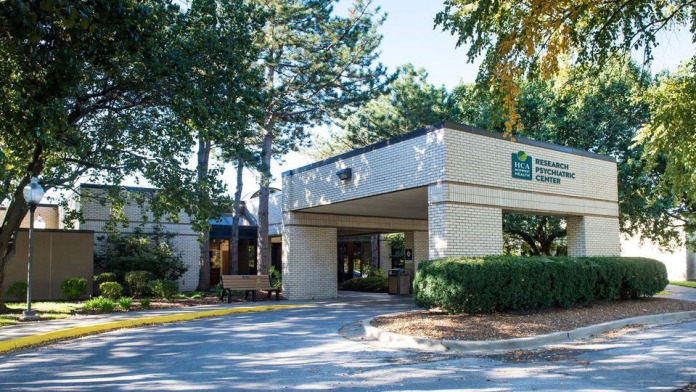
Kansas City, MO | Research Psychiatric Center is a mental health care facility and alcohol and drug rehab for youth and adults in Kansas City, Missouri. They operate under HCA Midwest Health and offer specialized services for adolescents, seniors and persons with co-occurring addiction and mental illness. They offer acute inpatient treatment, a partial hospitalizati | Treatments Programs Payment Options AlcoholismDrug AddictionDual DiagnosisMental Health and Substance AbuseOpioid AddictionSubstance Abuse Adult ProgramMilitary ProgramYoung Adult Program Self-Pay OptionsPrivate insuranceMilitary InsuranceMedicaidMedicarePrivate Insurance | 
This place is good the food is good the staff are great and they listen I got along with the staff there was amazing social workers
Daniella
1 month ago

I was a patient in the senior unit of Research psychiatric center on Meyer Blvd in Kansas City, Missouri. My psychiatrist was wonderful! Anita and Shelly who are nurses there are awesome!!! The psychiatrist and Anita and Shelly really helped me get better!!!
The techs were a different story. For some reason they all talked about my problems with each other. I was sexually harassed by a mail patient there!!! He was constantly making sexual remarks to me!!! He followed me around.
He listened to my phone conversations. The techs sided in with the male patient who sexually harassed me!!! One tech named Kristy started out really nice to me! Later she told me no wonder I was stressed out. Because of my problems. Like it was my fault! Another tech named Leticia was extremely rude to me!!!
She actually sided in with the man who sexually assaulted me! Because they were both black!!! Talk about racist!!! She had the nerve tell me that everyone knew my problems there! Because the man who sexually assaulted me listened to my phone conversations.
Then he went and told the techs my business. And the techs listened to my phone conversations. And Leticia tried telling me that this 19 year old tried to commit suicide 3 times in 2 months. This 19 year old got upset with me, because she said I triggered her anxiety and depression, because she could hear my phone conversations. I walked away somewhere private to talk.
This 19 year old did nothing but talk on the phone all the time!!! And walked up and down the halls all the time talking on the phone!!! And she had screaming fits. I went in her room and hugged her and told her to take deep breaths. She was calm. I helped her out.
Leticia had the nerve to tell me I should feel sorry for the 19 year old, because she was so young!!! I was there to get well and get out of that place!!! Everyone told me all their problems!!! I have 2 kids, my mom, and a boyfriend, and pets who all depended on me!!! I was there to get well too!!!
And Leticia went back and questioned one of my friends in the Serenity room after the incident with the 19 year old. The 19 year old tried accusing me of calling her a brat. Which I never did. I was outside in the hallway listening to the conversation between Leticia and my friend.
My friend was calling the man who sexually harassed me a brat! Nobody called the 19 year old anything! She was a total brat though!!! Leticia thought she was going to keep me from going home. I was too smart for her! And she was jealous of me because of my looks!!!
My advice to anyone who is a patient in the senior unit At Research Psychiatric Center on Meyer Blvd in Kansas City, Missouri is to go to group. Participate. Watch for people listening to your phone calls. Eat your food. Be friendly and respectful of the staff. THANK GOD FOR ANITA AND SHELLY!!! AND MY PSYCHIATRIST!!! I AM HOME NOW AND DOING GREAT!!! THEY'RE LUCKY I AM NOT FILING A LAWSUIT FOR SEXUAL HARASSMENT!!! I HAVE AN ATTORNEY! PLUS THE WAY THE TECHS TREATED ME!!!
Leigh Ann Rogus
3 months ago

This review is not about the nurses, janitorial staff, kitchen workers, or most of the people working on the floor every day.
I already wrote a separate review thanking them because many of them are incredible human beings doing their best in an environment that appears understaffed, underfunded, and overwhelmed.
This review is about the system.
I voluntarily checked myself into this facility seeking help, answers, and perspective.
What I witnessed raised serious concerns.
When I arrived, I observed men and women with vastly different mental health conditions being housed in close proximity. Some patients appeared calm and cooperative. Others appeared highly agitated, unpredictable, or experiencing severe mental health crises.
As a patient, that was concerning.
I witnessed situations where staff appeared to be waiting for security before intervening in escalating incidents. I understand safety protocols exist for a reason, but from a patient’s perspective it often felt like the staff did not have the resources or support they needed to respond quickly.
One of the most alarming incidents I personally experienced involved another patient taking my Bible and tearing it apart after confronting me.
Thankfully, the situation was eventually handled, but it left me wondering whether patients and staff truly have the level of protection they deserve.
I also discovered what appeared to be a packaged syringe left in an area where patients could potentially access it. I documented it immediately because I believed it represented a serious safety concern.
Whether that item was dangerous or not is not the point.
The point is that vulnerable people should not be finding medical items on the floor.
Period.
Another concern involved communication.
My father was reportedly told I had been released and should be contacted on my phone while I was still inside the facility.
I cannot speak to how that misunderstanding occurred, but it created confusion and concern for my family.
The biggest lesson I left with is this:
The people working inside these facilities deserve more support.
The patients deserve more support.
Mental health treatment should prioritize safety, staffing, communication, dignity, and recovery above all else.
I am not writing this because I hate anyone.
I am writing this because I met people inside those walls who were hurting.
Veterans.
Young adults.
Mothers.
People struggling with addiction.
People battling depression.
People trying to survive another day.
Those people deserve the best care possible.
The nurses deserve enough support to focus on nursing.
The staff deserve enough resources to do their jobs safely.
Patients deserve environments where they feel protected.
Families deserve clear communication.
And mental health facilities should constantly be asking themselves one question:
“How can we better serve the people who need us most?”
Because when someone walks through those doors asking for help, they are often at one of the lowest points of their life.
That responsibility is too important for anyone to treat as just another business.
The patients matter.
The staff matter.
The mission matters.
And those things should always come first.
Davis Crafted
3 months ago
| 
|
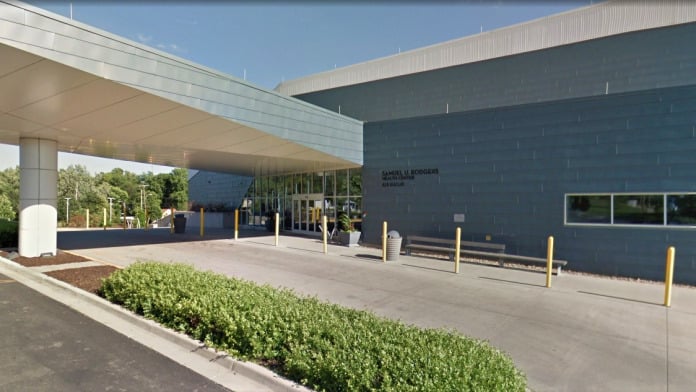
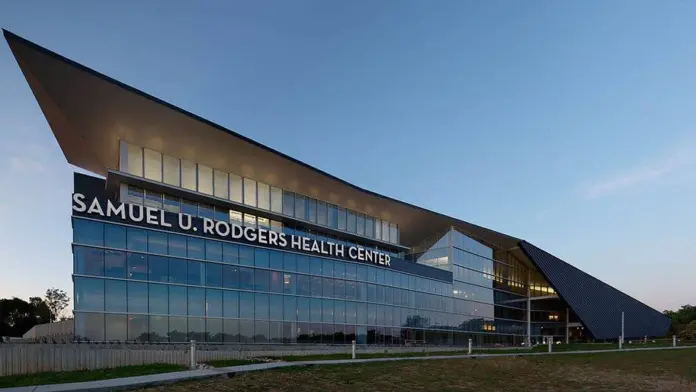
Kansas City, MO | Samuel U. Rodgers Health Center is a behavioral health facility located in Kansas City, Missouri. They treat people for many mental health conditions including substance use disorder. They treat dual diagnosis for people who have substance use disorder and mental health issues at the same time. This facility offers both inpatient treatment and tele | Treatments Programs Payment Options Dual DiagnosisMental Health Adult ProgramYoung Adult Program Private InsuranceSelf-Pay OptionsFinancial AidMedicaidMedicareMilitary Insurance | 
Excelente atención
Viky Reyes
1 month ago

Siempre e sido atendido bien, no tengo quejas en absoluto
VALERIA MONSERRATT MARQUEZ CHAVEZ
1 month ago

Very nice place ,good dentist, good to take care you health
Maria Lopez
5 months ago
| 
4 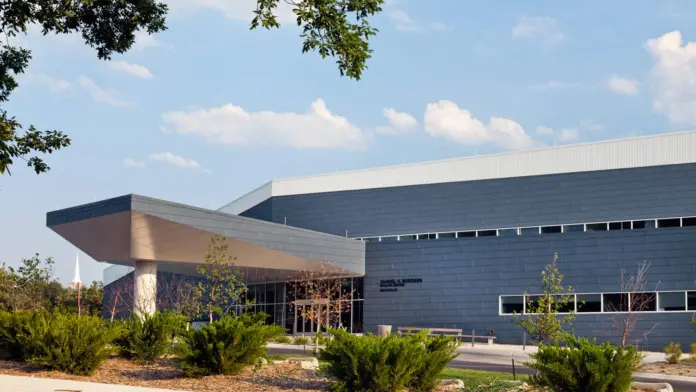
|
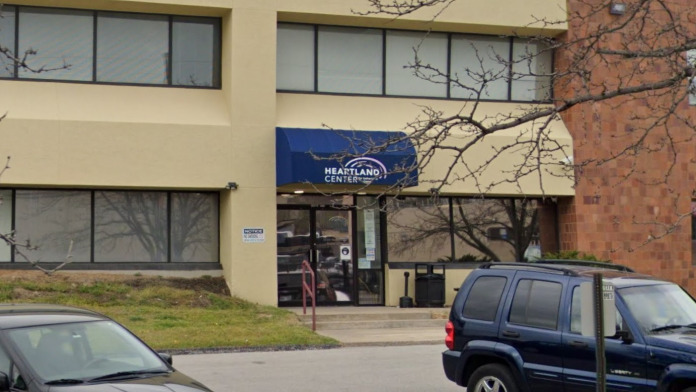
Kansas City, MO | Heartland Center for Behavioral Change is a substance use disorder treatment center in Kansas City, Missouri offering a full continuum of care that includes detox and residential treatment, intensive outpatient programming and outpatient services. The center serves adolescents, adults and women including specialized tracks for pregnant women and wo | Treatments Programs Payment Options AlcoholismDrug AddictionOpioid AddictionSubstance Abuse Adult ProgramYoung Adult Program Self-Pay OptionsMedicaidFinancial AidSliding Scale Payment AssistanceMedicare | 
Got the best help😁
Mrs and Mrs D were the highlights of my days always so funny to hear about their childs latest shanangin! And their is another staff member, she is very confidential so no names but when we where down she got us started paper, it was that little kind gesture that made us all so happy, and then there is Mrs H she is so sweet and gentle always there if you needed to talk. And then there was Mrs G she got along with us all so fast! What made us so comfortable around her was because when she first came on the unit, she wasn't a stranger at all so warm to all of us and treated us all in the moment and not the past
And then there was Mrs L and Mrs C they were hard to warm up to at first but they were my favorite night staff the were so hummurous and there for all of us whether good or bad! And Mrs J she was a gentle lady, loved us all. And Mrs T and Mrs S they were also night staff, a little clumsy with their jobs and how to do things but overall such great care! And there was another staff member she was a nurse Mrs H and she loved me a lot, and always made me smile! and Mr H he always gave great life lessons! and Mr C he does well at his job, but hated a lot BECAUSE he does his job. He get a lot of criticism and that's hard to handle 247! And don't forget MRS R my therapist, she did an amazing job she needs a raise, hahaha! And they had an amazing horse program, I won't say anything anout the therapists though, I didn't have an exact connection with those lovely ladies. Anywho, this Ellie, I discharged 4-26-26 it's almost been two months! And I've been doing amazing with all the hard work you put in to me!
All with love
- bluey🩵
Elliyah Bos
4 months ago
I’ve been going here for 5 years to get suboxone! They have the best Dr. ever!! They also provide counseling, Classes, Detox, And inpatient housing!
Jonna Jones
8 months ago
I go there for my suboxone and they Nurse Practioner, Carla, is amazing. Truly goes above and beyond to help people. I couldn't ask for a better place. Front desk people can be overly rude and undependable but otherwise it's a great place.
Rob (ROB)
1 year ago
| 
|
Kansas City, MO | If you or a loved one are facing struggles with substance use then there are resources and services you can turn to throughout Kansas City, Missouri. This resourceful community is home to the First Call Alcohol and Drug Prevention and Recovery agency. This is an agency that connects families and individuals who have been impacted by substance use | Programs Payment Options Adult ProgramLGBTQ ProgramMilitary Program  Free Free | 
This was such an eye opener and the guidance they gave was incredible. Kansas City is blessed to have this here.
Sarah McConnell
2 years ago

This organization works miracles in lives. I was assessed by Preston Washington and he was "spot on." He recommended I attend out patient treatment and A.A. meetings. My life was out of control and I only went there because the court ordered me (I had a DUI). Now, a year later, what was the most horrible experience in my life actually set me on a new path. I love the same life I once hated. I am much happier at work and at home. My kids and wife have a Dad and a husband back from the edge of hell.
Gary Jenkins
15 years ago
| 
2 
|


 Back to MO
Kansas City is the 134th most expensive city nationwide for addiction treatment affordability, with an average cost of addiction treatment of $57559. This is comparable to the average cost of $56782 for addiction treatment in Missouri and comparable to the national average cost for drug rehab of $57,193.
The costs of drug and alcohol rehab in Kansas City vary widely and depend on several factors, including:
The costs of addiction treatment listed for cities and states are averages based on the cost of medical detox, inpatient rehab, outpatient rehab, and medication assisted treatment. These averages are high due to the cost of medical detoxification and residential inpatient rehab programs.
These numbers also reflect the raw cost of drug rehab, before any insurance coverage. The typical individual seeking addiction treatment can expect to pay much less for outpatient or intensive outpatient services than the averages listed below.There are many ways to pay for drug rehab in Kansas City. Most rehab treatment centers accept cash or self-payment, as well as private health insurance. However, there are many treatment centers in Kansas City that accept Medicaid and Medicare, or offer sliding scale payments or other low-cost payment options. Here's the complete breakdown of how to pay for addiction treatment near Kansas City.
Blue Cross Blue Shield is the most widely-accepted insurance for drug rehabs in Kansas City, with 17 treatment centers in the city accepting their insurance. UnitedHealth Group is the 2nd most popular with 17 treatment centers accepting it followed by Aetna in 3rd accepted by 15 drug rehabs.
Kansas City has the 241st highest rate of drug use nationwide among nearly 400 cities surveyed. This number reflects the combined use of cocaine, heroin, meth, and marijuana, displayed individually below. The percent shown for each drug represents the number of residents in Jackson county that have reported ever using the following drugs, so these numbers should not be interpreted as direct evidence of current drug use in Kansas City or Jackson county as a whole.
In 2023, Kansas City had the 70th highest number narcotics violations out of 330 cities nationwide, with a total of 974 reported drug-related incidents that year. This includes cases of public intoxication, drug arrests, narcotics found during house calls and traffic stops, and any other drug-related crime.
Keep in mind these numbers are dependent on accurate record keeping and reporting laws by local police and sheriffs, and may not fully reflect all drug related crime in Kansas City.All values are per 100,000 population.
Source: https://cde.ucr.cjis.gov/LATEST/webapp/#/pages/explorer/crime/crime-trend